
The Ethel Walker School launched a nine-month molecular genetics course modeled on Stanford's Stan‑X program, where 10 seniors performed advanced lab work that produced five transgenic fruit fly strains now available to researchers. The program, coordinated with Dr. Seung Kim's lab and supported by Dr. Meera Viswanathan, is part of a network of about 20 secondary schools and stores lines at Indiana University. Students gained technical skills in transposon biology, experienced real research setbacks and successes, and anticipate future opportunities in gene sequencing and CRISPR.
High School Researchers at Ethel Walker Create Fruit Fly Strains That Advance Stanford-Linked Diabetes Research

Students at The Ethel Walker School in Simsbury are participating in a research project with Stanford University professor Seung Kim and his lab to find a cure for diabetes. (Courtesy of Tom Kates Photography)
Until last fall, Nellie Kenney’s primary academic interests were in literature and the humanities, while Naiya Sabbagh already liked science but never imagined she would perform collegiate-level lab work as a high school senior. After enrolling in a new nine-month molecular genetics research course at The Ethel Walker School in Simsbury, both students — along with eight classmates — conducted hands-on experiments that are now contributing to diabetes research.
Stan-X Model and Real Research Experience
The course follows the Stan‑X experimental biology curriculum created by Stanford professor Dr. Seung Kim and is taught in coordination with his laboratory, according to Dr. Meera Viswanathan, head of The Ethel Walker School. Modeled on graduate-level protocols, the program immerses students in advanced lab techniques and experimental design typically reserved for college researchers.
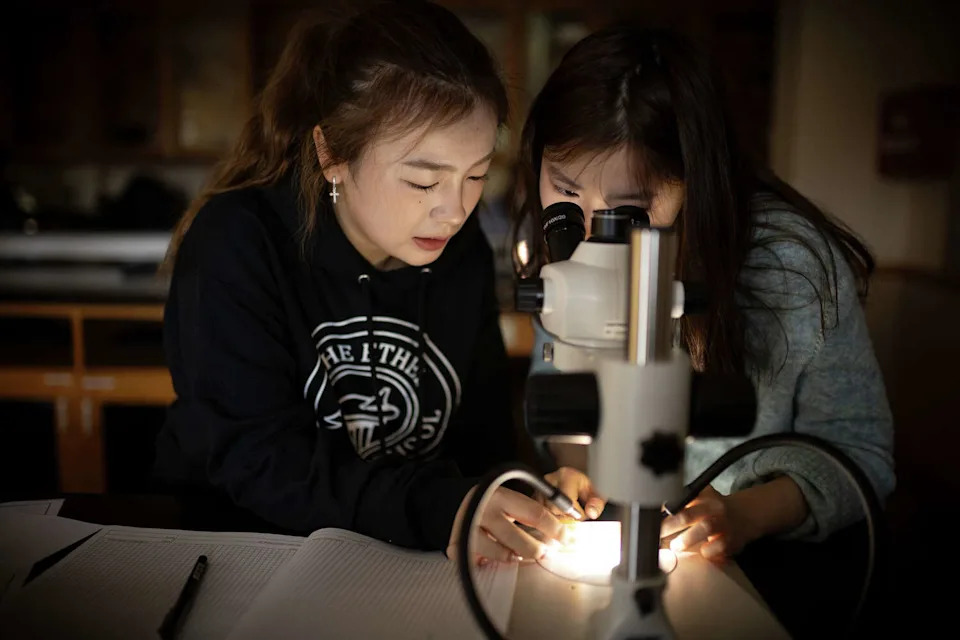
Students at The Ethel Walker School in Simsbury are participating in a research project with Stanford University professor Seung Kim and his lab to find a cure for diabetes. (Courtesy of Tom Kates Photography)
"Taking this class absolutely transformed what I thought about science and how I thought about myself as a student," Kenney said.
During their nine-month project, the students used transposon biology to develop transgenic fruit fly strains carrying desirable traits. The cohort successfully produced five viable strains that may be used by researchers to study insulin regulation and other diabetes-related questions. Once characterized, the fly lines are sent to cold storage at Indiana University, where scientists worldwide can access them for further study.
Process, Challenges, and Learning
Viswanathan describes the workflow: students receive fruit fly eggs, hatch and rear larvae, separate males and females, identify phenotypic traits, and design crosses to pass target characteristics to subsequent generations. The work required meticulous attention to detail and multi-generational planning.
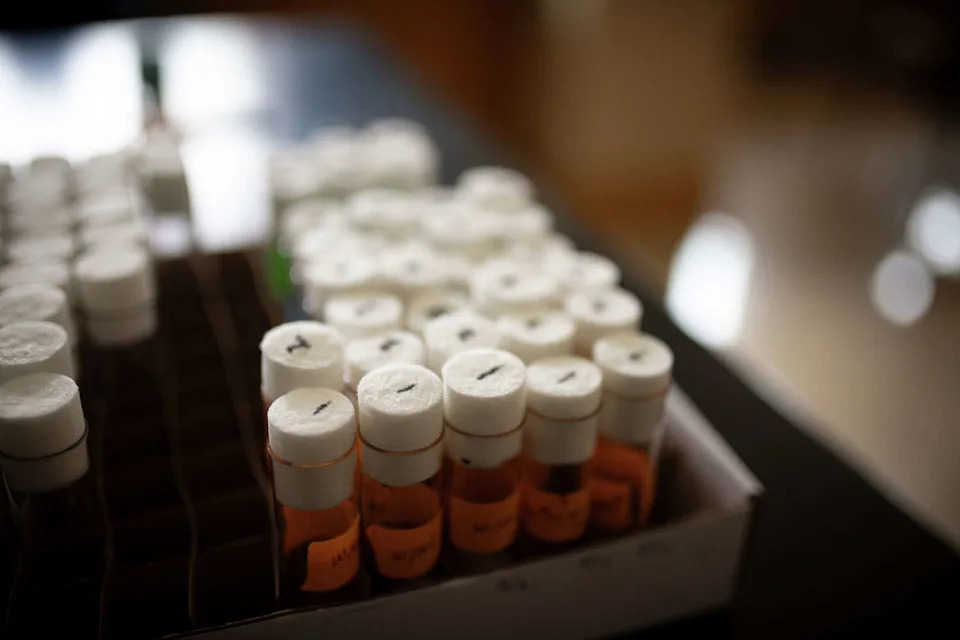
Students at The Ethel Walker School in Simsbury are participating in a research project with Stanford University professor Seung Kim and his lab to find a cure for diabetes. (Courtesy of Tom Kates Photography)
Students also learned to manage setbacks. "The very first week, we found mites in some of our vials of fly eggs, so those vials were contaminated," Kenney recalled. "It was a whole process but we got through it and we ended up having a lot of success. It was a lesson in dealing with setbacks and learning that failure can be part of the process."
Broader Program and Next Steps
About 20 secondary schools, including The Ethel Walker School and the Hotchkiss School, participate in versions of the Stan‑X program. Dr. Kim has also developed a next‑generation curriculum that introduces CRISPR gene‑editing; several participating schools already offer it, and Ethel Walker hopes to adopt it soon. Dr. Viswanathan says students will also gain opportunities in gene sequencing and, ultimately, gene editing.

Students at The Ethel Walker School in Simsbury are participating in a research project with Stanford University professor Seung Kim and his lab to find a cure for diabetes. (Courtesy of Tom Kates Photography)
Dr. Kim praised the partnership: "This experience-based instruction has helped students engage with science in a genuine way — including failures and sweet moments of insight. After further studies, these new flies could eventually serve as crucial tools for making scientific discoveries — a true connection and lasting contribution to the community of science."
Impact On Students
The program produced immediate scientific outputs and lasting educational benefits. Sabbagh said the class broadened her understanding of molecular DNA, taught her to dissect professional scientific papers, and exposed her to different research labs. Now a freshman at Rollins College on a pre‑med track, she said the course strengthened her independence and ability to self-teach complex topics.

Students at The Ethel Walker School in Simsbury are participating in a research project with Stanford University professor Seung Kim and his lab to find a cure for diabetes. (Courtesy of Tom Kates Photography)
Kenney, now at Yale, said the experience reshaped how she views science: rather than static, she now sees it as an ongoing conversation she can join. Both students cited greater scientific confidence, resilience, and a renewed interest in STEM careers.
Why it matters: High school students are producing research-grade biological resources that can accelerate diabetes research, while gaining authentic lab experience and professional scientific skills.


