SAFARI is a biodegradable, ingestible capsule developed by MIT researchers to confirm medication ingestion by emitting a short radiofrequency signal once the capsule dissolves in the stomach. Tests in simulated gastric fluid and in pigs produced promising results, but human trials have not yet been conducted. Designed for patients who face life-or-death consequences from missed doses, the system uses molybdenum shielding, ingestible metals like zinc, and printable components to avoid batteries and retrieval.
This 'Smart Pill' Could Save Thousands: How SAFARI Confirms Medication Was Taken
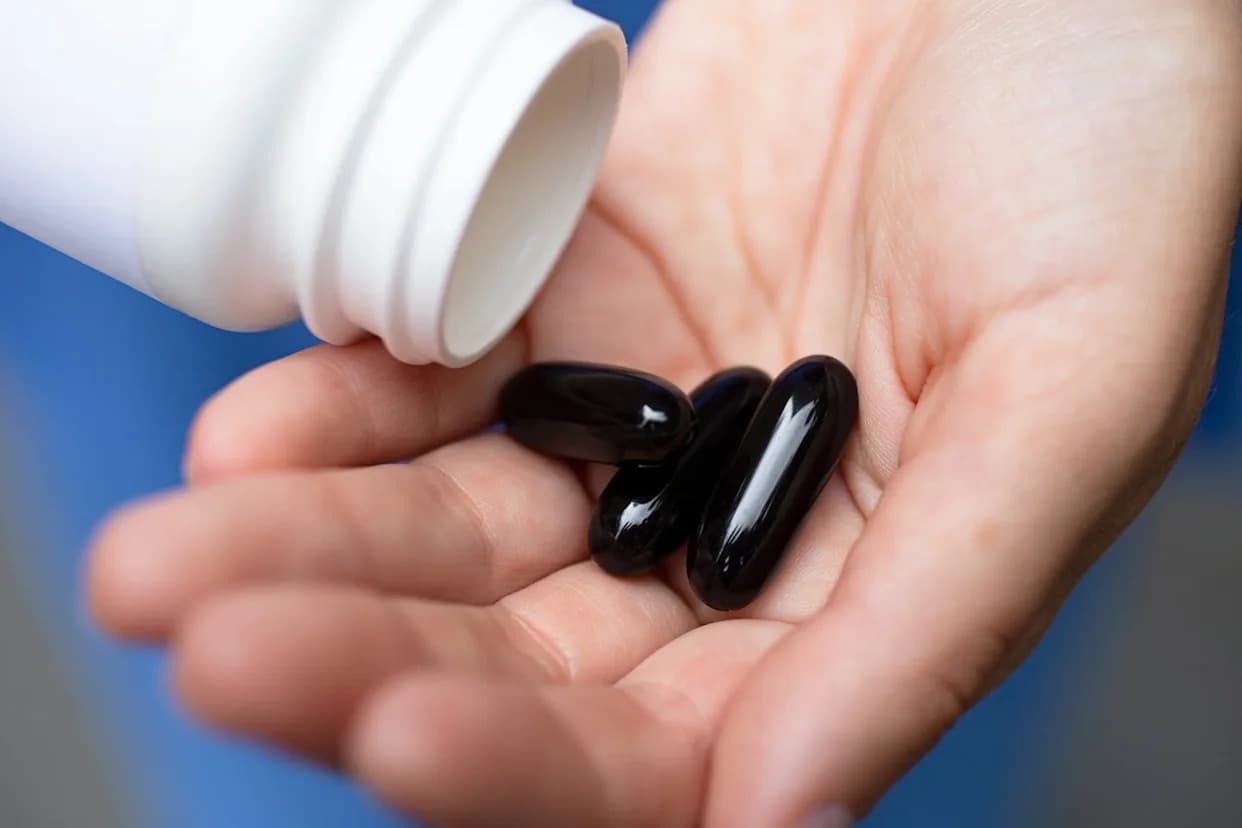
This Pill Is Not Medicine. It Could Save Lives.Anastasiia Bid - Getty Images
Missed doses of essential medicines contribute to an estimated 125,000 preventable deaths and roughly $100 billion in extra U.S. healthcare costs each year. Researchers at MIT, led by mechanical engineer Giovanni Traverso, have developed SAFARI — a biodegradable, ingestible system designed to verify that a patient has actually swallowed a dose. The technology aims to protect people for whom a single missed pill can be life-threatening, such as organ transplant recipients and patients with tuberculosis, HIV, or certain chronic conditions.
What Is SAFARI?
SAFARI stands for Smart Adherence via FARaday cage And Resorbable Ingestible. It consists of a gelatin or cellulose (HPMC) capsule that contains a tiny radiofrequency chip and antenna. The capsule is coated with a thin molybdenum-based electromagnetic shielding layer that functions like a Faraday cage, keeping the device silent until it reaches the stomach.
How It Works
When the capsule enters the acidic environment of the stomach, the shielding and carrier dissolve. Once exposed, the chip briefly emits a radiofrequency signal that an external reader can detect, confirming ingestion and the approximate time of dosing. The electronic components are designed from ingestible materials — for example, zinc foil for metallic parts — and to biodegrade in gastric fluid, then pass through the digestive tract without requiring retrieval or batteries.
Testing And Safety
The SAFARI system has been validated in simulated and natural gastric fluids to confirm predictable dissolution behavior, and in porcine models because pig digestive tracts closely resemble human anatomy. Results were promising, but the device has not yet been tested in humans. The team emphasizes further studies — including chronic exposure modeling and pharmacokinetic analysis — to confirm long-term safety and suitability for repeated or lifelong use.
"SAFARI establishes a foundational framework for the development of next-generation, eco-conscious adherence monitoring solutions and associated interventions—ultimately aiming to bolster therapeutic outcomes and reduce healthcare expenditures," said Giovanni Traverso in the study published in Nature Communications.
Who Could Benefit?
SAFARI is intended primarily for patients whose clinical outcomes depend on strict, consistent dosing: organ transplant recipients on immunosuppressants, people receiving treatment for tuberculosis or HIV, and others with fragile health circumstances. The developers note it is not aimed at general over-the-counter use but rather targeted clinical scenarios where confirming ingestion could prevent hospitalization or death.
Manufacturing And Future Developments
The design emphasizes manufacturability: the capsule can be made from gelatin or HPMC, some parts are printable, and the system avoids batteries by using resorbable materials. Future work could explore battery-assisted RFID to extend detection range and other refinements to broaden clinical applications.
Limitations and considerations: SAFARI shows early promise, but human trials, regulatory review, and evaluation of privacy, cost and supply-chain factors are required before clinical adoption. Safety over repeated dosing, data security, and clear clinical protocols will be essential to realize the technology's potential.
Help us improve.