Japanese scientists have started human trials of a monoclonal antibody that blocks USAG‑1, a protein that suppresses tooth growth. The 11‑month study, launched in September 2024, enrolls 30 men aged 30–64 and uses intravenous dosing to assess safety and early effectiveness. Animal studies in mice and ferrets showed tooth regrowth with no reported side effects; if trials succeed, the team aims to expand testing to young children and pursue broader availability around 2030.
Could Humans Regrow Teeth by 2030? Japanese Human Trials of a Tooth‑Regrowth Drug Begin
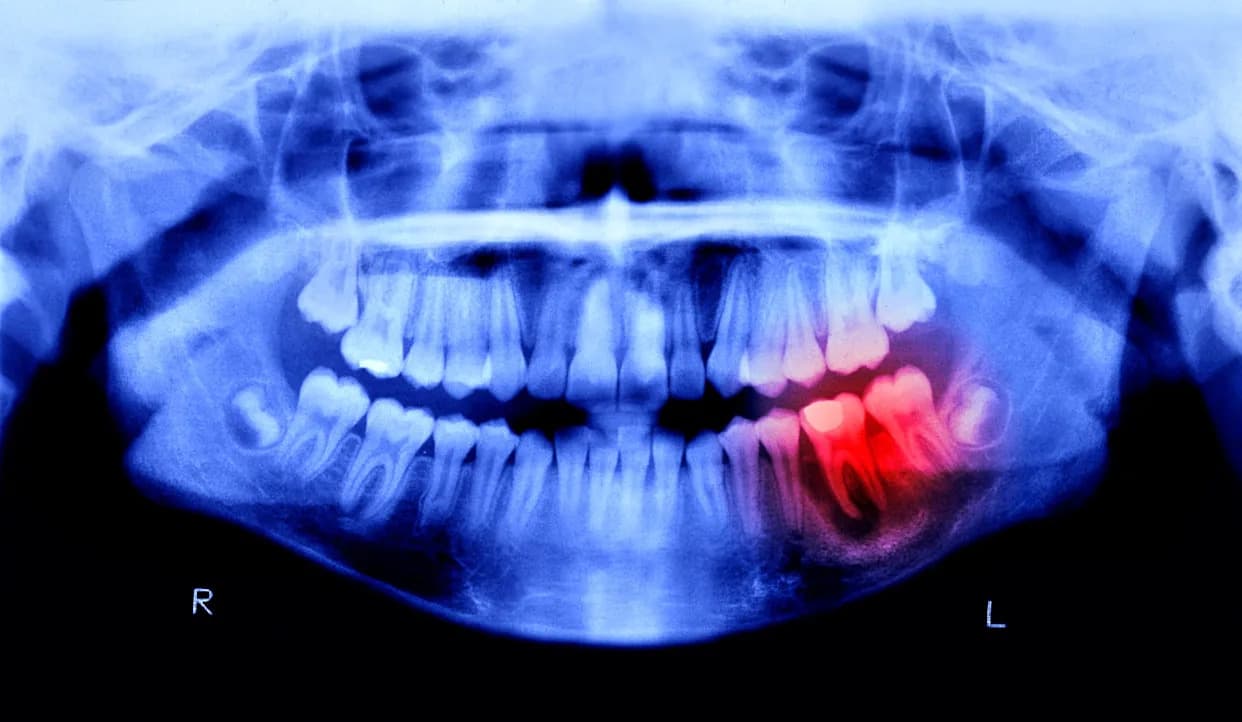
Humans May Be Able to Grow New Teeth in 4 YearsPeter Dazeley - Getty Images
Researchers in Japan have launched the first human clinical trial of an experimental drug designed to stimulate new tooth formation. If the approach proves safe and effective in people, the team hopes a tooth‑regrowth medicine could become available more widely by around 2030.
Teeth are not bones: although they contain some of the same minerals and proteins and are protected by enamel—the hardest substance in the body—they do not naturally regenerate after loss. That inability leaves millions worldwide living with partial or complete tooth loss, with limited options beyond dentures, bridges or implants.
The new approach targets a protein regulator called Uterine Sensitization–Associated Gene‑1 (USAG‑1), which animal studies have shown can inhibit tooth development. In 2021, researchers at Kyoto University identified a monoclonal antibody that blocks the interaction between USAG‑1 and bone morphogenetic proteins (BMPs), signaling molecules that play key roles in tooth formation. Preclinical experiments in mice and ferrets reported stimulated tooth growth and did not show treatment‑related side effects.
“We want to do something to help those who are suffering from tooth loss or absence,” said Katsu Takahashi, head of dentistry at the medical research institute of Kitano Hospital in Osaka and a co‑author on the Kyoto University study. “While there has been no treatment to date providing a permanent cure, we feel that people’s expectations for tooth growth are high.”
Human testing began in September 2024. The first trial is an 11‑month, early‑phase study enrolling 30 men aged 30–64 who are each missing at least one tooth. The monoclonal antibody is being administered intravenously to evaluate safety, dosage and preliminary efficacy. Investigators stress that while animal results are promising, safety and effectiveness must be established in humans before any broader use.
If adult trials are successful, the research team plans a subsequent study in children aged 2–7 who are missing multiple teeth (the current plan focuses on kids missing four or more teeth), with a long‑term goal of making a tooth‑regrowth therapy available by about 2030. Initially the trials concentrate on congenital tooth deficiency, but researchers hope the method could ultimately benefit anyone who has lost teeth.
Experts caution that many hurdles remain: larger and longer studies will be required to confirm sustained tooth development, functional integration with the jaw, possible side effects, and how the treatment might work alongside current dental care. Still, the move into human trials marks an important step toward potentially transforming dental treatment for millions worldwide.
Help us improve.