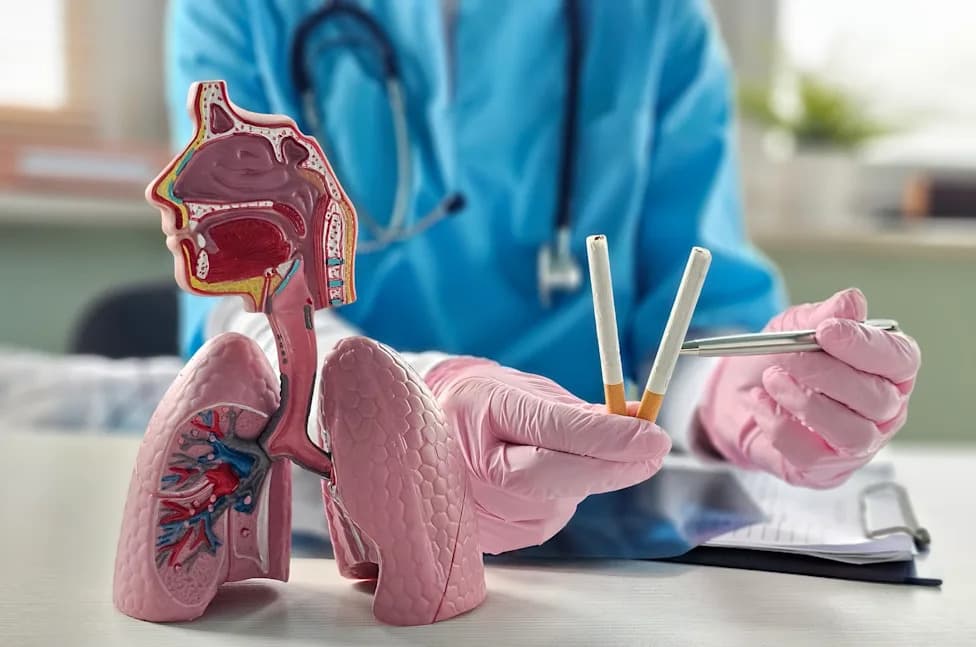
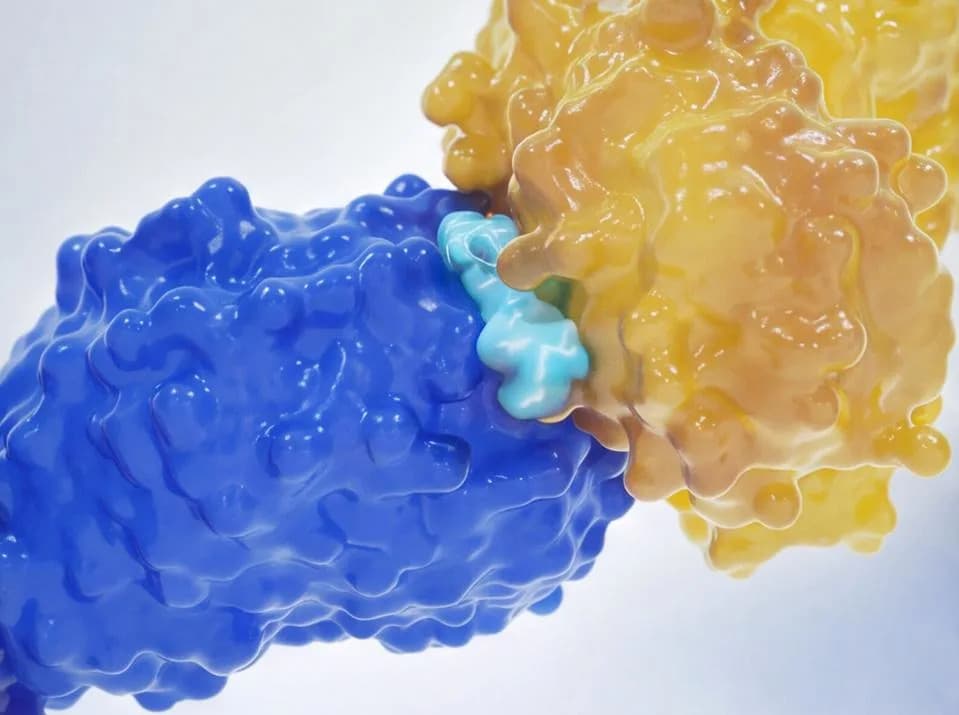
The RMIT team has developed molybdenum‑oxide "nanodots" that selectively increase oxidative stress in cancer cells, prompting apoptosis while largely sparing healthy cells. In lab tests on cultured cells, the particles killed cervical cancer cells at about three times the rate of healthy cells over 24 hours after the nanodots were tuned with trace hydrogen and ammonium. The approach uses a common metal oxide—potentially lowering cost and toxicity—but remains at the cell‑culture stage; next steps are animal testing, tumour‑specific activation and scalable manufacturing.
RMIT "Nanodots" Target Tumours: Tiny Molybdenum‑Oxide Particles Trigger Cancer Cell Self‑Destruction

Cancer treatment breakthrough uses tiny metal particles to target tumours
Researchers at RMIT University in Melbourne report a promising early-stage advance in targeted cancer therapy using engineered molybdenum‑oxide nanoparticles they call "nanodots." In laboratory tests on cultured cells, these tiny particles selectively increased stress in cancer cells and triggered programmed cell death while largely sparing healthy cells.
How the Nanodots Work
Mechanism: The nanodots are made from molybdenum oxide. Subtle changes to their chemical composition cause them to generate reactive oxygen species (ROS) — unstable oxygen molecules that damage vital cellular structures. Because cancer cells typically operate with higher baseline stress, the extra oxidative stress pushes them past a survival threshold and induces apoptosis, the body's programmed cell‑death process.
Key Findings
In vitro experiments showed that the nanodots killed cervical cancer cells at roughly three times the rate observed in healthy cells over a 24‑hour period. The team achieved this selectivity by fine‑tuning the nanodots' composition, adding trace amounts of hydrogen and ammonium to increase ROS generation.
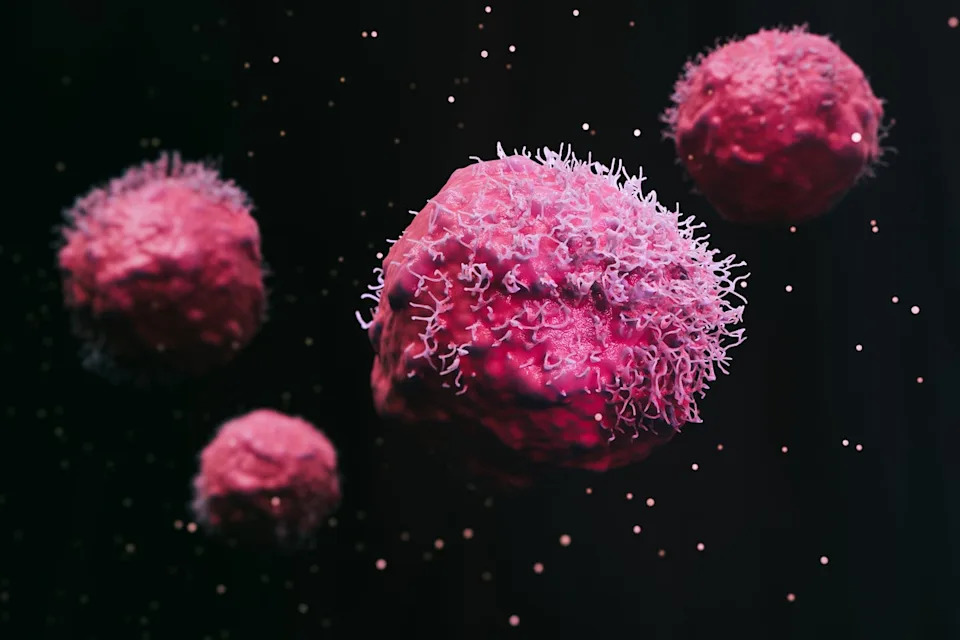
Researchers have shared a groundbreaking development in cancer treatment research (Getty Images)
Advantages And Next Steps
Compared with many existing therapies that damage healthy tissue, this approach aims to exploit intrinsic vulnerabilities of cancer cells for greater selectivity. Because the particles are based on a widely available metal oxide rather than expensive or potentially toxic noble metals (such as gold or silver), the method may offer cost and safety advantages if later tests confirm its promise.
The researchers emphasize that the work is at an early stage: results so far are limited to cell cultures. Planned next steps include refining tumour‑specific activation so nanodots become active only inside cancers, conducting animal studies to assess efficacy and safety in vivo, and developing scalable manufacturing methods.
Limitations: In vitro selectivity does not guarantee the same effect in animals or humans. Delivery, biodistribution, clearance, and long‑term safety must be thoroughly evaluated in preclinical and clinical studies.
The RMIT team is continuing to develop the technology and address these important translational challenges.
Help us improve.