Researchers at the Francis Crick Institute created a lung‑on‑a‑chip from cells derived from a single human stem cell to study early Mycobacterium tuberculosis infection. The chip showed macrophages forming necrotic cores and endothelial and epithelial barriers collapsing within five days of exposure. Gene editing (ATG14 deletion) made macrophages more vulnerable and increased bacterial uptake. The platform could reduce reliance on animal models and enable personalized testing of therapies.
New Lung‑On‑A‑Chip Built From One Human Stem Cell Reveals How Tuberculosis Breaches Lung Defenses

This ‘Lung-on-a-Chip’ May Help Fight TuberculosisJ Studios - Getty Images
Scientists have built a living model of the lung’s air sacs using cells derived from a single human stem cell to study how Mycobacterium tuberculosis—the bacterium that causes TB—evades early immune defenses. The study, led by researchers at the Francis Crick Institute and published in Science Advances, offers a window into the critical early phase of infection and demonstrates how quickly TB can undermine lung tissue.
Why This Matters
Although often thought of as a disease of the past, tuberculosis remains the world’s deadliest infectious disease: the World Health Organization reported 10.7 million infections and 1.23 million deaths in 2024. While cases in some high-income countries are rising, TB’s heaviest burden remains in poorer regions, highlighting stark health inequalities.
How The Lung‑On‑A‑Chip Works
Organ‑on‑a‑chip technology combines living human cells with microengineered structures to recreate organ surfaces and cell interactions. The Crick team constructed a lung‑on‑a‑chip that reproduces the air‑surface interface of lung alveoli and seeded it with immune cells—macrophages—before exposing the system to M. tuberculosis. Because every cell on the chip is derived from a single stem cell, researchers can produce genetically identical platforms for controlled experiments.
Key Findings
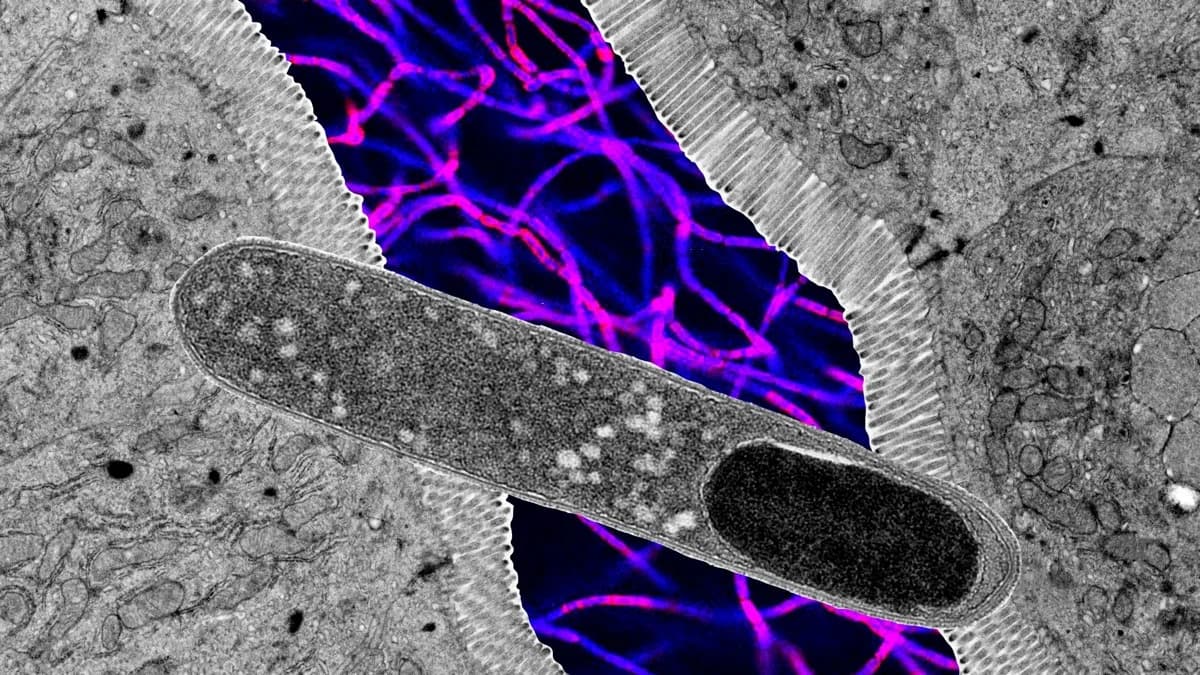
When infected, macrophages on the chip formed compact clusters that developed necrotic cores—areas of dead cells surrounded by surviving immune cells. Within five days of exposure, the endothelial and epithelial barriers that protect the air sacs had already collapsed, showing how rapidly TB can compromise first‑line defenses.
“The air sacs in the lungs are a critical first barrier against infections in humans, but we’ve traditionally relied on animal models,” said Max Gutierrez, senior author of the study. “This human‑derived system helps bridge important differences between animal and human immune responses.”
Genetics And Immune Response
The platform allowed the team to edit genes and test their effects in a controlled, human context. Removing the ATG14 gene, which helps clear damaged cellular material, made macrophages more prone to cell death under resting conditions and increased their uptake of TB bacteria after infection—confirming ATG14’s role in maintaining immune resilience.
Implications
This lung‑on‑a‑chip can be used to explore how genetic variation affects susceptibility to TB, to screen antibiotics and other therapies, and to study a wide range of respiratory diseases. By providing a human‑derived alternative to animal experiments, the technology could accelerate development of personalized treatments that account for a patient’s genetic profile.
Study reference: Published in Science Advances by a team at the Francis Crick Institute (lead authors: Max Gutierrez and Jakson Luk).
Help us improve.