Animal studies show the blood-pressure drug rilmenidine can mimic cellular effects of caloric restriction and extend lifespan in C. elegans, with related gene-expression changes seen in mouse kidney and liver. The drug’s benefit depends on a receptor called nish-1. Although rilmenidine is already prescribed and generally well tolerated, human trials are needed to confirm benefits and safety. Observational data on metformin add context that repurposed drugs might influence longevity, but causation remains unproven.
Common Blood-Pressure Drug Rilmenidine Extends Lifespan and Slows Ageing in Animal Studies

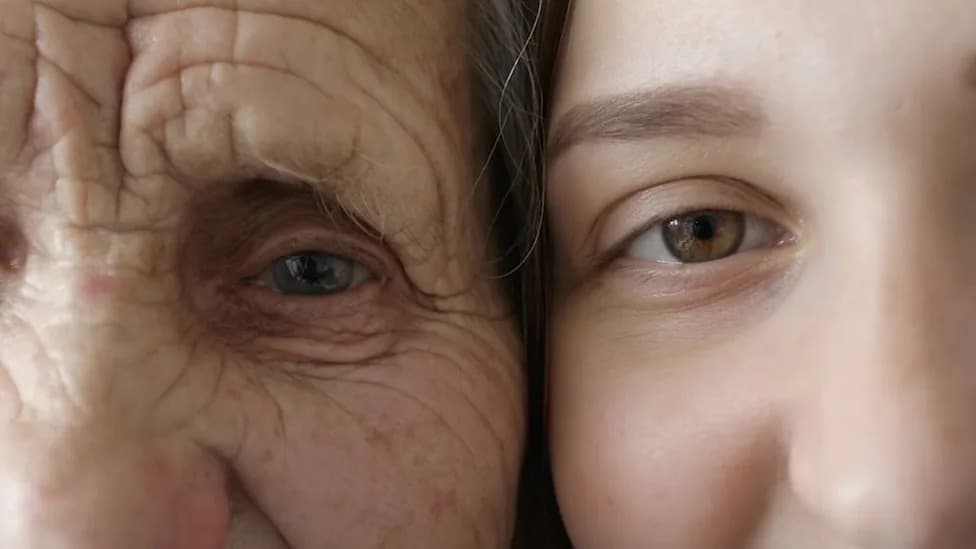
High-contrast image of a young-looking hand holding an elderly person's hand, on a light green background
Researchers report that the antihypertensive drug rilmenidine can slow biological ageing and extend lifespan in animal models — a discovery that, if confirmed in humans, could one day help people live longer and healthier lives.
What the Research Found
Laboratory experiments show rilmenidine mimics some cellular effects of caloric restriction — a state of reduced available energy (without malnutrition) that has been linked to longer life across multiple species. In a 2023 study, both young and old Caenorhabditis elegans worms treated with rilmenidine lived longer and scored better on several health measures, similar to worms under calorie restriction.
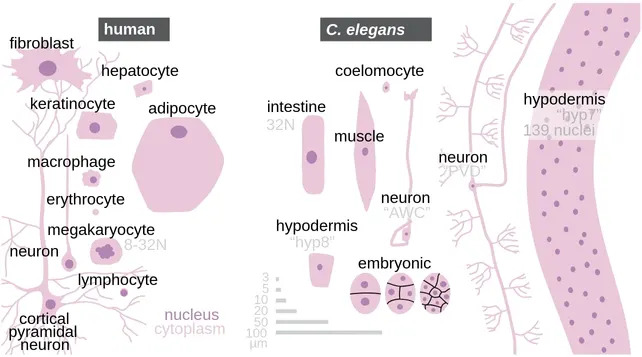
Some human cell types and their nuclei on the left, compared to cells fromC. eleganson the right. (J.J.Froehlich/CC BY-SA 4.0/Wikimedia Commons)
Follow-up tests in mice revealed rilmenidine produced gene-expression changes in kidney and liver tissues that resemble the molecular signature of caloric restriction. These mechanistic findings strengthen the hypothesis that the drug acts as a calorie-restriction mimetic at a cellular level.
Key Mechanism: The nish-1 Receptor
The team identified a signalling receptor named nish-1 as essential to rilmenidine’s longevity effects. Deleting nish-1 abolished the lifespan extension, and restoring the receptor reinstated the benefit, highlighting nish-1 as a plausible therapeutic target for future anti-ageing interventions.

Subscribe to ScienceAlert's free fact-checked newsletter
“For the first time, we have been able to show in animals that rilmenidine can increase lifespan,” said molecular biogerontologist João Pedro Magalhães (University of Birmingham). “We are now keen to explore if rilmenidine may have other clinical applications.”
Safety, Context and Human Relevance
Rilmenidine is orally administered, widely prescribed for high blood pressure, and generally associated with rare, mostly mild side effects (reported effects include palpitations, insomnia and drowsiness in some patients). Because it is an approved medication with an established safety profile in hypertensive patients, rilmenidine is an attractive candidate for repurposing.
However, results in worms and mice do not guarantee the same outcomes in humans. Translating longevity findings from invertebrates and rodents to people is challenging; human clinical trials (ideally randomized controlled trials) are required to evaluate efficacy, dosing and long-term safety for non-hypertensive uses.

Rilmenidine is normally used to treat high blood pressure. (Prostock-studio/Canva)
Related Observational Evidence
The report places rilmenidine in a broader context of drug repurposing for ageing. For example, observational research in the US and Germany suggested metformin — a common diabetes drug — was associated with a lower risk of death before age 90 among a group of postmenopausal women. That analysis used 438 records (roughly half on metformin, half on a sulfonylurea) and found an estimated 30% lower risk of dying before 90 in the metformin group. Because it was observational (not randomized), the study cannot prove cause and effect.
Takeaway and Next Steps
While rilmenidine’s effects on lifespan and cellular ageing in animals are promising, rigorous clinical research is needed to determine whether these benefits translate to humans and whether long-term use for ageing-related indications is safe and effective. Researchers plan further preclinical work and ultimately clinical trials to evaluate potential therapeutic applications.
Publication: The animal study was published in the journal Aging Cell. An earlier version of the article appeared in January 2023.
Help us improve.