Colorado Gov. Jared Polis has signaled he may consider commuting the sentence of 70-year-old Tina Peters, a former clerk convicted in a 2024 election-related data breach. Peters' legal team is appealing her convictions at the Colorado Court of Appeals while President Trump issued a symbolic federal pardon that does not affect state charges. The possibility of clemency has drawn bipartisan concern from election officials and intensified federal-state tensions amid allegations of retaliation by the White House.
Polis Signals Openness To Clemency As Tina Peters Appeals Conviction

Tina Peters, the former Mesa County Clerk, reacts to early election returns during a primary night watch party for her campaign for Colorado secretary of state in Sedalia, Colorado, on June 28, 2022. - Marc Piscotty/Getty Images/File
Colorado Gov. Jared Polis has publicly signaled he is considering clemency for former Mesa County clerk Tina Peters, who is appealing her 2024 convictions in a high-profile election-related case. Peters, 70, is serving a nine-year sentence for felonies tied to a 2021 data breach of county election systems and has become a cause célèbre among 2020 election deniers.
Appeals, Pardons and Potential Commutation
Peters' legal team has asked the Colorado Court of Appeals to overturn her convictions; a three-judge panel heard arguments this week and could take months to issue a decision. Last month, former President Donald Trump issued a symbolic federal pardon for Peters — a move that has no legal effect on state convictions or sentences but has energized her supporters.

Colorado Gov. Jared Polis looks on during the opening plenary session at the 2024 summer meeting of the National Governors Association, Thursday, July 11, 2024, in Salt Lake City. - Rick Bowmer/AP
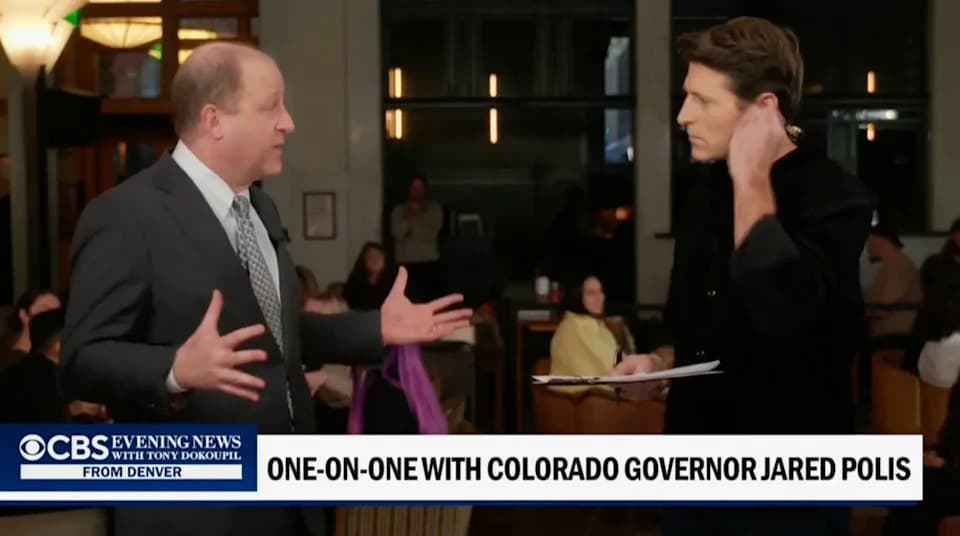
Gov. Polis, who is in his final year in office, told CBS Colorado he is "looking at this across a number of people — people in their 70s and 80s in our system" and is weighing public safety against the possibility of allowing elderly inmates to "spend their last few years at home." Polis described Peters' sentence as "harsh," the strongest public indication yet that he might consider commuting her remaining term.
Legal And Correctional Details
Peters was convicted in 2024 of multiple felonies, including first-degree official misconduct and attempting to influence a public servant, after a jury in Mesa County found she participated in an effort to access election equipment and data. The trial judge described her in sentencing as "a charlatan" and said she was "as defiant as any defendant this court has ever seen." Peters maintains her actions were lawful attempts to preserve federal election records and denies criminal intent.

Colorado Attorney General Phil Weiser pauses during an interview with The Associated Press on November 21, 2024, in Philadelphia. - Matt Slocum/AP/File
According to the Colorado Department of Corrections, Peters is serving her sentence at a women's facility in Pueblo and is scheduled for a parole hearing in September 2028. Officials note, however, that under Colorado's earned-time and parole rules she could become eligible for transfer to a halfway house or similar program as early as this November.
Political Fallout And Federal-State Tensions
The prospect of clemency has provoked bipartisan concern among local election officials, who warn that releasing Peters could further erode public confidence in election administration. Matt Crane, who leads the Colorado County Clerks Association, said Peters' sentence "was not harsh by any reasonable standard" and that clemency for an "unrepentant" official who sought to undermine elections would be troubling.
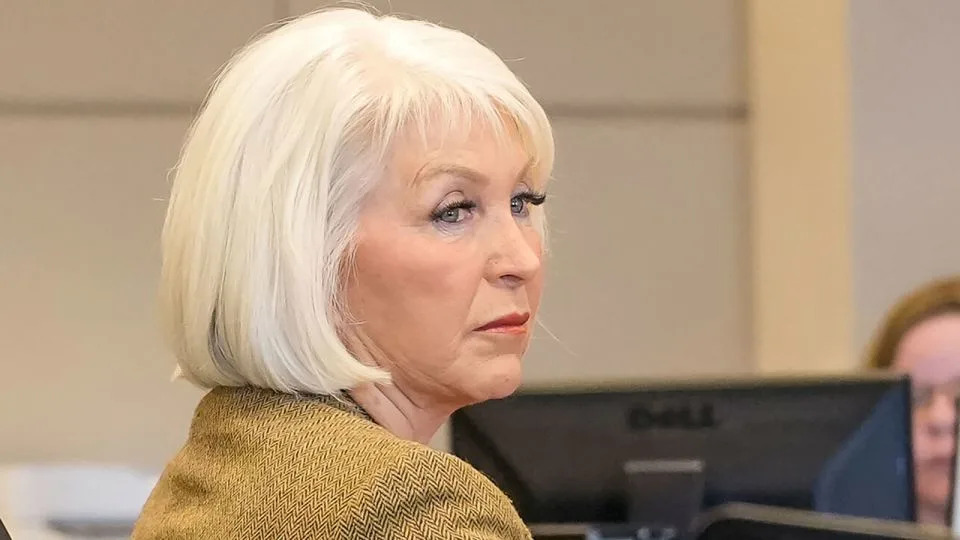
Tina Peters listens during her trial, on March 3, 2023, in Grand Junction, Colorado. - Scott Crabtree/AP/File
Colorado Attorney General Phil Weiser — who is defending the convictions on appeal and is running for governor — opposes clemency. He has accused the Biden administration's political opponents in Washington of mounting a "revenge campaign" against the state. In a revised federal lawsuit, Weiser alleges a string of actions by the Trump administration were retaliatory, including closing a Colorado climate lab, denying federal disaster assistance, withholding transportation funds, vetoing a water project, and relocating U.S. Space Command. The White House has denied politicizing those decisions, saying they are lawful and discretionary.
Trump also publicly pressured Colorado officials to release Peters, and his social-media posts prompted increased threats against state officials, according to people familiar with the matter. The clash has intensified a broader debate about federal-state relations, the limits of presidential pardons, and how to balance punishment, public safety, and clemency for elderly inmates.
Defense Arguments And The Appeals Process
Peters' lead appellate lawyer, Patrick McSweeney, told reporters his client was "overjoyed" by Trump's pardon and that the defense believes it will strengthen their legal arguments despite having no effect on state charges. McSweeney has also argued that trial-court rulings unfairly restricted Peters' ability to present evidence of her state of mind and to show she lacked criminal intent.
The Colorado Attorney General's Office has defended the trial outcome and defeated Peters' recent bid to be released while appeals proceed. A three-judge panel at the Colorado Court of Appeals will now consider whether to uphold the convictions; any decision could take months.
Context: The case underscores tensions between proponents of strict accountability for those who sought to subvert the 2020 results and voices urging mercy for older inmates. It also illustrates how presidential actions that are symbolic at the federal level can complicate state prosecutions and political dynamics.
Help us improve.