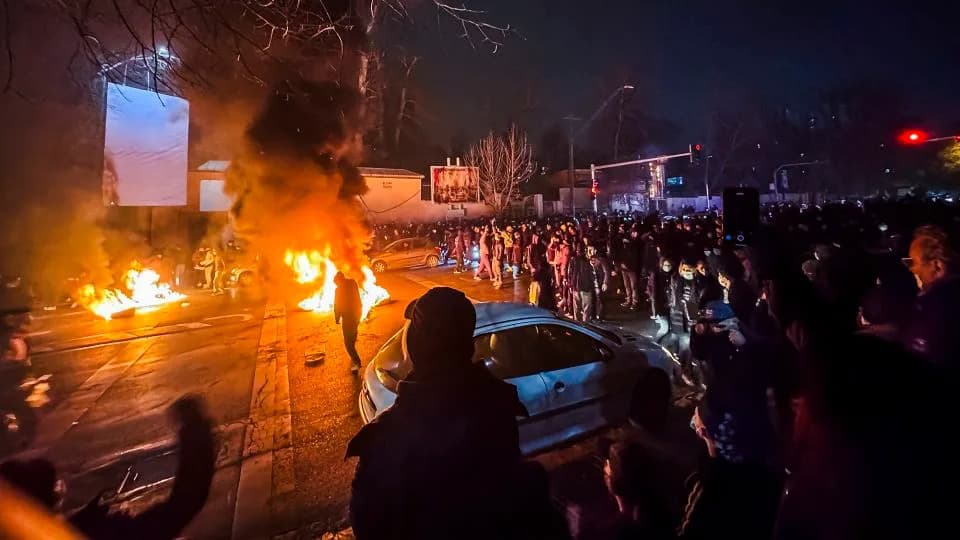
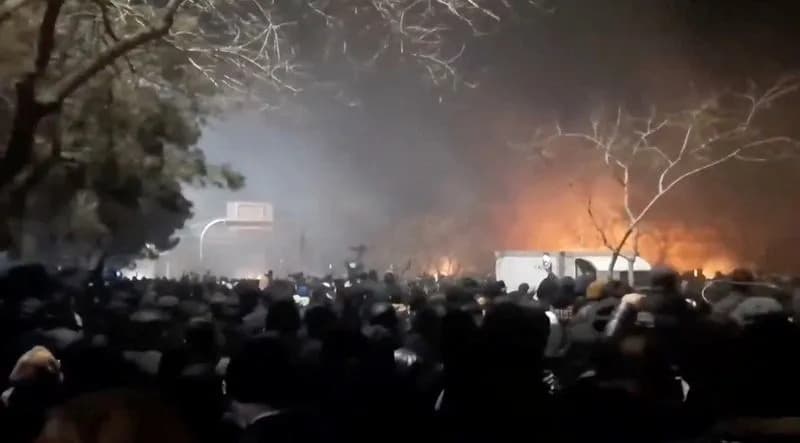
Ali Khamenei, Iran's 86-year-old Supreme Leader, faces renewed nationwide protests that analysts call his most serious test in decades. Although he has survived past uprisings and a recent 12-day confrontation with Israel, rights groups report a deadly crackdown and the International Crisis Group warns the regime's reliance on coercion has not addressed underlying grievances. Questions about succession, elite cohesion and a high-profile family rift deepen uncertainty about the Islamic Republic's future.
Khamenei's Crucible: Iran's Supreme Leader Faces His Toughest Test in Decades
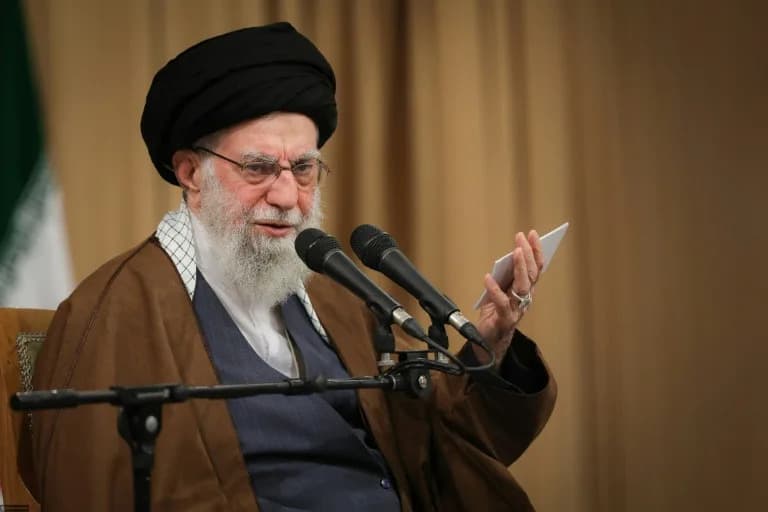
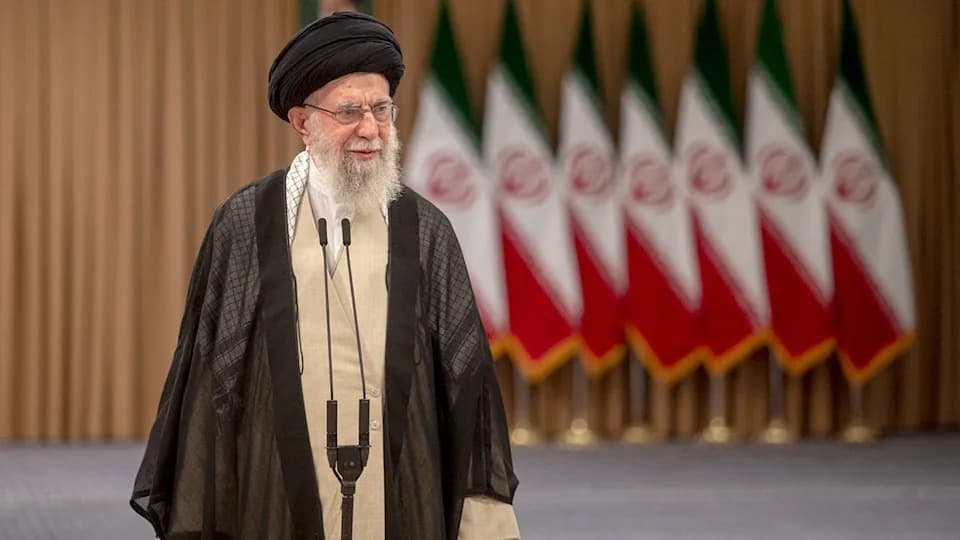
Ayatollah Ali Khamenei has dominated Iran for decades (-)(-/KHAMENEI.IR/AFP)
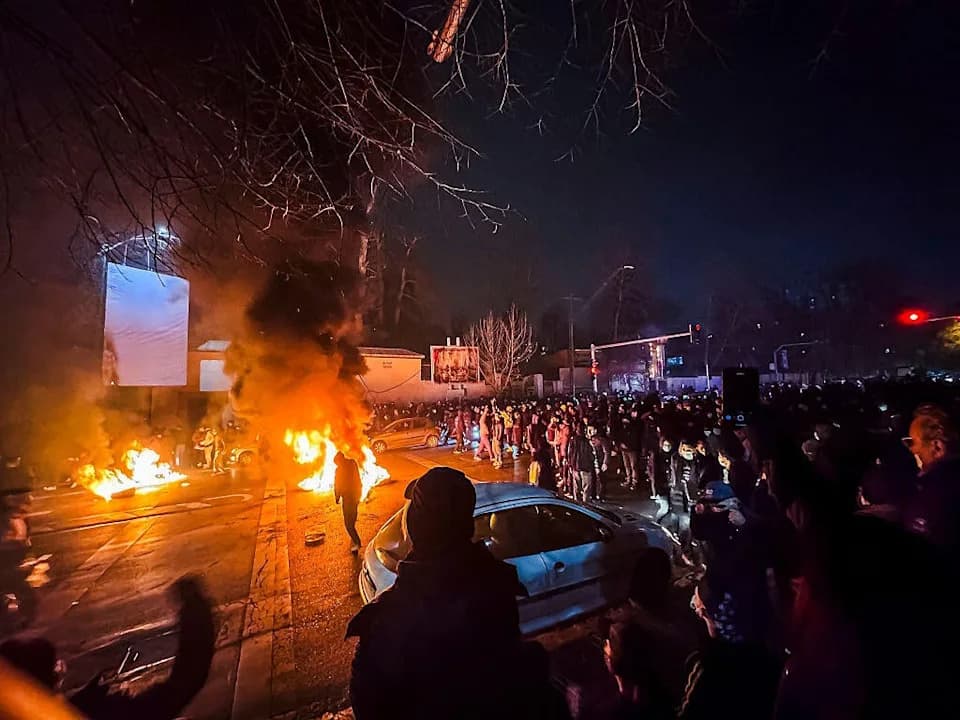
Ali Khamenei, 86, has steered the Islamic Republic for more than three decades as Iran's Supreme Leader. Long adept at blending repression with tactical manoeuvring, he now confronts a renewed wave of nationwide unrest that analysts say could be the most serious challenge of his rule.
A Record of Surviving Crises
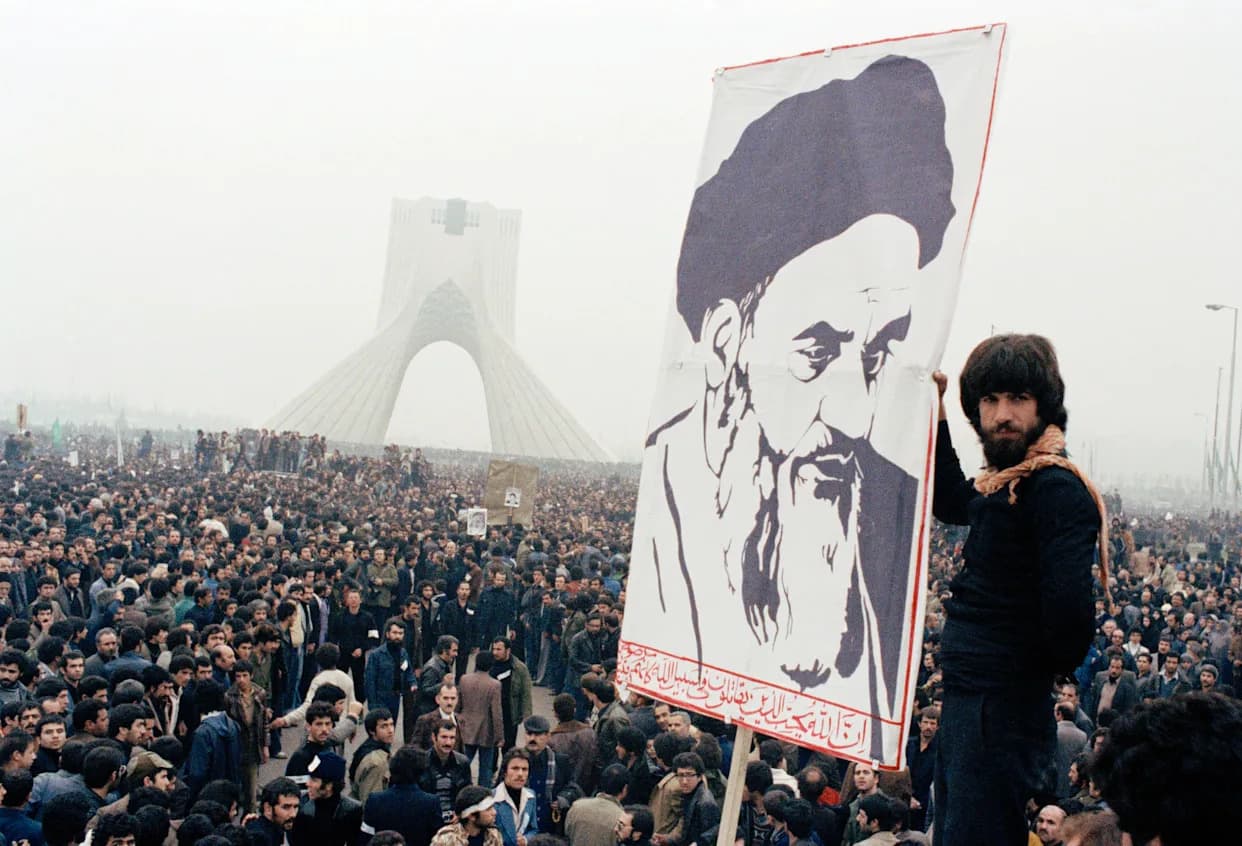
Since his appointment as Supreme Leader in 1989 following the death of Ayatollah Ruhollah Khomeini, Khamenei has weathered a string of major protests and political shocks — from the 1999 student demonstrations and the disputed 2009 presidential election protests to the 2019 unrest and the 2022–2023 "Woman, Life, Freedom" movement sparked by Mahsa Amini's death in custody.
He also went into hiding during a brief but intense 12-day military confrontation with Israel in June that exposed significant foreign intelligence penetration and led to the loss of senior security figures. He re-emerged and, amid fresh protests, delivered a defiant recorded speech denouncing demonstrators as "a bunch of vandals" allegedly backed by the United States and Israel.
Why This Moment Is Different
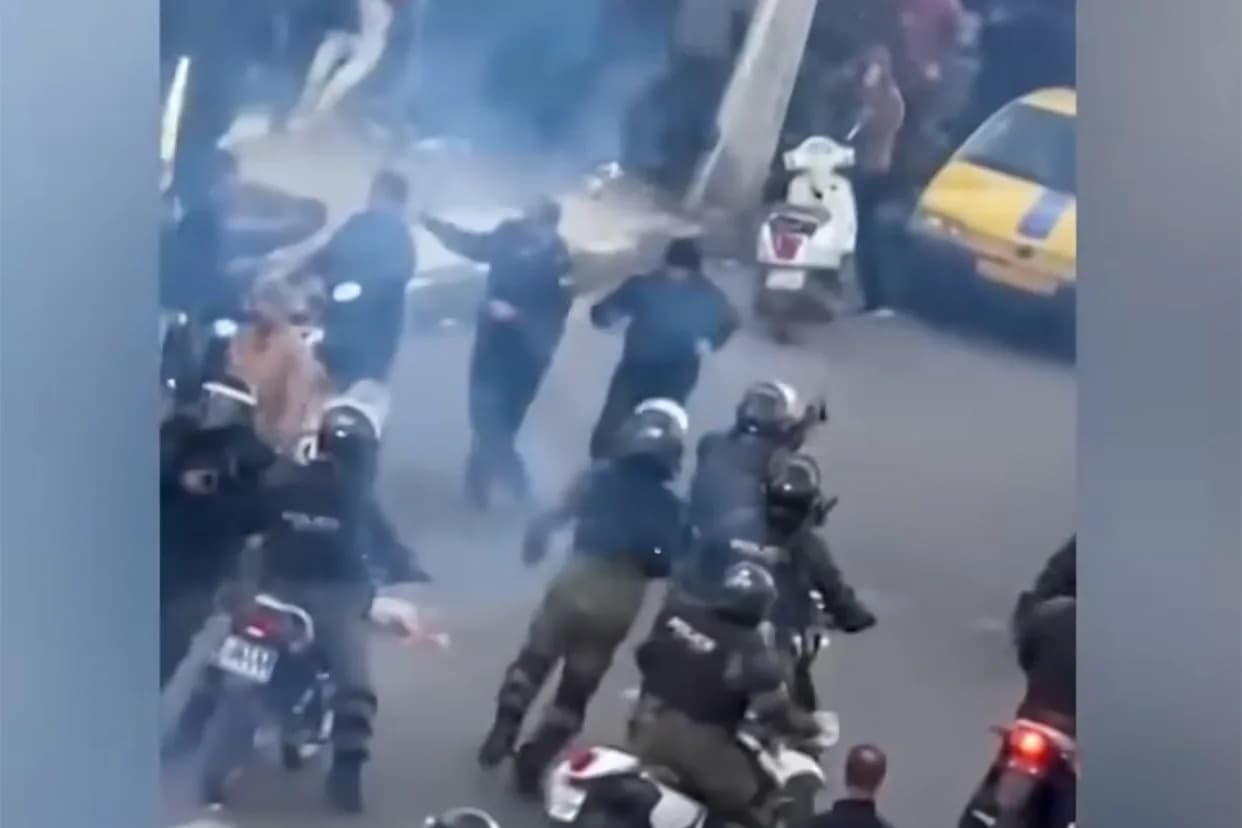
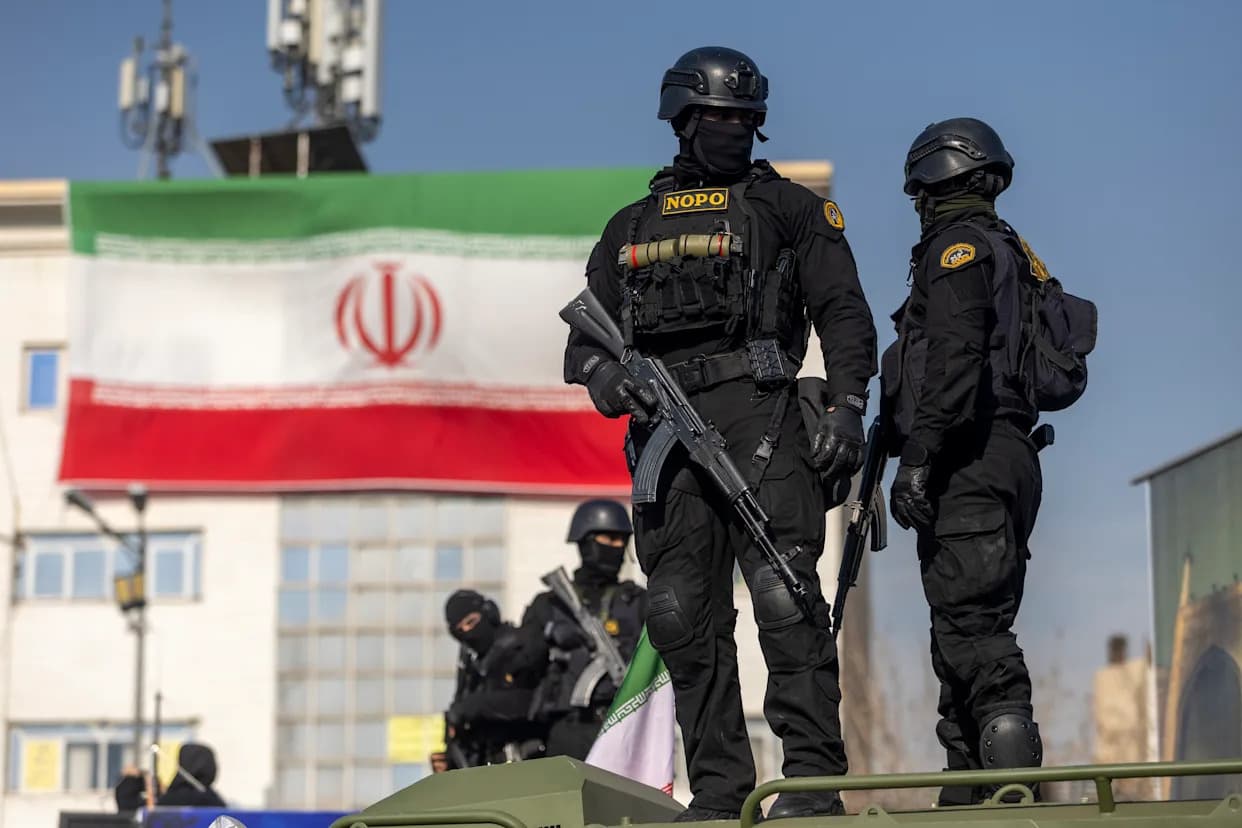
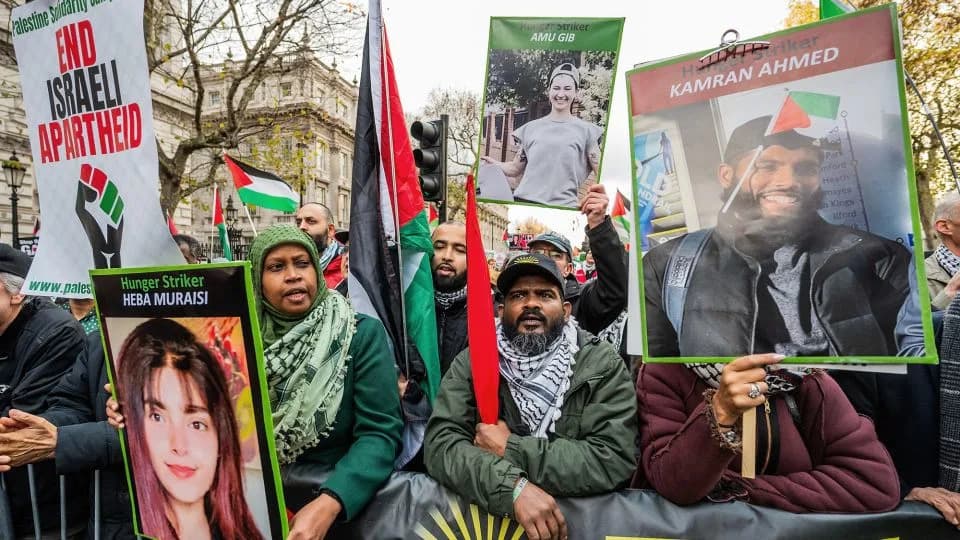
Rights groups report that the state's recent security response has been especially brutal, with thousands alleged killed — a figure the government disputes. Analysts and organisations such as the International Crisis Group warn that repeatedly relying on coercion has bought short-term stability but failed to address deep-rooted grievances, leaving the regime vulnerable when unrest recurs.
"Everyone knows the Islamic republic came to power with the blood of hundreds of thousands of honourable people, it will not back down in the face of saboteurs," Khamenei said in his recent address.
Personal and Institutional Context
Kept under tight security amid persistent threats from foreign adversaries, Khamenei rarely appears in public and has not travelled abroad since before he became Supreme Leader. His right arm remains largely immobile after a 1981 assassination attempt, an attack Tehran long attributed to the People's Mujahedin of Iran (MEK).
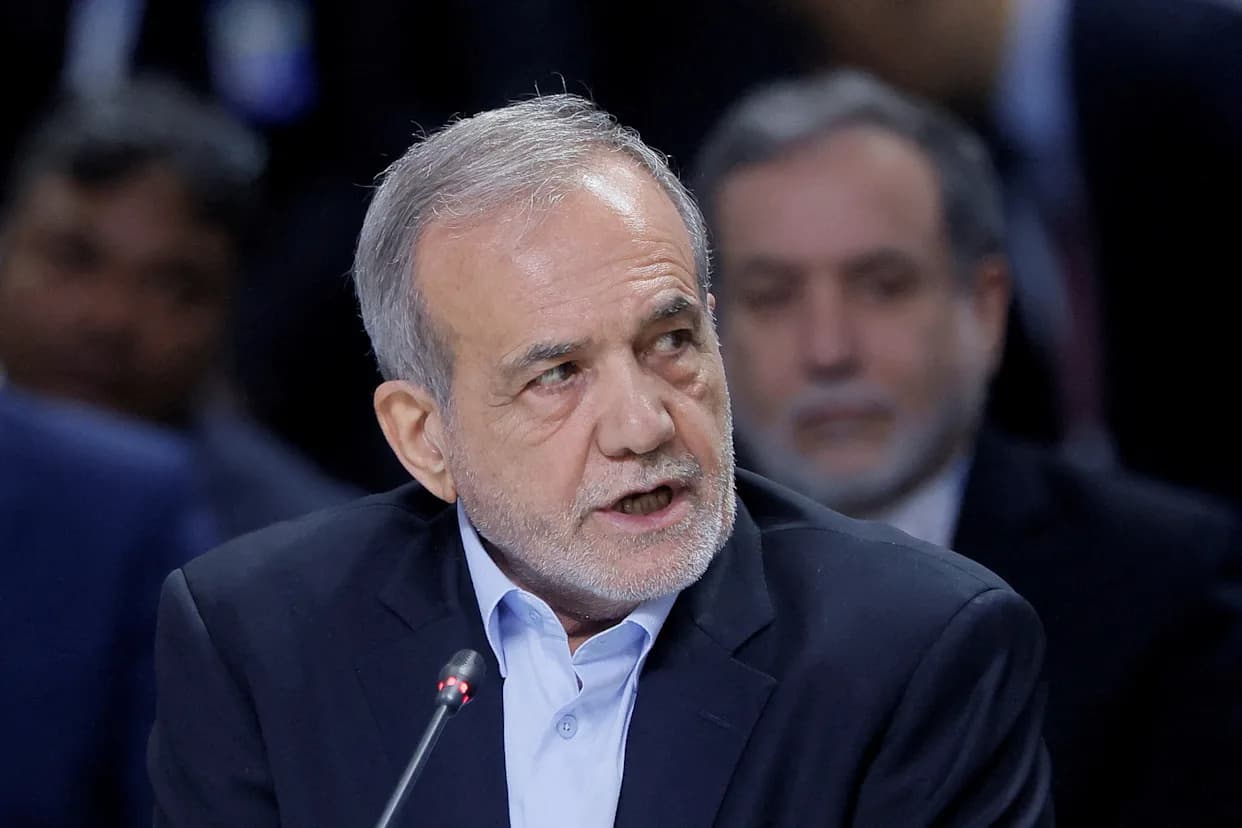
He has overseen six presidencies and generally favoured hardline policies, maintaining core regime positions such as confrontation with the United States and refusal to recognise Israel. Questions about succession, his age, and a publicised family rift — including the prominence and U.S. sanctions on his son Mojtaba and the exile of his sister Badri — add layers of uncertainty about the regime's future direction.
What To Watch
Observers will be watching whether the authorities can suppress protests without further eroding public legitimacy, how internal elite cohesion holds up under pressure, and whether any changes to policy or leadership dynamics follow this crisis.
Help us improve.