The Trump administration canceled about 2,000 SAMHSA grants—nearly $2 billion and roughly a quarter of the agency’s discretionary budget—by issuing immediate termination notices signed by Christopher Carroll. Affected programs include opioid treatment, mental-health care, prevention and peer-support services; providers report immediate layoffs and canceled trainings. Some core funding streams such as certain block grants, 988 lifeline support and CCBHC funding appear to be spared, but many community programs face uncertain futures.
Trump Administration Abruptly Cancels Nearly $2 Billion in Mental-Health and Addiction Grants
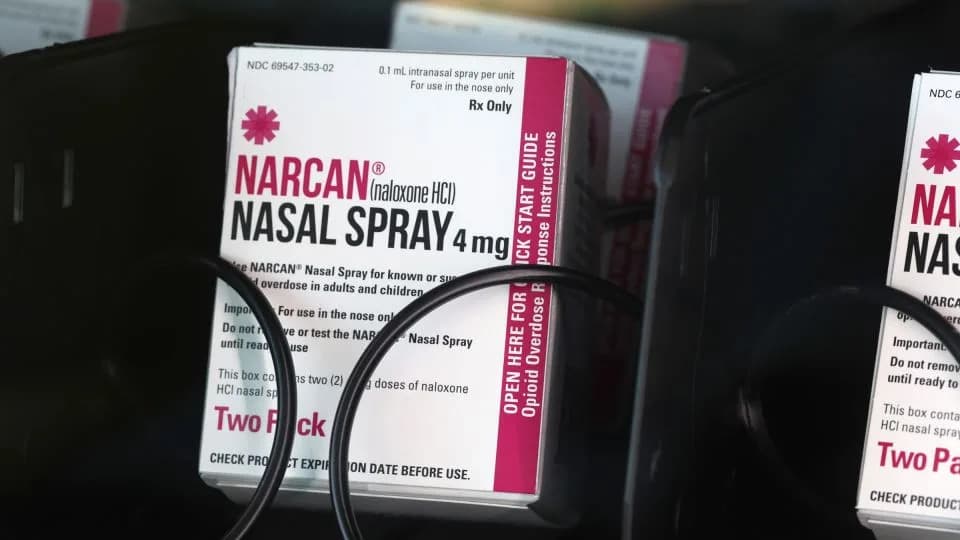
The funding cuts jeopardize programs that give direct mental health services, opioid treatment, drug prevention resources, peer support and more to communities affected by addiction, mental illness and homelessness. - Scott Olson/Getty Images
The Trump administration abruptly canceled roughly 2,000 grants from the Substance Abuse and Mental Health Services Administration (SAMHSA), removing nearly $2 billion in funding—about a quarter of the agency’s discretionary budget—and triggering immediate concerns about the availability of mental-health and substance-use services nationwide.
SAMHSA notified awardees by email late Tuesday that their grants would be terminated immediately. The termination letters, signed by SAMHSA Principal Deputy Assistant Secretary Christopher Carroll, cited a regulation permitting the agency to end any federal award that "no longer effectuates the program goals or agency priorities." Multiple notices were reviewed by The Associated Press, and NPR first reported the cancellations.
Who Is Affected
The cuts target a broad range of discretionary grants that fund opioid treatment, mental-health care, prevention programs, peer-support initiatives and services for people experiencing homelessness. National and regional programs classified as Programs of Regional and National Significance appear to be heavily impacted, according to the National Association of County Behavioral Health and Developmental Disability Directors.
Examples From Providers
Organizations across the country reported immediate consequences:
- PACT Coalition (Las Vegas) lost three grants totaling $560,000, according to CEO Jamie Ross.
- The Baker Center for Children and Families (Boston) lost two grants totaling $1 million, forcing staff reductions and jeopardizing care for roughly 600 families; one award was part of the National Child Traumatic Stress Initiative.
- The McShin Foundation (Richmond, Va.) lost about $1.4 million and has already laid off five staffers; CEO Honesty Liller said the cuts reduce peer visits to people incarcerated and recovering from substance use disorder.
"Without that funding, people are going to lose access to lifesaving services," said Yngvild Olsen, former director of SAMHSA's Center for Substance Abuse Treatment and a national adviser at Manatt Health.
Operational Impact and Unanswered Questions
Recipients said SAMHSA provided no additional explanation beyond the regulatory citation, leaving many bewildered about why their work was deemed inconsistent with agency priorities. Several organizations told the AP they had already cut staff and canceled trainings. Others are scrambling to shift programs to alternate funding streams, but many fear services will be scaled back or closed entirely.
HHS did not respond to requests for comment. Two SAMHSA staffers, speaking on background, said agency employees were not broadly notified of the decision in advance of the public notices.
What May Be Spared
The National Association of County Behavioral Health and Developmental Disability Directors said some core funding streams appear to have been left intact, including certain block grants, funding for the 988 suicide and crisis lifeline, and support for Certified Community Behavioral Health Clinics (CCBHCs). But those protections do not extend to many discretionary programs that deliver direct services in communities.
Advocates and providers warned that the cuts could undermine long-standing efforts to treat addiction and trauma, reduce pressure on emergency services, and erode peer-led supports that help people stay in recovery.
What’s next: Many affected organizations are assessing options—seeking alternative funders, scaling programs down, or preparing to pause services. The human impact will likely unfold over weeks and months as agencies and providers respond to the abrupt loss of funding.
Help us improve.