
2025 was a consequential off-year that reshaped the battlefield for the 2026 midterms. Major storylines included a Trump-led push for mid-decade redistricting and California’s Proposition 50 countermove, a Virginia scandal that failed to stop Democratic statewide victories, and a string of Democratic off-year upsets that built momentum despite weak national approval. Intraparty fights over strategy deepened after progressive upsets like Zohran Mamdani’s New York City win, setting the stage for a tense 2026 cycle.
2025 Shockers: Five Campaign Moments That Reshaped the Road To 2026

President Donald Trump first floated the idea of mid-decade congressional redistricting in June.
Although 2025 was technically an off-year for federal elections, the campaign trail was intense as parties and operatives positioned themselves for the looming 2026 midterms. A string of dramatic developments — from mid-decade redistricting fights to surprise primary upsets and high-profile scandals — helped redefine the battlefield for control of the House and Senate.
1) A New Front In Redistricting
In June, President Donald Trump renewed a contentious proposal to pursue mid-decade congressional redistricting in GOP-controlled states to shore up the party’s narrow House majority ahead of 2026. He singled out Texas, saying it could add "five" Republican-leaning seats. That declaration triggered a multi-state map battle that quickly became a central feature of the 2025 campaign calendar.
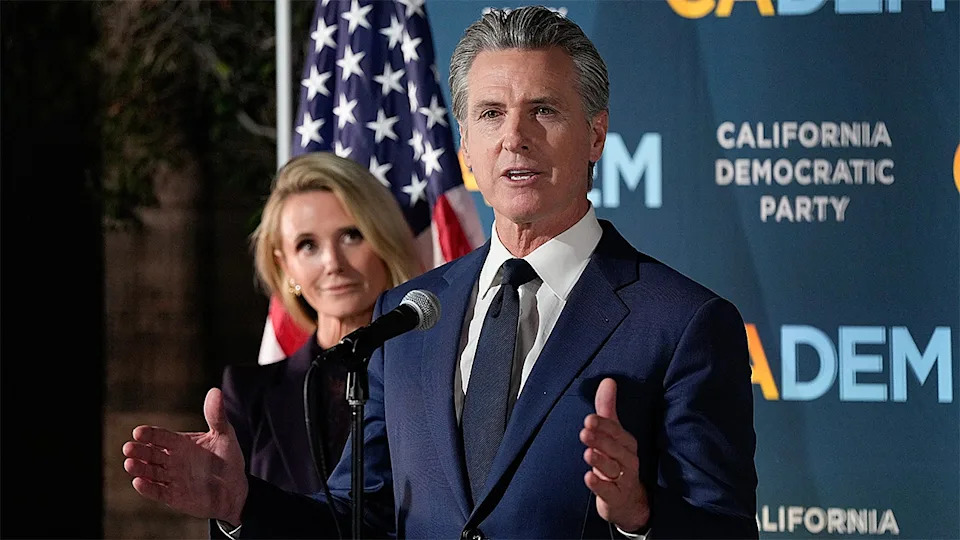
California Gov. Gavin Newsom speaks during an election night press conference at a California Democratic Party office Nov. 4, 2025, in Sacramento, Calif.
Texas Gov. Greg Abbott called a special session to push a new congressional map, but Democratic lawmakers fled the state and broke quorum for two weeks to try to stall the effort — a tactic that energized national Democratic activism. California countered with Proposition 50, passed overwhelmingly by voters, temporarily returning mapmaking power to the Democratic-dominated legislature and likely producing additional Democratic-leaning districts to offset GOP gains elsewhere.
The map fight spread: Missouri, North Carolina and Ohio adopted new Republican-leaning maps, Florida remains a target for GOP gains amid intraparty divisions in Tallahassee, and courts and legislatures in Utah, Indiana and elsewhere produced mixed results. The U.S. Supreme Court’s conservative majority allowed Texas’ map to stand, while other judicial rulings blocked some Republican-drawn maps.
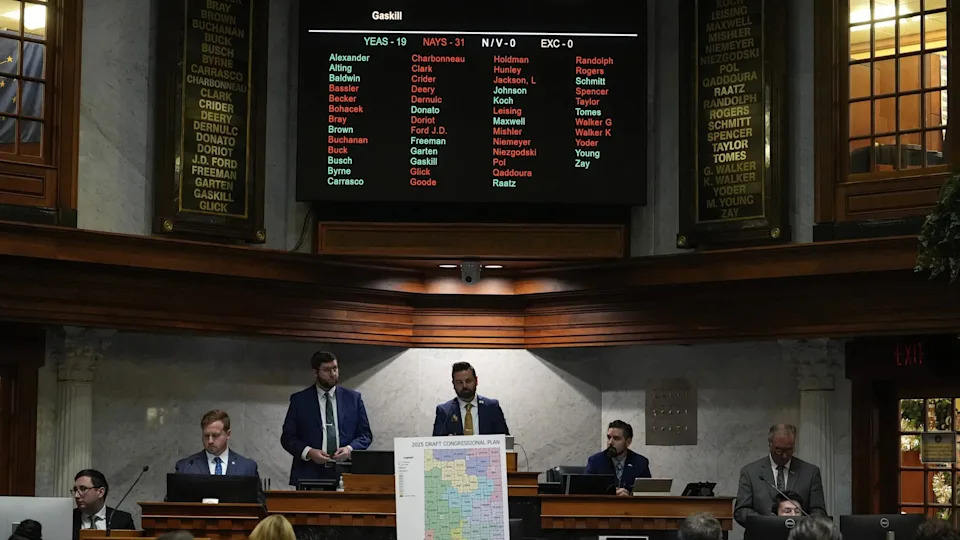
Indiana Lt. Gov. Micah Beckwith announces the results of a vote to redistrict the state's congressional map Dec. 11, 2025, at the Statehouse in Indianapolis.
2) Virginia’s Scandal — And A Democratic Sweep
Virginia’s off-year races looked vulnerable after the National Review reported controversial 2022 texts by Democratic attorney general nominee Jay Jones comparing a GOP leader to dictators and invoking violent language. Jones apologized, faced calls to withdraw, and became a campaign flashpoint used by Republicans to pressure Democrats up the ticket.
Despite the uproar, Democrats prevailed: gubernatorial nominee Abigail Spanberger won by roughly 15 points, Democrats captured the lieutenant governor’s race by about 11 points, and Jones won the attorney general contest by approximately six points — demonstrating voters’ willingness to back Democrats even amid scandal-driven headlines.
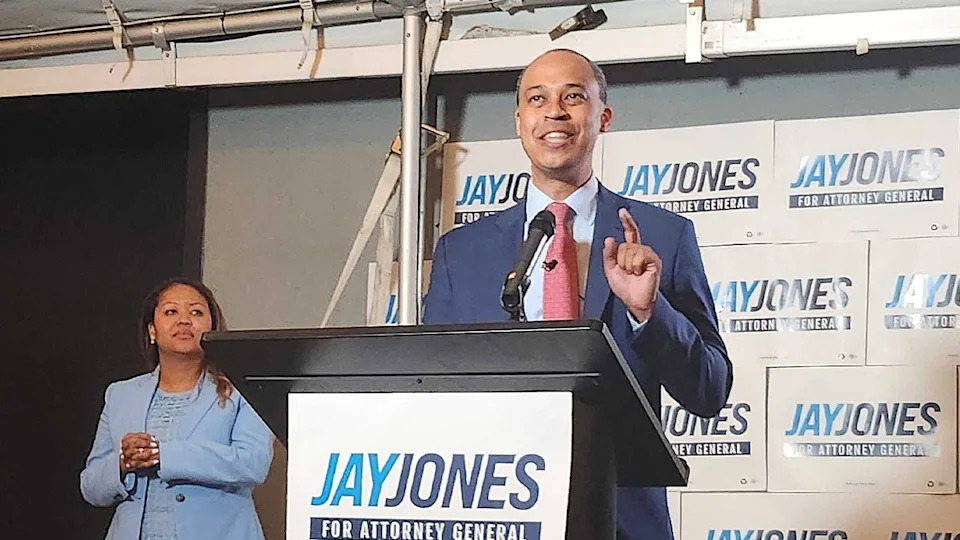
Jay Jones addresses supporters after winning the Democratic nomination for Virginia attorney general as wife Mavis Jones looks on in Norfolk June 17, 2025.
3) Democratic Upsets And Off-Year Momentum
Early in the year, Democrats turned several special and off-year contests into momentum-building wins. Eight days into President Trump’s second term, Democrat Mike Zimmer flipped a Republican-held Iowa state Senate seat in a district Trump had carried by 21 points months earlier. Democrats also prevailed in Wisconsin’s high-profile state Supreme Court race and won both of the nation’s gubernatorial contests in November — New Jersey and Virginia — by double-digit margins.
Down-ballot gains included Miami’s first Democratic mayor in 25 years and a flipped state House seat in Georgia. The Democratic National Committee reported that Democrats "won or overperformed in 227 out of 255 key elections" in 2025, signaling strong localized performance heading into 2026.
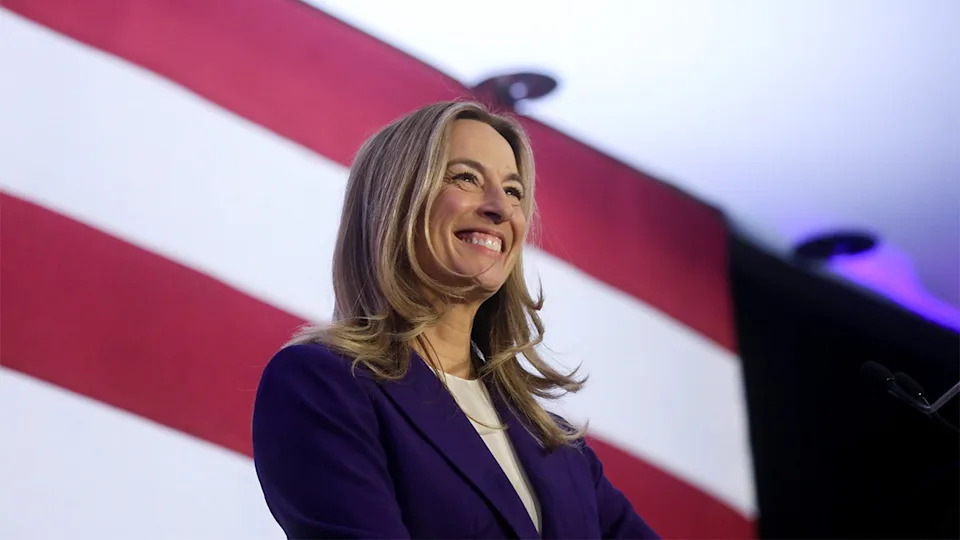
Rep. Mikie Sherrill celebrates during an election night event in East Brunswick, N.J., Nov. 4, 2025.
4) Brand Problems And Public Mood
Despite the electoral wins, national approval for congressional Democrats remained weak. A Quinnipiac University poll this month found just 18% approved of the job congressional Democrats were doing, while 73% disapproved — the lowest reading for the party in that question’s 16-year history. The disconnect between improved electoral outcomes and poor national approval posed a strategic puzzle for Democratic strategists.
5) Intraparty Tensions And Progressive Upsets
Internal Democratic debates intensified over whether to prioritize electability in swing districts or to nominate candidates who move the party leftward. The Senate campaign announcement by Rep. Jasmine Crockett in red-leaning Texas — a progressive contender — sharpened those divisions and renewed calls from centrists for more moderate statewide nominees.
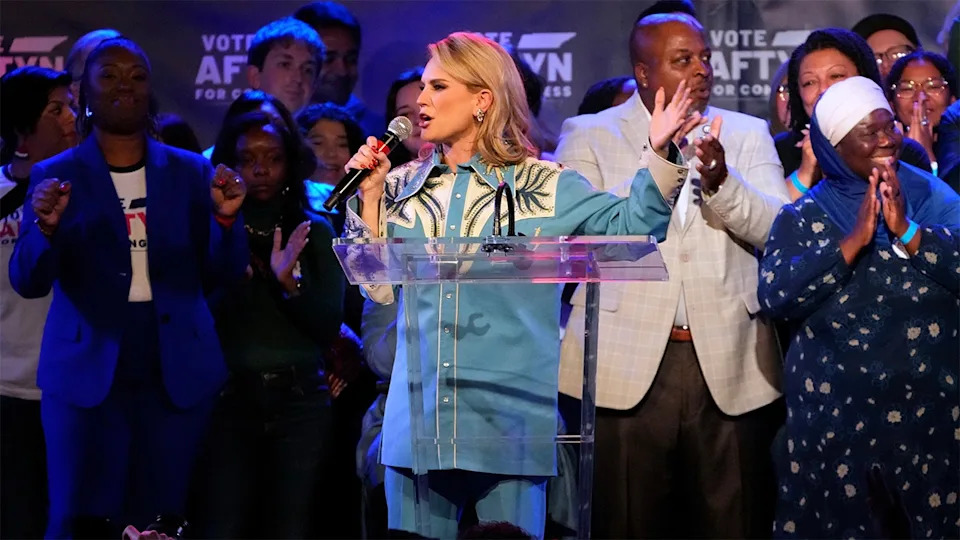
Democratic State Rep. Aftyn Behn speaks to supporters at a watch party after losing a special election for the U.S. seventh congressional district, Dec. 2, 2025, in Nashville, Tenn.
The most seismic upset came on June 24, when 34-year-old Zohran Mamdani, a democratic socialist state lawmaker, won the Democratic mayoral primary in New York City and went on to secure the general election. Mamdani’s victory energized the party’s left flank and gave Republicans rhetorical ammunition to portray Democrats as extreme, a narrative complicated by a later cordial Oval Office meeting between Mamdani and President Trump.
Taken together, the year’s redistricting battles, surprise primary results, judicial rulings and local upsets set the stage for a high-stakes 2026 midterm season. Parties on both sides will approach the next year with lessons from 2025: the importance of map-making, the power of local turnout, and the continuing tension between national brand perception and on-the-ground electoral success.


