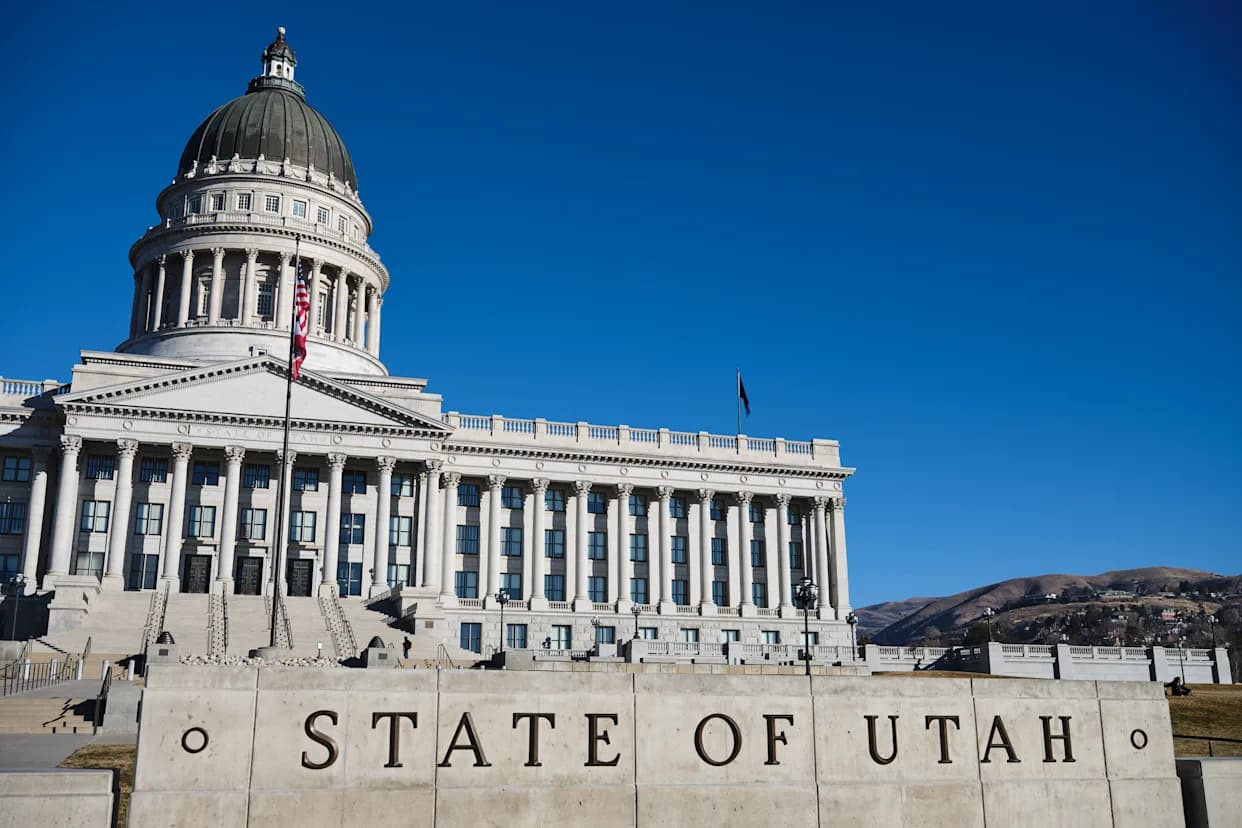
The U.S. Supreme Court’s recent reluctance to intervene in partisan redistricting disputes has shifted responsibility to state courts, where state constitutions provide alternative grounds for challenges. Missouri provides a live example: opponents gathered more than 300,000 signatures to force a referendum on a new map that Republicans say they will use while legal battles proceed. Several states have adopted or proposed new congressional maps, and state supreme courts will play a decisive role in whether those maps stand for the 2026 midterms.
As Supreme Court Pulls Back, State Courts Could Decide New Congressional Maps

Missouri Capitol Police officers conduct security checks on boxes of petition signatures.
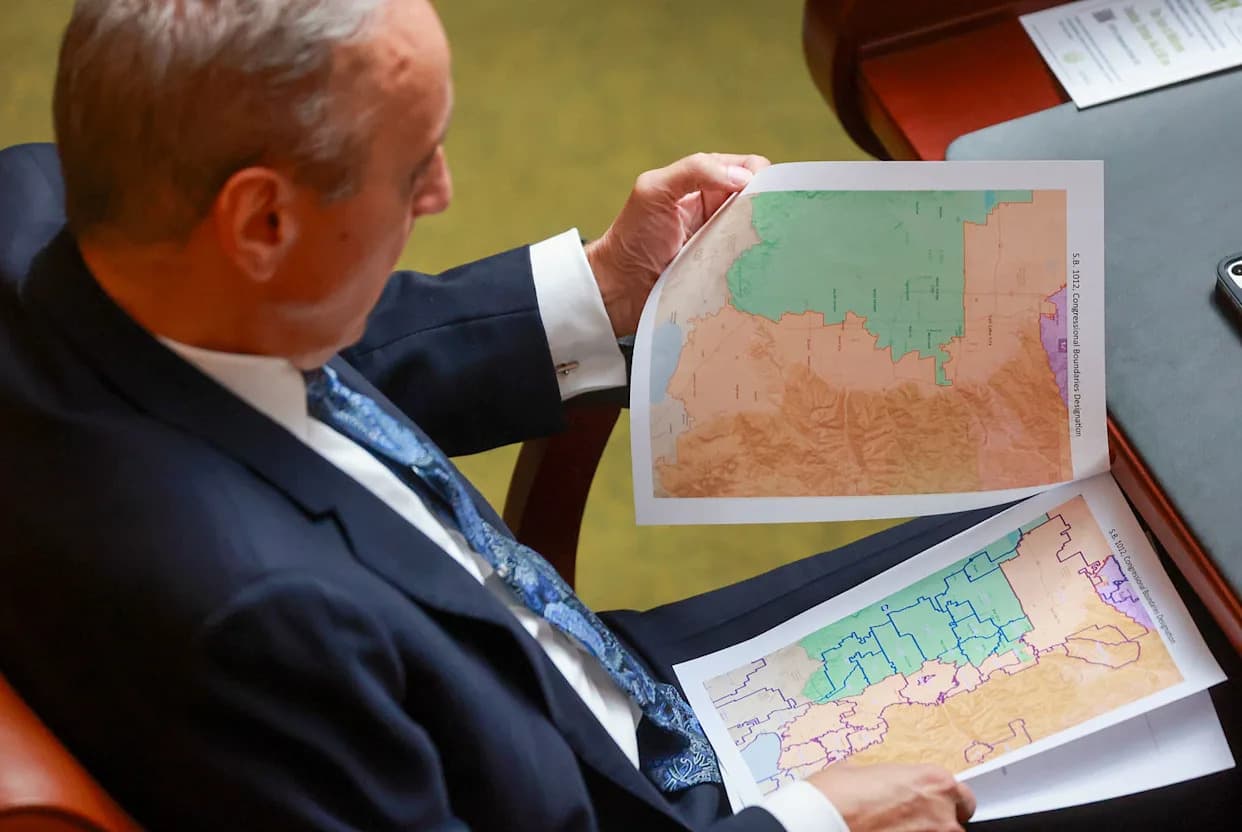
State courts are increasingly the arena for fights over newly drawn congressional districts after the U.S. Supreme Court signaled it will largely refrain from policing partisan gerrymanders. With several states adopting or proposing maps ahead of the 2026 midterms, judges at the state level may determine which maps appear on ballots.
What Changed At The Supreme Court
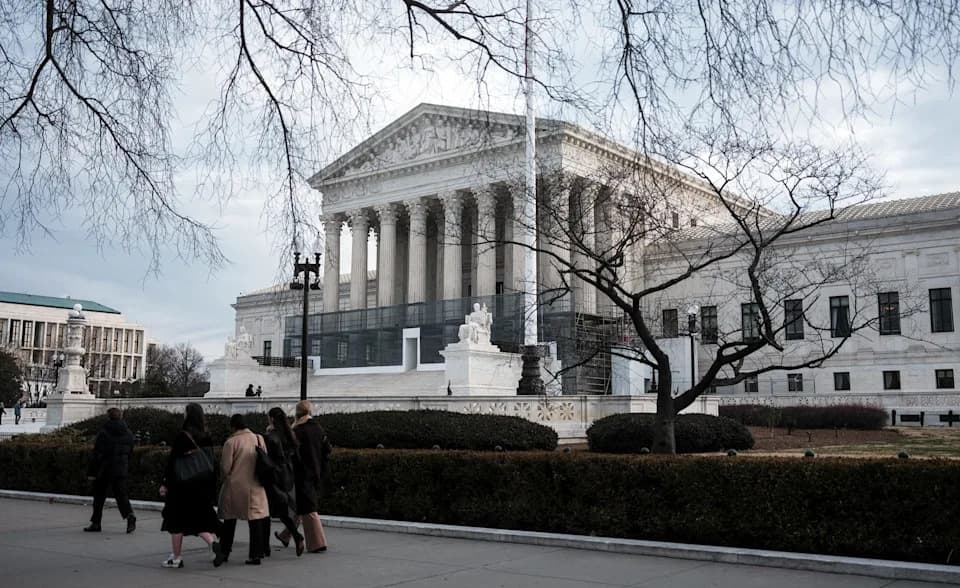
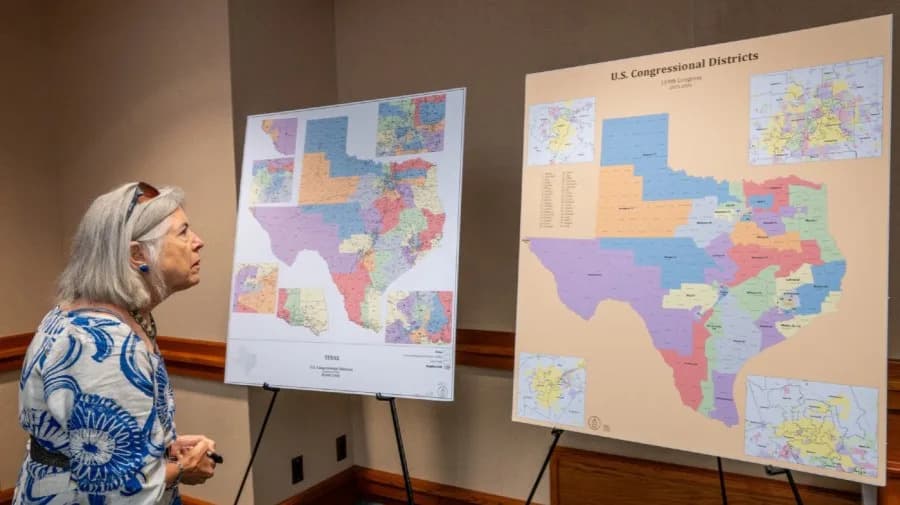
On Dec. 4, the Supreme Court issued a brief, unsigned opinion allowing Texas’ new congressional map to move forward, a plan critics say would net Republicans five additional U.S. House seats. The decision—and broader reluctance by the Court to intervene in active primary seasons—has effectively narrowed federal avenues for challenging maps drawn for partisan advantage.
Why State Courts Now Matter
As federal remedies have diminished, litigants have pressed state constitutions and state high courts as alternative paths to challenge partisan maps. State constitutions often echo federal protections like free speech and equal protection and sometimes include provisions the U.S. Constitution does not—such as explicit guarantees of free and fair elections. According to the National Conference of State Legislatures, 30 states include some form of a free-elections requirement.
“Basically, every one of the 50 states has something in its constitution that could be used to constrain partisan gerrymandering,” said Samuel Wang, director of the Princeton Gerrymandering Project.
The Missouri Case: A Live Example
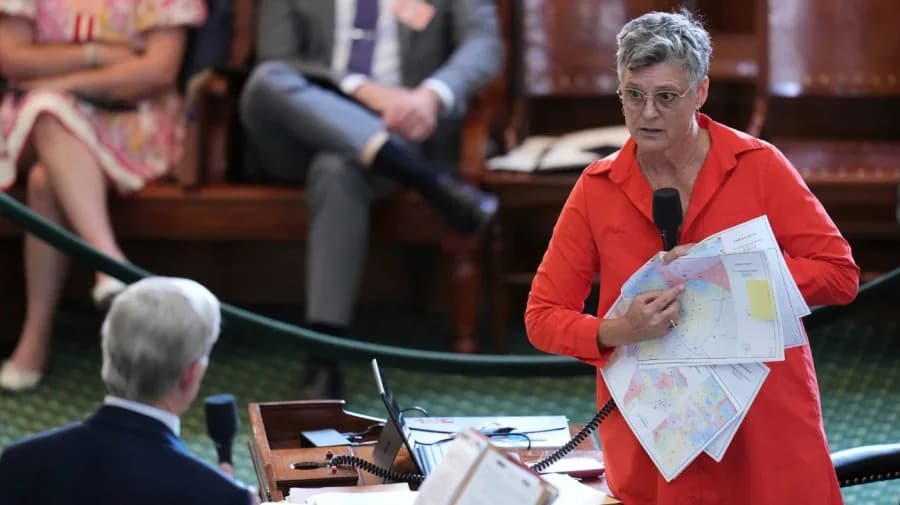
Missouri illustrates the clash between legislatures and courts. After lawmakers approved a new, strongly partisan congressional map this fall, opponents collected more than 300,000 petition signatures seeking a statewide referendum to overturn it. State officials say they will use the new map in upcoming elections while legal challenges proceed.
Key disputes include whether officials must count roughly 103,000 signatures gathered before the governor signed the map (106,000 valid signatures are required to place the measure on the ballot), whether the state constitution permits redistricting without new census data, and allegations that part of Kansas City was drawn into two separate districts. The map is also widely viewed as targeting U.S. Rep. Emanuel Cleaver, a Democrat representing Kansas City.
Other States And Legal Flashpoints
This year, California, Missouri, North Carolina, Ohio, Texas and Utah have adopted new congressional maps. Florida, Maryland and Virginia appear likely to see significant action, and several states (Alabama, Louisiana, New York and North Dakota) may have to revise maps depending on court outcomes.
At least 10 state supreme courts have concluded they can adjudicate partisan-gerrymandering claims under state constitutions, according to a 2024 review by the State Democracy Research Initiative at the University of Wisconsin Law School. But not all state high courts are willing to depart from U.S. Supreme Court precedent: four state supreme courts—including Missouri’s—have ruled they lack authority to decide partisan-gerrymander claims, even if they still entertain other challenges such as compactness or contiguity.
Politics, Courts And The Road Ahead
Advocates opposing gerrymanders have tried to pull state courts out of “lockstepping” with federal precedent by pointing to textual differences in state constitutions and unique clauses such as free-elections guarantees. The results have been mixed: North Carolina’s high court reversed an earlier anti-gerrymander ruling after shifts in its membership, and Utah’s courts recently blocked a legislative rollback of an independent redistricting process.
Legislatures that control redistricting frequently argue that judicial limits would violate separation-of-powers principles and improperly thrust courts into political disputes. As litigation plays out, timing matters: delayed signature verifications or late court rulings can determine whether a map will govern candidate filing deadlines and primary ballots.
What To Watch
- Key state supreme court rulings in Missouri, Florida, New York and Ohio that could set precedents for other states.
- Whether state courts embrace independent textual readings of their constitutions or adhere to the U.S. Supreme Court’s narrower approach.
- Practical effects on candidate filing deadlines, primary schedules and which maps voters will actually see in 2026.
As the federal bench recedes from many gerrymandering disputes, state judiciaries—and the constitutional texts they interpret—will play an outsized role in shaping congressional politics for the next decade.
Help us improve.