The Fongoli Savanna Chimpanzee Project in southeastern Senegal has given local villagers a safe alternative to hazardous informal gold mining, employing community members to study about 35 savannah-adapted chimpanzees. Founded in 2001 by Jill Pruetz, the project has documented remarkable behaviors—most famously, female chimps using spears to hunt bush babies—and adaptations to extreme heat. The region's gold boom has increased environmental threats, and project leaders emphasize that hiring locals helps build community support for conservation.
From Dangerous Gold Mines to Chimp Research: How the Fongoli Project Transformed Lives in Remote Senegal
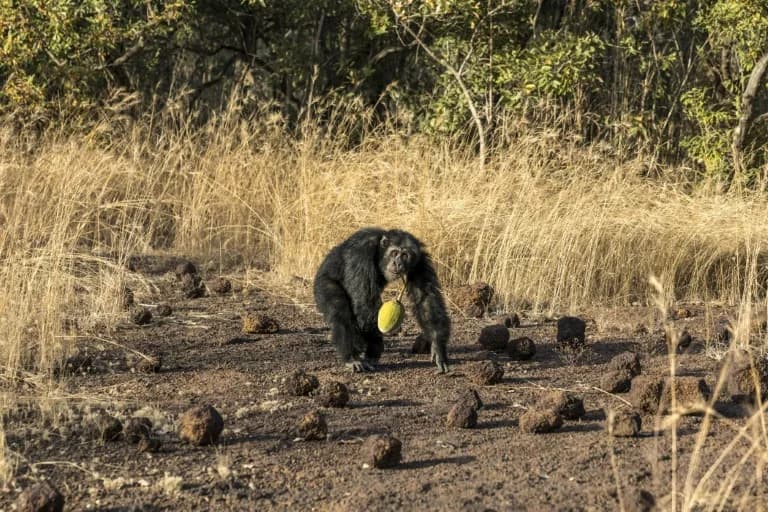
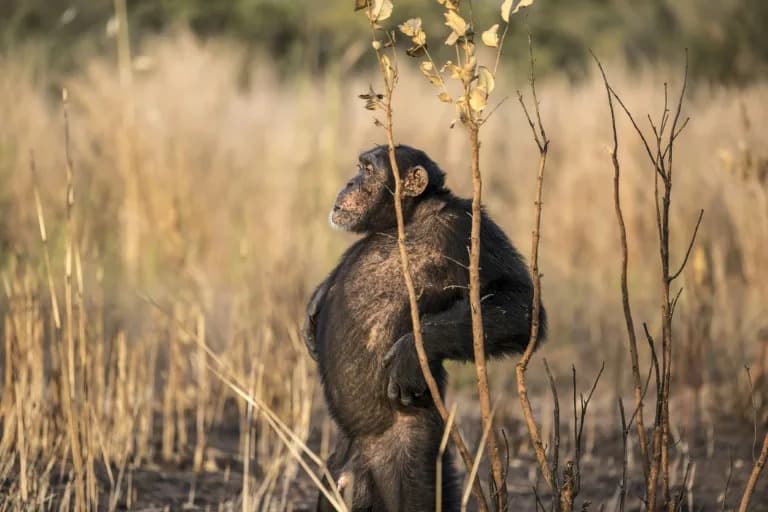
Mike, described by researchers as charismatic and popular with the female chimps, carried a baobab fruit to eat later (PATRICK MEINHARDT)(PATRICK MEINHARDT/AFP/AFP)
Fifteen years ago, Michel Tama Sadiakhou's life changed after an encounter with a troop of spear-using chimpanzees. Instead of returning to the perilous informal gold mines known locally as dioura, Sadiakhou is now the head researcher for the Fongoli Savanna Chimpanzee Project, studying a rare population of savannah-adapted chimpanzees in southeastern Senegal.
Local Jobs, Real Alternatives
The project employs five people from nearby Bedik and Bassari villages—four without a high school diploma—who serve as trackers, researchers and field staff. For several team members, including Sadiakhou and colleague Nazaire Bonnag, the project provided a life-changing alternative to dangerous mining work.
"It's really a stroke of luck," Sadiakhou told AFP of joining the research team. "When I'm with the chimpanzees, even if I'm alone, it's like I'm with other people."
Why the Fongoli Chimps Matter
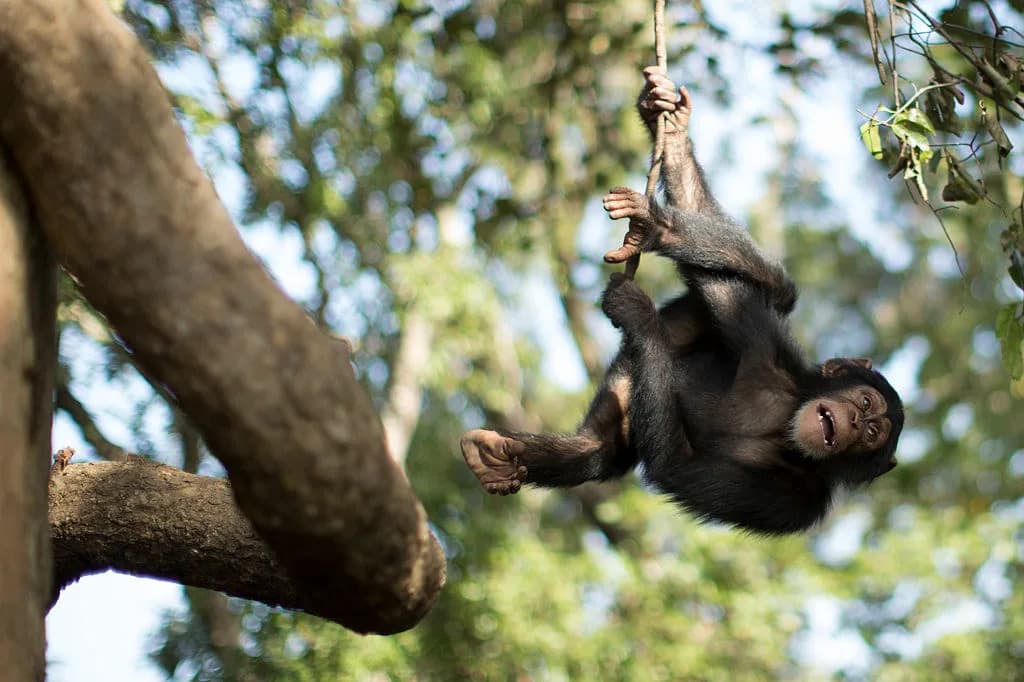
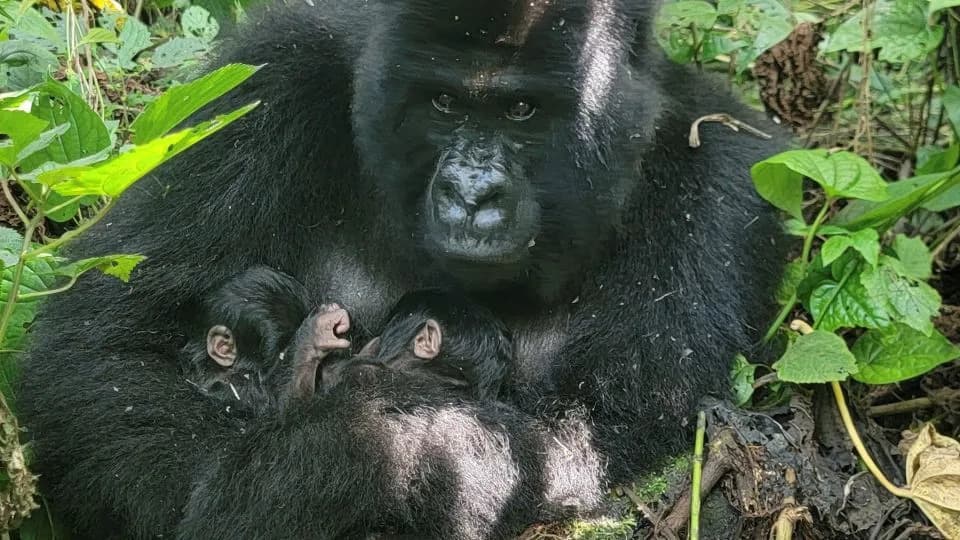
Founded in 2001 by U.S. primatologist Jill Pruetz, the Fongoli Savanna Chimpanzee Project studies a community of roughly 35 West African chimpanzees that live in the bushy savannah of Senegal's Kedougou region—unusual for a species typically associated with forest habitats. Pruetz's long-term observations have produced important discoveries about chimp behavior and adaptability.
Notably, female Fongoli chimpanzees are the only documented non-human animals to regularly hunt with tools: they craft branches into spears to capture small nocturnal primates known as bush babies.
Daily Fieldwork
Researchers rotate following one of the group's approximately 10 adult males each day, taking notes at five-minute intervals. They record vocalizations, feeding behavior, social interactions and distinctive activities such as buttress drumming—rhythmic tree-beating that communicates social signals.
Surviving the Heat: Behavioral Adaptations
Living at the edge of their species' ecological limits, the Fongoli chimpanzees have developed striking adaptations to extreme heat: soaking in natural pools, resting in cool caves and demonstrating an unusual tolerance for fire. These behaviors offer insights into how early hominins might have coped with hot, arid environments millions of years ago.
Mining Pressures and Conservation Challenges
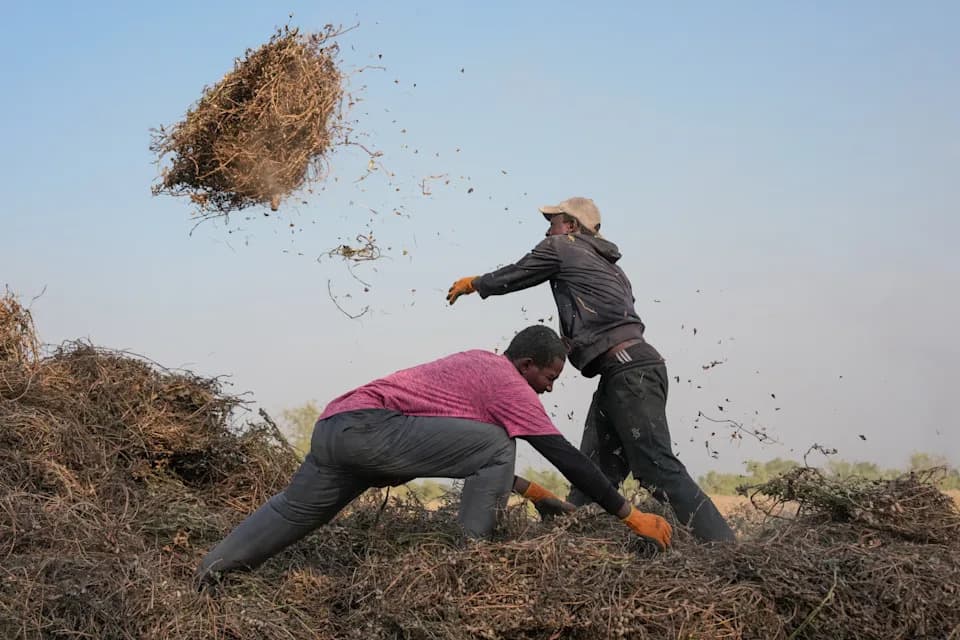
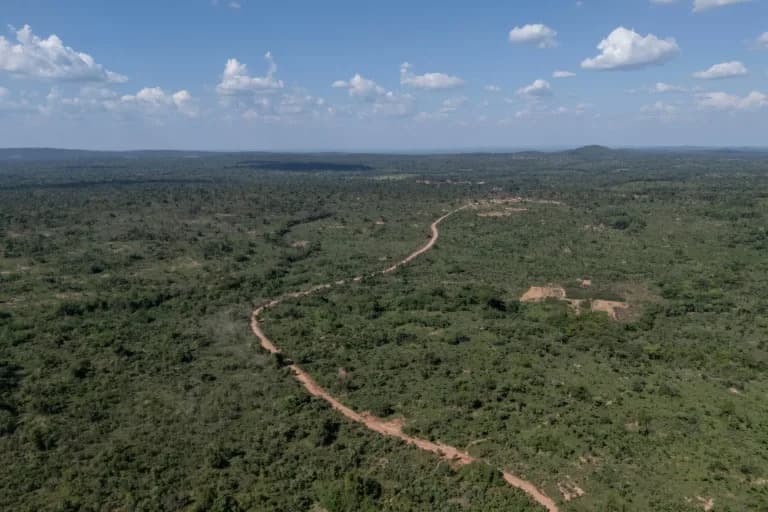
The region has experienced a gold-mining boom since the 2010s that has drawn people from neighboring West African countries and intensified threats to wildlife. According to a 2018 government study, Kedougou accounts for 98% of Senegal's gold-mining sites, and more than 30,000 people work in traditional gold mining—work that is often informal, hazardous and driven by luck rather than steady income. The area's poverty rate is above 65% (2021–2022 statistics).
Mining brings increased water pollution, deforestation and greater risk of disease transmission from humans to chimpanzees—pressures that complicate both conservation and public health efforts.
Community Involvement and Hope
Dondo "Johnny" Kante, project manager and native of a nearby Bedik village, says that hiring local staff fosters community interest and stewardship. By giving villagers a stake in long-term research and conservation, the project aims to encourage local protection of the chimps and their habitat.
Conclusion: The Fongoli project is more than a scientific endeavor; it is a social lifeline that creates jobs, reduces reliance on hazardous mining and produces research that deepens our understanding of primate behavior and human evolution.
Sources: Interviews with project staff and AFP reporting; findings from the Fongoli Savanna Chimpanzee Project and a 2018 Senegal government study.
Help us improve.