Taiwan and the United States reached a trade pact that would set U.S. tariffs on Taiwanese goods at 15% in exchange for roughly $250 billion in new U.S. tech investment. The Commerce Department says the deal will support U.S.-based industrial parks and help reshore semiconductor manufacturing, with preferential treatment for Taiwanese chipmakers that invest stateside. China criticized the pact, and Taiwan’s legislature must still ratify it amid concerns about domestic industry impact. TSMC is expanding U.S. investments and boosting capital spending.
Taiwan Secures 15% U.S. Tariff Deal in $250B Tech Investment Pact as China Protests
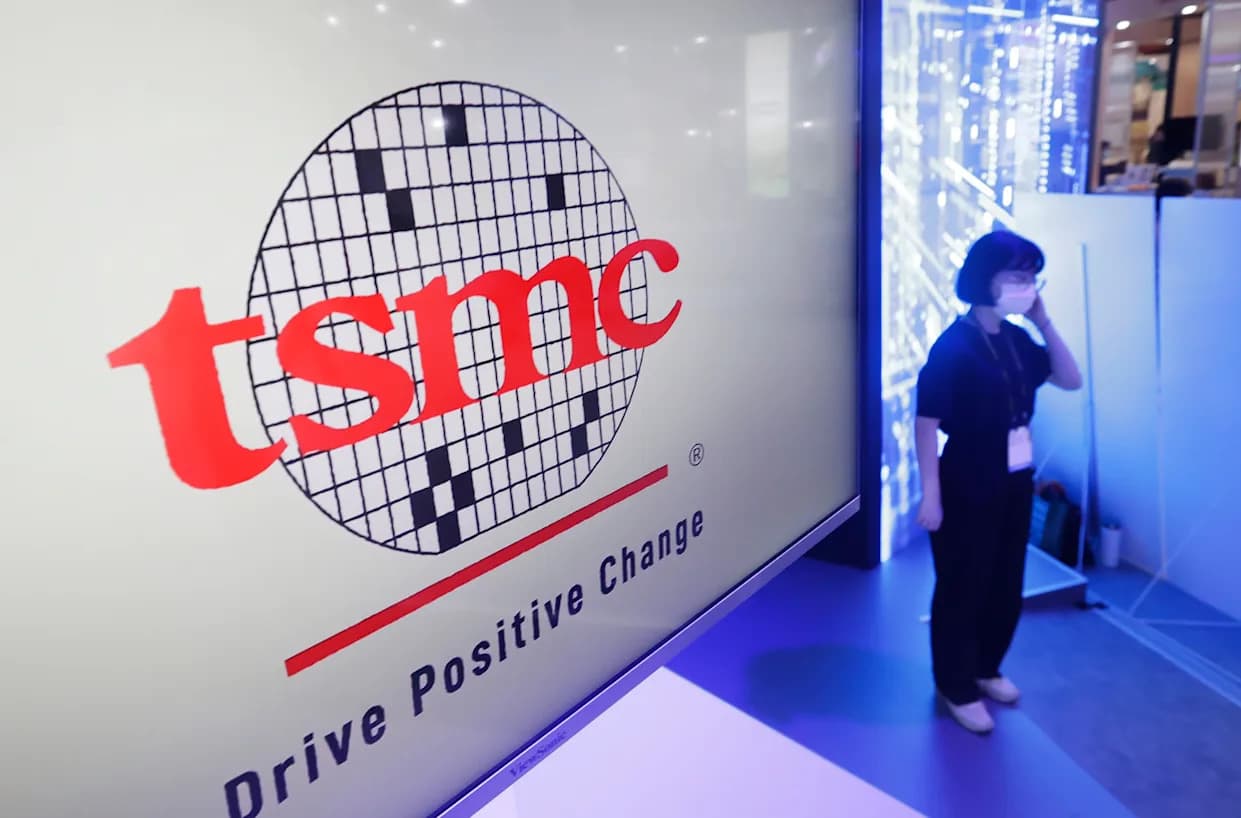
FILE - This photo shows the logo of TSMC (Taiwan Semiconductor Manufacturing Company) during the Taiwan Innotech Expo at the World Trade Center in Taipei, Taiwan, Oct. 14, 2022. (AP Photo/Chiang Ying-ying, File)
Taiwan’s premier on Friday hailed a newly announced trade agreement with the United States as the best tariff arrangement secured by any country running a trade surplus with Washington, even as Beijing publicly criticized the pact.
“For the time being, we obtained the best tariff deal enjoyed by the countries with trade surplus with the U.S. This also shows that the U.S. sees Taiwan as an important strategic partner,”— Taiwan Premier Cho Jung-tai.
What the Deal Includes
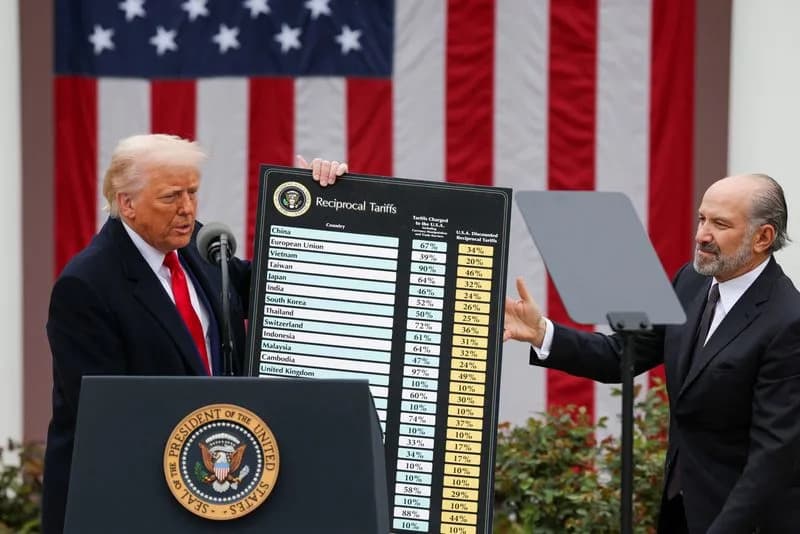
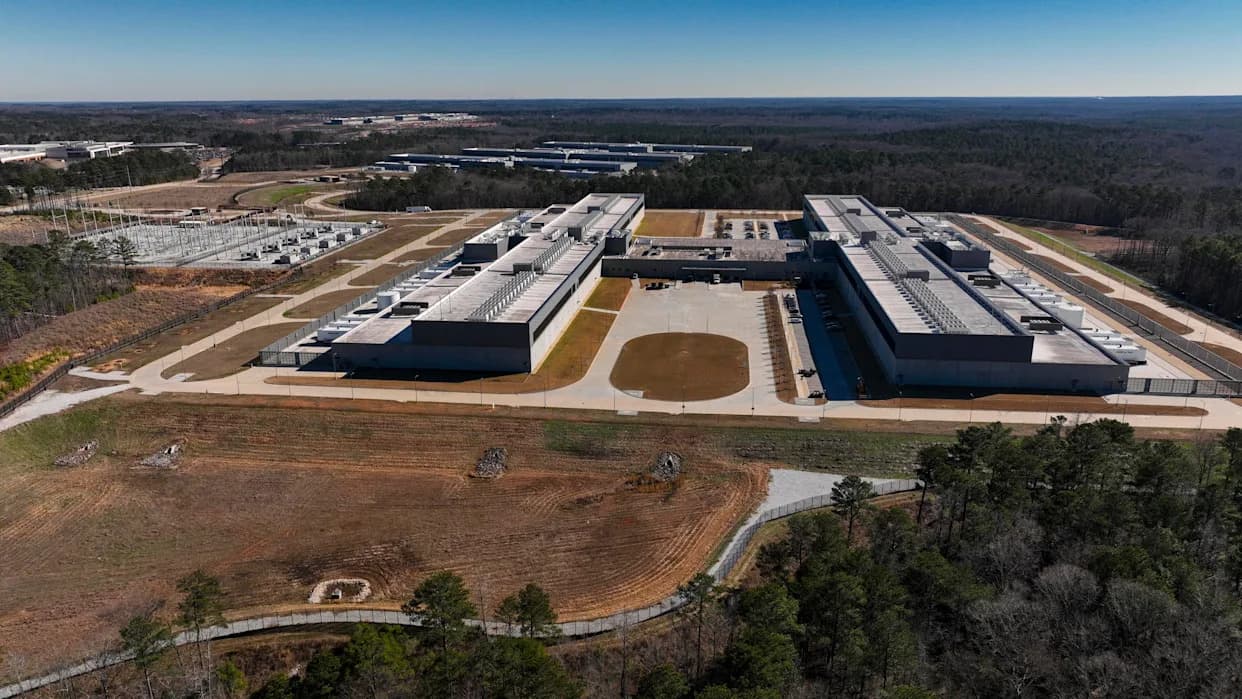
Under the agreement, U.S. tariffs on Taiwanese goods would be set at 15% in exchange for roughly $250 billion of new investment in the U.S. technology sector. The U.S. Department of Commerce said the pact will create an economic partnership to build several U.S.-based industrial parks designed to expand domestic manufacturing and help reshore semiconductor production.
The Commerce Department called the agreement “a historic trade deal that will drive a massive reshoring of America’s semiconductor sector.” Taiwanese manufacturers that make qualifying investments in the U.S. would receive favorable tariff treatment, including certain exemptions.
Sector Details And Corporate Response
Premier Cho said the 15% tariff applies to Taiwanese automotive and wood furniture exports without additional fees, and that some aerospace components will be duty-free. The announcement coincided with plans from Taiwan Semiconductor Manufacturing Co. (TSMC) — the world’s largest contract chipmaker — to boost capital spending by as much as nearly 40% this year. TSMC reported a roughly 35% jump in quarterly net profit driven by strong demand related to artificial intelligence and has pledged about $165 billion in U.S. investments, accelerating construction of new fabrication plants in Arizona.
Political Reactions And Next Steps
China, which regards Taiwan as part of its territory, sharply condemned the agreement. At a routine briefing in Beijing, Foreign Ministry spokesperson Guo Jiakun said Beijing opposes any deals with Taiwan that carry “sovereign connotations and an official nature.”
The deal must still be ratified by Taiwan’s parliament, where opposition lawmakers have warned it could undermine the island’s domestic semiconductor industry. Ryan Majerus — a trade official who served in both the Trump and Biden administrations and is now a partner at King & Spalding — said the pact’s timing was notable and that Taiwan’s desire to solidify ties with the U.S. amid pressure from China likely influenced the negotiations.
Observers note an outstanding legal question: the U.S. Supreme Court may soon rule on the legality of the broader tariffs that framed earlier negotiations, a decision that could affect parts of the trade framework.
Background: Earlier measures under the Trump administration had at one point set tariffs on Taiwanese goods as high as 32%, a rate that was later adjusted to 20% before the new agreement was announced.
AP correspondents contributed reporting from Taipei, Beijing and Washington.
Help us improve.