The 22-year-old accused in the Sept. 10 killing of conservative activist Charlie Kirk returned to court as his lawyers sought to disqualify the Utah County prosecution team, citing an alleged conflict involving an 18-year-old relative of a deputy county attorney who attended the rally. Prosecutors say texts and DNA link Tyler Robinson to the shooting and plan to seek the death penalty; Robinson has not entered a plea. The county attorney has asked the judge to deny the motion, noting the teen was not a material witness and reported no lasting trauma. A preliminary hearing is set for May 18, and the judge has restricted media from publishing images that show Robinson's restraints.
Accused Shooter in Charlie Kirk Killing Seeks To Disqualify Utah Prosecutors Over Alleged Conflict
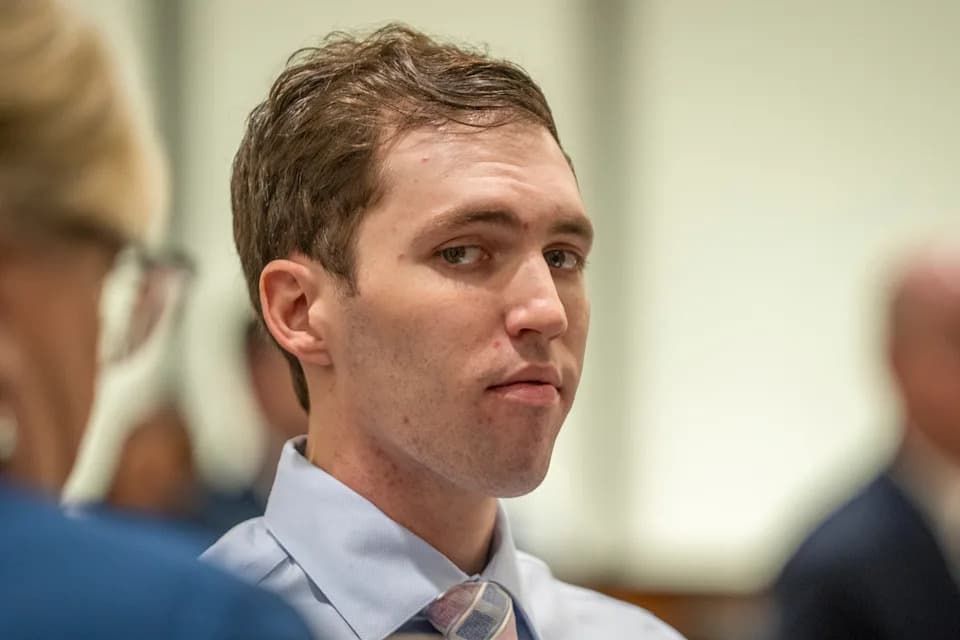
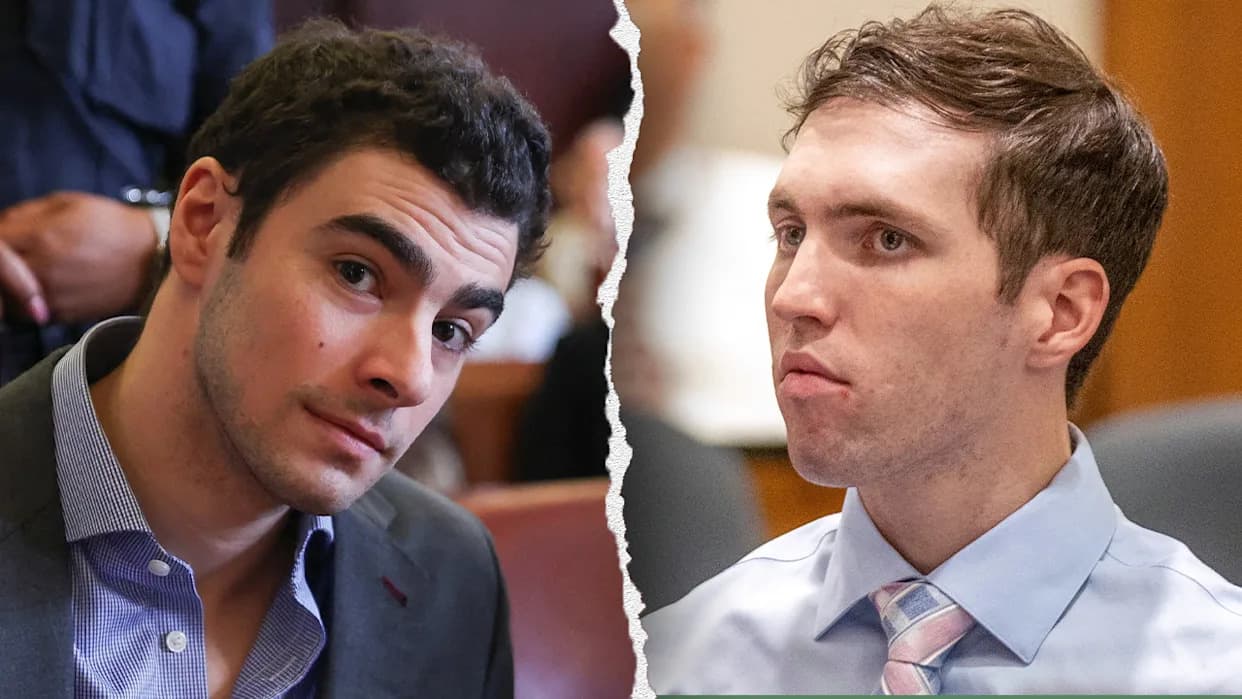
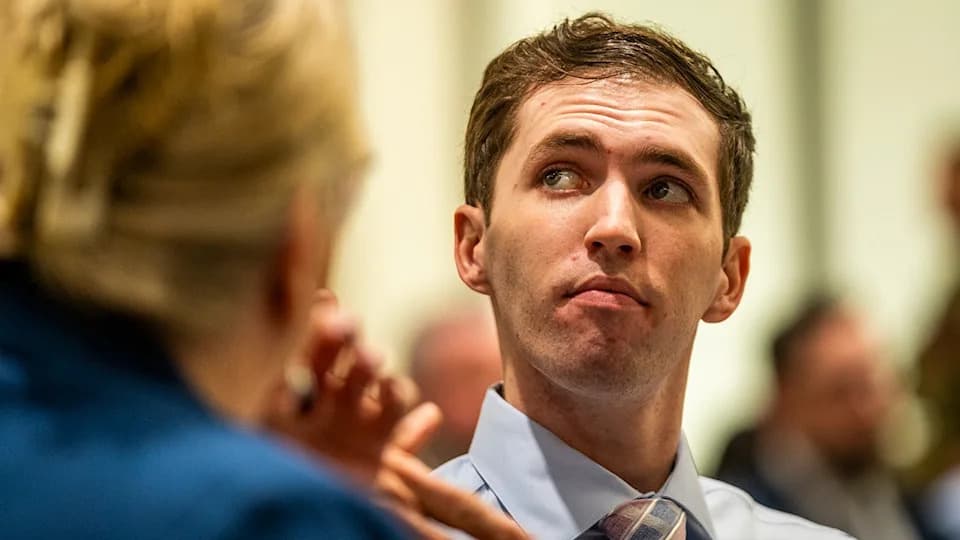
FILE - Tyler Robinson, who is accused of fatally shooting Charlie Kirk, appears during a hearing in Fourth District Court in Provo, Utah, Dec. 11, 2025. (Rick Egan/The Salt Lake Tribune via AP, Pool, File)(ASSOCIATED PRESS)
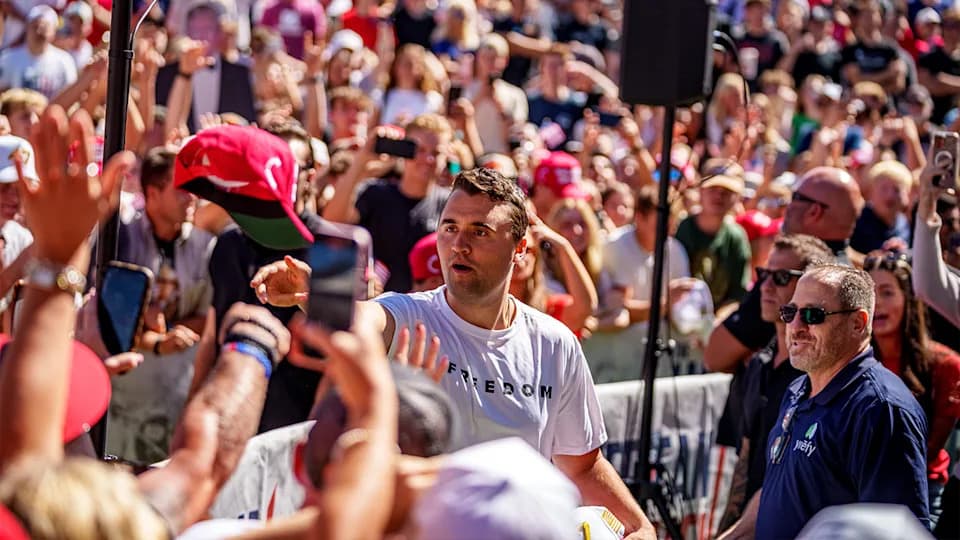
SALT LAKE CITY (AP) — The 22-year-old man accused of killing conservative activist Charlie Kirk returned to court Friday as his lawyers moved to disqualify prosecutors in the case, alleging a conflict of interest tied to a relative of a county attorney.
Tyler Robinson is charged with aggravated murder in the Sept. 10 shooting on the Utah Valley University campus in Orem. Prosecutors with the Utah County Attorney's Office say they will seek the death penalty if Robinson is convicted. Robinson has not yet entered a plea.
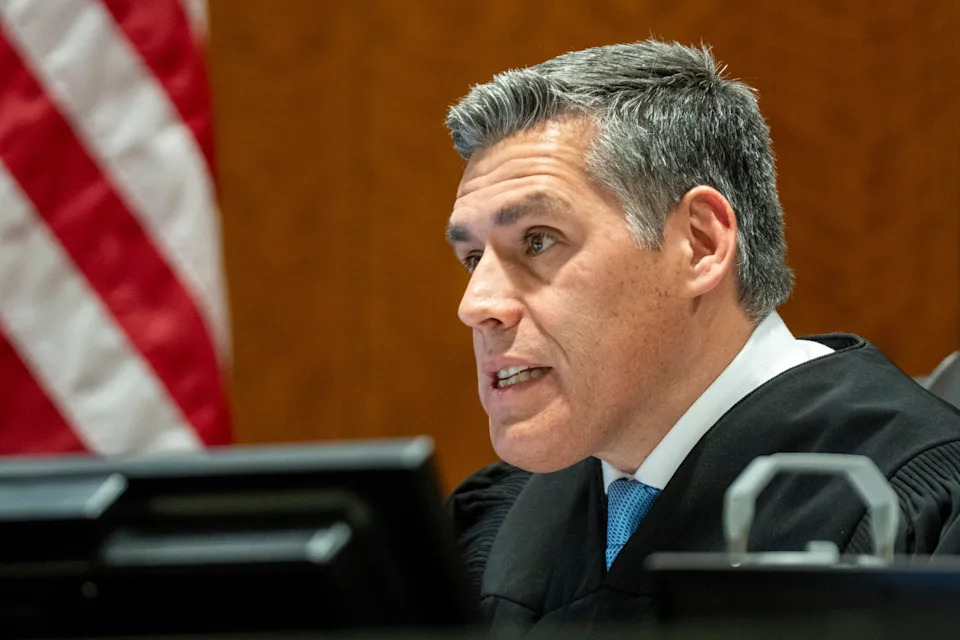
FILE - Fourth District Court Judge Tony Graf presides over a hearing for Tyler Robinson, who is accused of fatally shooting Charlie Kirk, Thursday, Dec. 11, 2025, in Provo, Utah. (Rick Egan/The Salt Lake Tribune via AP, Pool, File)(ASSOCIATED PRESS)
Basis of the Disqualification Motion
Defense attorneys argue that the prosecution team should be disqualified because an 18-year-old child of a deputy county attorney attended the campus event where Kirk was shot and later exchanged text messages about the incident with their parent, who works in the Utah County Attorney's Office. The teenager's name was redacted in court filings.
Defense filings say that relationship "raises serious concerns about past and future prosecutorial decision-making in this case" and point to the prosecution's swift move to pursue capital charges as evidence of an emotional reaction that could taint the office's handling of the matter.
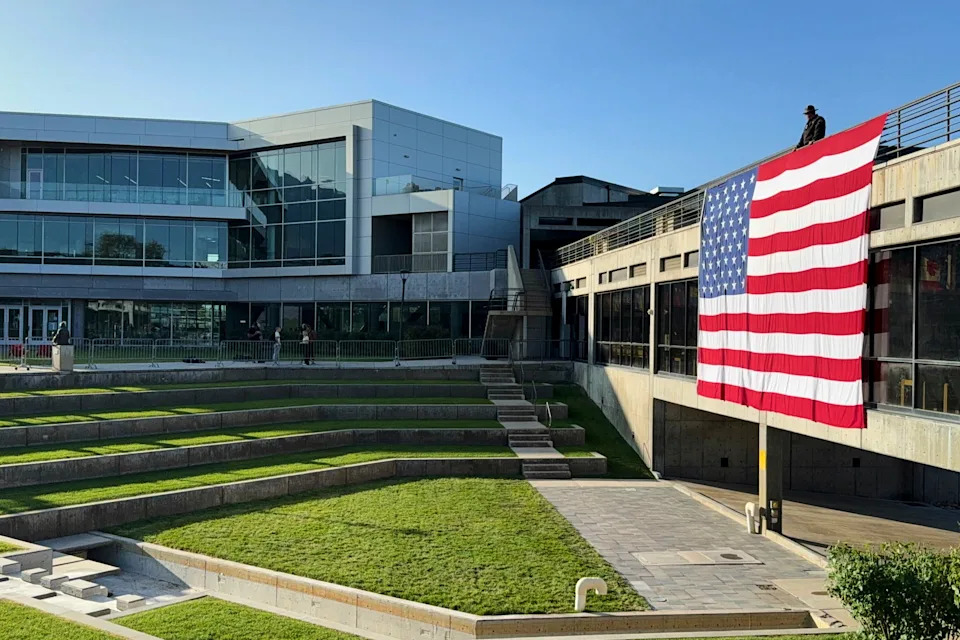
FILE - A U.S. flag hangs at Utah Valley University in Orem, Utah, Sept. 17, 2025, over the site where conservative activist Charlie Kirk was shot and killed. (AP Photo/Jesse Bedayn, File)(ASSOCIATED PRESS)
Prosecution Response
Utah County Attorney Jeffrey Gray asked District Judge Tony Graf to deny the disqualification request. In court papers, Gray wrote that "under these circumstances, there is virtually no risk, let alone a significant risk, that it would arouse such emotions in any father-prosecutor as to render him unable to fairly prosecute the case." He also described the teen as "neither a material witness nor a victim" and characterized much of what the teen knows as hearsay.
In an affidavit filed by prosecutors, the teen said they did not see the shooting but heard a loud sound and someone shout that a person had been shot. The teen later posted to a family group chat, "CHARLIE GOT SHOT." The affidavit also said the teen did not miss classes or other activities and reported no lasting trauma beyond initial fear.
Evidence and Courtroom Restrictions
Prosecutors have said that text messages and DNA evidence connect Robinson to the killing. Court documents also report that Robinson told a romantic partner he targeted Kirk because he "had enough of his hatred," according to filings.
Robinson’s attorneys have sought limits on media coverage, arguing the high-profile nature of the case could undermine his presumption of innocence. Judge Graf has barred the media from publishing photos, videos or live broadcasts that show Robinson's restraints, but has not yet ruled on a defense request to ban cameras in the courtroom.
Prosecutors are expected to present their case at a preliminary hearing scheduled to begin May 18. The Associated Press left messages for Robinson's defense attorney, Kathryn Nester. Brown reported from Billings, Montana.
Help us improve.