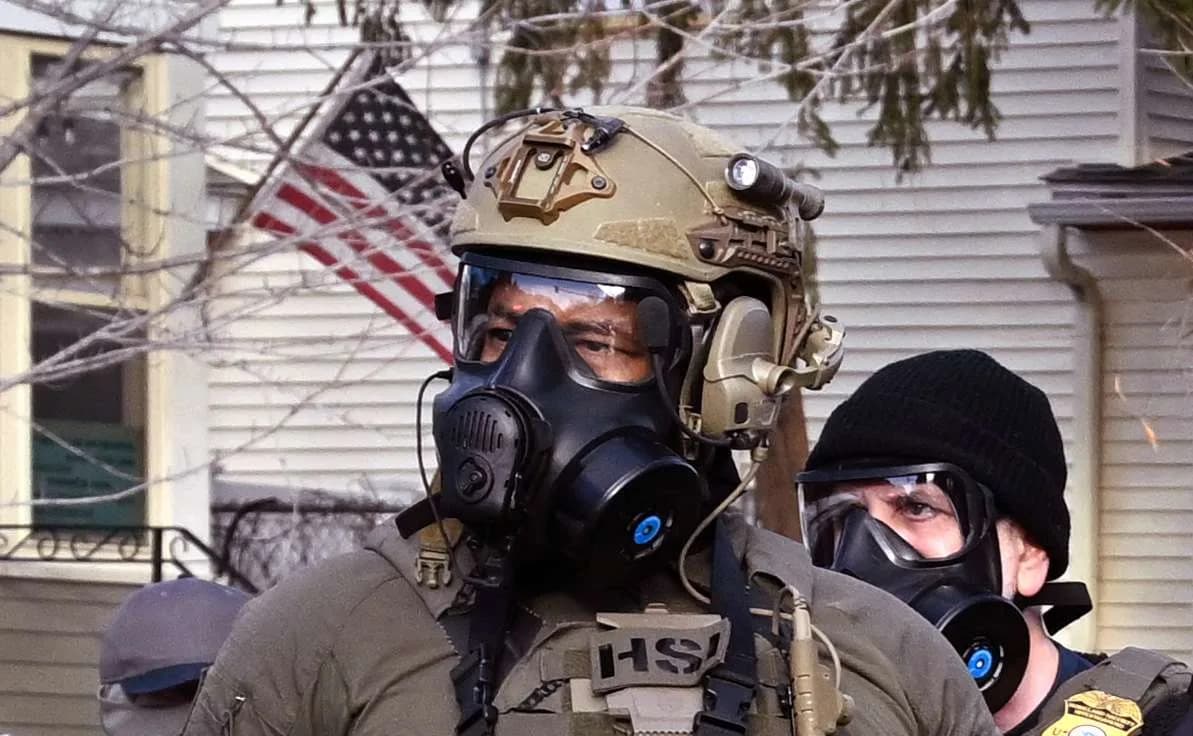
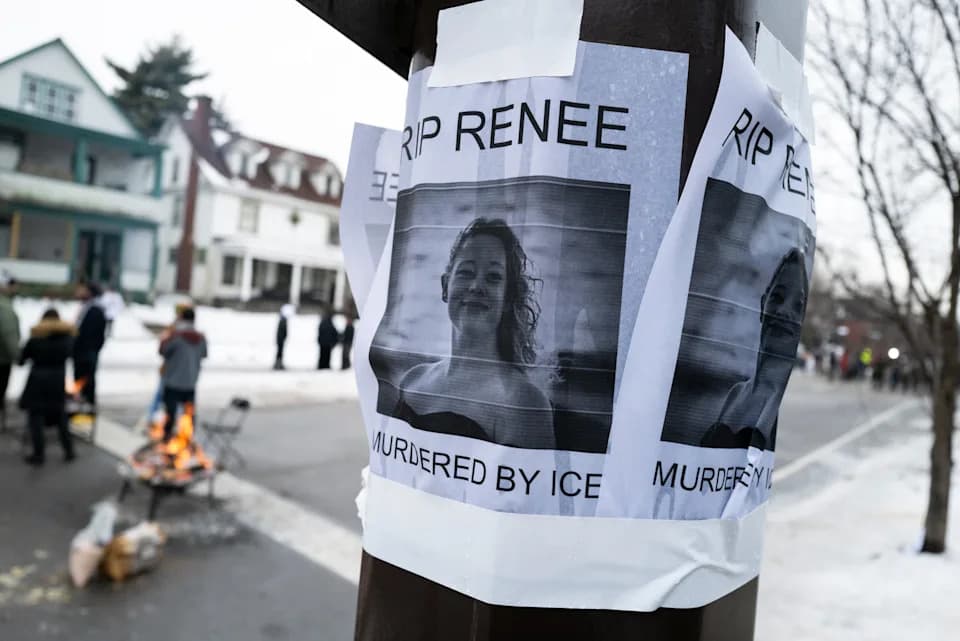
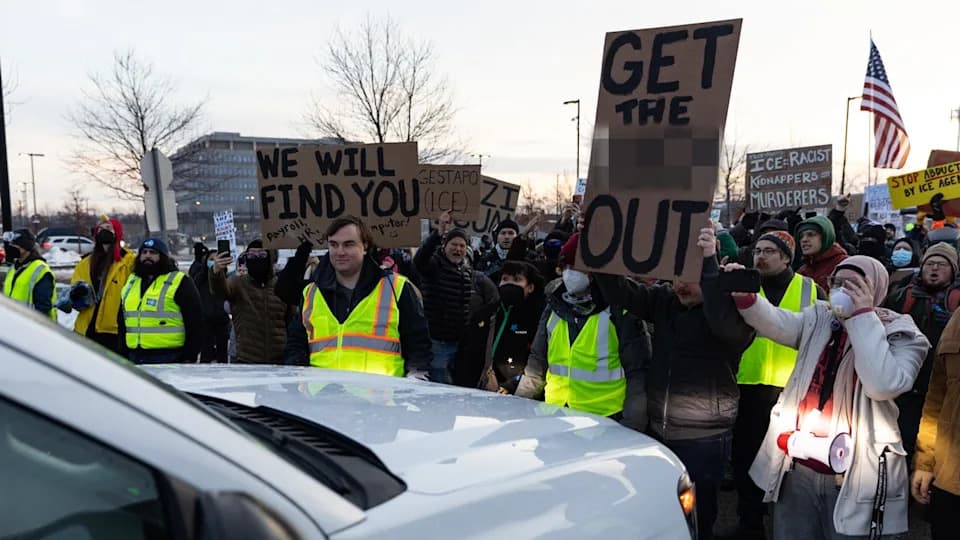
Federal immigration enforcement in Minnesota has led to thousands of arrests and deeply disrupted families: roughly 3,000 agents were deployed and more than 2,400 people detained in recent weeks. Some detainees reportedly held visas or legal status, and several refugees were seized after the administration announced a re-examination of refugee cases. Personal accounts describe parents taken from cars and homes, rapid transfers to out-of-state tent facilities and jails, and families racing to raise funds for legal help while coping with trauma.
‘I Couldn't Save My Husband’: Minnesota Families Say ICE Raids Have Torn Them Apart
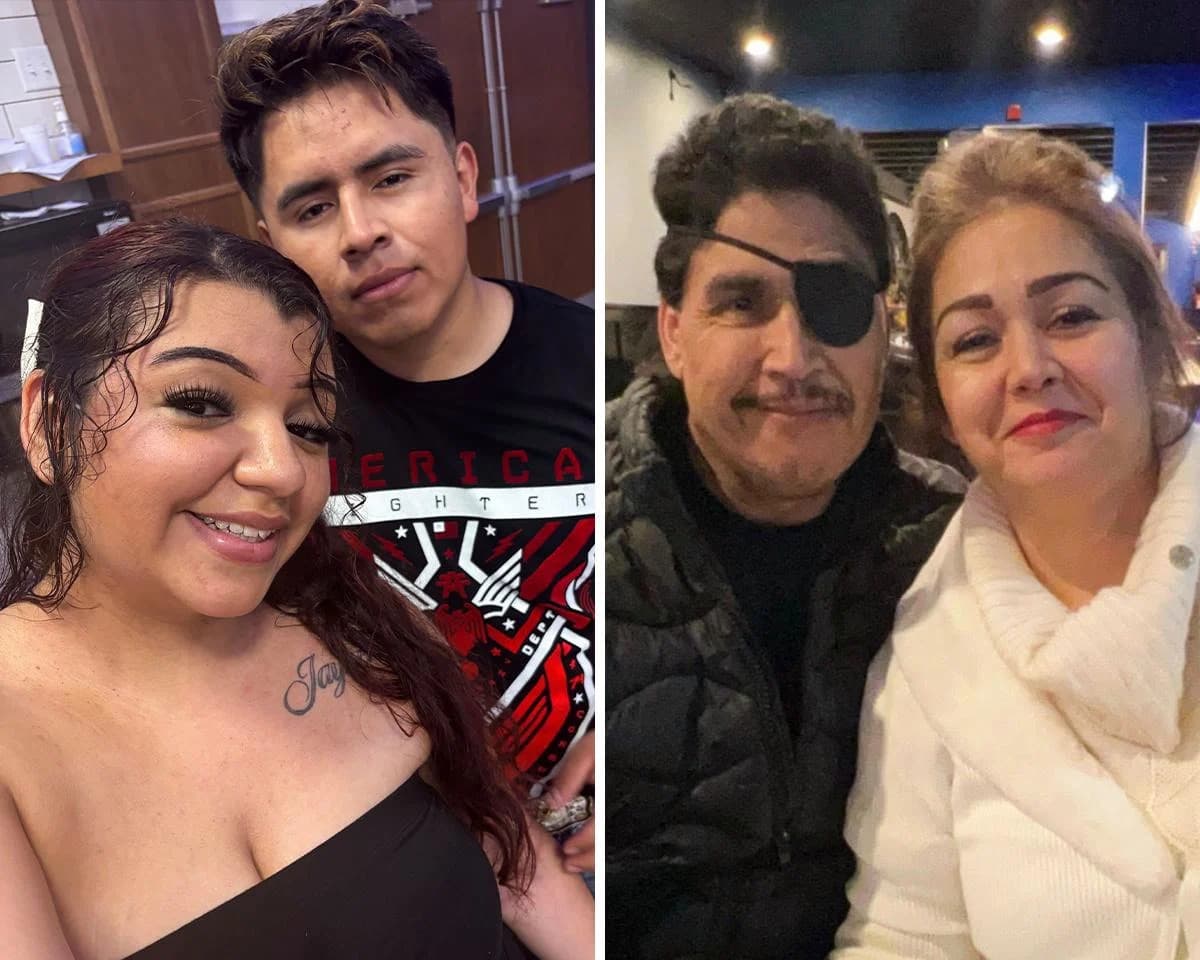
Daisy Martinez and her husband, Tomas Martinez Gregorio, who was detained by ICE; Paulo Sosa Garcia and his wife, Ramona Cecilia Silva, who were also detained by ICE.Composite: Obtained by the Guardian(Composite: Obtained by the Guardian)
Paulo Sosa Garcia and Ramona Cecilia Silva were driving to work in Inver Grove Heights, Minnesota, when federal immigration agents stopped their car and detained them. By the next morning the couple had been transferred more than 1,200 miles away to detention facilities near El Paso, Texas.
In a separate case, Tomas Martinez Gregorio was pulled from a vehicle while driving his wife, Daisy Martinez, and their six-year-old son, Jayren, to a Brooklyn Park hospital for a tonsillectomy. Jayren never made it to his appointment.
Large-Scale Enforcement, Local Devastation
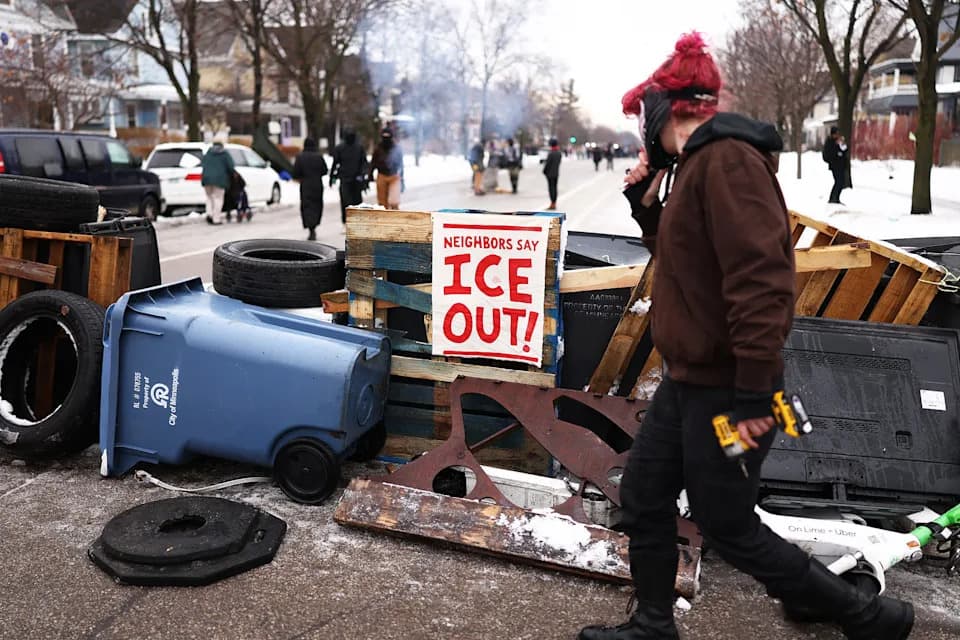
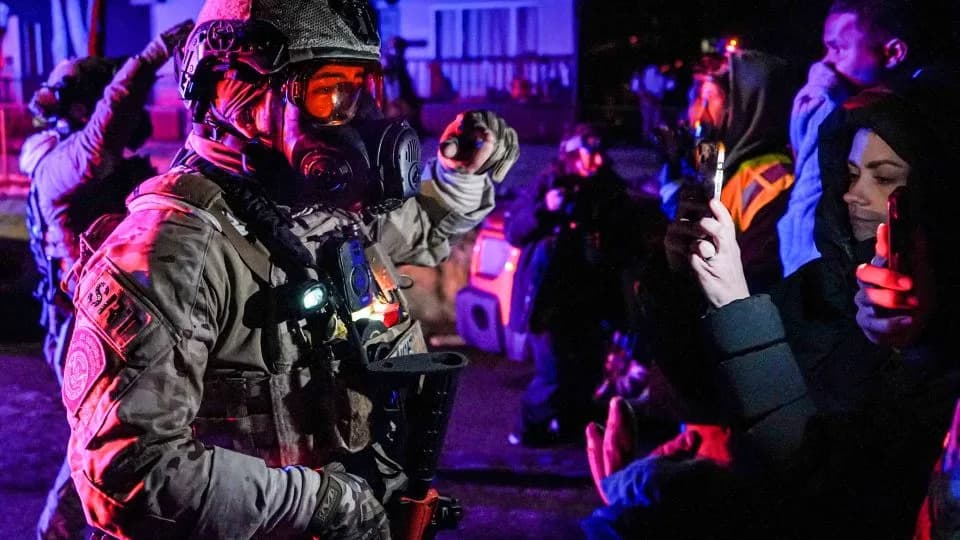
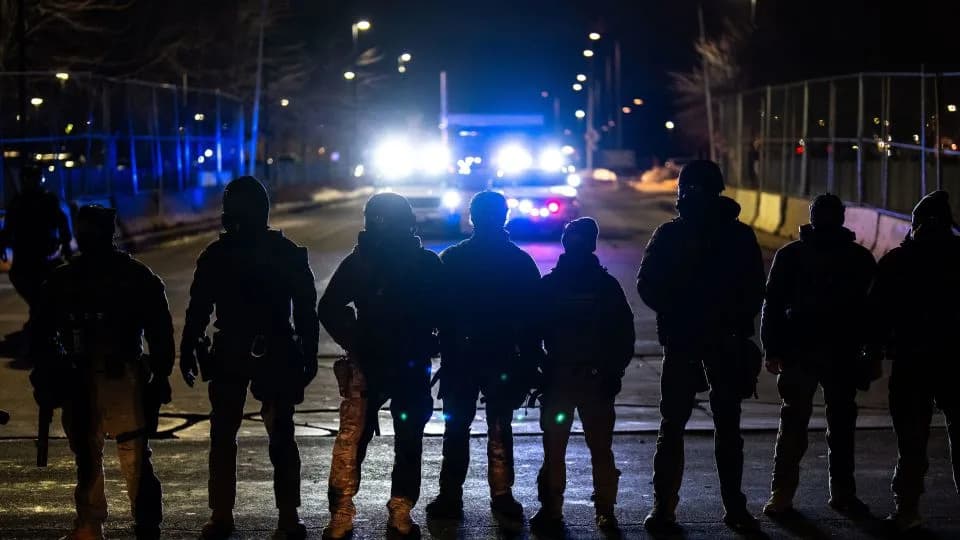
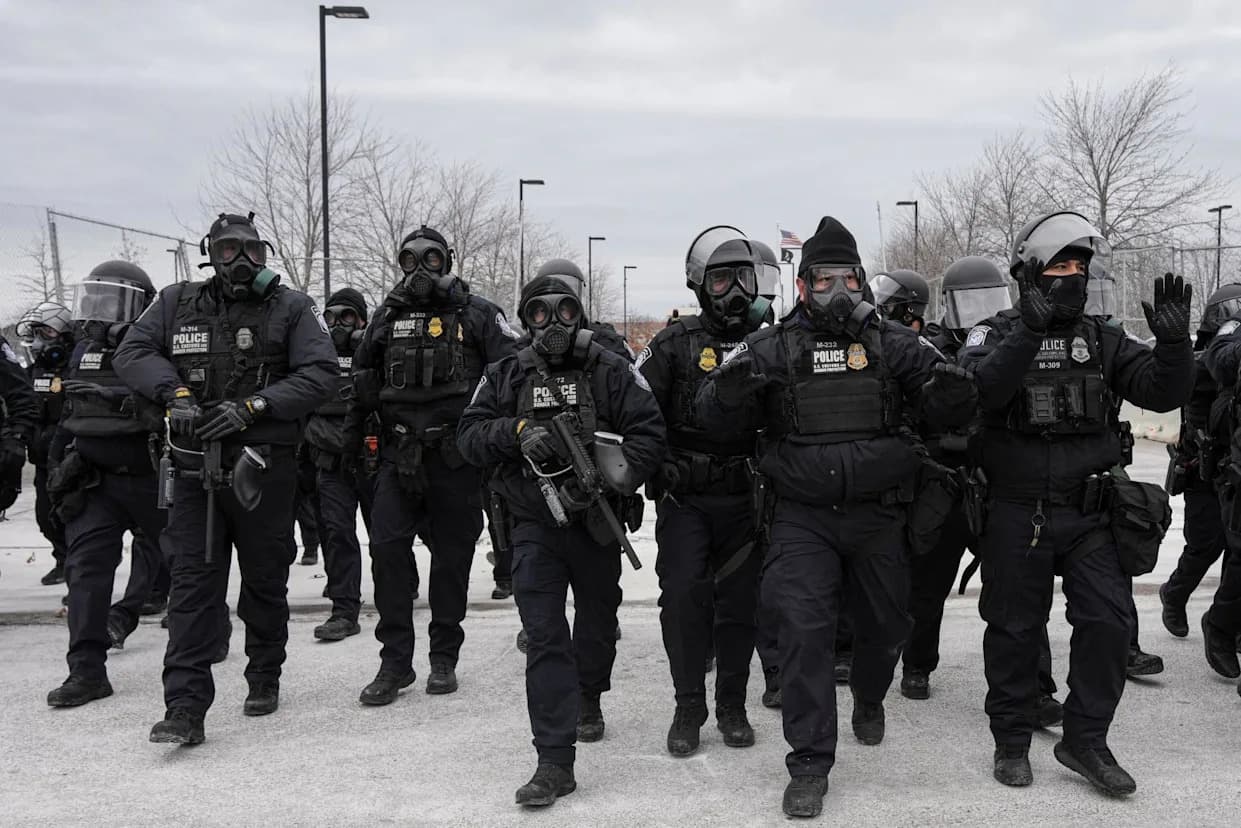
The Trump administration described the operation as its largest immigration-enforcement effort to date. About 3,000 federal agents were reported to be operating in or en route to Minnesota, and local authorities say more than 2,400 people have been arrested in recent weeks. Many detainees have been rapidly moved to out-of-state detention centers or removed from the country.
Local leaders and immigration lawyers say some people arrested held valid visas or other legal status. The Guardian confirmed that several refugees with legal status were detained after the administration announced plans to "re-examine thousands of refugee cases." Arrests occurred across neighborhoods — at homes, workplaces, stores, schools and places of worship.
Families Left Facing Trauma and Urgent Legal Battles
Family members describe immediate emotional and practical fallout: disrupted childcare, lost income, medical appointments missed and frantic searches to determine where loved ones were taken. In Inver Grove Heights, Sosa Garcia and Silva — who emigrated from Mexico in 1999 and had been pursuing legal residency for years — were told their case had recently advanced before both were detained. Their daughters are now raising funds for legal fees and posting videos about their experience online.
“I just want for my parents to come back home,” said Cecilia Sosa, the eldest daughter.
The couple are reportedly being held separately at Camp East Montana at Fort Bliss, a large tent facility in El Paso where human-rights groups have raised concerns about unsafe conditions and allegations of abuse.
The Brooklyn Park Arrest
Daisy Martinez said agents boxed in their car on the way to the hospital and ordered Gregorio out. Martinez recorded video pleading with officers; she was told an agent believed Gregorio had a DUI on his record, but was later told he did not. An agent tackled Martinez as she chased after her husband, she said. Gregorio was first taken to the ICE facility at Fort Snelling and later transferred to a Sherburne County jail roughly 40 minutes from the family’s home.
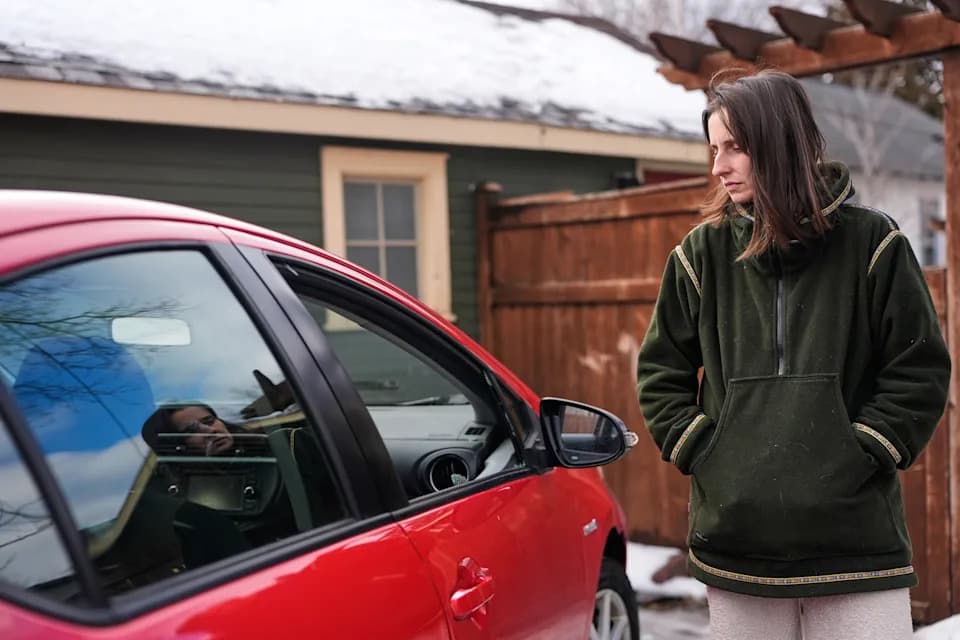
Since the arrest, Martinez has been trying to secure legal representation while managing parenting and household responsibilities alone. She said Gregorio’s income supported the family and allowed her to work part time. Martinez described lingering physical pain from being restrained by agents, insomnia and ongoing trauma that has affected her work and wellbeing.
Despite her own hardships, Martinez is helping others in her community — filling gas tanks, picking up groceries, and watching for immigration vehicles to warn neighbors. "I couldn’t save my husband, but I could probably save you," she said.
Wider Concerns
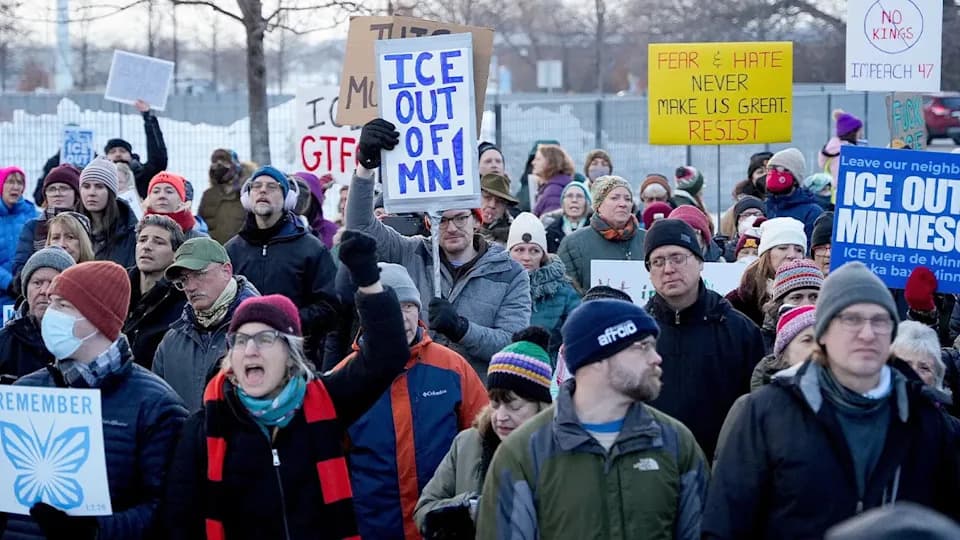
Community groups and advocates warn that rapid transfers of detainees out of state, limited contact with families, and arrests of people with legal status create urgent legal and humanitarian challenges. Families are scrambling to find lawyers, raise bail or representation funds, and secure information about where relatives are being held.
What’s next: Families and advocates are calling for greater transparency about the arrests, clearer explanations of why people — including those with pending or approved cases — were detained, and improved access to legal counsel and family contact.
Help us improve.