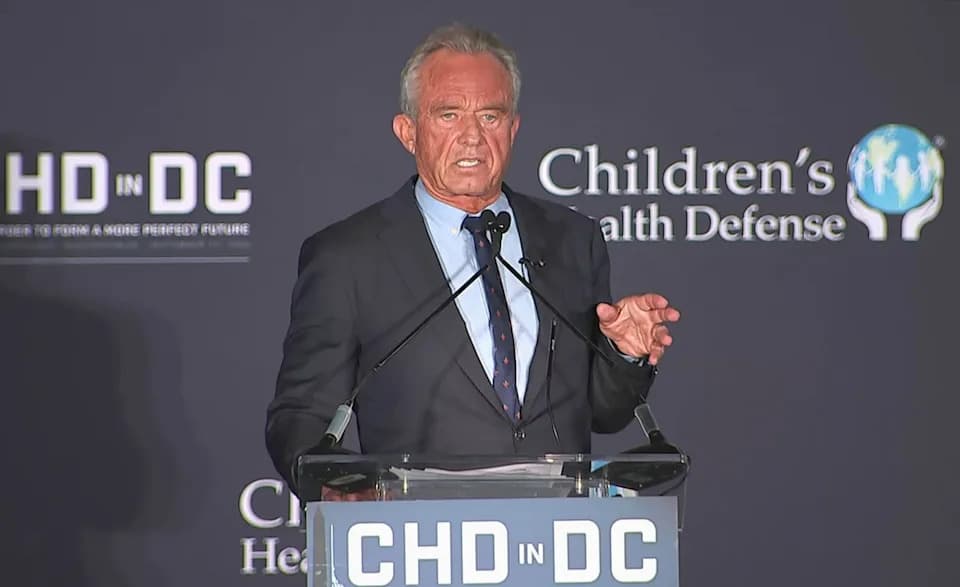
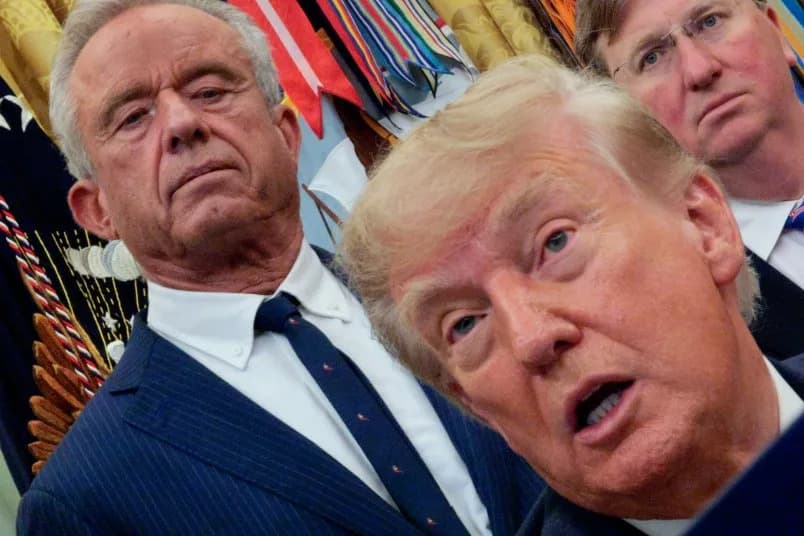
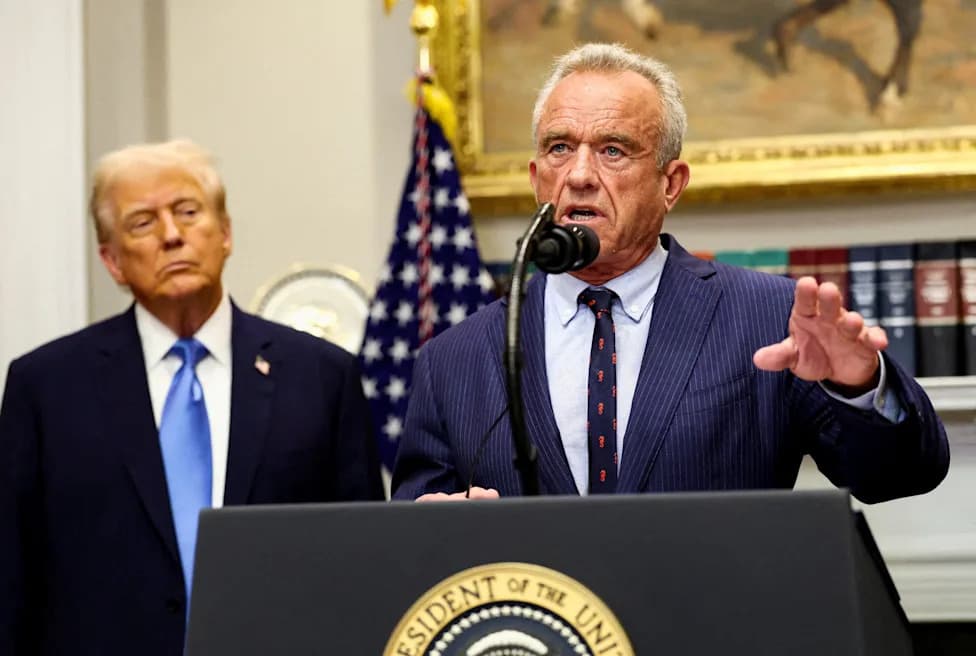
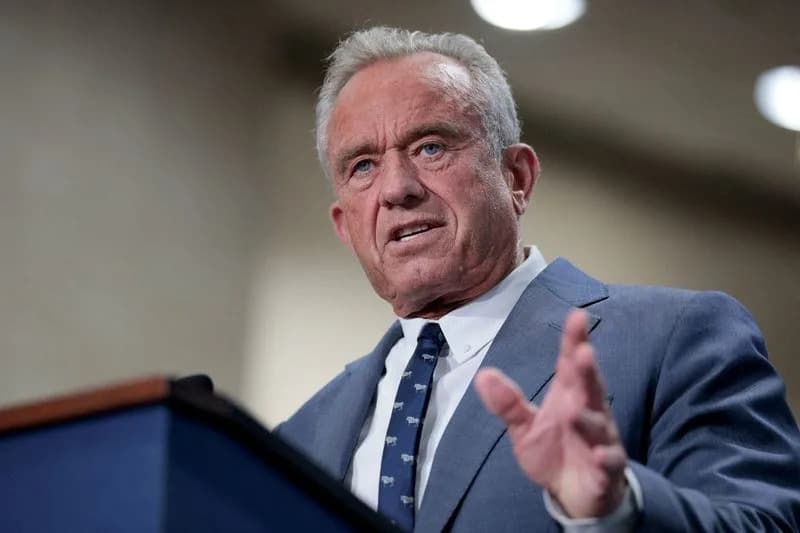
State bans on water fluoridation — propelled in part by statements from HHS Secretary Robert F. Kennedy Jr. — have sparked federal and state actions that now target fluoride supplements and children’s toothpaste. The FDA has sent notices to firms and issued guidance to clinicians about ingestible supplements, while Texas regulators probed toothpaste marketing and secured packaging changes. Public-health experts warn that curbing both community water fluoridation and practical alternatives could increase dental disease risk for vulnerable children.
After Defeating Water Fluoridation, Critics Move To Restrict Supplements and Toothpaste

As some states are removing fluoride from drinking water, new barriers are being created around alternative fluoride products. - Photo illustration by Cengiz Yar/ProPublica. Source images: Getty Images, Utah State Legislature
When Utah passed the nation’s first statewide ban on community water fluoridation last year, lawmakers also eased access to ingestible fluoride supplements — framing the move as a shift from "mass public dosing" to individual choice. But that apparent compromise has been undermined as federal and state officials target the very fluoride alternatives public-health advocates say vulnerable children need.
Federal Action and Political Pressure
Under U.S. Health and Human Services Secretary Robert F. Kennedy Jr., the Food and Drug Administration said it issued notices to four companies marketing ingestible fluoride supplements for children and issued new guidance to health professionals about the products’ risks. The FDA also announced it is coordinating with other agencies to develop a "fluoride research agenda." At the same time, budget cuts eliminated the CDC’s Division of Oral Health, reducing a federal voice focused on dental prevention.
State Investigations and Industry Responses
In Texas, Attorney General Ken Paxton opened investigations into Colgate-Palmolive and Procter & Gamble over how they market children’s fluoride toothpastes. The inquiries led to agreements under which packaging images will show a pea-sized amount of toothpaste for children — a move Paxton’s office framed as protecting kids from excessive fluoride exposure.
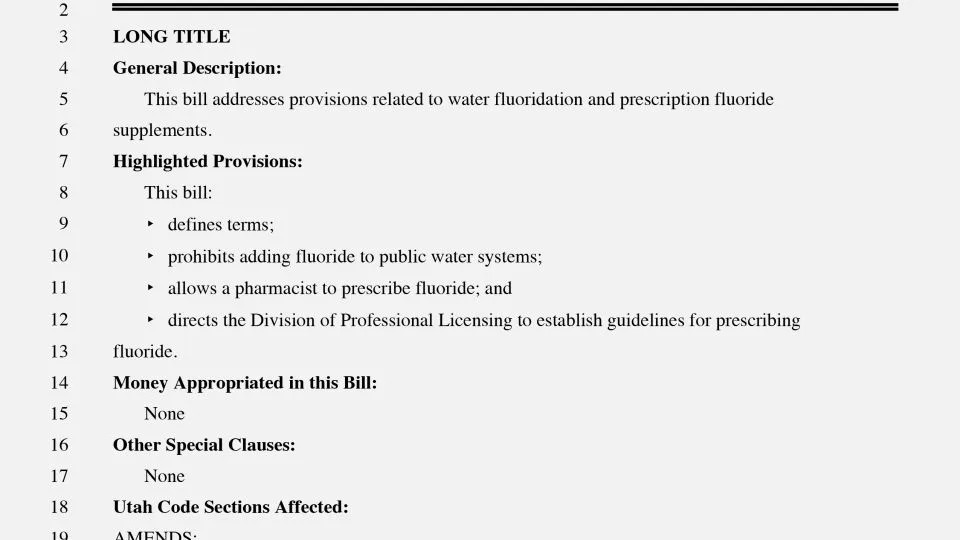
Gov. Spencer Cox signed HB 81 into law in 2025, making Utah the first state to ban the addition of fluoride to public drinking water. - Utah State Legislature
Science, Debate, and Unresolved Questions
Critics of fluoridation have seized on a 2024 National Toxicology Program review that identified associations between high fluoride exposure and reduced IQ in some studies. Public-health experts counter that the NTP analysis relied largely on studies from other countries with much higher fluoride levels and different environmental contexts; the report itself says it does not answer whether U.S.-level water fluoridation is linked to measurable IQ changes.
"Low, steady exposure to fluoride is widely credited with dramatic declines in tooth decay," said Scott Tomar, associate dean at the University of Illinois Chicago College of Dentistry. Yet he and others warn that alarmist rhetoric from high-profile officials could discourage parents and clinicians from using safe, effective fluoride interventions.
Practical Consequences for Vulnerable Children
Public-health groups, dentists and pediatricians warn that curbing community fluoridation while simultaneously restricting supplements, toothpaste guidance, and clinical varnishes could increase dental disease among underserved populations. Fluoride supplements — first introduced in the 1940s — never underwent formal FDA approval, and the FDA’s recent notices target certain unapproved ingestible products for young children. Meanwhile, supplemental measures such as varnish and prescription drops have limited reach compared with community water fluoridation.
Local and National Momentum
Since Utah’s ban, Florida adopted a statewide prohibition, and lawmakers in many other states have introduced similar bills. Local debates over fluoridation have become more contentious, and dental professionals in affected states are scrambling to develop targeted programs to protect children who lose access to fluoridated water.
Bottom line: The controversy reflects a broader clash between precautionary calls from new federal leaders and long-standing public-health consensus that tap-water fluoridation is a low-cost, population-wide tool that significantly reduces tooth decay. Experts warn that restricting both water fluoridation and practical alternatives could leave the most vulnerable children worse off.
Help us improve.