Israel's recognition of Somaliland and recent diplomatic visits have heightened tensions in the Red Sea corridor. Somaliland has signalled openness to security cooperation — potentially including an Israeli military presence — prompting threats from Yemen’s Houthi movement to target any Israeli foothold. Analysts say Israel seeks strategic depth against Houthi attacks on regional shipping, while Somaliland views recognition as an urgent path to international legitimacy. The partnership is nascent, carries substantial escalation risk, and its long‑term trajectory remains uncertain.
Why Israel Recognised Somaliland: Strategic Gains, Regional Risks and What Comes Next
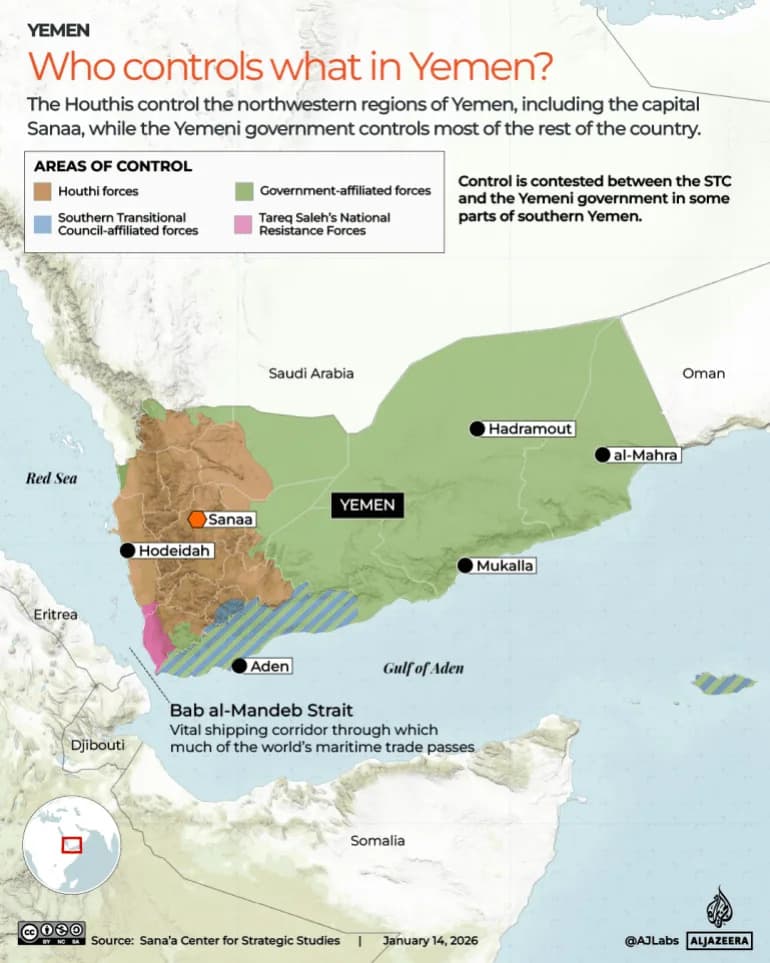
Interactive_Yemen_Control_Map_Jan14_2026_REVISED
Israel's decision to recognise Somaliland has reshaped a sensitive corridor of Red Sea geopolitics, drawing both strategic interest and serious warnings. The move — announced publicly by Prime Minister Benjamin Netanyahu on December 26, 2023 — prompted immediate condemnation from Somalia and widespread criticism across Africa and the Middle East. It also sparked a stern response from Yemen's Houthi movement, whose leader Abdel‑Malik al‑Houthi warned that any Israeli presence in the region would be treated as a legitimate military target.
Strategic Motives
Analysts see Israel's recognition as part of a broader pivot from covert, state-to-state engagements toward building ties with alternative partners in the region. Israel faces a growing security challenge from Houthi strikes in the Red Sea and Gulf of Aden — including missiles and drones launched from northern Yemen against Israeli-linked shipping during the Gaza war — and seeks new forward positions to monitor and, if necessary, counter Houthi capabilities.
Berbera Port And Military Considerations
The port of Berbera, on Somaliland’s Gulf of Aden coast at the entrance to the Red Sea, is the principal geographic prize. The port sits on one of the world's busiest shipping lanes and is roughly 500 km (about 300 miles) from Houthi-controlled areas of Yemen. Israeli and independent assessments have described Somaliland as a possible "forward base" for intelligence collection, logistics support for Yemen’s internationally recognised government, and even direct operations against Houthi targets.
Israeli Foreign Minister Gideon Saar recently visited Somaliland and included Berbera in his itinerary; the official readout said that security cooperation featured on the agenda. Somaliland officials have signalled openness to deeper security ties, and some have not ruled out a potential Israeli military presence — a prospect that has intensified regional alarm.
Regional Reactions And Risks
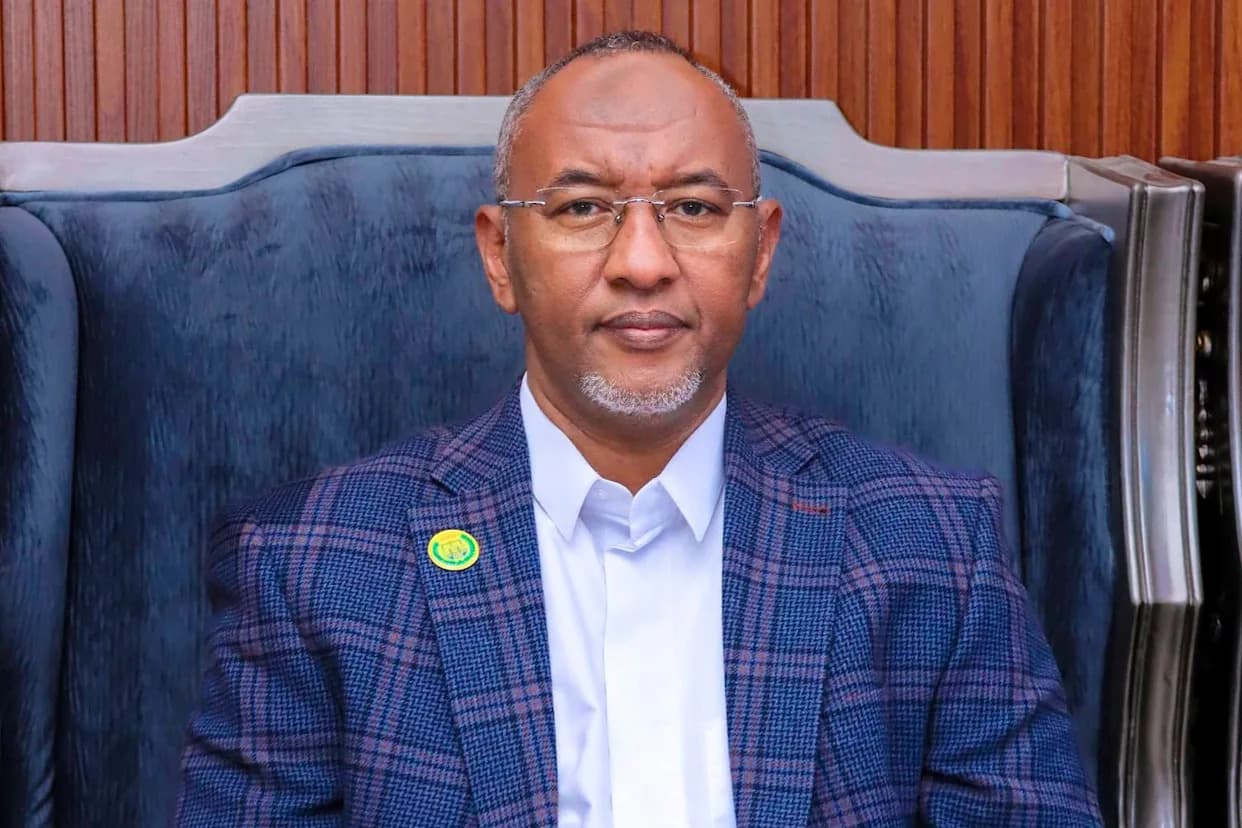
The Houthis have repeatedly stated they would target any fixed Israeli presence they can reach. Abdel‑Malik al‑Houthi has described Israel's recognition as a "hostile stance" and warned of military responses. Somaliland figures, including the former intelligence director Mostafa Hasan, have suggested such threats amount to an effective declaration of war if acted upon.
Observers warn that an Israeli footprint in Somaliland could escalate tensions across the southern Red Sea and Gulf of Aden, increasing the risk to commercial shipping and drawing outside powers into a volatile maritime theatre.
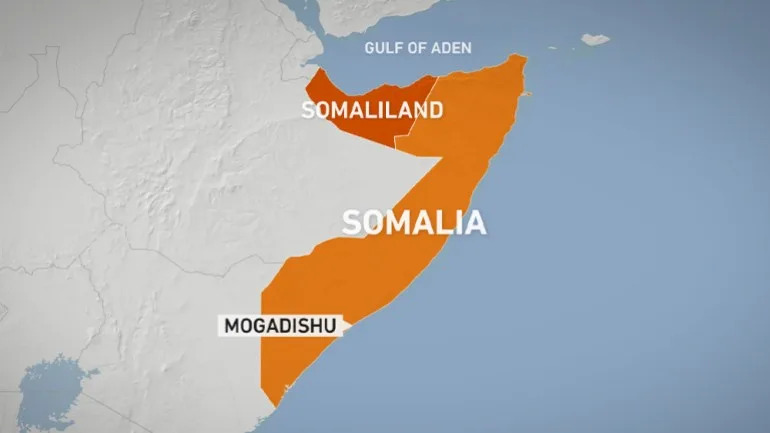
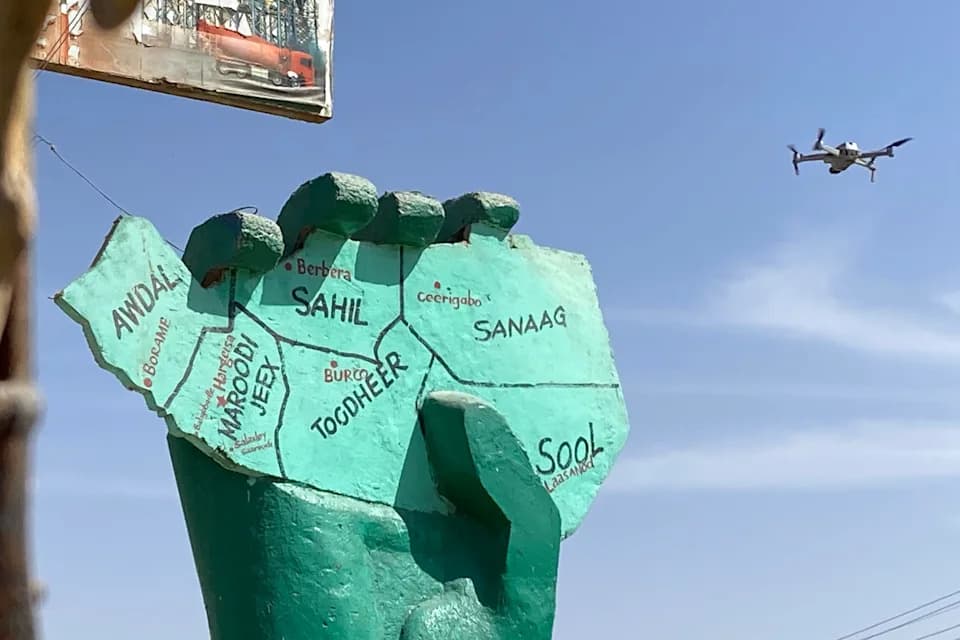
Map of Somalia, showing Somaliland [Al Jazeera]
Somaliland’s Calculus
For Hargeisa, the recognition is a diplomatic lifeline. Somaliland has long sought international recognition and, in mid‑2025, its president sent letters to 193 heads of state offering strategic cooperation in return for formal recognition; publicly, only Israel has replied so far. The break with Mogadishu has deep roots: Somaliland lost control of Las Anod in 2023, and Mogadishu has tightened controls over airspace, visas and ports — moves that have heightened Hargeisa’s sense of urgency.
Many in Somaliland view ties with Israel (and outreach to other partners such as Taiwan) as a pragmatic way to secure international backing and investment. Local political leaders have framed recognition as existential and necessary.
International Response And Diplomatic Implications
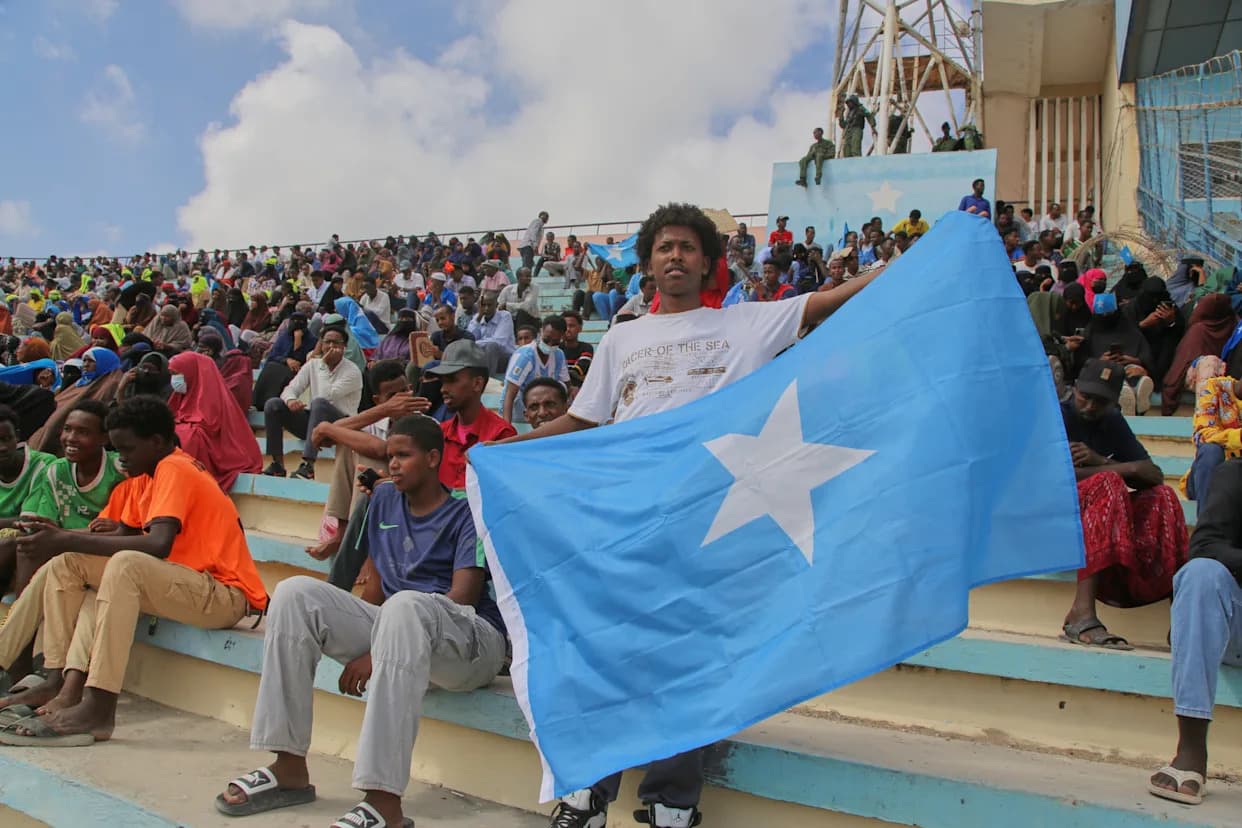
The recognition has provoked diplomatic fallout. Somalia condemned the move and called on international partners to reject Somaliland's independence. Several African and Middle Eastern states criticised Israel’s action. Washington has publicly said it was not involved in Israel’s decision; US officials emphasised no change in official US policy, though some US political figures have voiced support for Somaliland.
Analysts note that, diplomatically, both sides face limited immediate costs: Israel has become more isolated elsewhere and may be willing to absorb criticism, while Somaliland — not recognised by other UN member states — stands to gain a major breakthrough.
Outlook
The relationship between Israel and Somaliland is nascent and high‑risk. Potential benefits include enhanced maritime surveillance and new logistical support for anti‑Houthi operations; risks include escalation with the Houthis, regional destabilisation, and broader diplomatic blowback. Both actors are likely to proceed cautiously while testing the limits and returns of their cooperation.
Key Voices: Shiri Fein‑Grossman (Israel‑Africa Relations Institute) said recognition provides Israel a strategic foothold near the Houthis. Max Webb (Horn of Africa analyst) characterised the move as a response to new threats. Asher Lubotzky and Alon Liel (Israeli analysts) highlighted both the operational motives and broader diplomatic ambitions behind Israel’s outreach.
Note: This article synthesises public statements, think‑tank assessments and media reporting to present the strategic and political stakes of Israel's recognition of Somaliland. Dates and quotes reflect the reporting timeline cited in source material.
Help us improve.