Key Question: Who would rule Iran if the Islamic Republic fell depends largely on whether the country’s coercive institutions—the IRGC, Basij and regular military—remain united or fracture. Experts warn that a superficial elite reshuffle could leave armed institutions in control unless sustained protests, strikes and defections erode their power. Exiled figures like Reza Pahlavi and organised groups such as the MEK/NCRI are mentioned as potential players, but analysts stress there is no clear successor and that legitimacy must ultimately come from within Iran.
Who Would Rule Iran If the Islamic Republic Collapsed? Security Forces, Exiles and an Unclear Succession
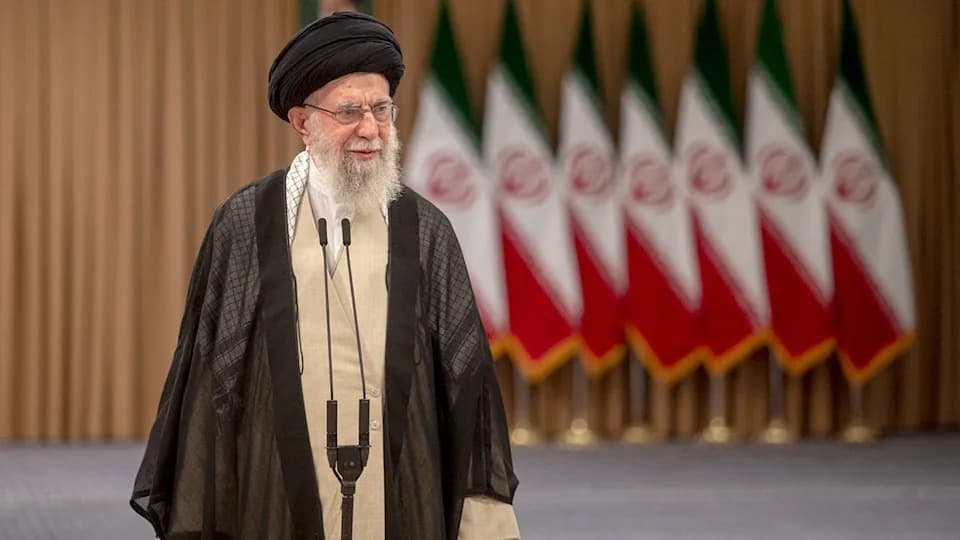
Iranian Supreme Leader Ayatollah Ali Khamenei speaks after casting his vote for the presidential runoff election on July 5, 2024, in Tehran, Iran.
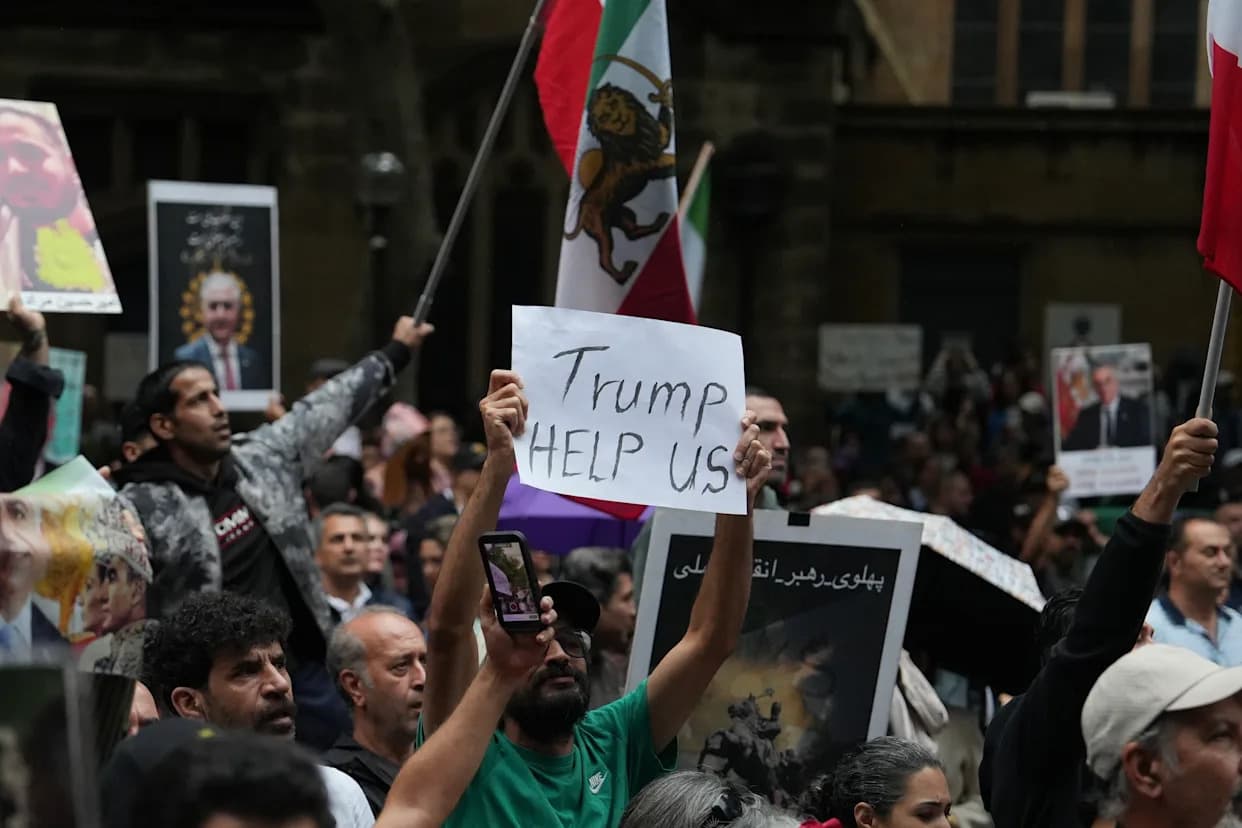
As anti-regime protests spread across Iran and questions intensify about Supreme Leader Ali Khamenei’s long-term grip, a central question looms: who would actually take power if the Islamic Republic were to collapse?
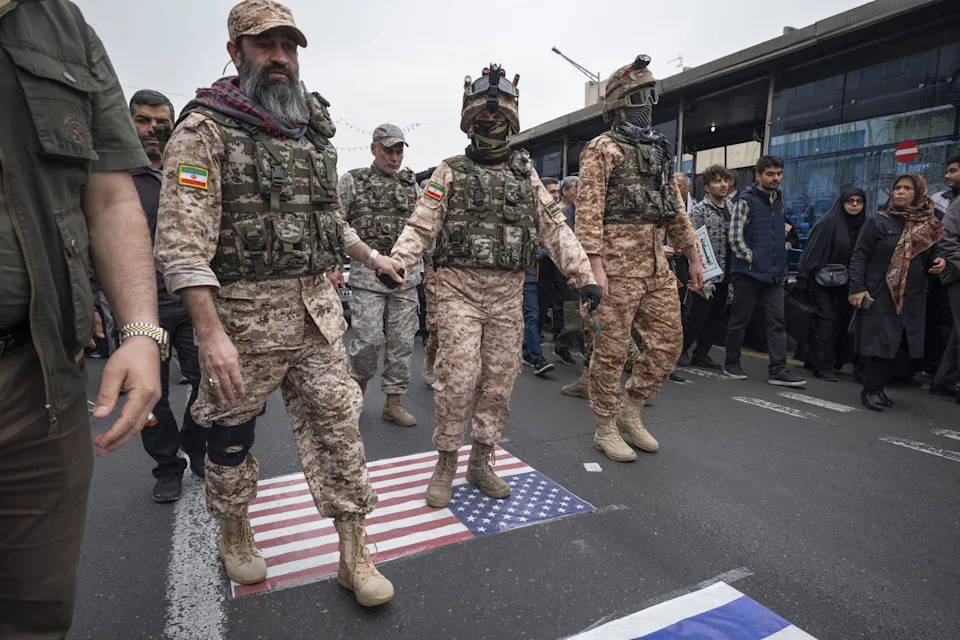
Islamic Revolutionary Guard Corps (IRGC) Special forces walk on the U.S. flag during a rally commemorating International Quds Day, also known as Jerusalem Day, in Tehran, Iran, on March 28, 2025.
How a Collapse Could Unfold
Regional experts and opposition figures say the answer is far from clear and depends less on ideology than on how the regime unravels and whether Iran’s coercive institutions—the Islamic Revolutionary Guard Corps (IRGC), the Basij militia and the regular military—hold together or fracture.
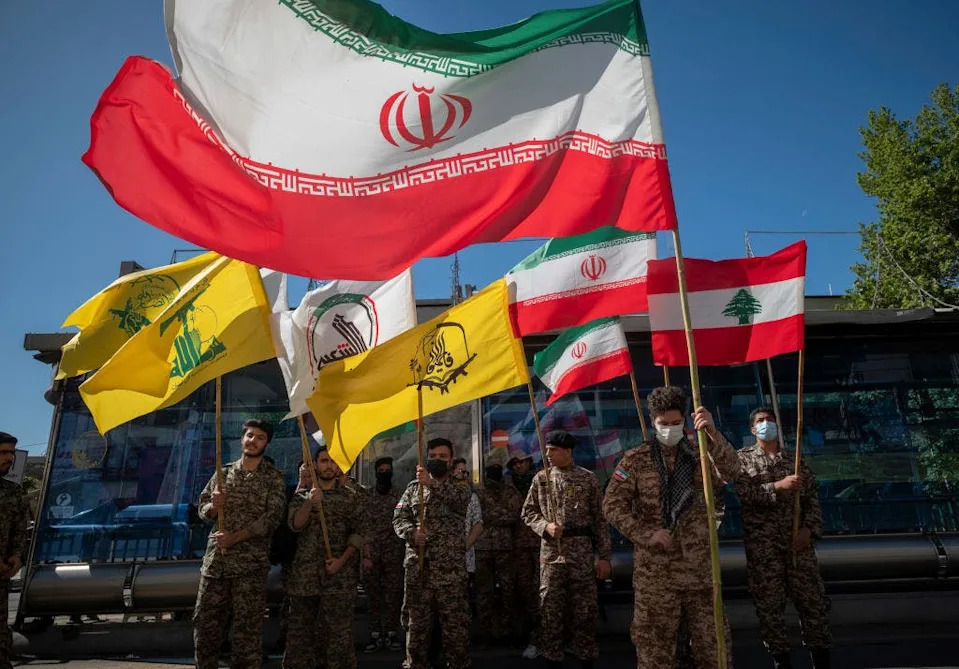
Members of the Basij paramilitary force hold Iranian flag, Lebanese flag, flag of Hashd Shabi, flag of Quds force's Fatemiyoun Brigade and flag of Lebanon's Hezbollah, during a rally commemorating International Quds Day, also known as the Jerusalem day, in downtown Tehran, April 14, 2023.
Behnam Ben Taleblu, a senior fellow at the Foundation for Defense of Democracies, argues that the decisive variable is not simply whether the regime collapses but how it happens. He notes Khamenei’s limited public profile and post-war posture, raising questions about how directly the supreme leader currently runs daily affairs. Ben Taleblu warns against Western support for superficial transitions that merely reshuffle elites while leaving repressive institutions intact.
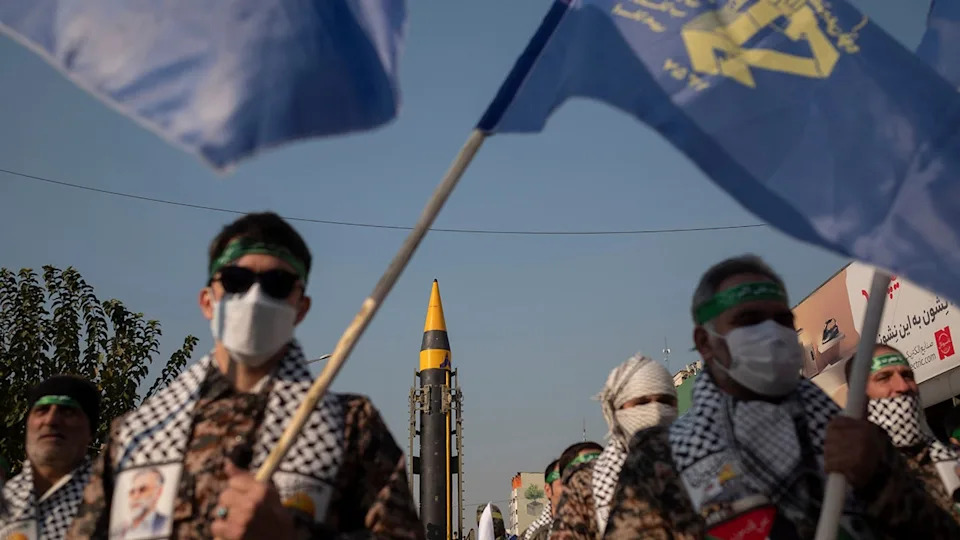
Islamic Revolutionary Guard Corps (IRGC) military personnel are standing at attention wearing protective face masks while an Iranian Kheibar Surface-to-Surface missile is being unveiled during the Ela Beit Al-Moghaddas (Al-Aqsa Mosque) military rally in Tehran, Iran, on November 24, 2023. The IRGC is unveiling two new missiles during the rally.
"One thing I fear is the Western temptation for a Maduro-type or Egypt-type model," Ben Taleblu said, referring to transitions in which entrenched security forces retain effective power under new leadership.
Coercive Power Versus Political Legitimacy
Multiple analysts emphasized that the fate of the regime’s coercive apparatus is pivotal. Ben Taleblu says a viable transition would require prolonged street protests, economic strikes and visible cracks within security units. Absent that erosion, clerical figureheads might be removed while real power remains in the hands of armed institutions.
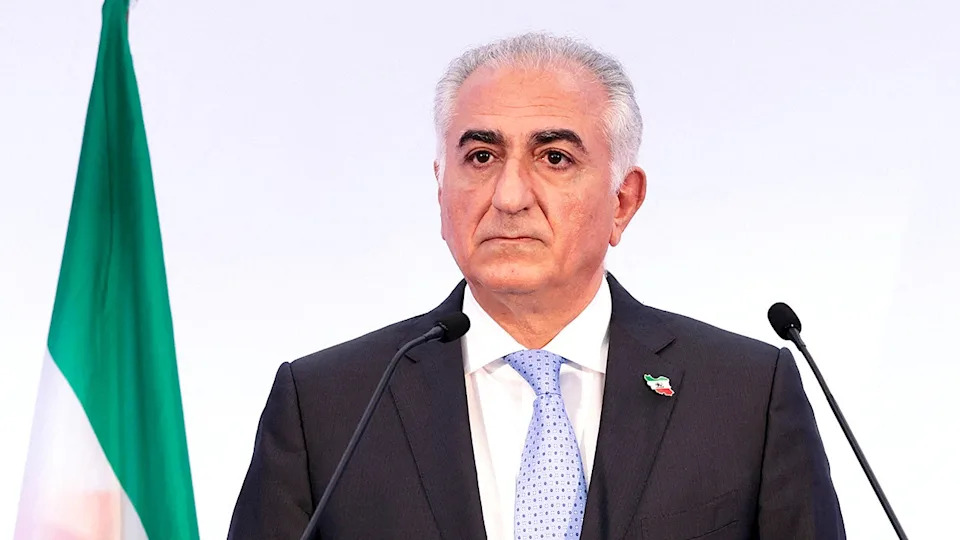
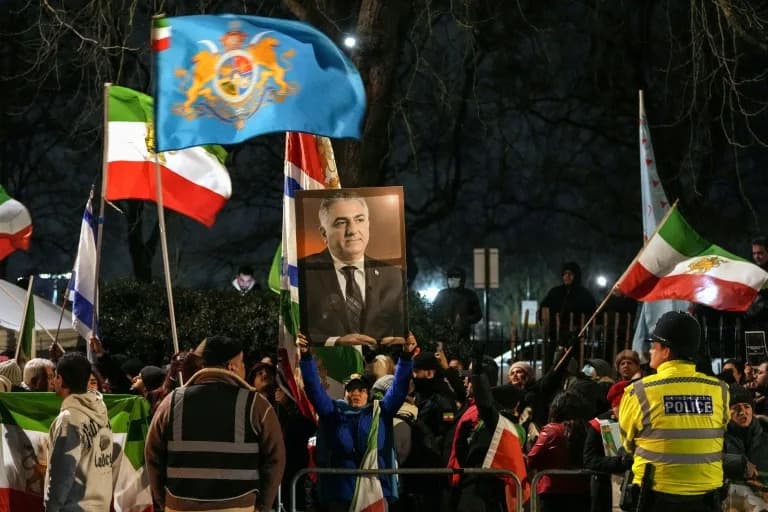
Iranian opposition leader Reza Pahlavi holds a press conference in Paris on June 23, 2025.
"What has to be chipped away is the regime’s coercive power," he said. "If the state plays musical chairs, the street will not settle for it. That means a bumpier road ahead."
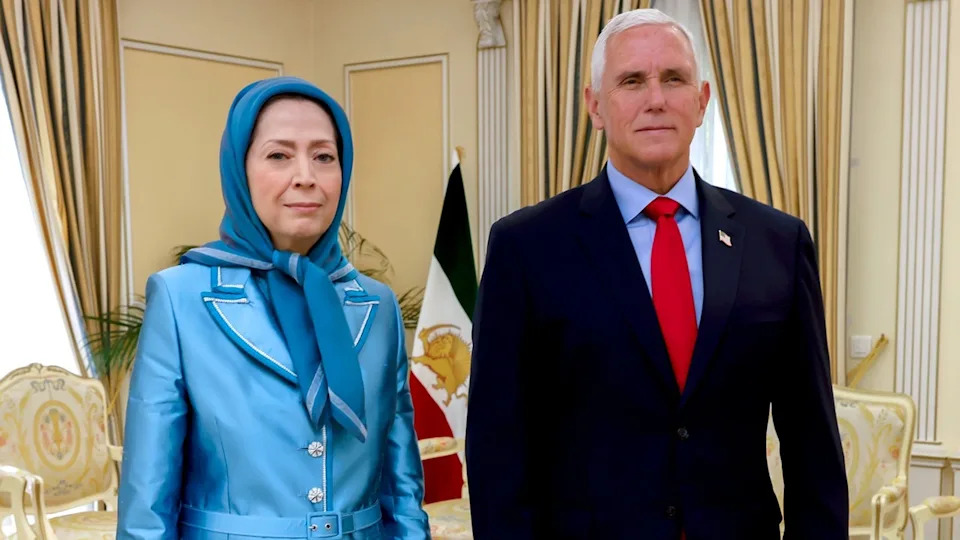
NCRI President-elect Maryam Rajavi stands with former Vice President Mike Pence.
Possible Power Centers
Analysts outline several potential outcomes, none assured:

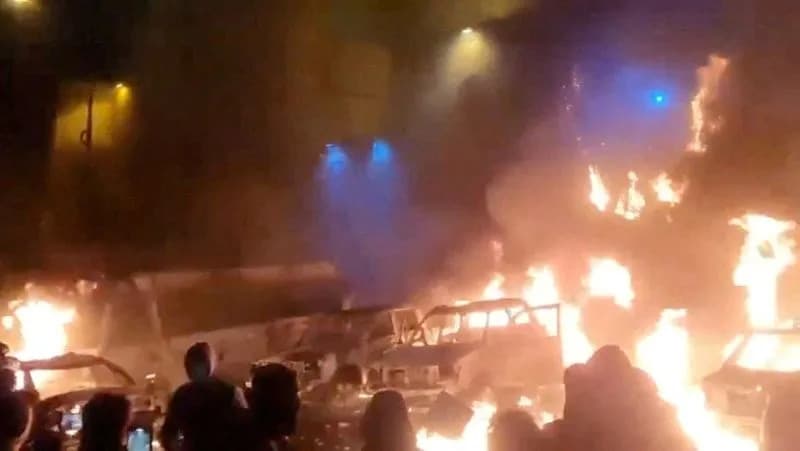
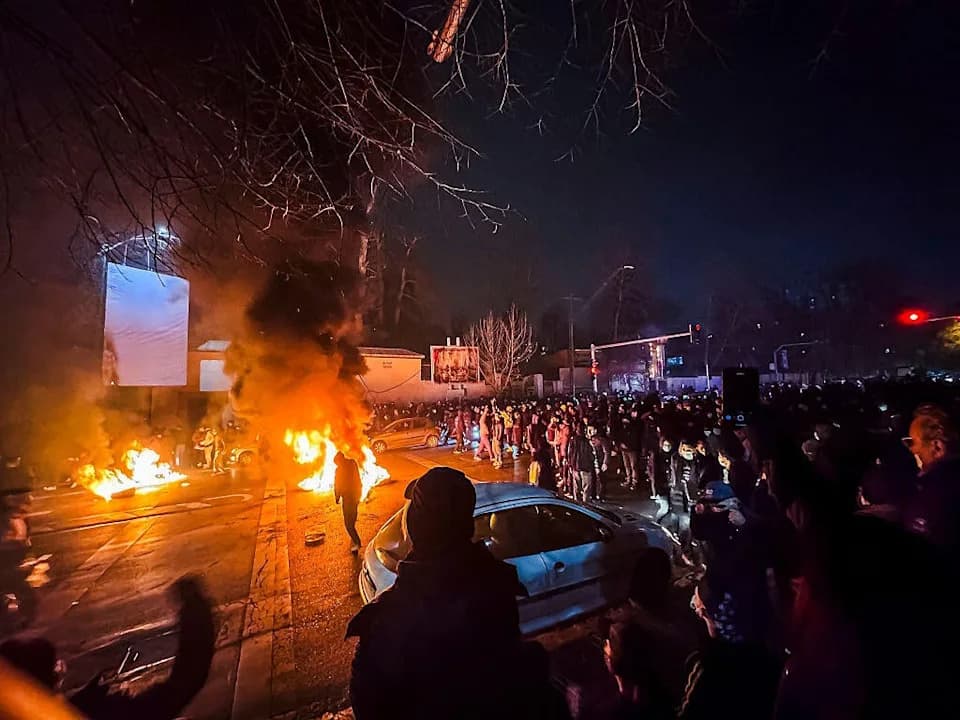
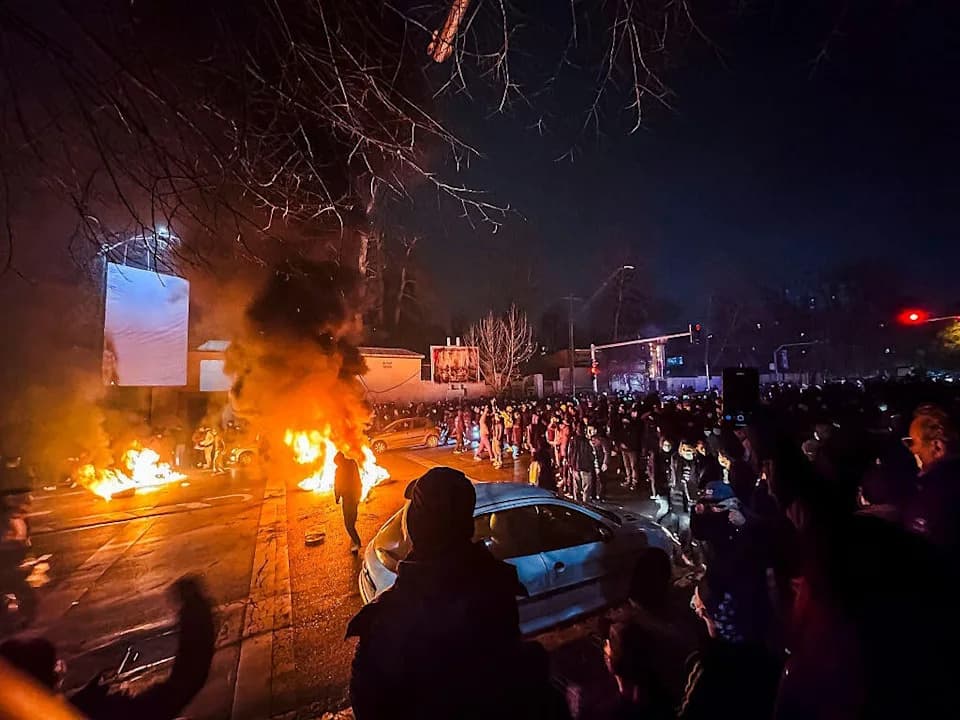
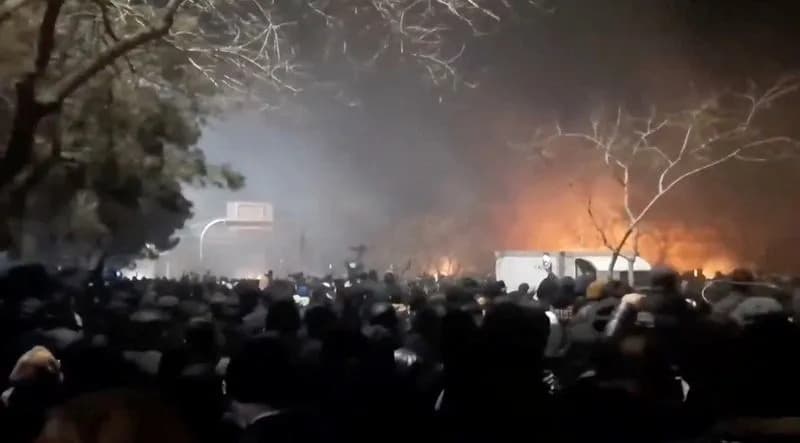
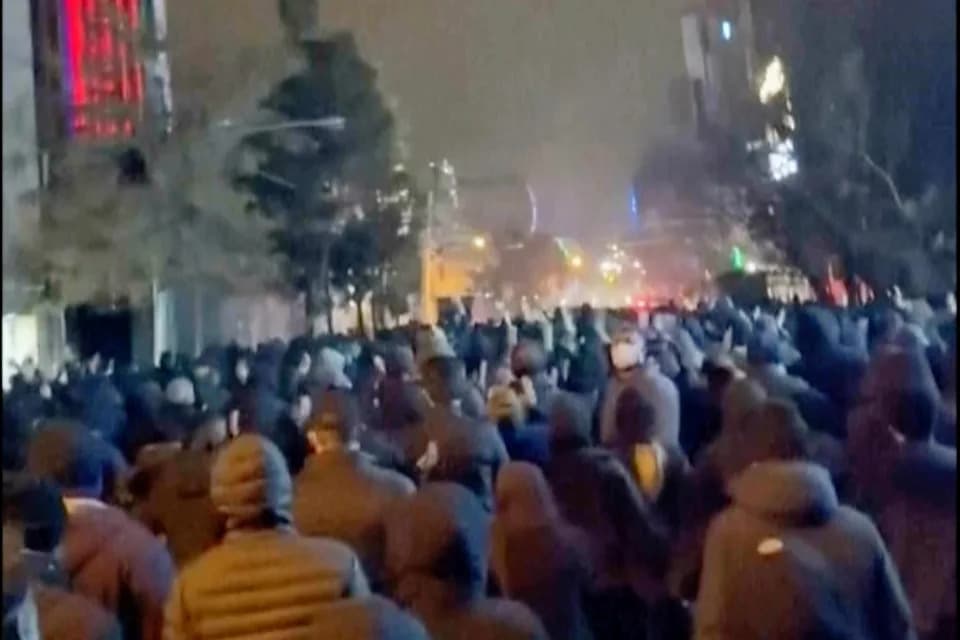
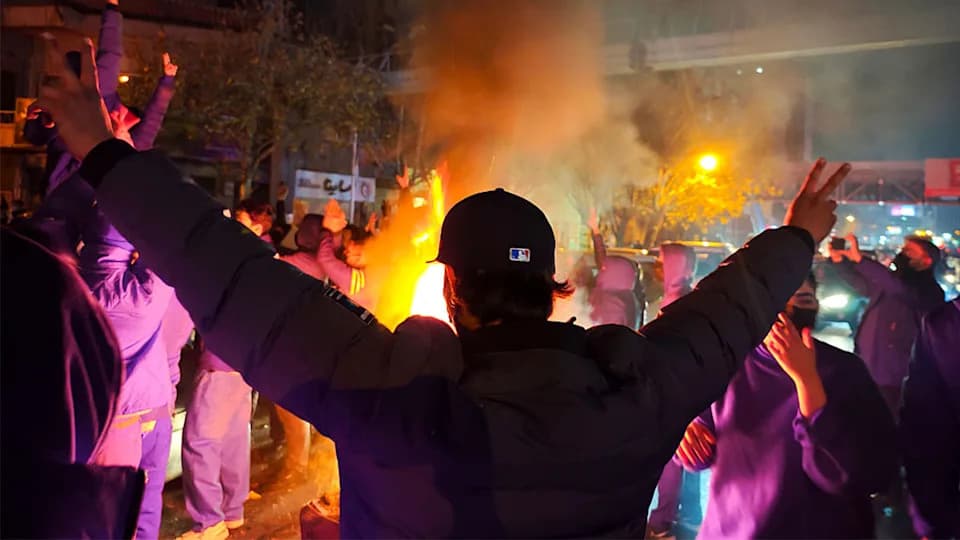
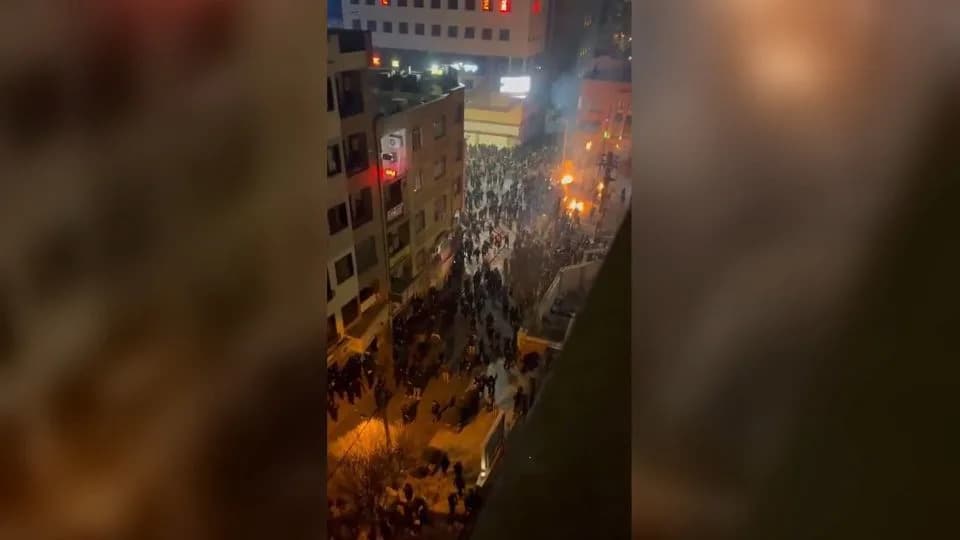
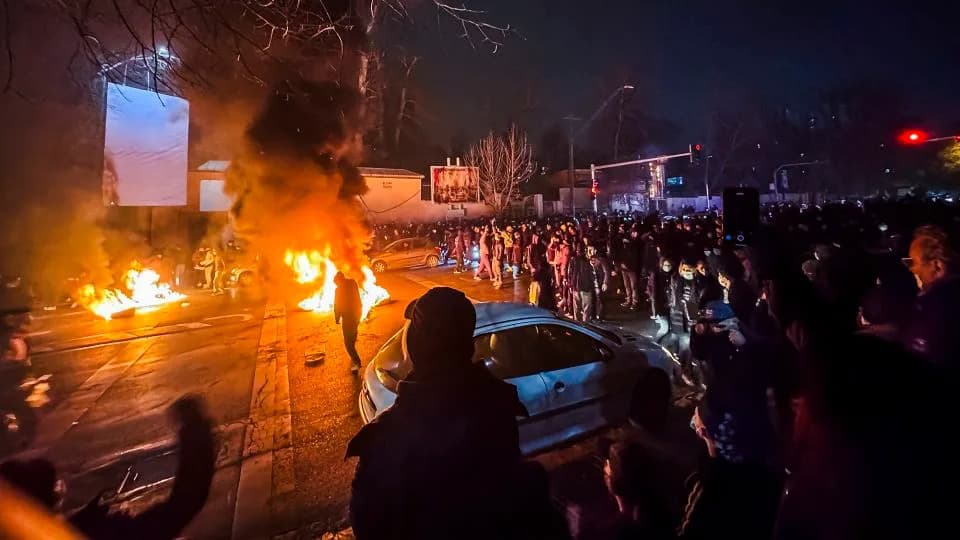
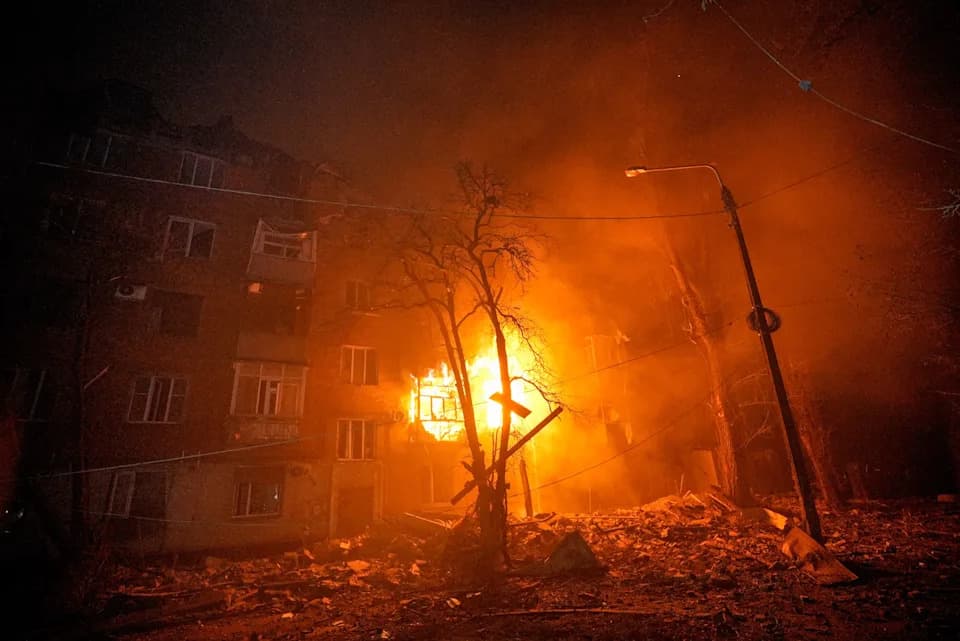
Protesters gather as vehicles burn, amid evolving anti-government unrest, in Tehran, Iran, in this screen grab obtained from a social media video released on Jan. 9, 2026.
- Military or Security-Led Transition: Some point to historical precedents—such as Egypt—where the military stepped into a political vacuum. Benny Sabti, an Iran specialist at Israel’s Institute for National Security Studies, warns that IRGC generals could theoretically attempt to seize power, though Iran’s security institutions are not monolithic.
- Exiled Figures and Diaspora Movements: Exiled leaders such as Reza Pahlavi, the son of Iran’s last shah, have emerged as focal points for parts of the opposition. Supporters describe him as a proponent of a secular, democratic Iran who says the future form of government should be decided by Iranians through a free constitutional process. Critics contend he remains polarizing—especially among Iranians suspicious of monarchy or foreign influence.
- Organized Opposition Groups: Movements like the Mujahedin-e Khalq (MEK) and the National Council of Resistance of Iran (NCRI), led by Maryam Rajavi, propose a transitional program that includes a provisional government and elections for a constituent assembly. The MEK/NCRI have some prominent external backers but remain controversial and face questions about their popular support inside Iran.
- Grassroots Revolutionary Forces: Many experts argue genuine leadership would likely emerge from a broader coalition built outside prison walls and inside the diaspora, rather than being driven by a single jailed activist or an individual released from detention.
Practical Obstacles and Political Realities
Analysts caution about practical constraints. Decades of repression make it difficult to cultivate national political leaders inside Iran; charisma and popular legitimacy matter in Iranian politics, and internal dissent does not automatically produce capable national leaders. Internet blackouts and state censorship also make it hard to verify reports from the ground.
Banafsheh Zand, an Iranian-American journalist, argued that Pahlavi could serve as a unifying figure, while others in the diaspora strongly dispute that claim. Maryam Rajavi and the NCRI call for an organized nationwide resistance and a clear post-overthrow timetable—claims critics say overstate the groups’ support within Iran.
What Analysts Agree On
Despite intense speculation, experts share one key point: there is no clear successor waiting in the wings. Khamenei remains alive, and Iran’s security forces have not fractured. Many observers describe the moment as a marathon rather than a sprint and urge caution about simplistic collapse narratives.
"This is about getting the best bridgehead to a post-Islamic Republic Iran," Ben Taleblu said, "so that the forces of revolution inside can finally become voters and choose their own fate."
Any credible transition, analysts say, will require both the erosion of coercive power and a pathway to internal legitimacy—whether through broad-based popular movements, negotiated arrangements that include civilian authority, or a constituent process that lets Iranians decide their future.
Help us improve.