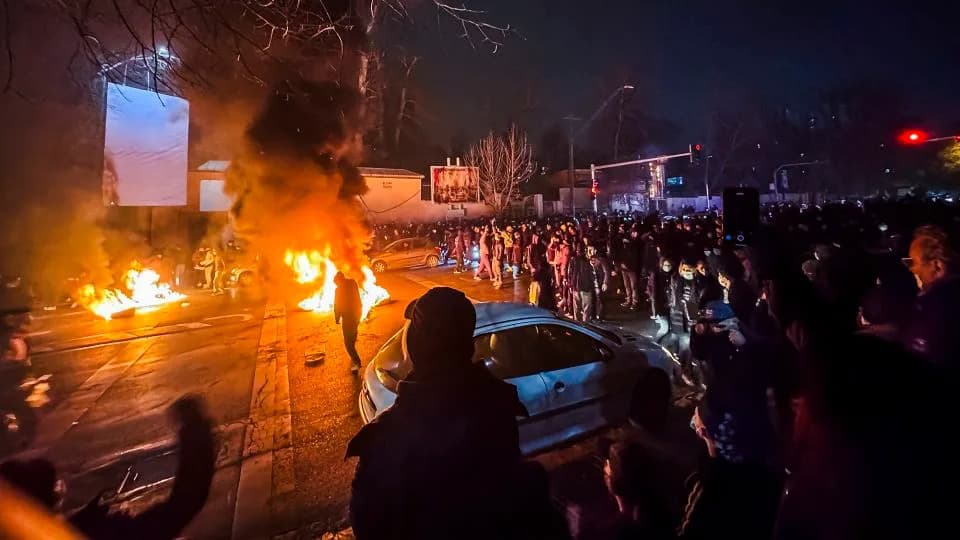
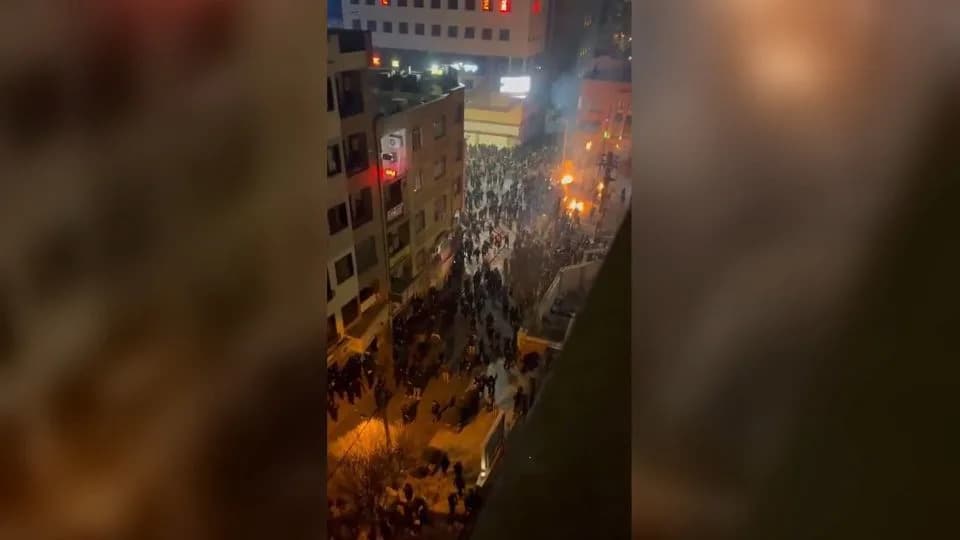
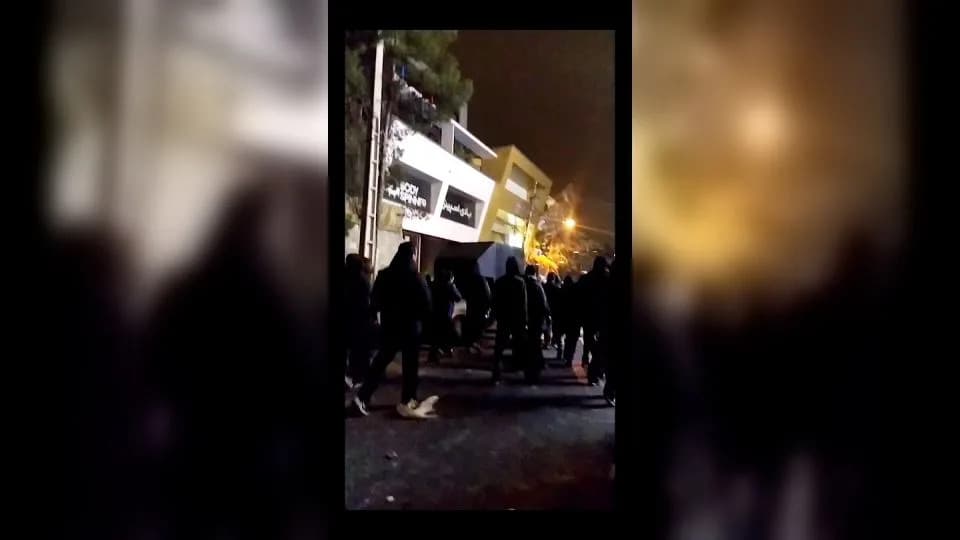
Quick Summary: Iran's Supreme Court chief has vowed to fast-track public trials for people detained in recent protests, saying those accused of extreme violence should be punished swiftly. Prosecutors plan to use capital charges including "moharebeh," raising international concern about executions. Death toll estimates vary widely, with some groups reporting thousands of fatalities; Iranian state media reported mass funerals in Tehran. Human rights organizations have urged Iran to halt executions and ensure fair trials.
Iran Promises Fast-Track Trials After Protest Crackdown as Rights Groups Warn of Death Penalties
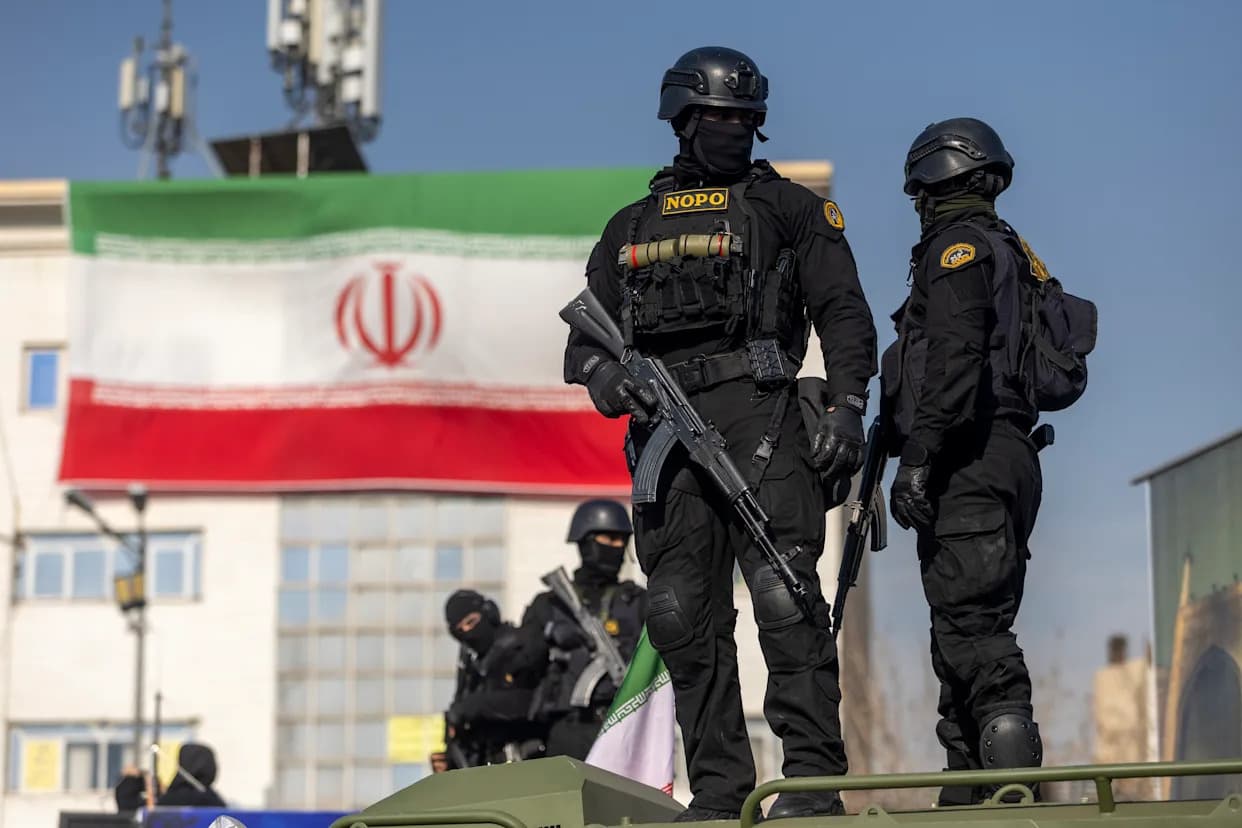
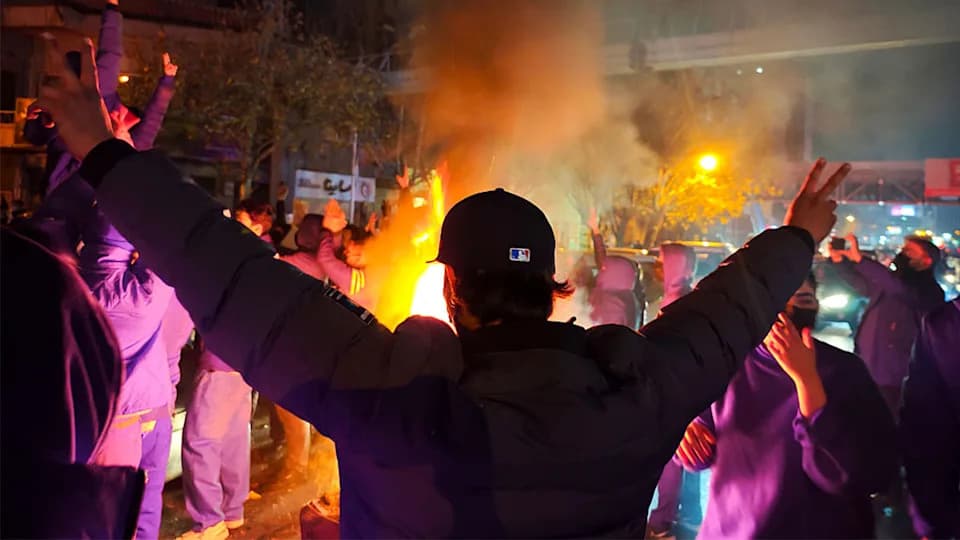
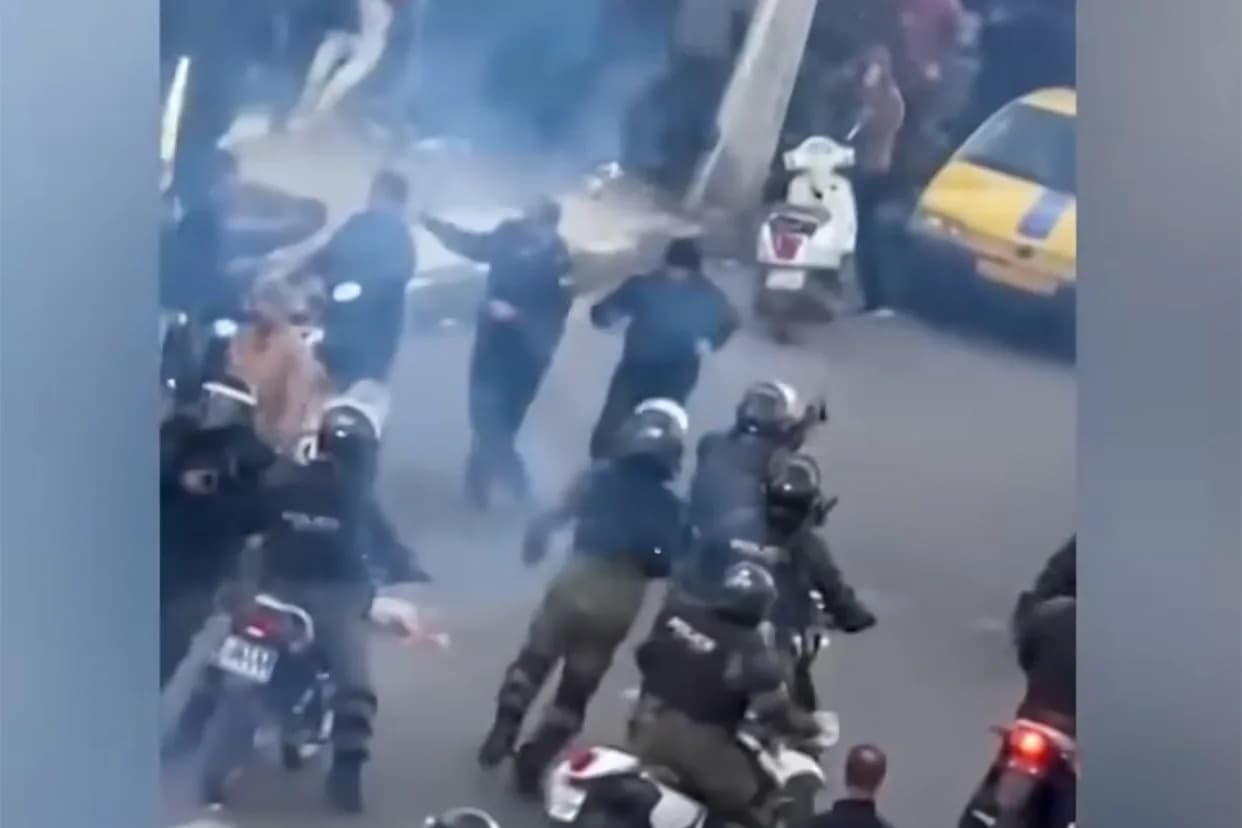
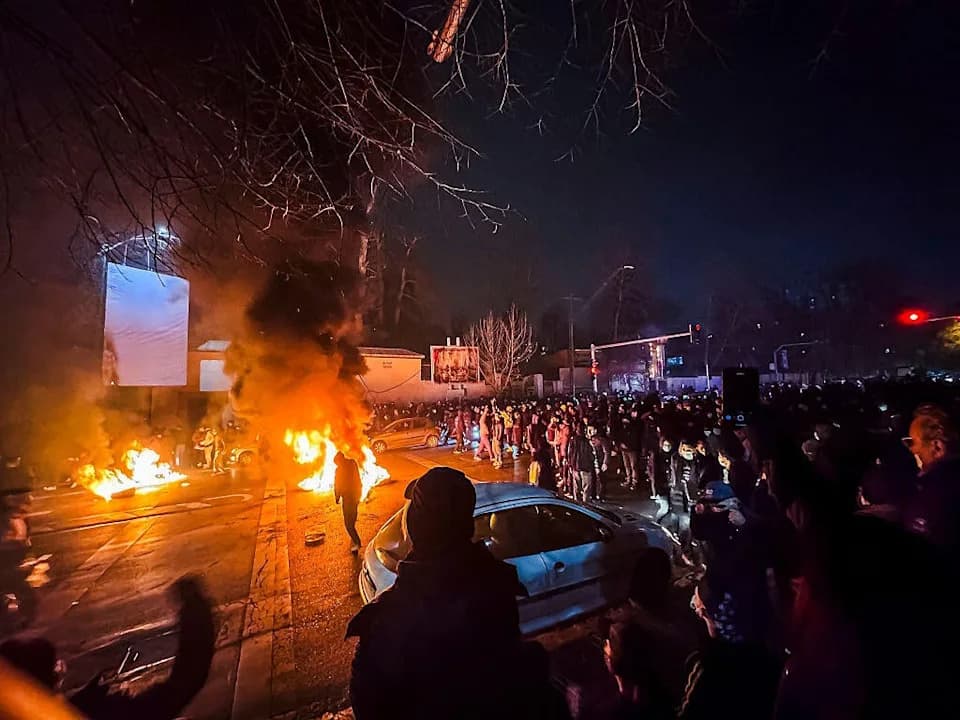
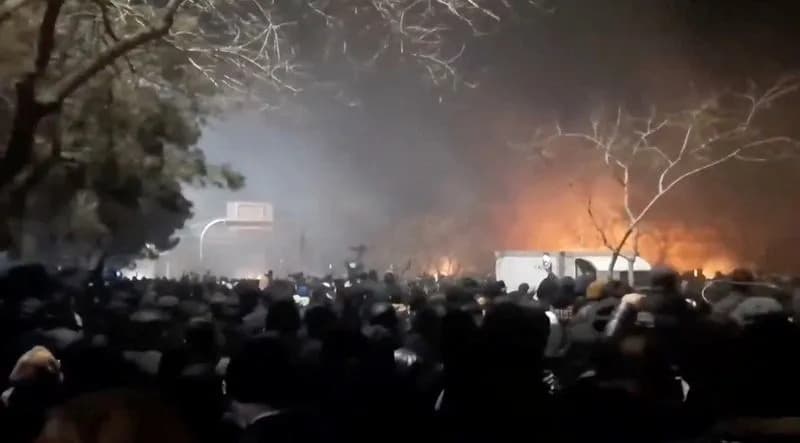
Thousands of people have been arrested in ongoing antigovernment protests in Iran, and authorities have pledged fast-tracked trials and capital punishment [File: Getty Images]
Iran's top judicial official has pledged to accelerate public trials for people detained during a wave of protests, while rights groups warn that the courts may increasingly impose the death penalty.
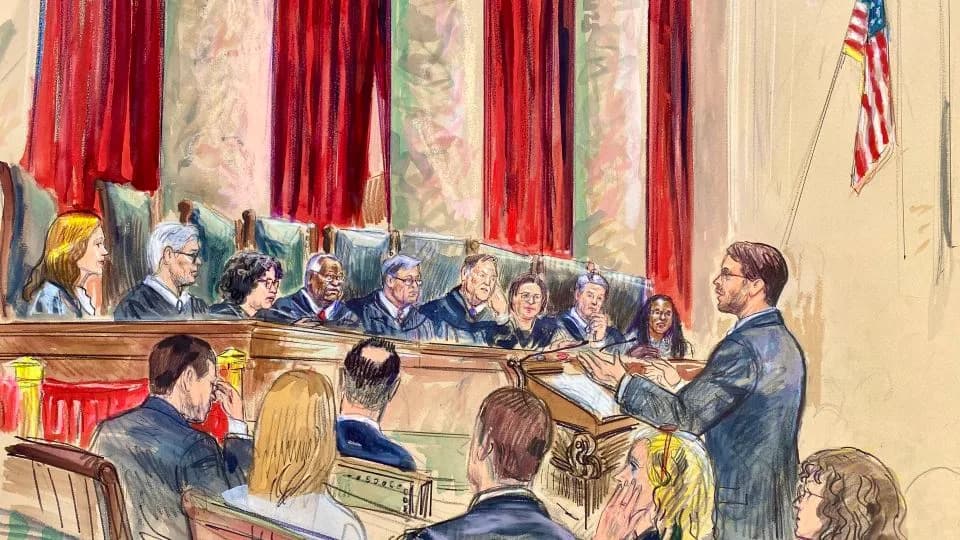
Supreme Court Chief Justice Gholam-Hossein Mohseni-Ejei told state television that those accused of extreme violence — including beheadings or setting people on fire in public — should be "tried and punished as soon as possible." State news agencies reported he spent several hours in a Tehran prison reviewing cases and said hearings should be held in public.
Capital Charges and Concerns
Tehran prosecutors said they will pursue capital charges of "moharebeh" (commonly translated as "waging war against God") against those described as "rioters and saboteurs" arrested during the demonstrations. Human rights organizations and legal experts warn that such charges carry a high risk of execution and that speedy trials may undermine fair-trial guarantees.
Disputed Death Toll and Mass Funerals
Authorities have not provided an official overall death toll. Officials say more than 100 members of the security forces have been killed; opposition activists and some independent groups report much higher fatalities. The US-based Human Rights Activists News Agency (HRANA) reported the number of dead had risen to at least 2,571, a figure Al Jazeera has not independently verified. Iranian state television said mass funerals in Tehran would include around 300 bodies of security personnel and civilians.
Reports From the Ground
Al Jazeera’s correspondent in Tehran, Tohid Asadi, reported that state messaging seeks to draw a sharp distinction between peaceful demonstrators and those labelled as "rioters" or "saboteurs" by officials, including Supreme Leader Ali Khamenei. Asadi said the judiciary has emphasized rapid trials for individuals accused of killing people, carrying weapons or destabilizing the country, while making no similar public assurances on behalf of peaceful protesters.
"The judicial system says it will rapidly conduct trials for those who killed people, carried weapons or destabilised the country," Asadi reported. "When it comes to peaceful protesters, there is no such statement from Iranian officials."
Individual Cases and International Response
The Kurdish rights group Hengaw said a 26-year-old man, Erfan Soltani, arrested in Karaj in connection with the protests, faced execution. Amnesty International and other human-rights organizations have called on Iran to halt all executions and to ensure detainees receive fair trials.
Roots of the Unrest and Political Reactions
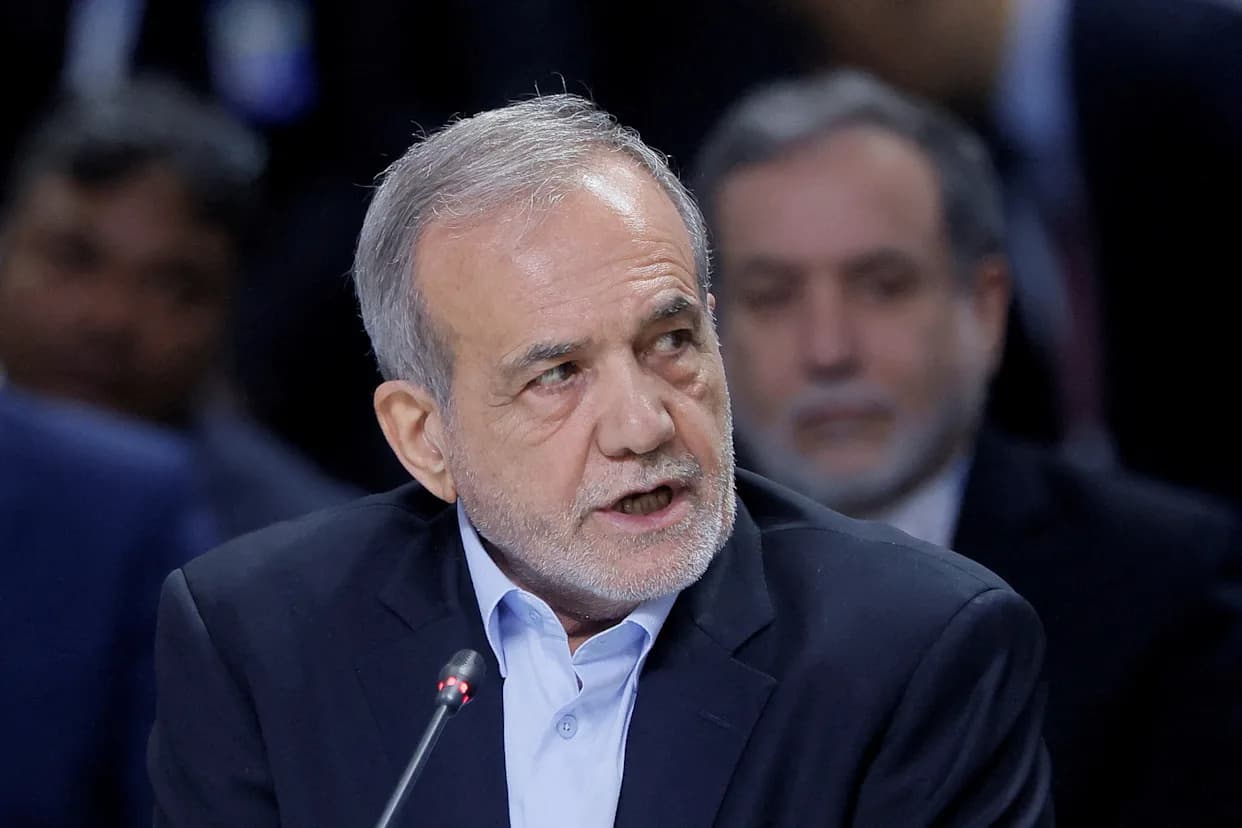
The protests began on December 28 amid soaring inflation and a plummeting rial and have broadened into one of the most serious challenges to Iran's clerical establishment since the 1979 Islamic Revolution. President Masoud Pezeshkian acknowledged the legitimacy of many economic complaints and called for officials to address the demands of merchants, bazaaris and other sectors affected by the crisis.
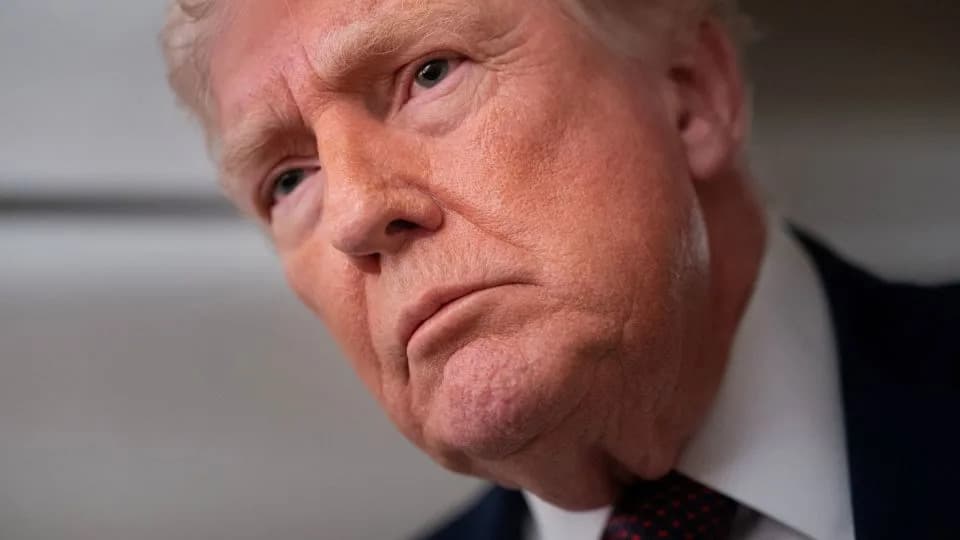
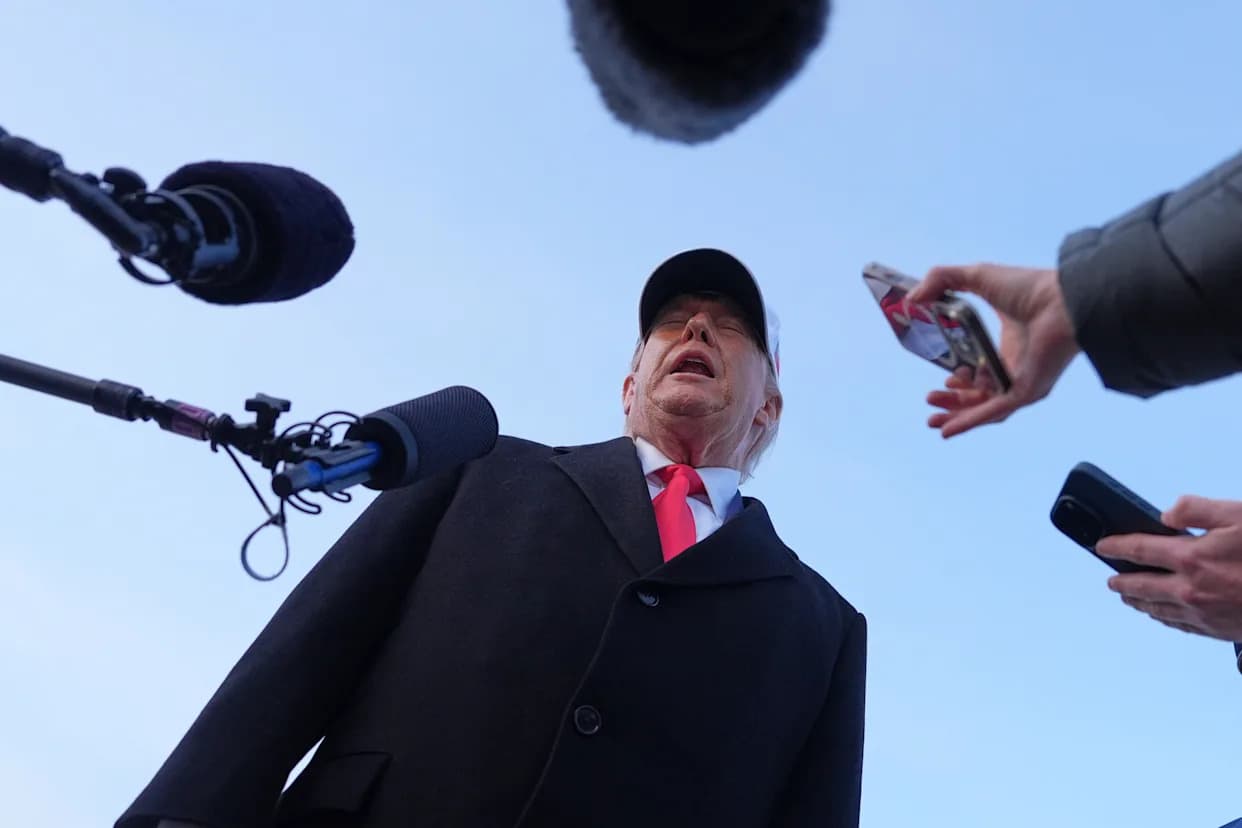
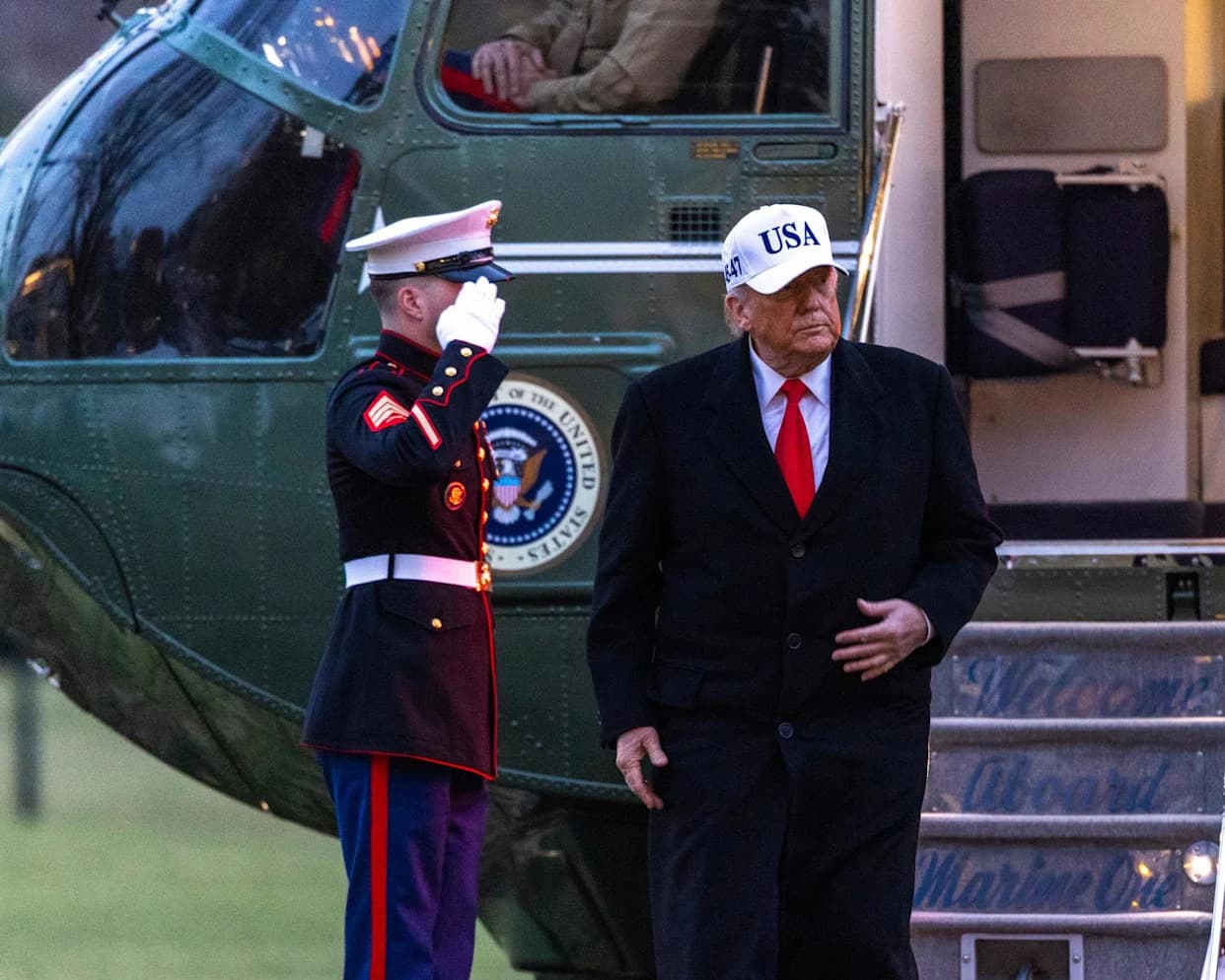
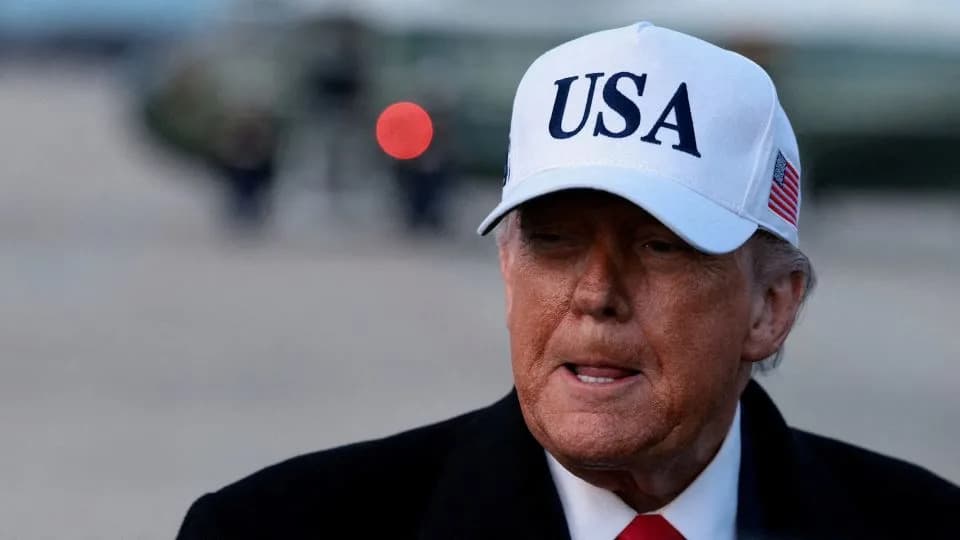
Iranian authorities have blamed "foreign elements" for stoking the unrest. Foreign Minister Abbas Araghchi accused Israel and the United States of backing incitement. In turn, then-US President Donald Trump publicly urged protesters to "remember the names of killers and abusers" and encouraged continued demonstrations, while warning of potential military responses if Iranian security forces used lethal force.
What Remains Unclear
Major questions remain about the accuracy of casualty figures, the fairness and transparency of accelerated trials, and whether international pressure will affect Tehran's judicial approach. Independent verification of many claims remains limited, and rights groups continue to call for access to detainees and fair legal process.
Help us improve.