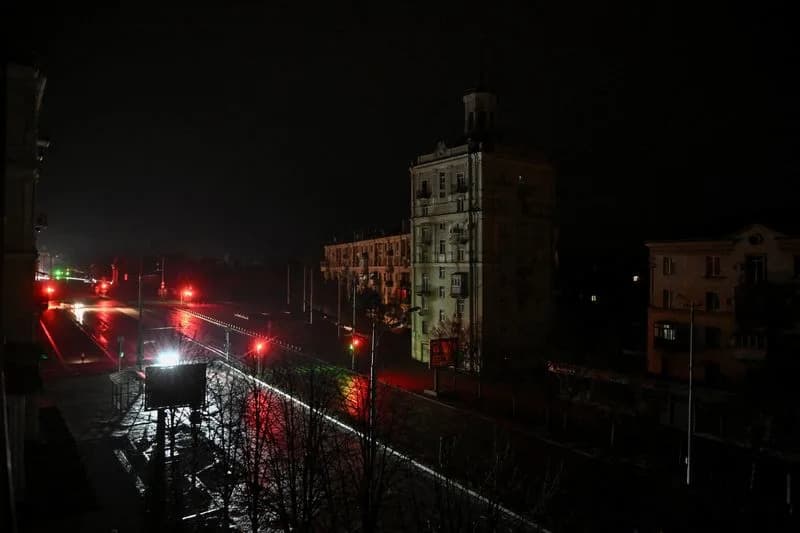
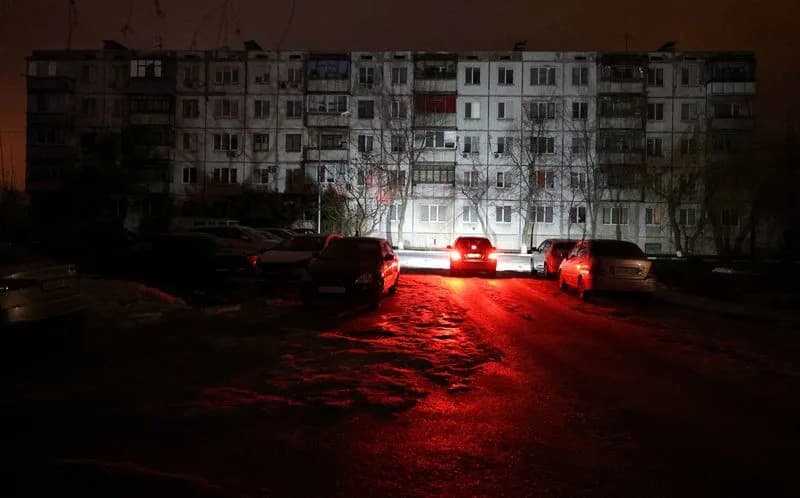
Emergency crews in the Kyiv region are working nonstop to repair power lines after repeated strikes on energy infrastructure left many households without heat during an exceptionally cold winter. In Boryspil and across Kyiv, residents face subzero temperatures, intermittent electricity and dark apartment blocks. Families rely on gas stoves, workplace generators and hot-water bottles to keep children and elderly relatives warm. Analysts warn that damage to power plants and substations — and long waits for replacement transformers — could keep outages going for months.
Kyiv Region Faces Bitter Cold As Crews Race To Repair War-Damaged Power Grid
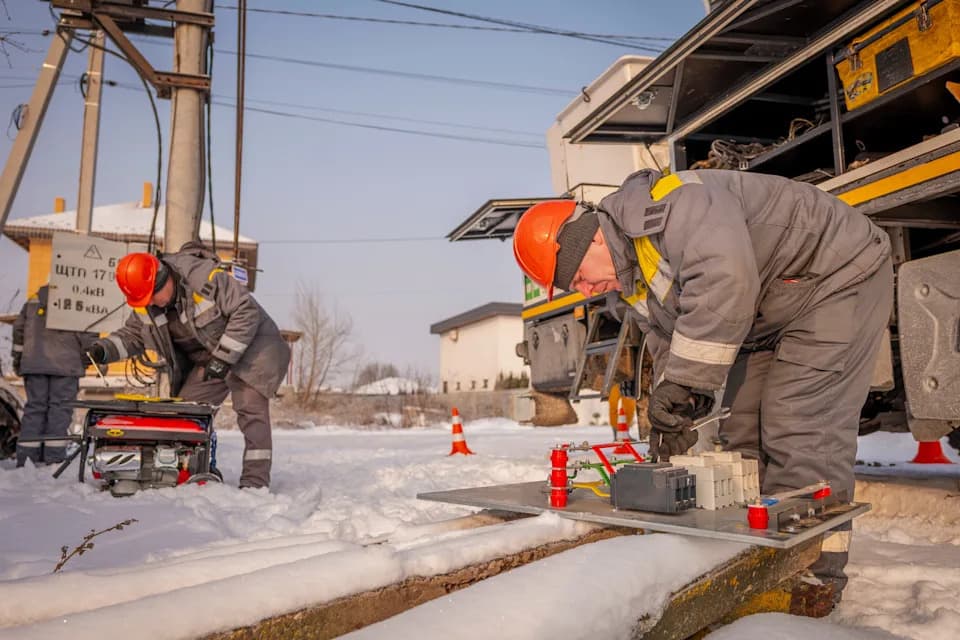
Electricians carry out emergency repairs on a power pole after a transformer burned out due to a voltage surge caused by regular Russian air attacks on the country's energy infrastructure in Kyiv region, Ukraine, Wednesday, Jan. 14, 2026. (AP Photo/Dan Bashakov)(ASSOCIATED PRESS)
Boryspil, Ukraine — Emergency repair crews across the Kyiv region are working around the clock to restore electricity after repeated Russian strikes on energy infrastructure left thousands of households exposed to what officials call the coldest winter in years.
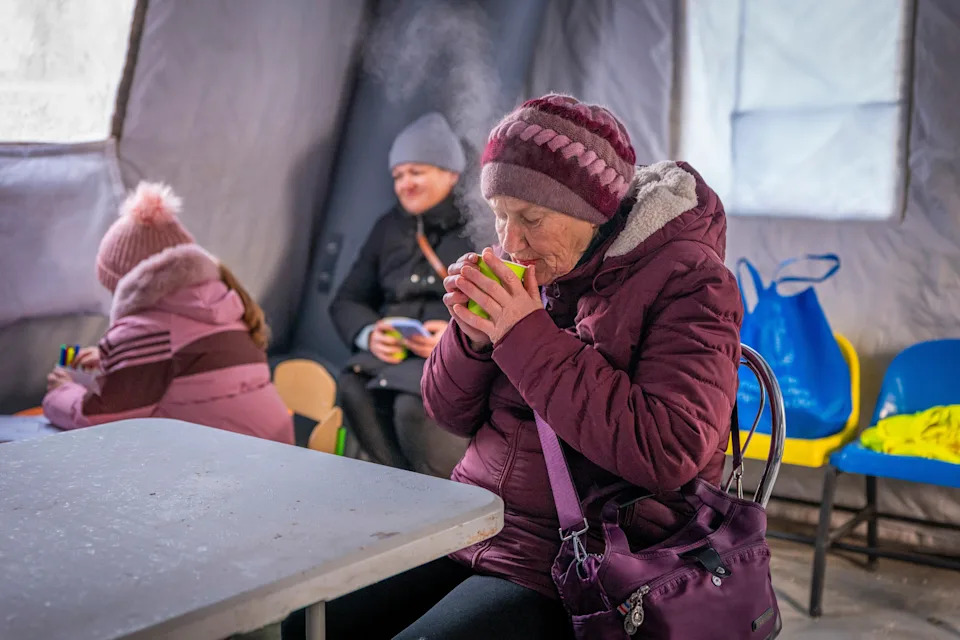
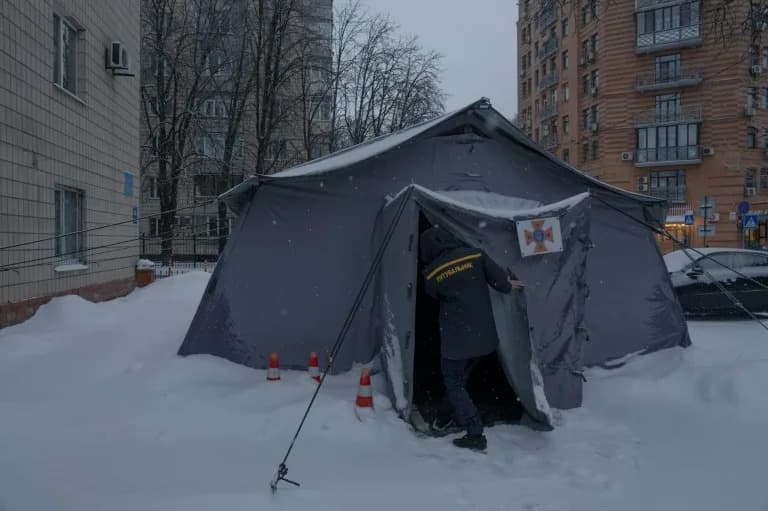
A woman gets warm with a hot cup of tea at an emergency center set up to support people during power outages caused by Russia's regular air attacks on the country's energy objects in Boryspil, Ukraine, Wednesday, Jan. 14, 2026. (AP Photo/Dan Bashakov)(ASSOCIATED PRESS)
Crews Racing Against Time And Weather
In Boryspil, a town of roughly 60,000, technicians have dismantled and rebuilt burned-out electrical systems in heavy snow and temperatures near -15 °C (13 °F). "They work from early morning until midnight," said Yurii Bryzh, who leads the Boryspil regional team for private power distributor DTEK. Crews have at times restored power for only brief windows, typically around four hours a day, as they attempt to reconnect neighborhoods and critical infrastructure.
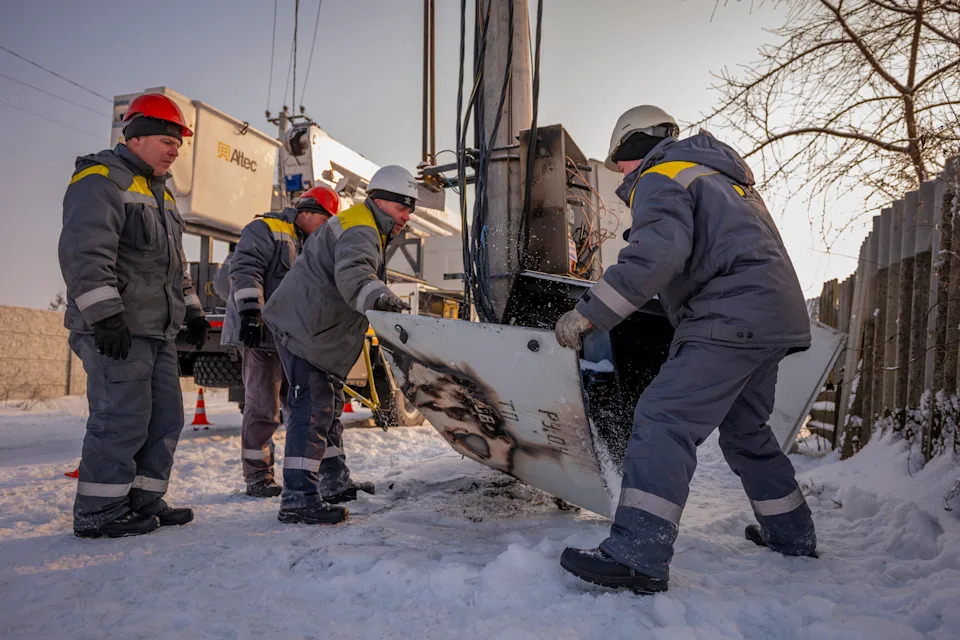
Electricians carry out emergency repairs on a power pole after a transformer burned out due to a voltage surge caused by regular Russian air attacks on the country's energy infrastructure in Kyiv region, Ukraine, Wednesday, Jan. 14, 2026. (AP Photo/Dan Bashakov)(ASSOCIATED PRESS)
Intermittent Power Creates New Strains
Short restorations are often followed by fresh outages. Bryzh warned that when power temporarily returns, many households switch on multiple appliances at once to cook, wash, or charge phones, which can overload and collapse the fragile system again.
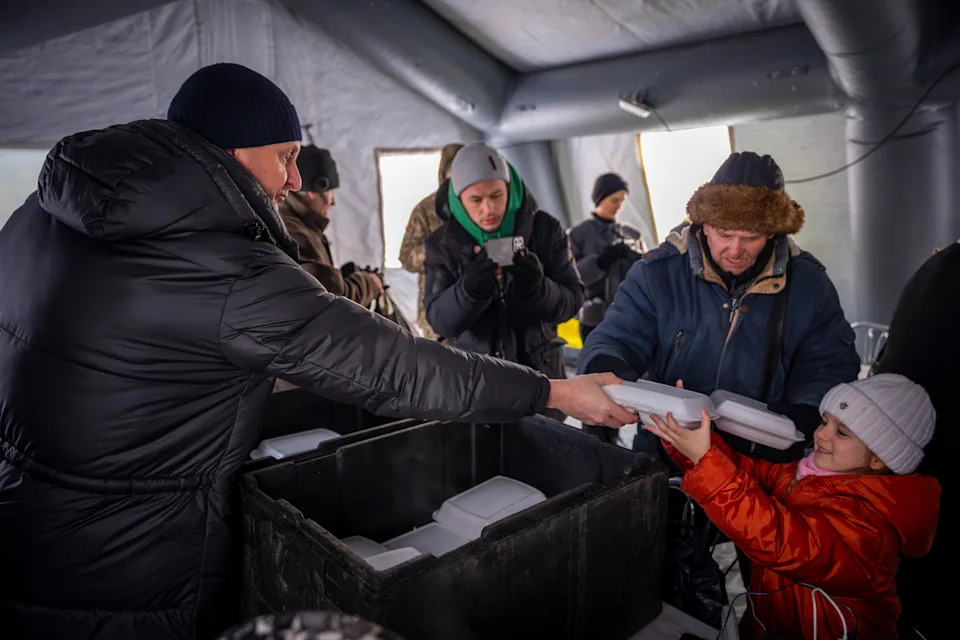
Residents get free food at an emergency center set up to support people during power outages caused by Russia's regular air attacks on the country's energy objects in Boryspil, Ukraine, Wednesday, Jan. 14, 2026. (AP Photo/Dan Bashakov)(ASSOCIATED PRESS)
Cold Homes And Courageous Coping
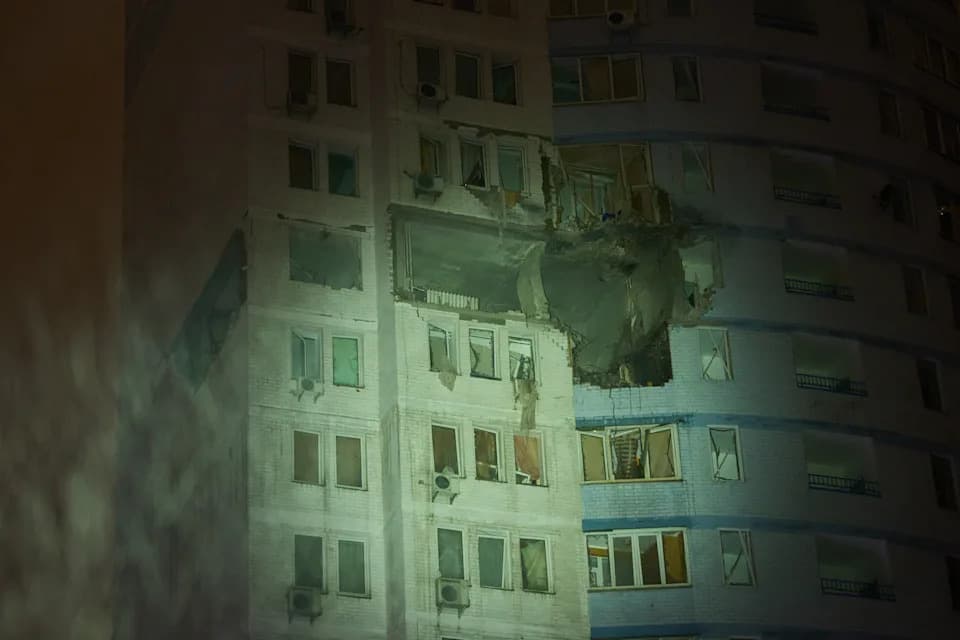
Kyiv Mayor Vitali Klitschko described the current outages as the longest and broadest since Russia launched its full-scale invasion nearly four years ago. Some apartments have been without electricity and heating for days. Snow covers streets and rooftops, and many stairwells and windows remain dark at night.
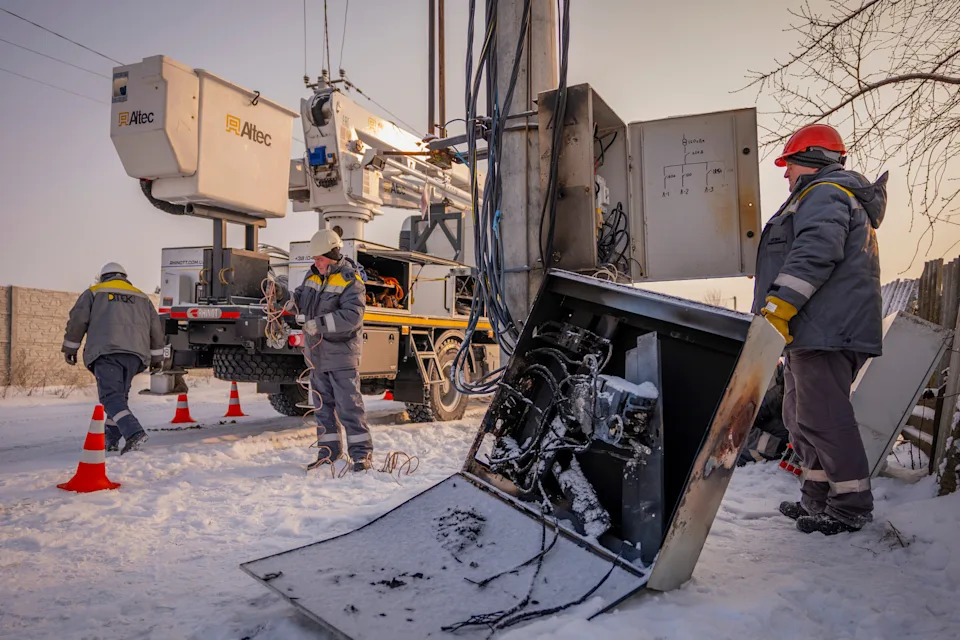
Electricians carry out emergency repairs on a power pole after a transformer burned out due to a voltage surge caused by regular Russian air attacks on the country's energy infrastructure in Kyiv region, Ukraine, Wednesday, Jan. 14, 2026. (AP Photo/Dan Bashakov)(ASSOCIATED PRESS)
Residents described makeshift strategies to keep warm. Scientists Mykhailo, 39, and Hanna, 43, said their 5-year-old daughter’s bedroom has dropped to about -15 °C; they cluster together under heavy blankets and rely on a gas stove for cooking. During the day they take their daughter to a workplace with a generator, since the kindergarten has no heating. Seventy-six-year-old Zinaida Hlyha boils water on a gas stove, fills bottles and tucks them into bed to warm her sheets.
Zinaida Hlyha: "I don't complain because our soldiers on the roughly 1,000-kilometre front have it worse. Of course it's hard, but you have to endure. What can you do? This is war."
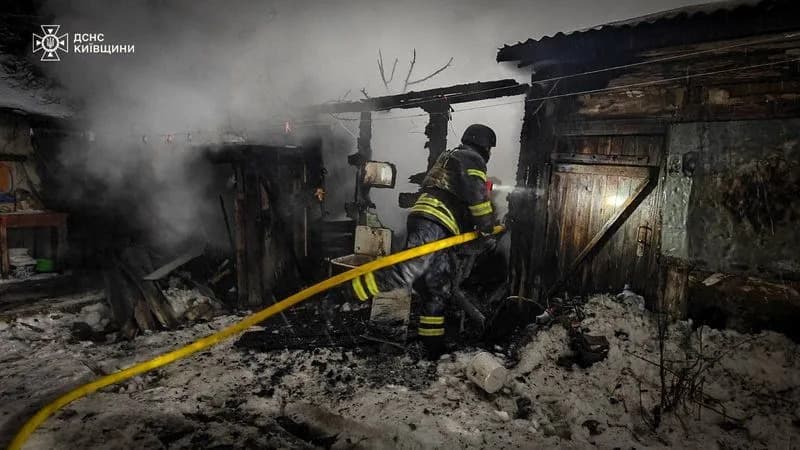
Other residents live with the added fear of direct strikes: Tetiana Tatarenko said she became more frightened after a Shahed drone hit a neighboring apartment building, and 89-year-old physicist Raisa Derhachova sometimes plays the piano despite the "terrifying cold," recalling survival through World War II and now another devastating conflict.
Damage To Major Infrastructure Could Prolong Outages
Analysts say the strikes are targeting power plants and large substations. Dennis Sakva, an energy-sector analyst at Dragon Capital, said replacing damaged equipment such as transformers can take months, prolonging outages and complicating repairs. "There are two types of heroes in Ukraine," he said. "They are the military and energy workers."
Reporting contributed by Volodymr Yurchuk in Kyiv.
Follow ongoing coverage of the war in Ukraine from major news outlets for updates on infrastructure repairs and civilian conditions.
Help us improve.