Summary: This timeline traces Iran’s major crises since the 1979 revolution — from Ayatollah Khomeini’s return and the Iran–Iraq War to repeated earthquakes, escalating sanctions, cyber and covert operations, and the country’s expanded regional role through proxies like Hezbollah. Key turning points include the 2015 nuclear deal (JCPOA), the US withdrawal in 2018, the 2020 killing of IRGC commander Qassem Soleimani, and large‑scale domestic protests such as those sparked by Mahsa Amini in 2022. These events together shape Iran’s domestic tensions and its relations across the Middle East.
Iran Since 1979: Five Decades of Crises — War, Sanctions, Protests and Regional Power Plays
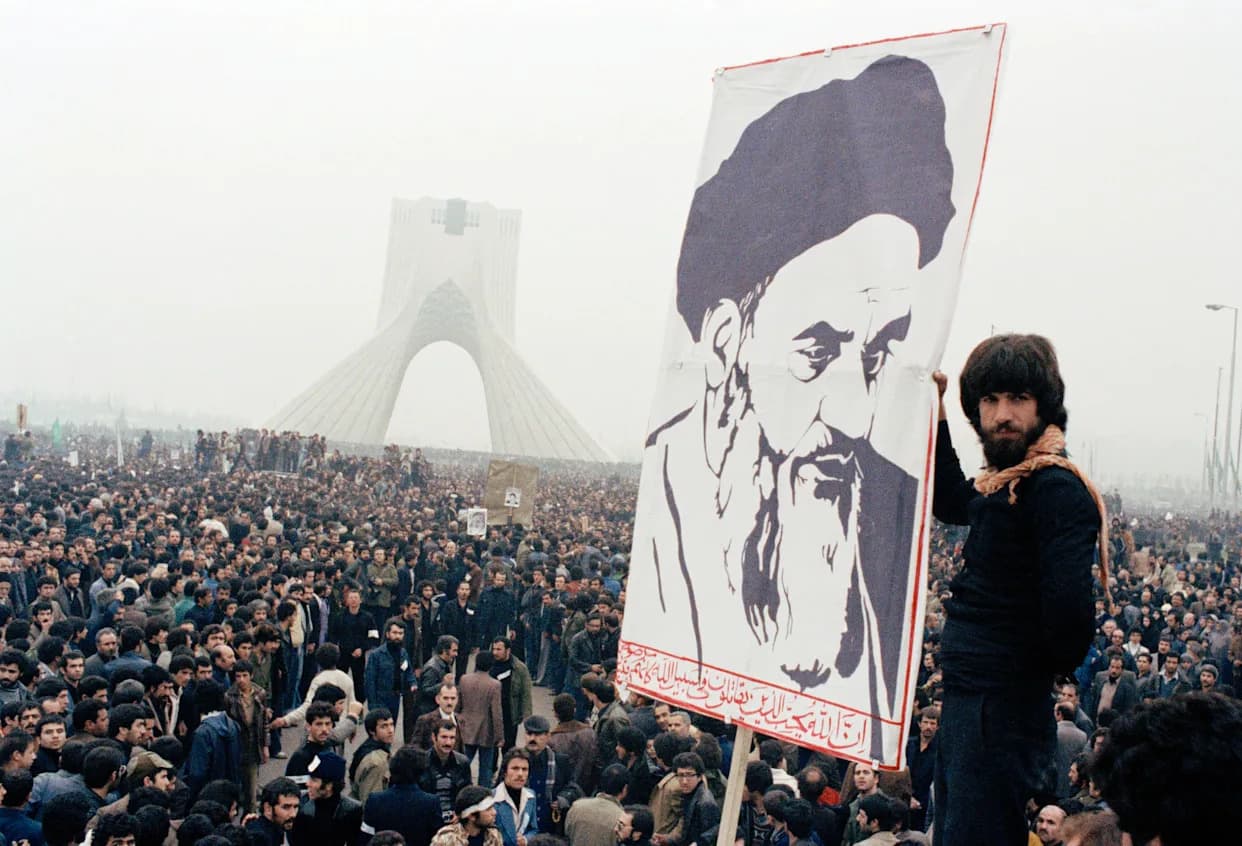
Iranian protesters demonstrate against Shah Mohammad Reza Pahlavi in Tehran, Iran, October 9, 1978 [AP Photo]
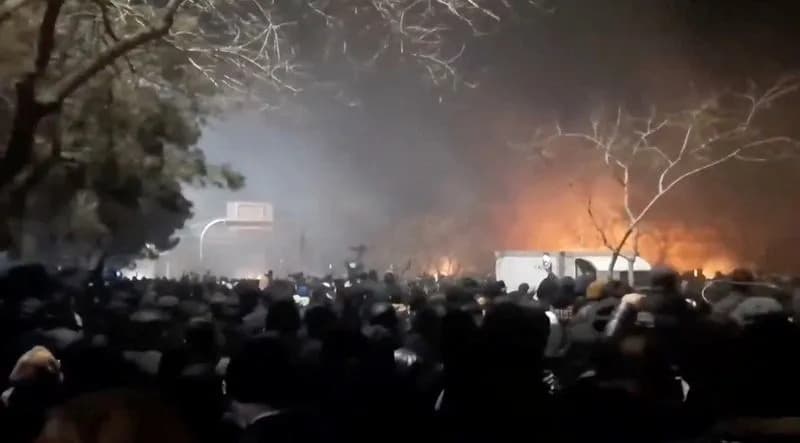
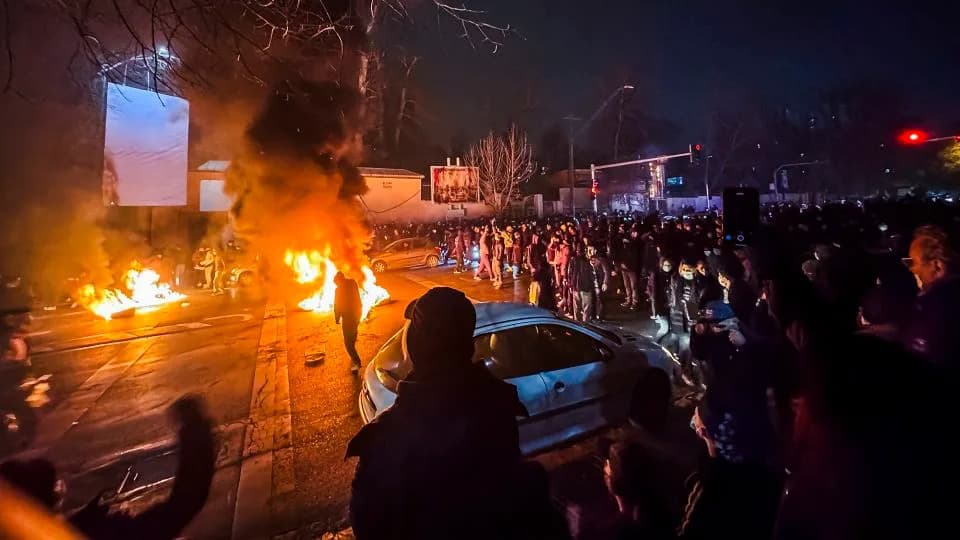
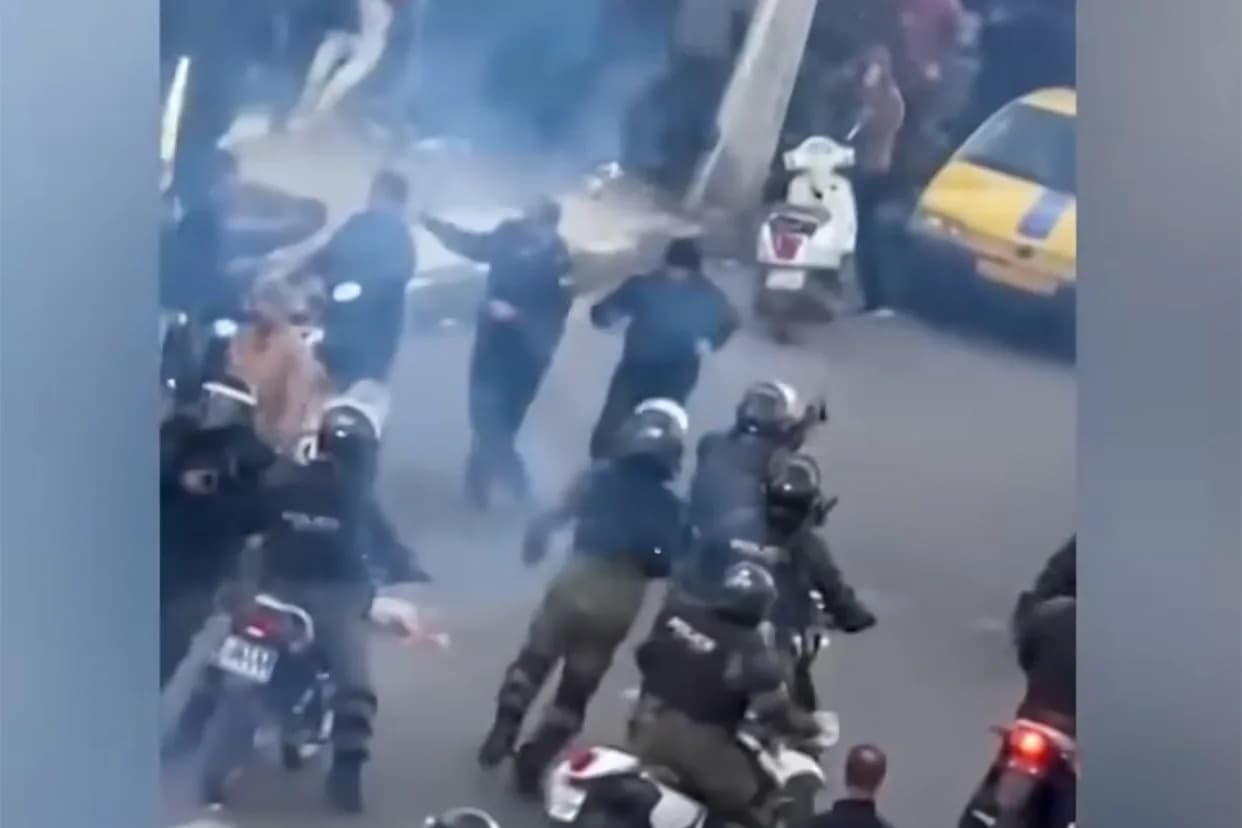
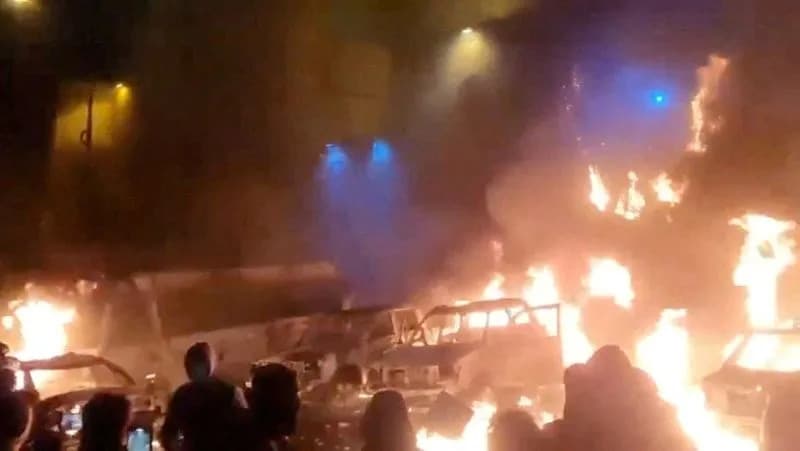
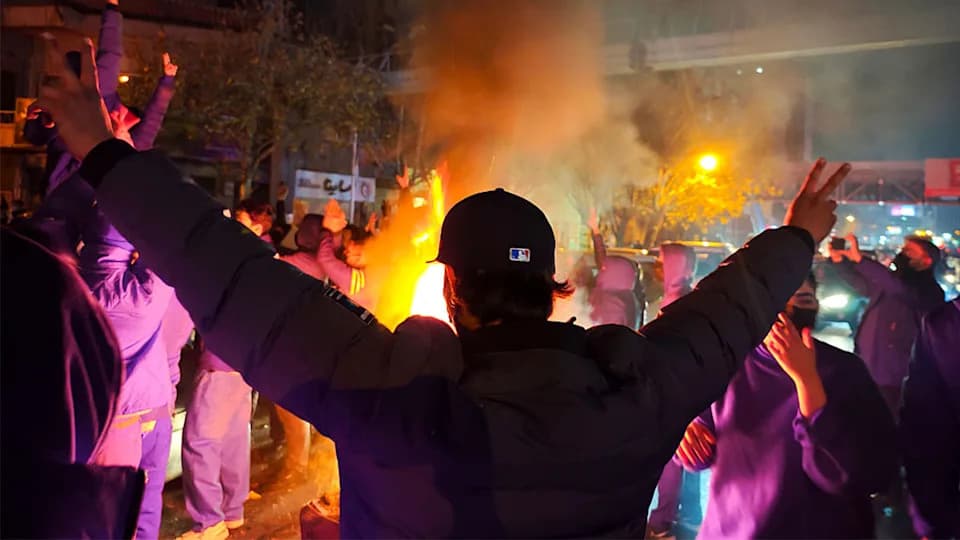
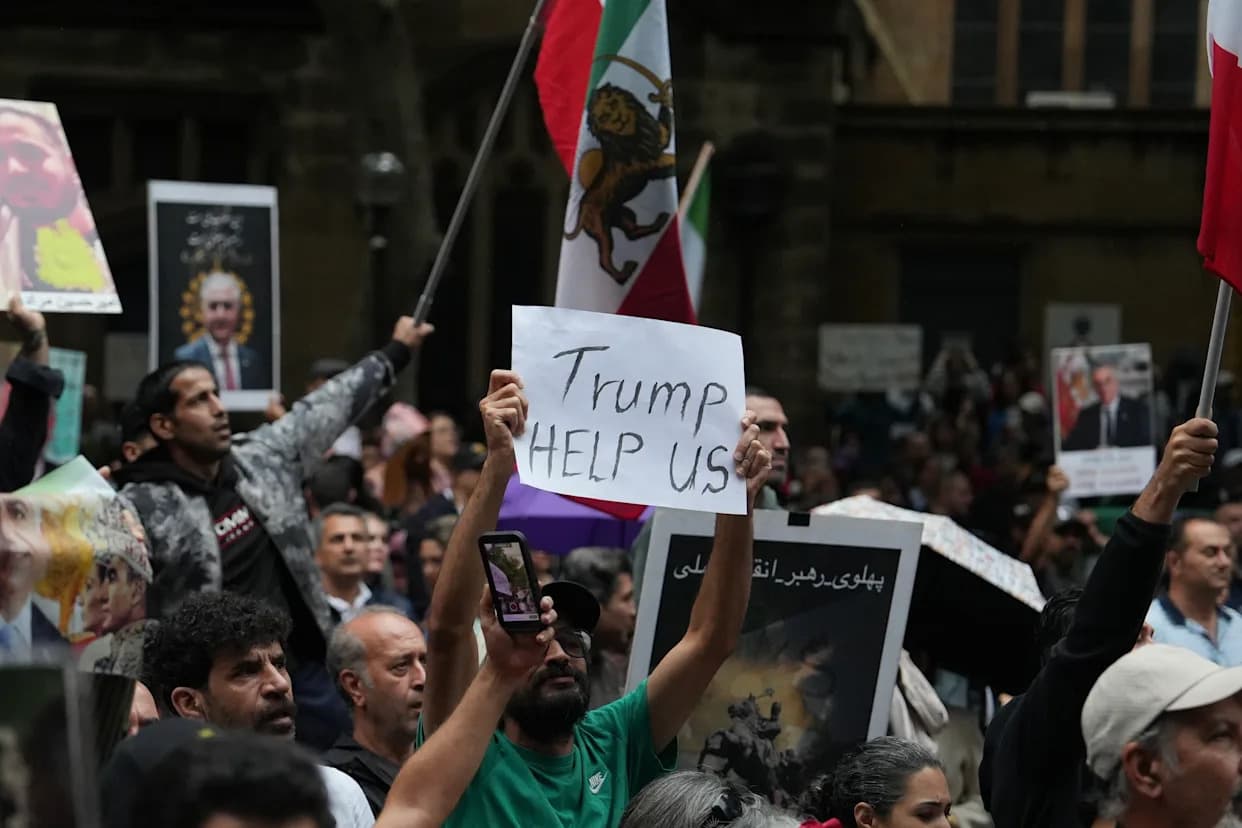
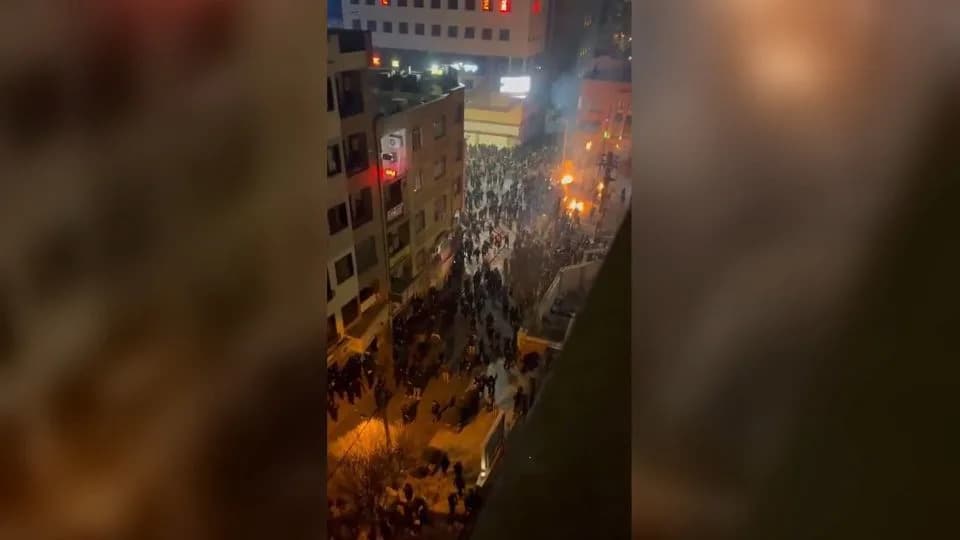
The protests sweeping Iran have dominated headlines, with both the government and opposition trading accusations that the other side is escalating violence. Iranian officials also allege foreign interference is fueling unrest. These demonstrations are the latest in recurring waves of dissent against the political system established after the 1979 revolution that toppled the shah and created the Islamic Republic.
Beyond protests, Iran’s five-decade history since 1979 has been shaped by a devastating war, repeated sanctions, high‑magnitude earthquakes, nuclear standoffs, and an expanding regional footprint through allied militias. Below is a concise, corrected timeline of major events and turning points.
Timeline of Major Events
February–April 1979: Ayatollah Ruhollah Khomeini returns from 14 years of exile and, after a national referendum in April, Iran is declared an Islamic Republic.
November 1979: Iranian students seize the U.S. Embassy in Tehran and take American diplomats hostage. The crisis prompts the United States to begin economic and diplomatic measures against Tehran.
September 1980 – August 1988: Iraq invades Iran, triggering the Iran–Iraq War. The conflict, fought with trench warfare and mass infantry assaults, killed hundreds of thousands (estimates vary) and included the documented use of chemical weapons by Iraqi forces.
January 1981: The last U.S. hostages are released, ending the 444‑day hostage crisis.
June–August 1981: Political violence in Tehran kills senior officials — a June bombing kills chief justice Mohammad Beheshti and others; in August, President Mohammad‑Ali Rajai and Prime Minister Mohammad Javad Bahonar are assassinated.
1982 Onward: Following Israel’s 1982 invasion of Lebanon, Iran begins supporting and funding groups that evolve into Hezbollah, marking the start of Tehran’s long‑term support for allied militias across the region.
July 1988: A US Navy missile cruiser shoots down Iran Air Flight 655 over the Persian Gulf, killing all 290 aboard. In August, a UN‑brokered ceasefire ends the Iran–Iraq War.
June 1989: Supreme Leader Ayatollah Khomeini dies; Ayatollah Ali Khamenei is chosen as his successor.
June 1990: A devastating earthquake (Manjil–Rudbar region) kills tens of thousands of people, with some estimates of the death toll approaching 40,000.
1998: After the capture of Mazar‑i‑Sharif in northern Afghanistan, several Iranian diplomats and a journalist are killed; Iran briefly moves troops to border areas in response to the regional instability.
2002: US President George W. Bush names Iran among an “axis of evil,” intensifying Washington’s rhetorical confrontation with Tehran.
2003: The US invasion of Iraq reshapes regional politics. Iran expands its political and logistical support for Shia parties and militias in Iraq, greatly increasing its influence there.
2003 & 2004: The Bam earthquake (December 2003) kills many thousands; reconstruction and relief efforts highlight governance and infrastructure challenges.
2006–2010: The UN Security Council and Western nations adopt successive sanctions targeting Iran’s nuclear and related sectors (UN resolutions 1737, 1747, 1803 and 1929). International pressure and restrictions on oil and finance deepen Tehran’s economic isolation.
2010: Computer malware later known as Stuxnet is discovered; Tehran accuses Israel and the United States of sabotaging nuclear‑related systems.
2011–2012: Increasing international sanctions — including an EU oil embargo in 2012 — intensify economic strains and a sharp fall in the Iranian rial.
July 2015: Iran and six world powers sign the Joint Comprehensive Plan of Action (JCPOA), limiting Iran’s nuclear programme in exchange for phased sanctions relief.
May 2018: The United States withdraws from the JCPOA and reimposes broad sanctions, prompting a prolonged period of heightened tensions and a partial unraveling of the deal.
November 2020: Mohsen Fakhrizadeh, a senior Iranian nuclear scientist, is assassinated; Iran and outside observers widely attribute the killing to a foreign actor, increasing covert tensions in the region.
January 2020: Qassem Soleimani, commander of the IRGC Quds Force, is killed in a U.S. drone strike in Baghdad, triggering a major escalation in U.S.–Iran tensions and reciprocal military posturing.
2021–2023: Iran experiences waves of unrest and targeted violence. Economic pain from sanctions, COVID‑19 impacts, and political grievances continue to fuel protests and social discontent.
September 2022: Nationwide protests erupt after the death in custody of Mahsa Amini, a young Kurdish Iranian woman, sparking sustained demonstrations on rights, governance and social freedoms across Iran.
2020s: The decade sees a pattern of covert strikes, cyber incidents, targeted killings and maritime-attacks that raise the risk of broader confrontation, along with diplomatic efforts at times to revive or reshape nuclear diplomacy.
Why This Timeline Matters
This five‑decade arc — from revolution and war to sanctions, nuclear standoffs and recurring domestic unrest — explains much of Iran’s current political posture, economic challenges and regional behavior. Understanding these milestones helps explain why current protests, international pressures and regional rivalries remain intertwined and volatile.
Help us improve.