Heba Muraisi and several other pro-Palestinian activists are undertaking one of the UK’s longest hunger strikes to protest extended pre-trial detention and restrictions linked to the proscription of Palestine Action. Muraisi is on day 73 with serious cardiovascular warning signs; Kamran Ahmed is on day 66 and also facing life-threatening symptoms. The activists demand immediate bail, restored communications, reversal of the ban and closure of Elbit Systems sites, while the government stresses judicial processes must be respected and a judicial review of the ban is pending.
UK Pro-Palestinian Hunger Strike Enters Critical Stage as Detainees Protest Proscription and Prolonged Remand
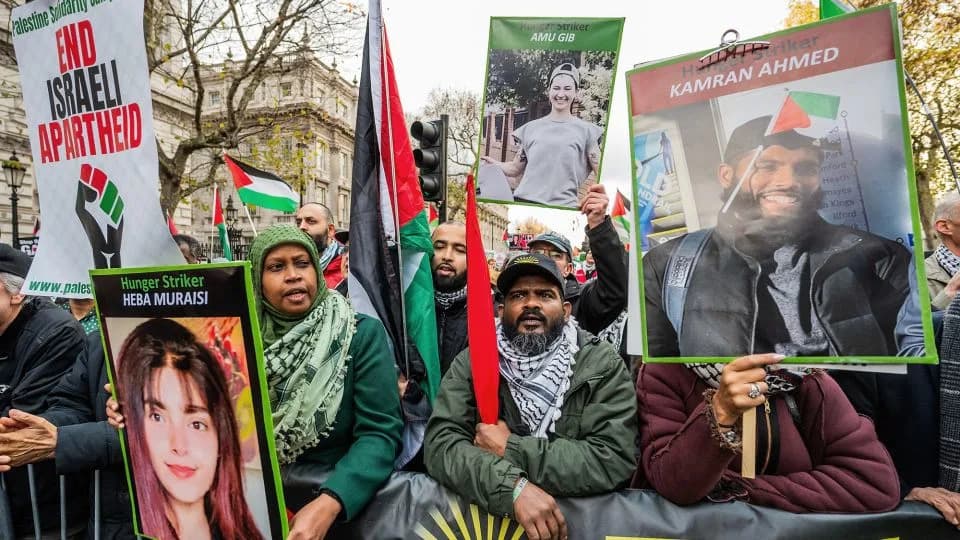
Supporters of the pro-Palestinian hunger strikers demonstrate in London on November 29, 2025. - Guy Bell/Shutterstock
Heba Muraisi, a 31-year-old London activist, says her organs are "slowly but surely shutting down" as she reaches day 73 of a coordinated hunger strike in HMP New Hall. Muraisi and several other pro-Palestinian detainees are staging one of the longest sustained fasts seen in the UK in decades to protest extended pre-trial detention and restrictions tied to the proscription of Palestine Action.

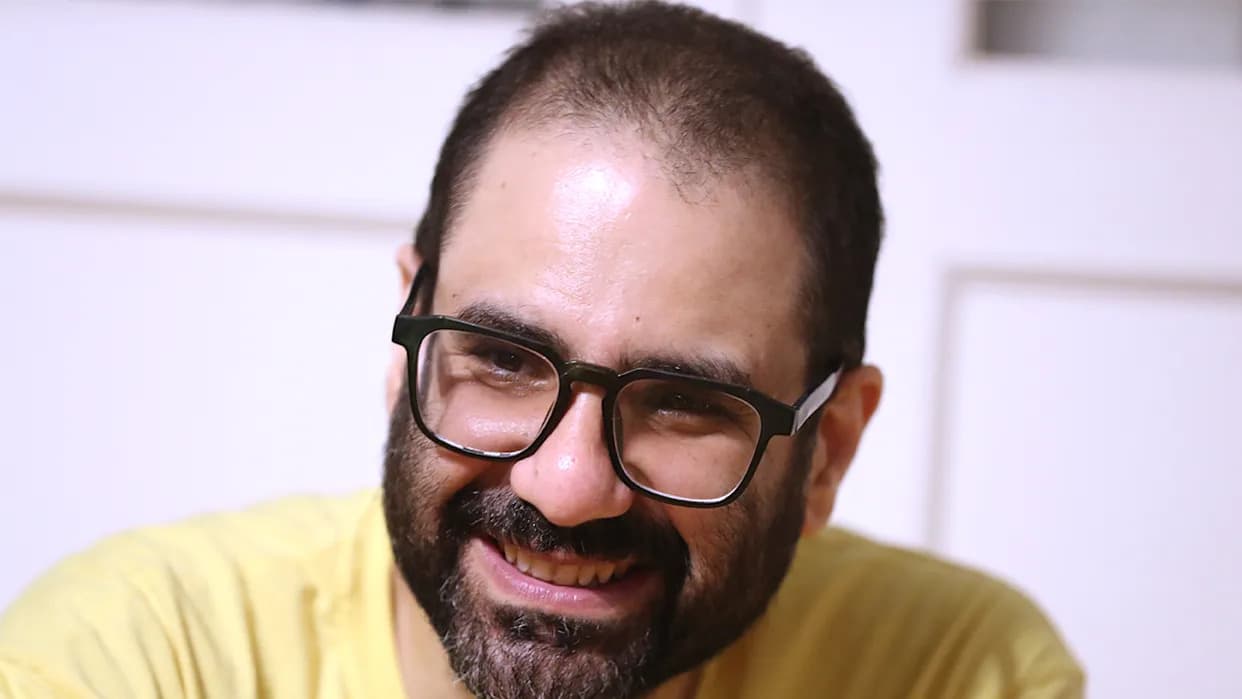
Pro-Palestinian activist Heba Muriasi, 31, has been on hunger strike for over 10 weeks. "With a weakened immune system, it’s easy for me to catch infections within minutes, and my body is too weak to fight," she told CNN. - Courtesy of Heba Muriasi
Background
Muraisi and Kamran Ahmed, 28, who is on day 66, were arrested in November 2024 as part of the so-called "Filton 24". Prosecutors say members of the group, linked to Palestine Action, broke into and vandalized an Elbit Systems research and development site near Filton, west of London, causing an estimated £1 million ($1.3 million) in damage. Both defendants face charges of burglary, criminal damage and conspiracy; they deny the allegations and are awaiting trial.

Pro-Palestinian activist Kamran Ahmed, 28, who has been on hunger strike for more than 60 days, was recently taken to hospital for a heart complication, his sister said. - Courtesy of the family of Kamran Ahmed
Health Concerns
Campaigners say Muraisi is experiencing involuntary muscular twitching, severe chest pain and difficulty sitting up; her weight is reported at about 49 kg (108 lb). Doctors have warned of the risk of cardiovascular collapse. Ahmed's doctors have told him his heart muscle is shrinking and his resting heart rate has fallen to around 40 beats per minute; he has also reported intermittent hearing loss that may indicate neurological damage.
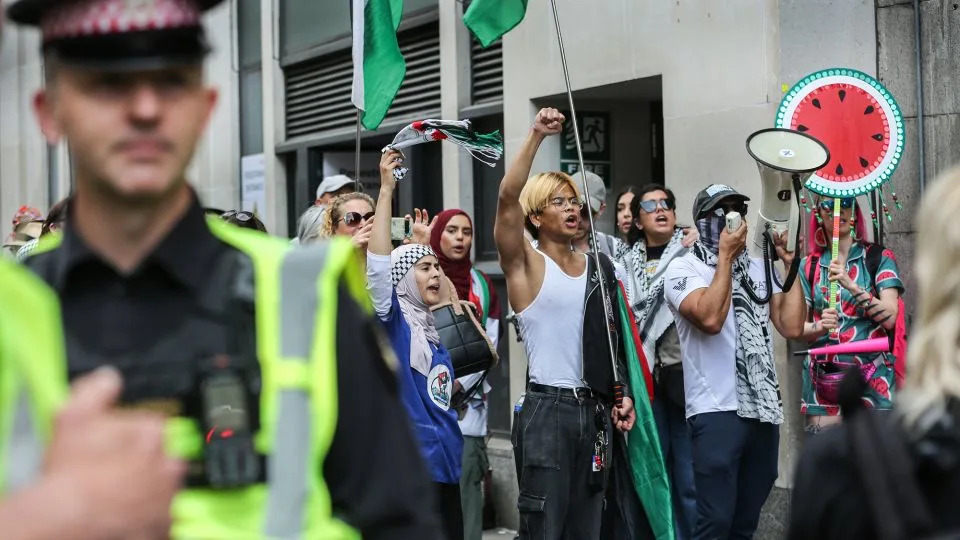
Pro-Palestinian protesters chant in support of the so-called Filton 24 outside London's Central Criminal Court last year. - Martin Pope/SOPA Images/LightRocket/Getty Images
Legal And Political Context
Although not charged under terrorism legislation, the Filton defendants were initially held and questioned using counterterrorism powers. Human rights groups say that use of those powers influenced their treatment in custody and helped pave the way for the government’s decision to proscribe Palestine Action last summer, placing it on the same legal footing as groups such as Hamas, ISIS and al Qaeda. The proscription has prompted a heated national debate over free expression, protest rights and the scope of counterterrorism laws.
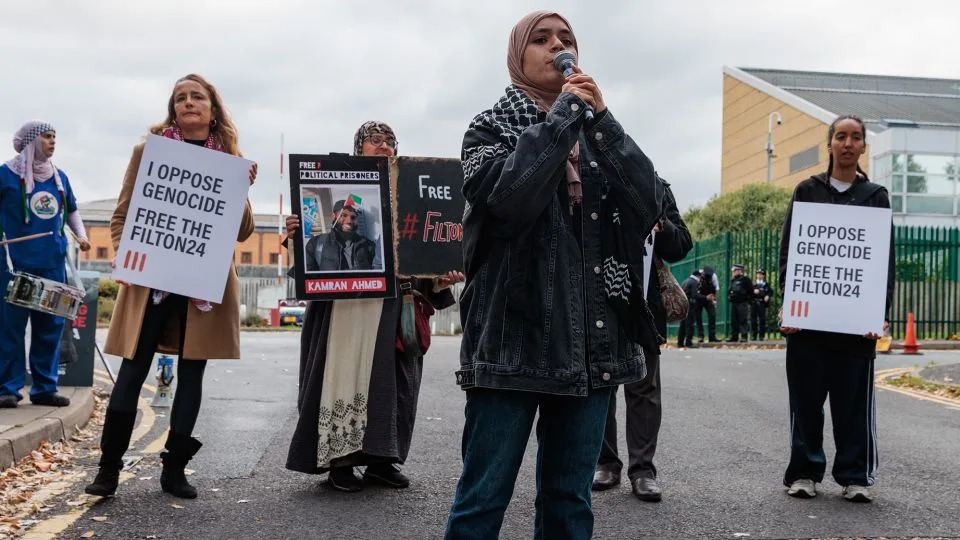
People demonstrate in support of imprisoned Palestine-Action linked activists outside Woolwich Crown Court during a bail hearing for members of the so-called Filton 24 last October. - Mark Kerrison/In Pictures/Getty Images
The activists have been held on remand for periods that exceed the Crown Prosecution Service's six-month guidance for pre-trial custody. Muraisi and Ahmed are not scheduled to stand trial until June 2026, by which time they will have been in custody for roughly 20 months.
Demands And Official Response
The hunger strikers demand immediate release on bail, an end to restrictions on communications, reversal of the Palestine Action ban, closure of 16 Elbit Systems sites in the UK and access to documents they say are being withheld. A Ministry of Justice spokesperson said the detainees will receive a fair trial and that health professionals had met with lawyers to discuss care, adding that prisoners are being "managed in line with longstanding policy with daily access to prison and healthcare staff." The ministry also emphasized that decisions on bail are for independent judges, and ministers must avoid intervening in ongoing legal proceedings.
Public Reaction And Ongoing Challenges
Human rights groups including Amnesty International, Human Rights Watch and UN special rapporteurs have expressed deep concern about the health of the hunger strikers and the wider implications of prolonged remand and communication restrictions. More than 50 lawmakers have urged the Justice Secretary to engage with the detainees' legal representatives "as an act of humanity." Protest organizers say police have arrested over 2,700 people at demonstrations opposing the Palestine Action ban since July, with many detained under counterterrorism powers.
"A letter was written to them (ministers) telling them about the hunger strike, so they had the opportunity to resolve this months ago, but chose to look away," Muraisi told campaign representatives, saying the hunger strike was a last resort.
The proscription of Palestine Action is being challenged via judicial review; a three-day hearing was held in December and a decision is expected in the coming weeks. Campaigners warn the hunger strike could have long-term health consequences for participants and say it has sharpened public debate over protest rights, counterterrorism powers and the treatment of political activists in detention.
Help us improve.