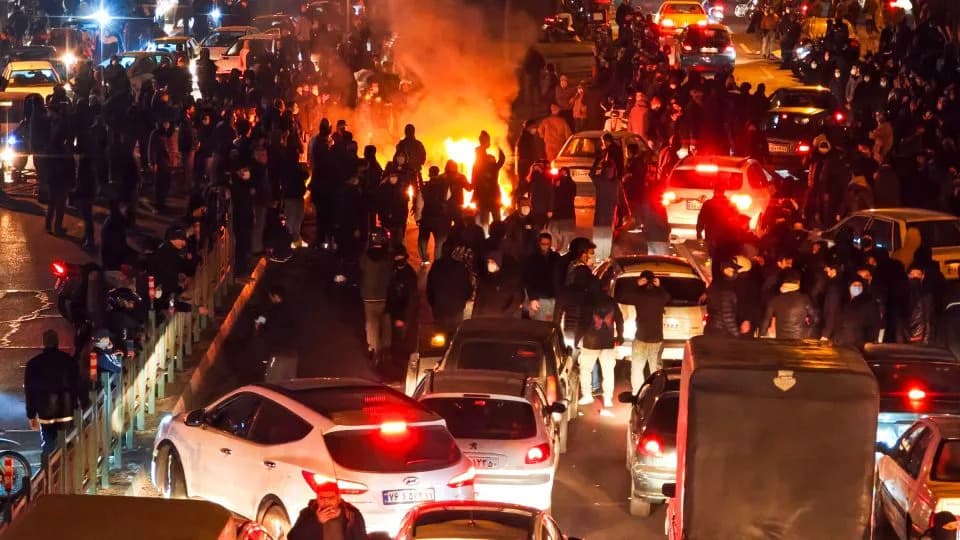
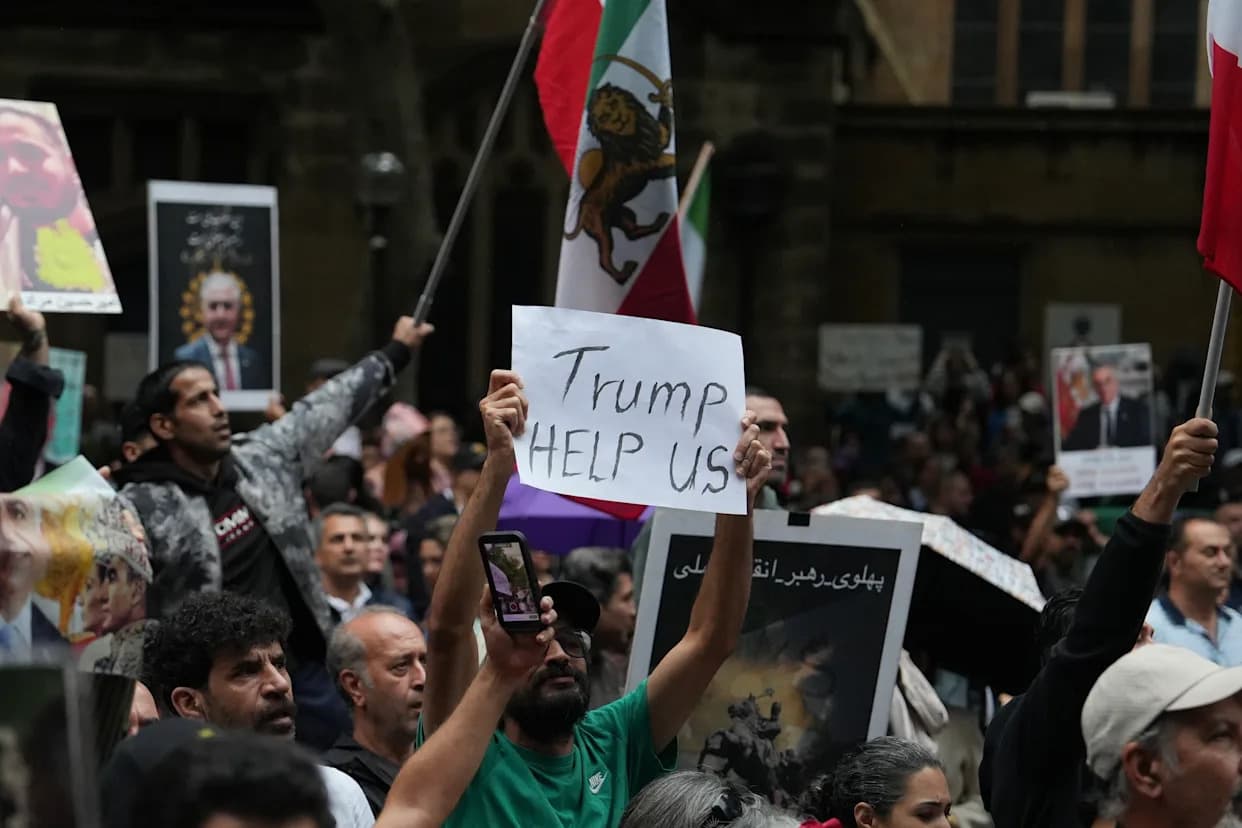
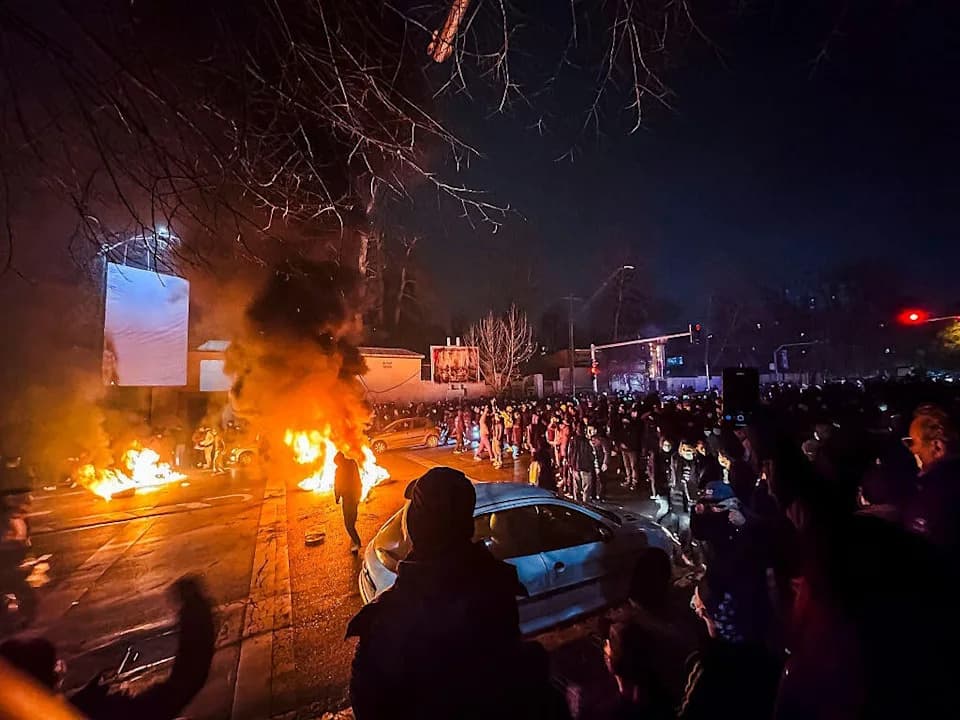
A bipartisan group of U.S. lawmakers is urging President Donald Trump to authorize immediate executive measures to help restore internet access in Iran after the government imposed broad connectivity blackouts amid nationwide protests.
In a letter to the president — also shared with Senator Marco Rubio and the U.S. secretary of state — House Democrats and Republicans ask Mr. Trump to direct the State Department to work with the Open Technology Fund (OTF), a congressionally funded non‑profit that supports tools to bypass censorship.
The lawmakers say such a move would effectively put into practice provisions of the recently introduced "Feasibility Review of Emerging Equipment for Digital Open Media" (Freedom) Act, which was introduced in Congress last month but has not yet become law. They argue the severity of the situation in Iran justifies emergency executive action rather than waiting for the full legislative process.
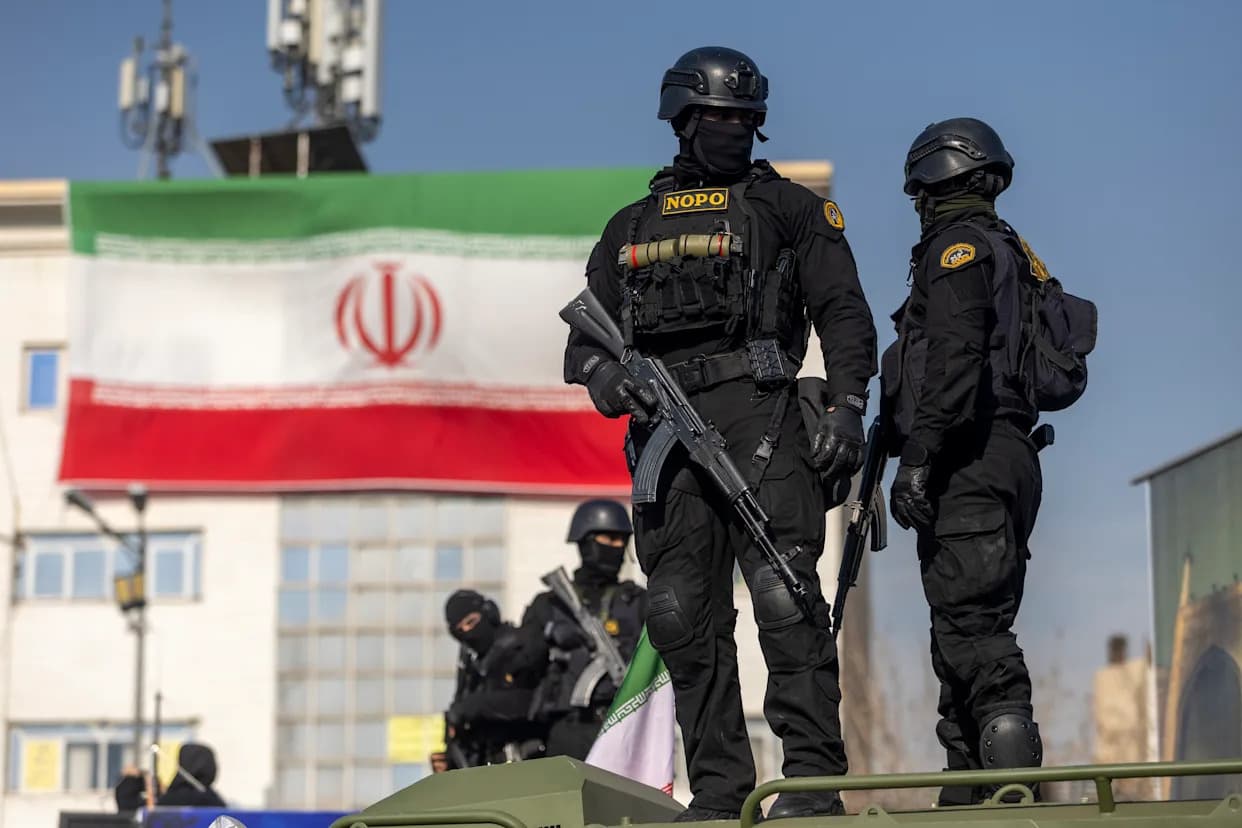
“The scale and intensity of these demonstrations, coupled with the regime's use of force to violently quell peaceful protests and isolate the Iranian people from the outside world, warrant immediate attention. While Congress works to advance legislation like this through regular order, we are confident that the executive branch has the ability — and responsibility — to immediately begin interagency coordination, resume and leverage the Department of State's collaboration with the Open Technology Fund, harness existing technologies like virtual private networks (VPNs), and fully assess emerging technologies such as direct‑to‑cell networks. Your strong support for measures like these are critical to helping the Iranian people bypass regime‑controlled terrestrial communications infrastructure and providing them with a lifeline to the outside world at a time when the regime is cutting off access to traditional communication channels.”
The Freedom Act was introduced by Representative Dave Min (D‑Calif.) and Representative Claudia Tenney (R‑N.Y.), with companion sponsorship reportedly from Senators Dave McCormick (R‑Pa.) and Jacky Rosen (D‑Nev.). The proposal has received backing from the National Union for Democracy in Iran, which has long warned that Tehran uses internet blackouts to silence dissent.
Supporters of immediate executive action say available tools — including VPNs, proxy services and emerging direct‑to‑cell technologies — could provide temporary communications pathways while authorities and humanitarians work on longer‑term solutions. They call for interagency coordination to assess technical feasibility and legal constraints and to rapidly deploy resources that could help people in Iran access independent information and contact the outside world.
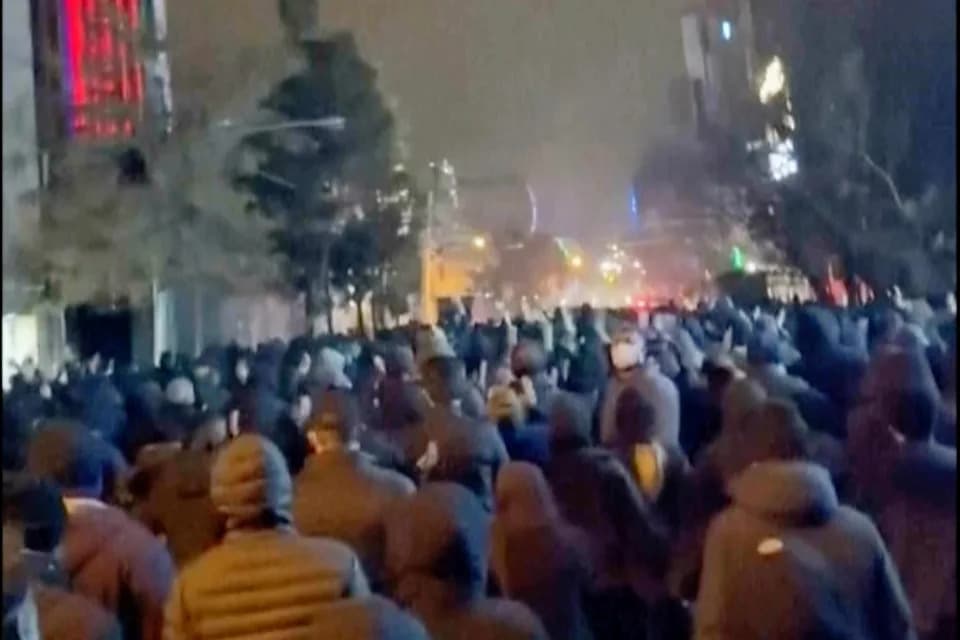
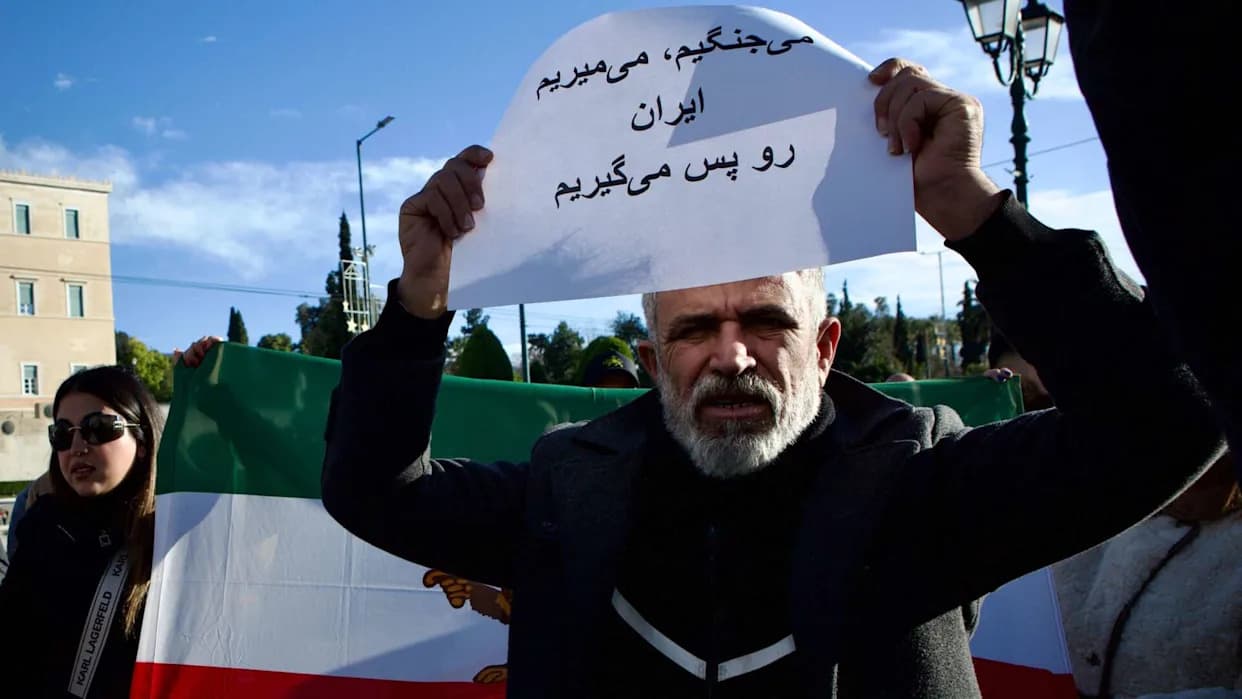
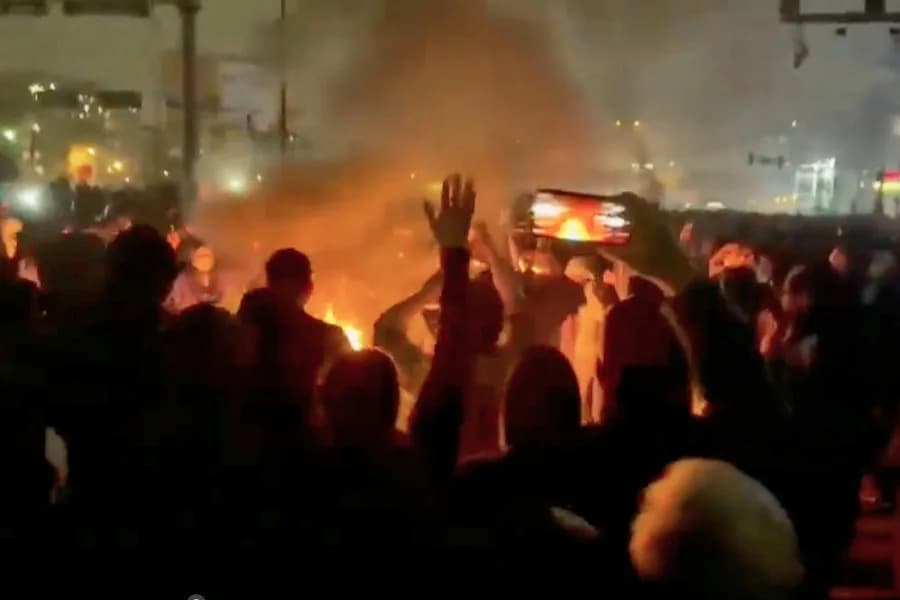
Human rights organizations report heavy casualties since the protests began on 28 December. Amnesty International and Human Rights Watch have cited thousands of deaths in varying accounts: some organizations report roughly 2,500 confirmed deaths, while other unverified and contested reports from inside Iran suggest significantly higher figures. The letter and public statements stress the urgent humanitarian dimension of restoring communications for protest documentation, family contact and independent reporting.
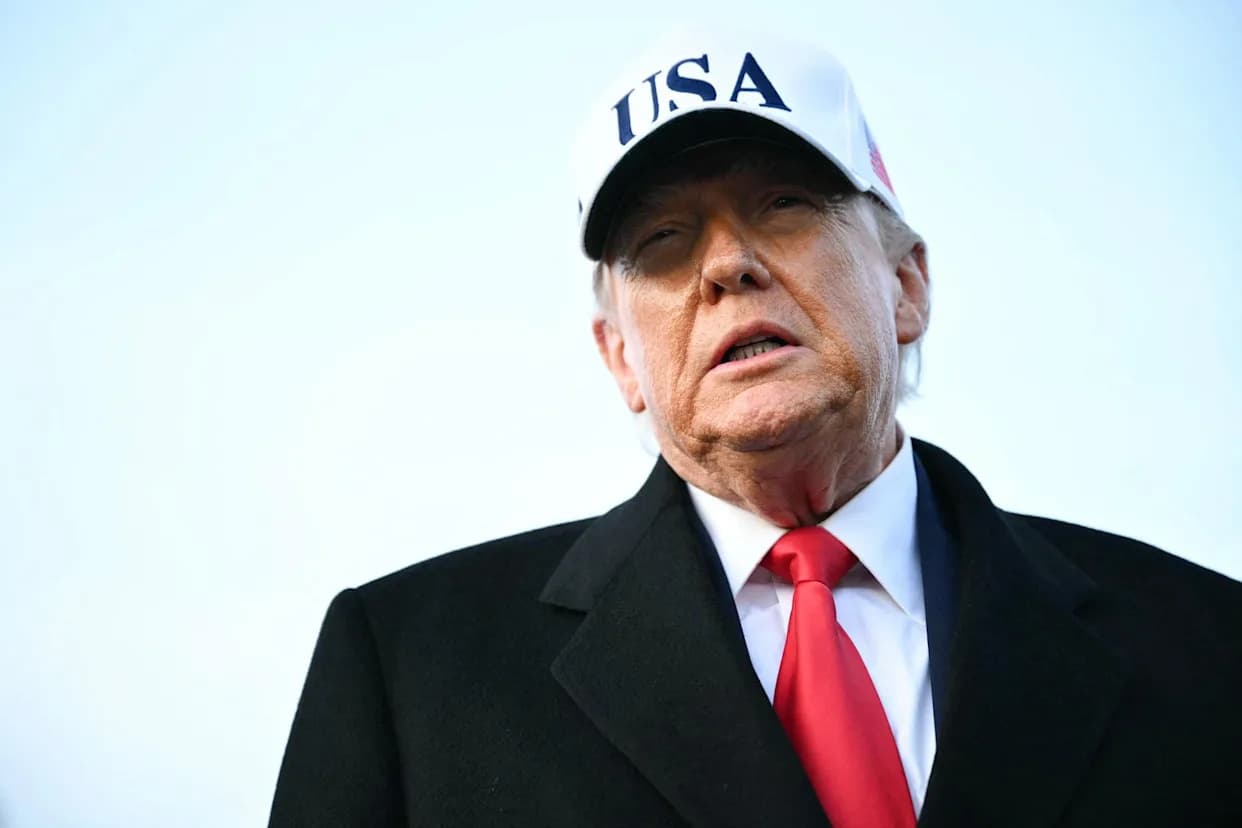
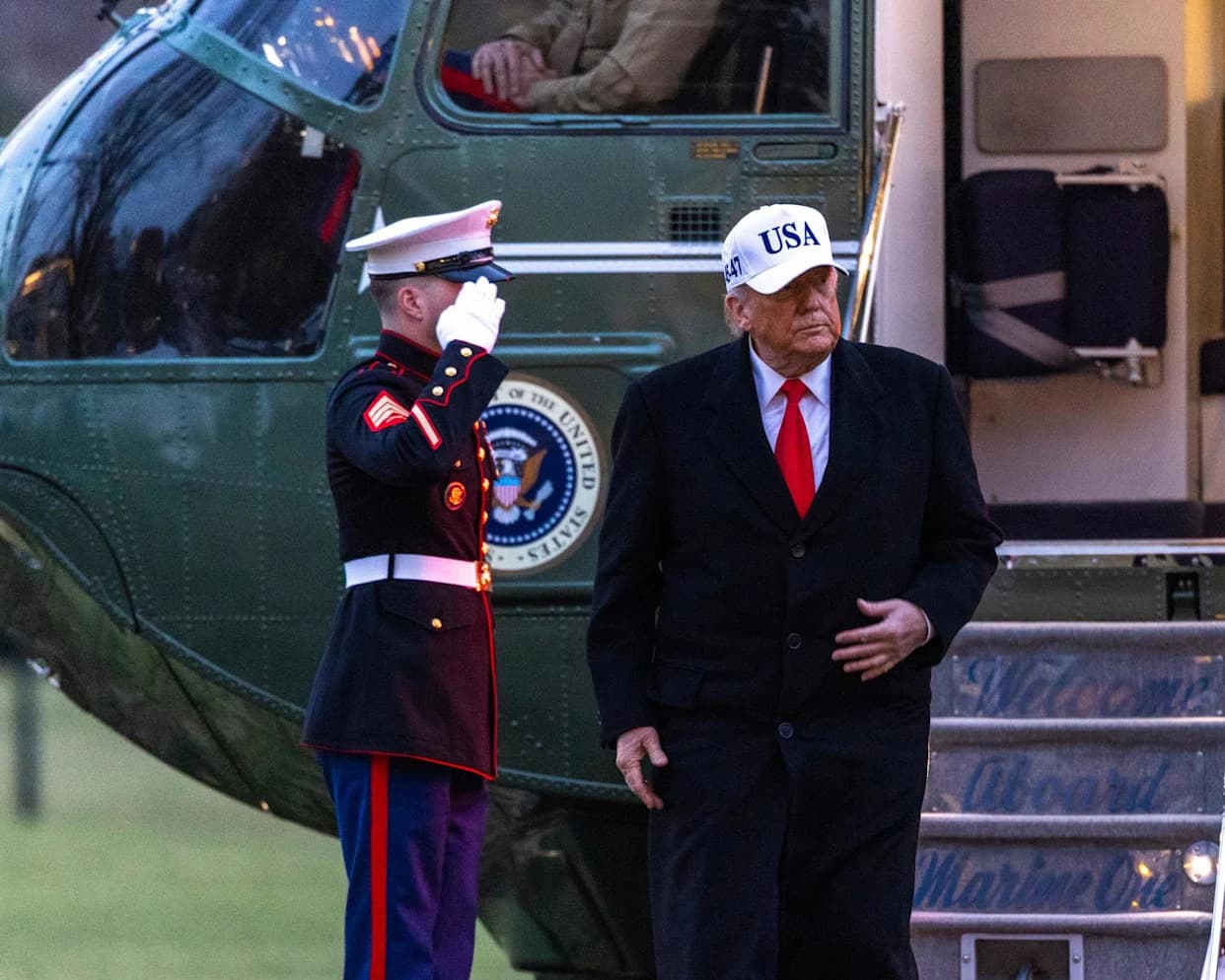
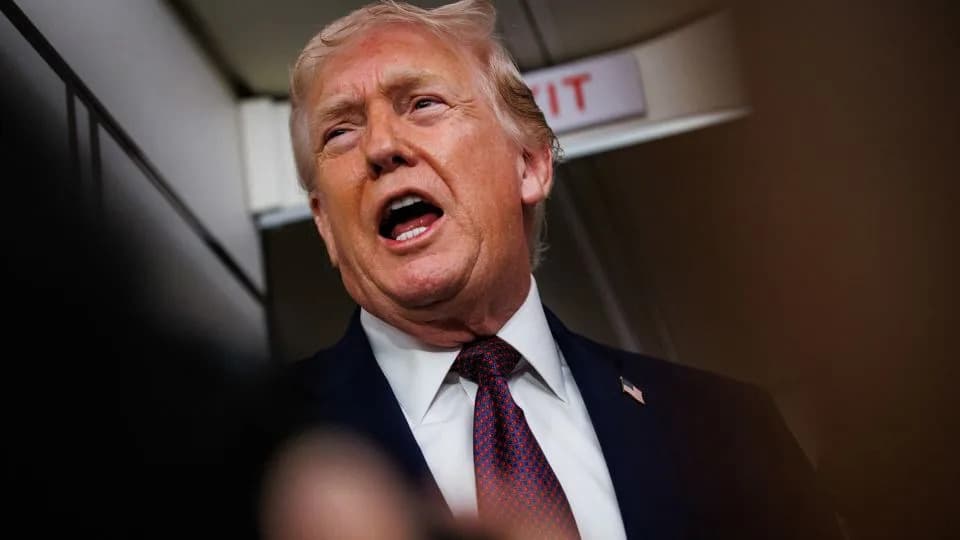
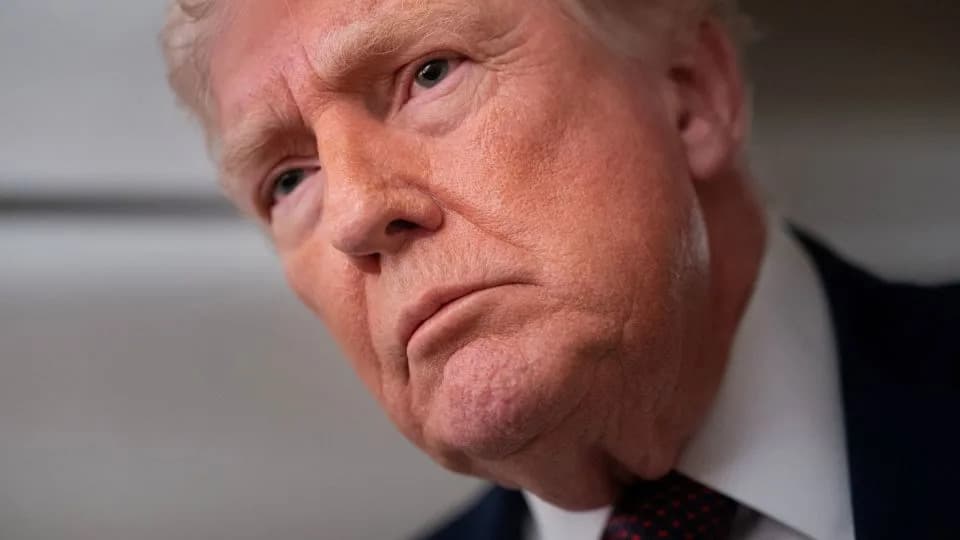
President Trump has publicly pledged that "help is on its way" for protesters but has provided few details. He has warned of "very strong action" if the Iranian government executes demonstrators. The letter from Congress members urges prompt executive coordination with OTF and other partners to provide technical lifelines while legal and policy reviews continue.
Context and Cautions: Some casualty and execution figures circulating online remain unverified and differ widely between sources; the letter quotes humanitarian groups but also calls for careful documentation. Proposals to use technologies like direct‑to‑cell networks raise legal, diplomatic and technical questions that the administration would need to assess before taking action.
Outlook: The request frames restoring communications as both a humanitarian priority and a way to protect free expression. Whether the administration will authorize the requested measures remains unclear; if approved, officials would need to navigate complex interagency, legal and operational challenges to deploy censorship‑circumvention technologies at scale.