President Trump has publicly threatened possible U.S. intervention to "rescue" Iranian protesters amid reports of hundreds killed in recent unrest. Critics note his domestic record shows a selective approach to protests and free speech, praising or tolerating crackdowns he favors and harshly labeling demonstrations he opposes. Observers point to past comments, including praise of forceful repression abroad, and to public skepticism about U.S. motives in other foreign crises as reasons to question whether any intervention would be primarily humanitarian.
Trump Vows to “Rescue” Iranian Protesters — But His Record on Protests Is Selective
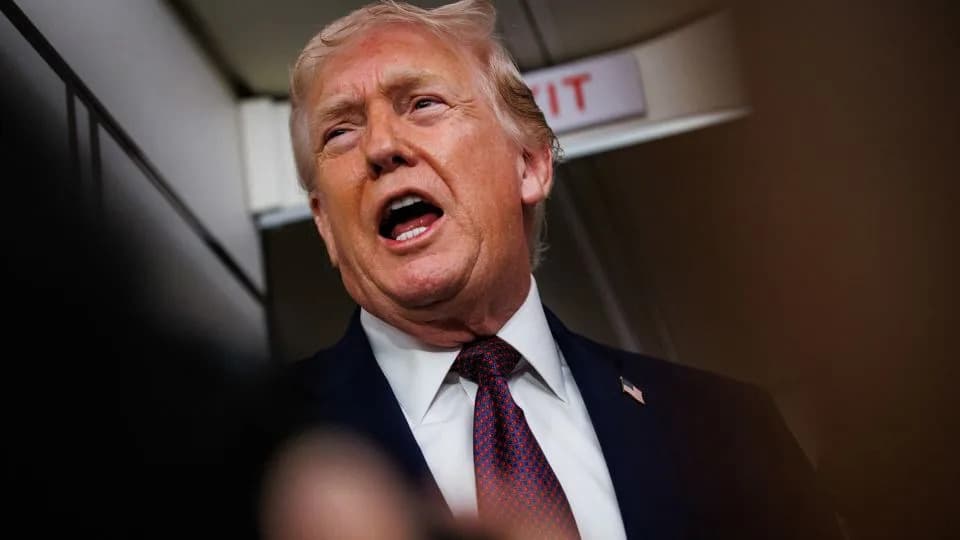
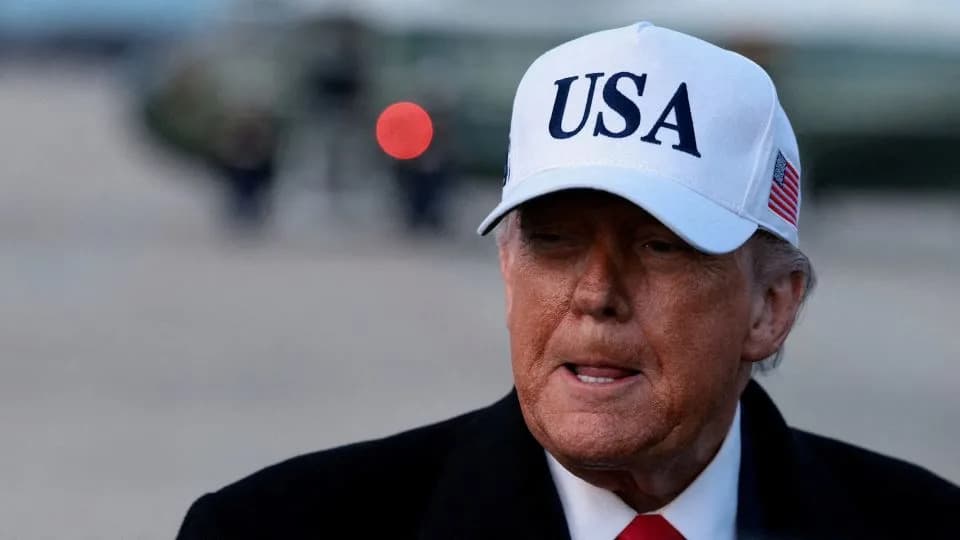
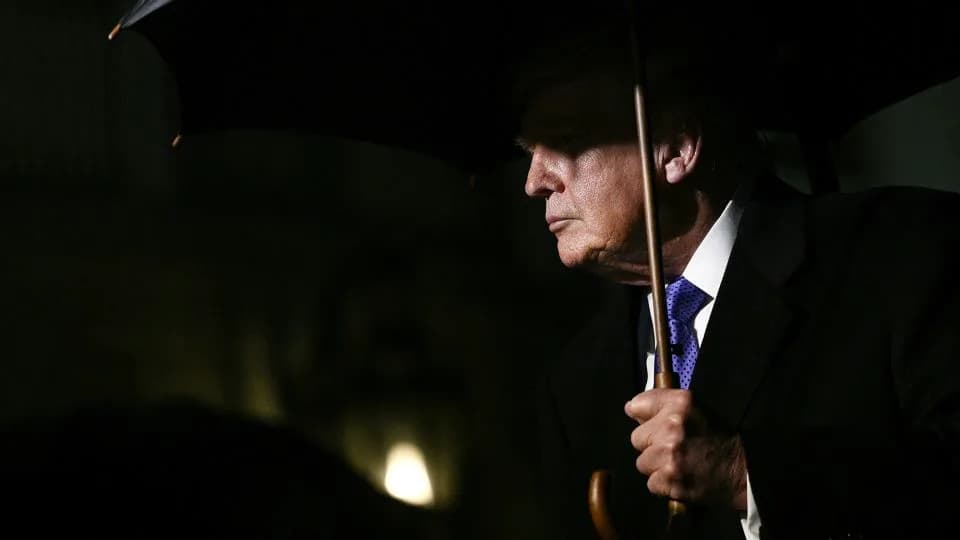
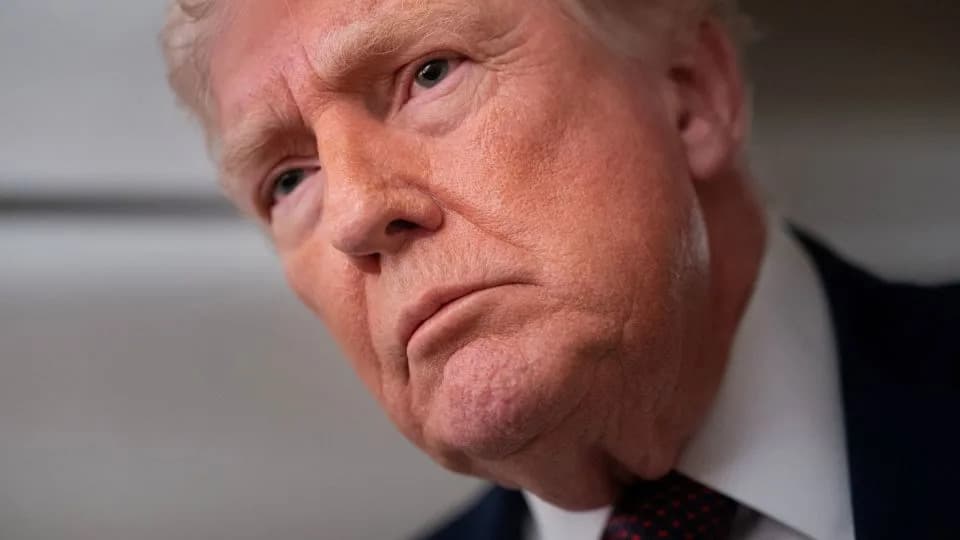
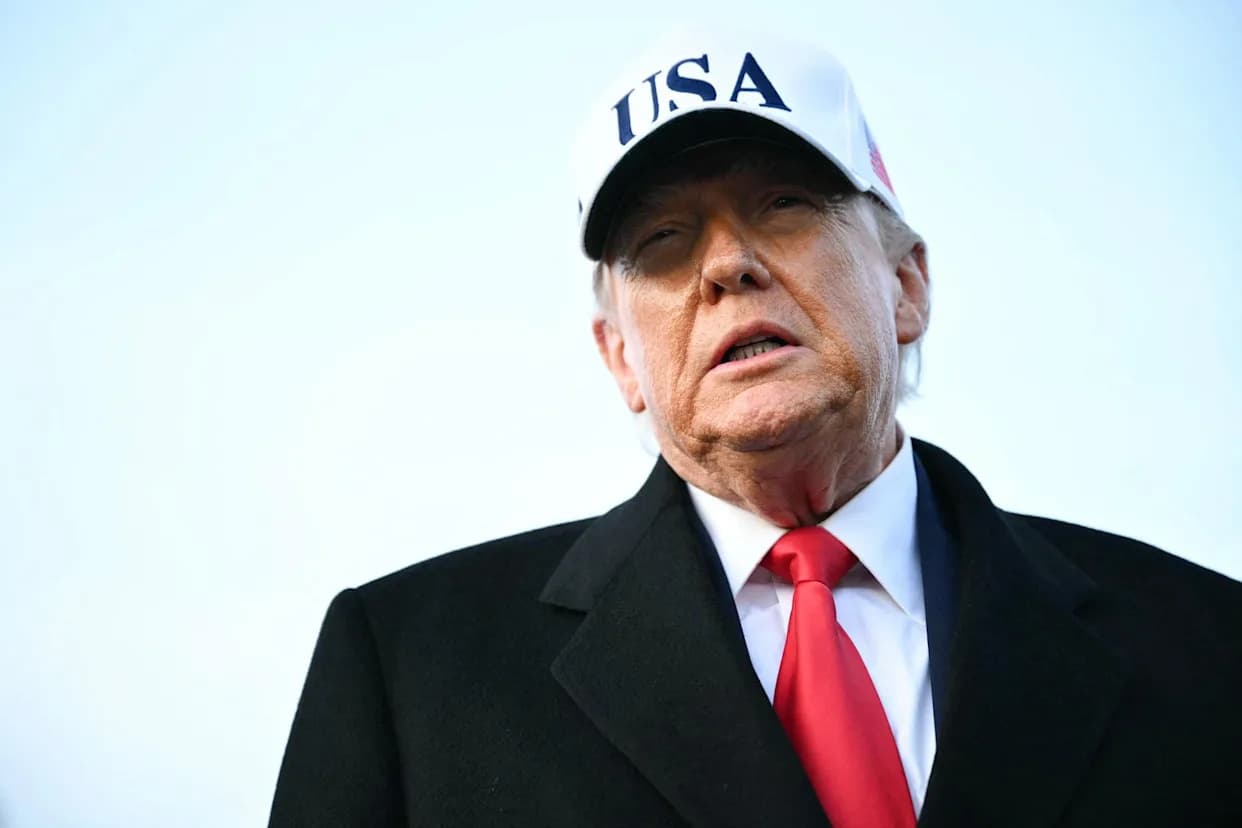
US President Donald Trump takes questions from the members of the press aboard Air Force One on January 11. - Samuel Corum/Getty Images
President Donald Trump has publicly suggested the United States might intervene militarily to "rescue" Iranians protesting their government, even as his domestic record shows a pattern of selectively defending — and sometimes denouncing — demonstrations depending on their message.
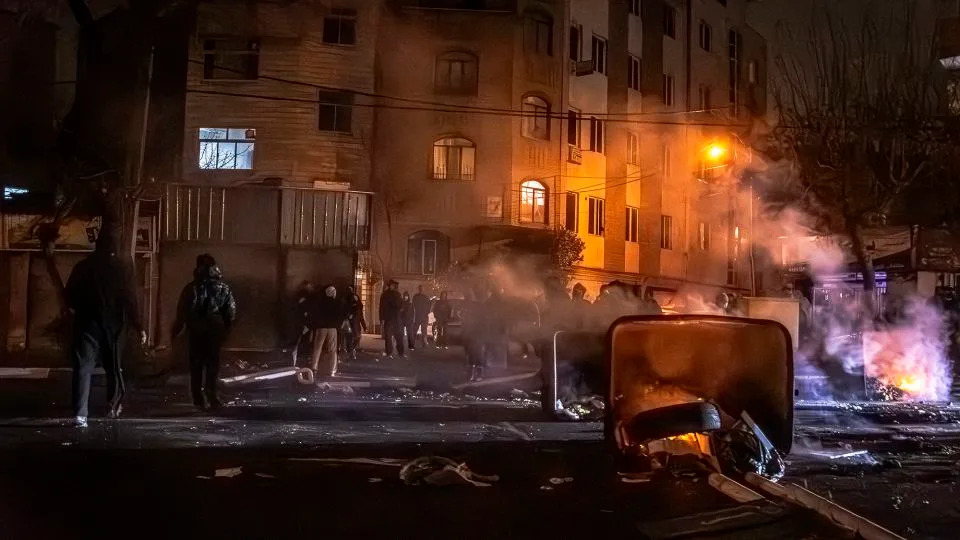
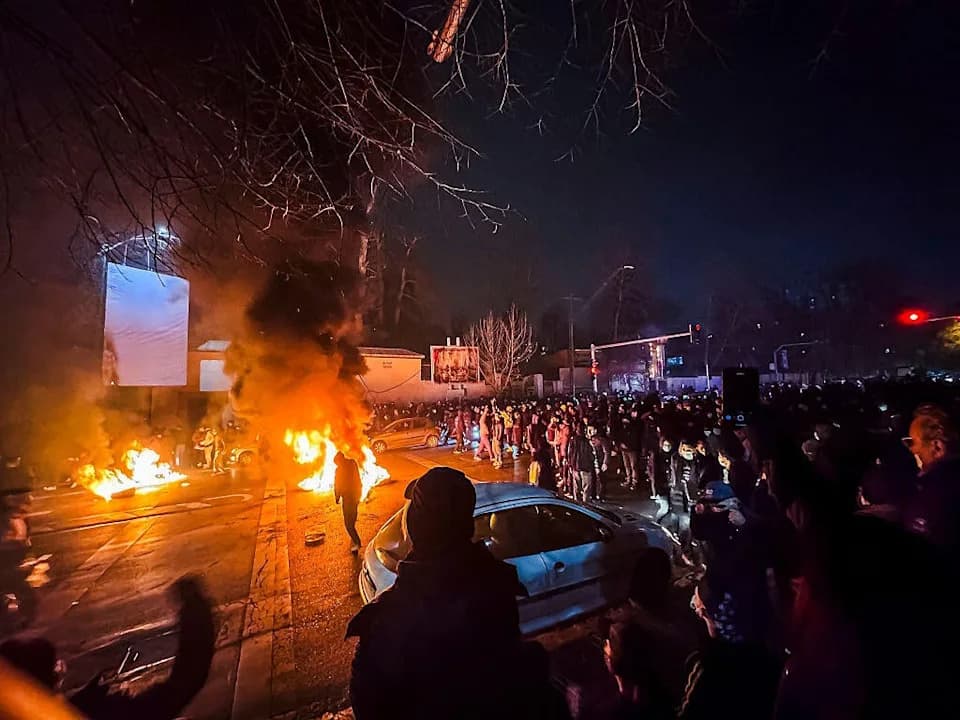
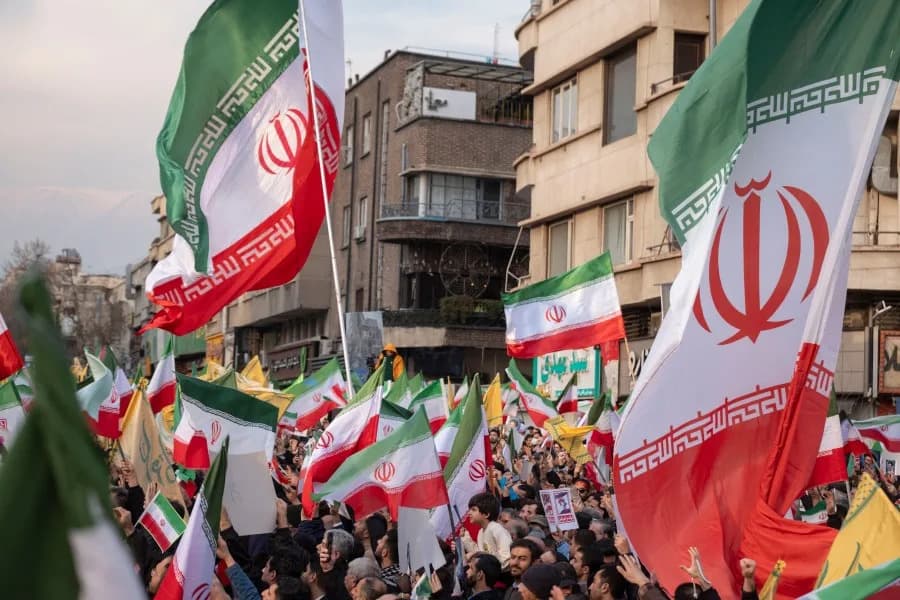
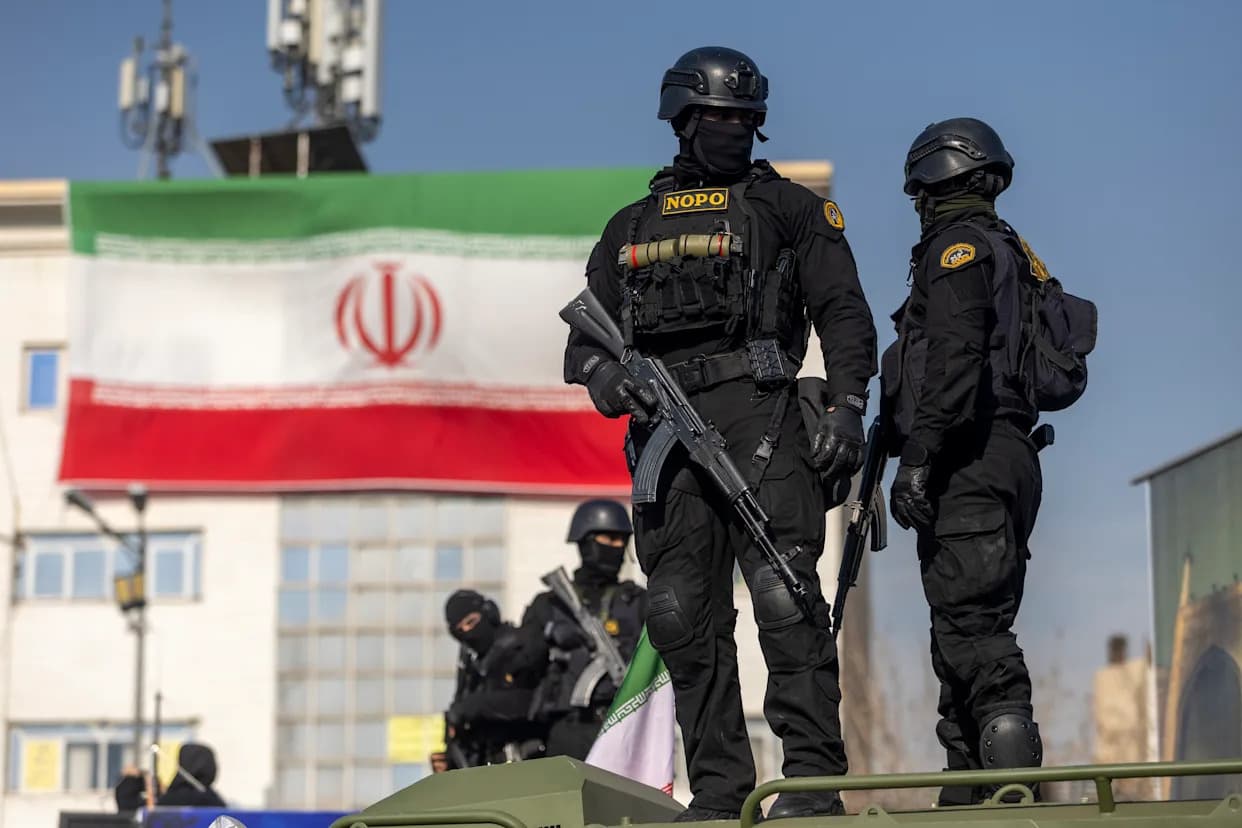
Iranians gather while blocking a street during a protest in Tehran January 9. - Khoshiran/Middle East Images/AFP/Getty Images
What He Said About Iran
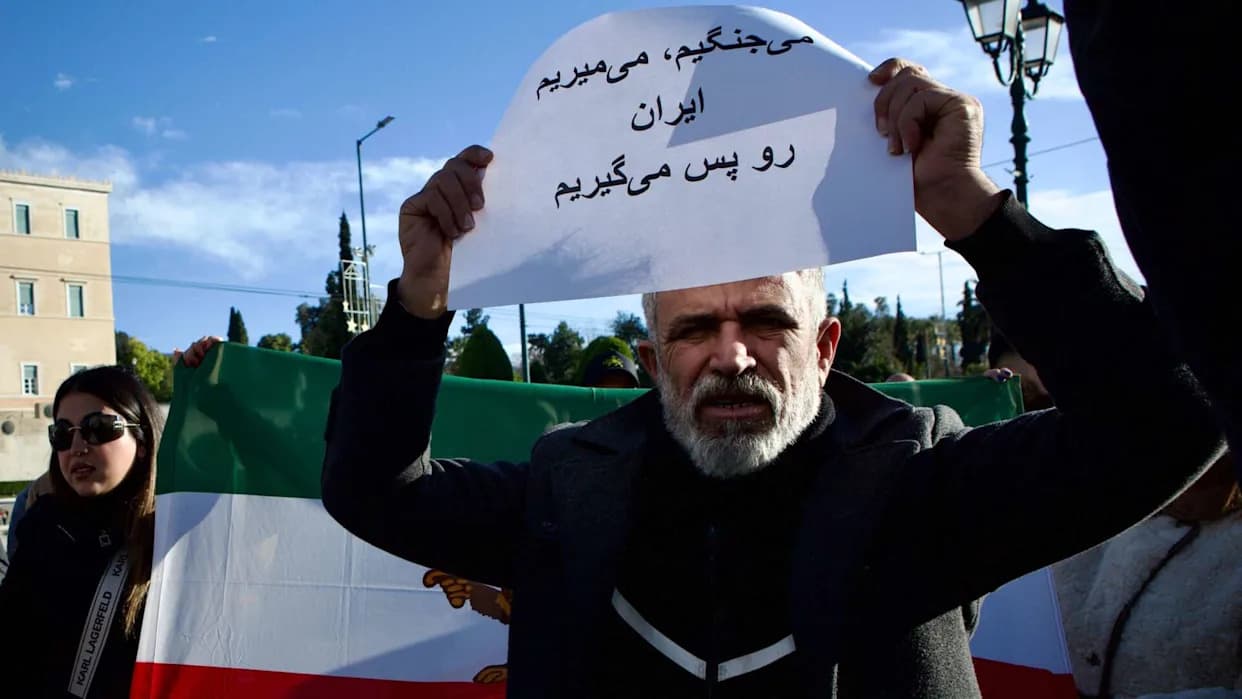
On January 2, Mr. Trump warned that if Iran "violently kills peaceful protesters, which is their custom, the United States of America will come to their rescue." He followed that with social media posts saying, "We are locked and loaded and ready to go," and told Fox News he had instructed advisers that if Iranian authorities harmed demonstrators "we're going to hit them very hard." Other administration officials later said the White House was studying reported deaths and would "make a determination" about next steps.
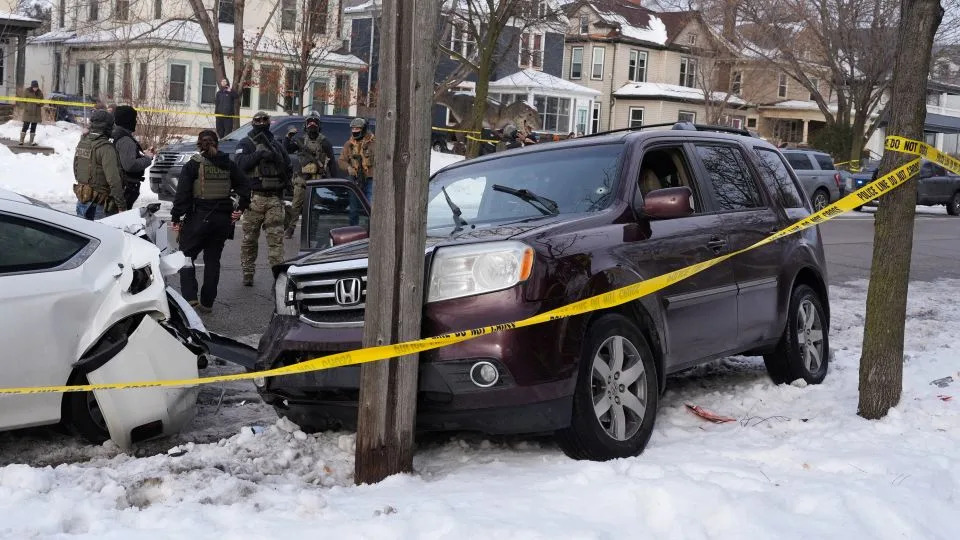
Federal agents gather next to a vehicle with a bullet hole in the windshield after its driver was shot by a US immigration agent in Minneapolis on January 7. - Tim Evans/Reuters
Context: Public Skepticism About U.S. Motives Abroad
Some Americans view recent U.S. actions and rhetoric toward foreign governments with skepticism. A recent national poll found many respondents suspect American objectives in crises such as Venezuela are driven by access to resources or geopolitical influence rather than purely humanitarian or law-enforcement goals. U.S.-based human rights organizations report the reported death toll from the Iranian protests has now exceeded 500.
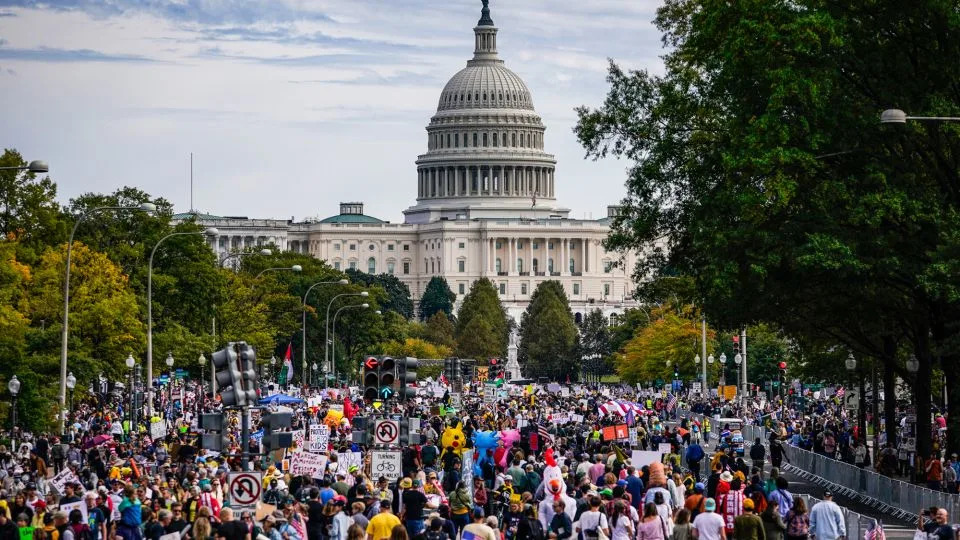
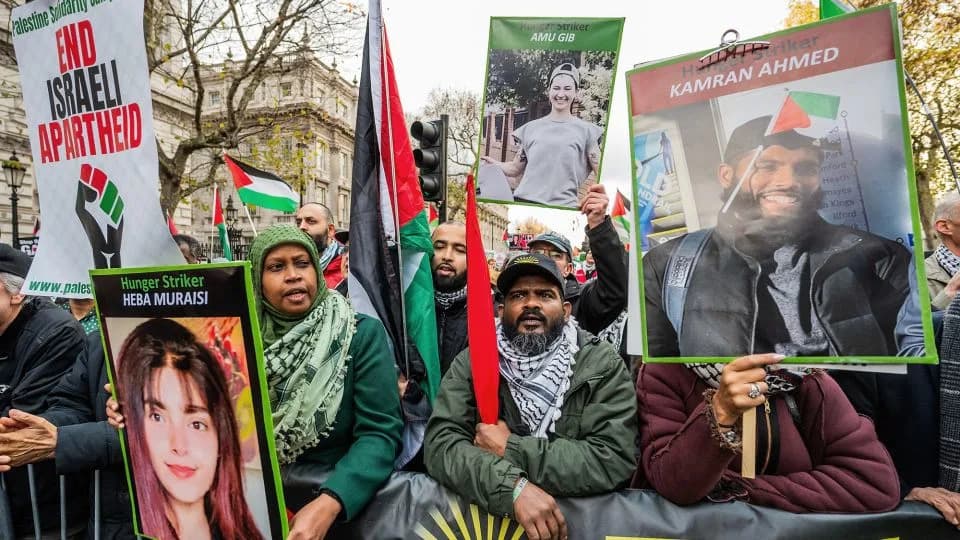
Protesters march along Pennsylvania Avenue during the second "No Kings" protest on October 18, 2025, in Washington, DC. - Nathan Howard/Getty Images/File
Domestic Inconsistencies
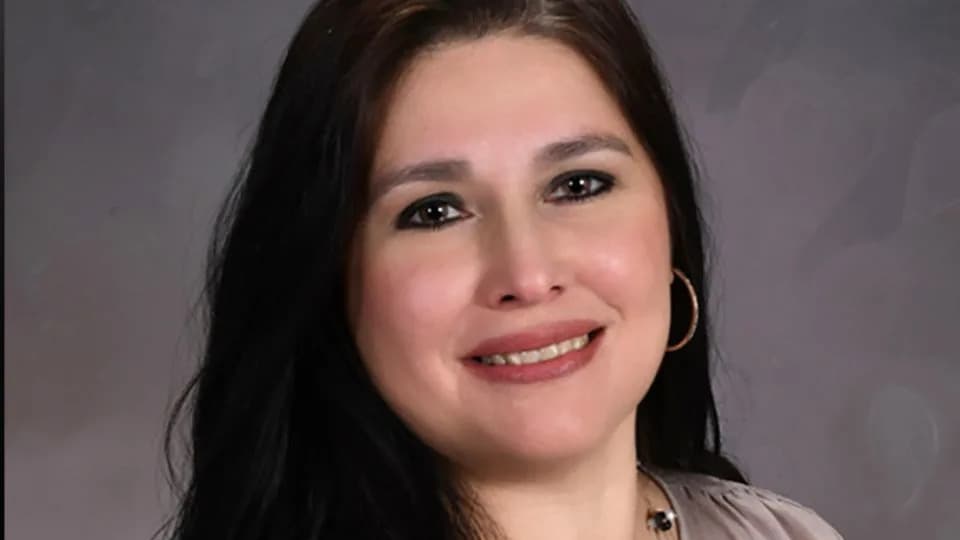
Critics say Mr. Trump's professed eagerness to defend Iranian demonstrators clashes with his recent approach to protests at home. After a woman, Renee Nicole Good, died following an encounter with an Immigration and Customs Enforcement (ICE) agent in Minneapolis, administration allies quickly characterized the episode as a dangerous provocation and labeled it "domestic terrorism" — despite limited public evidence that she intentionally targeted the agent. News outlets reported investigators have not confirmed links between the woman and any organized activist network.
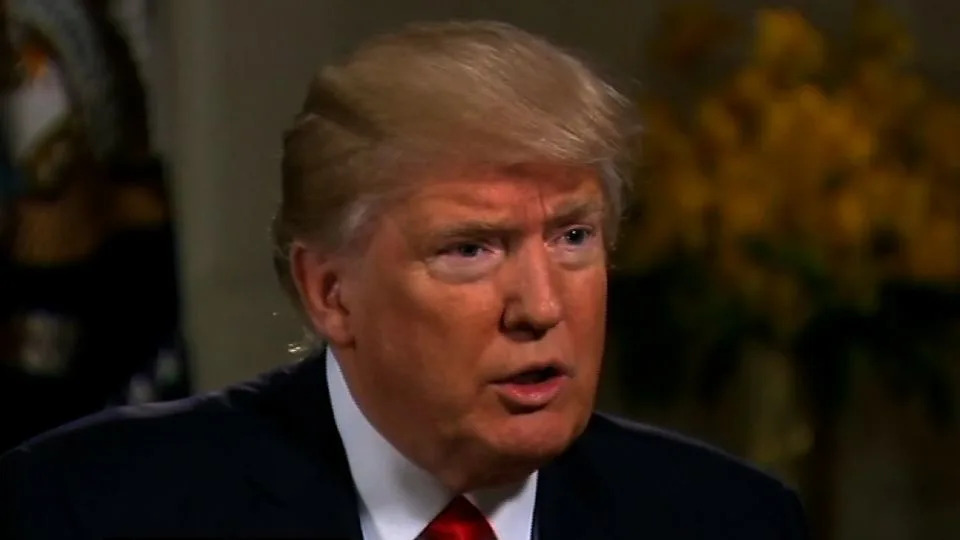
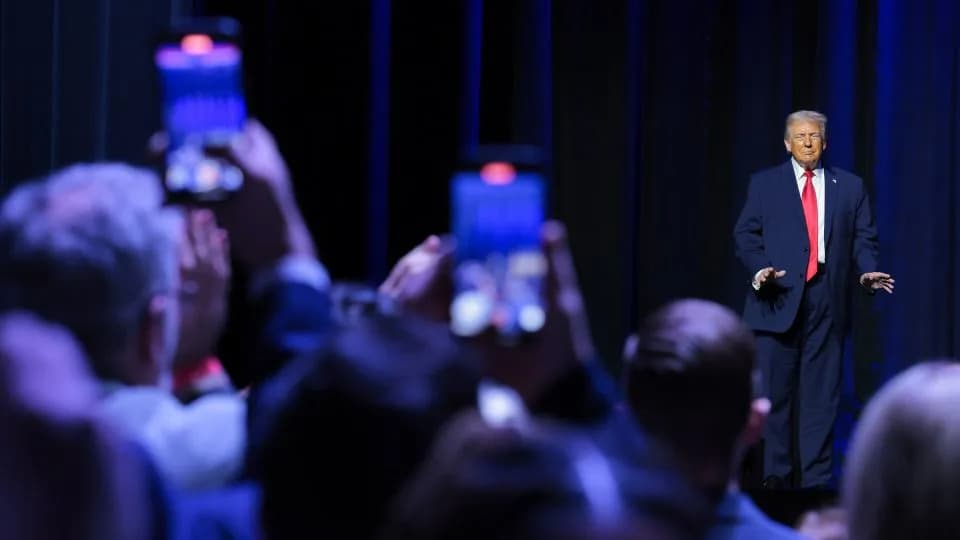
Donald Trump speaks during an interview with Bill O'Reilly on Fox News. - Fox News
Across multiple episodes this year, the president and some administration officials have repeatedly framed certain demonstrations as threats, suggested curbs on speech, or justified deployments of federal personnel by emphasizing disorder — characterizations that judges, including some appointed by Republican presidents, have at times rejected as overstated. At other moments Mr. Trump has praised or appeared indifferent to harsh crackdowns by foreign leaders, raising questions about whether his stance is principled or transactional.
History of Comments on Repression
Mr. Trump has a record of ambiguous or approving comments about forceful suppression of dissent. In a 1990 interview, he praised China for using force to quell the Tiananmen Square demonstrations: "They were vicious, they were horrible, but they put it down with strength," he said. When asked in 2017 about Russian President Vladimir Putin's treatment of opponents, Mr. Trump asked rhetorically, "You think our country's so innocent?" Such remarks are cited by critics as evidence that he sometimes views repression through a lens of power and order rather than civil liberties.
Why It Matters
Whether the administration acts on Mr. Trump's warnings about Iran will depend on classified assessments, legal authority, and international implications. But the contrast between his vocal willingness to intervene abroad on behalf of some protesters and his record of criticizing, criminalizing, or otherwise downplaying demonstrations he dislikes at home makes many observers skeptical of purely humanitarian motives.
Bottom line: The president's language about "rescuing" Iranian protesters has raised alarm and debate — not only about the prudence of U.S. military involvement, but about consistency in defending protest and free expression everywhere.
Help us improve.