WASHINGTON — Scholars and former U.S. officials involved in planning scenarios have estimated that acquiring Greenland could cost the United States as much as $700 billion, according to people familiar with the calculation. That figure is roughly more than half of the U.S. Defense Department’s annual budget and highlights the high price tag attached to the idea.
Why the Price Tag?
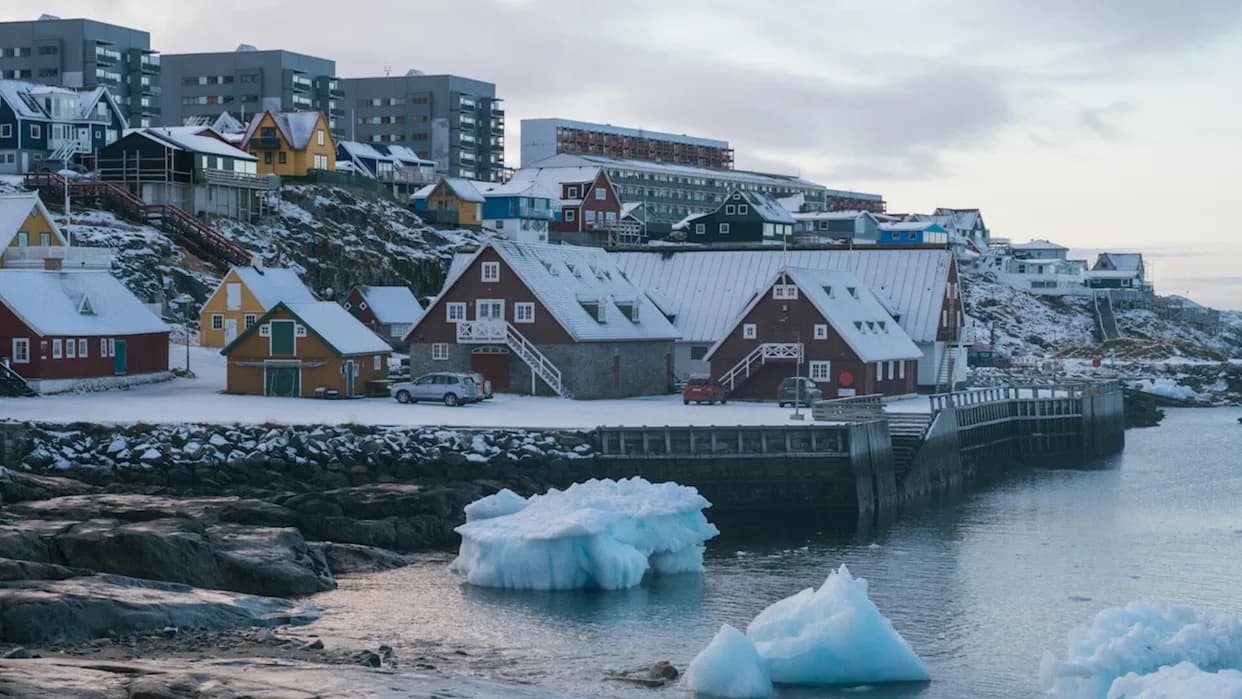
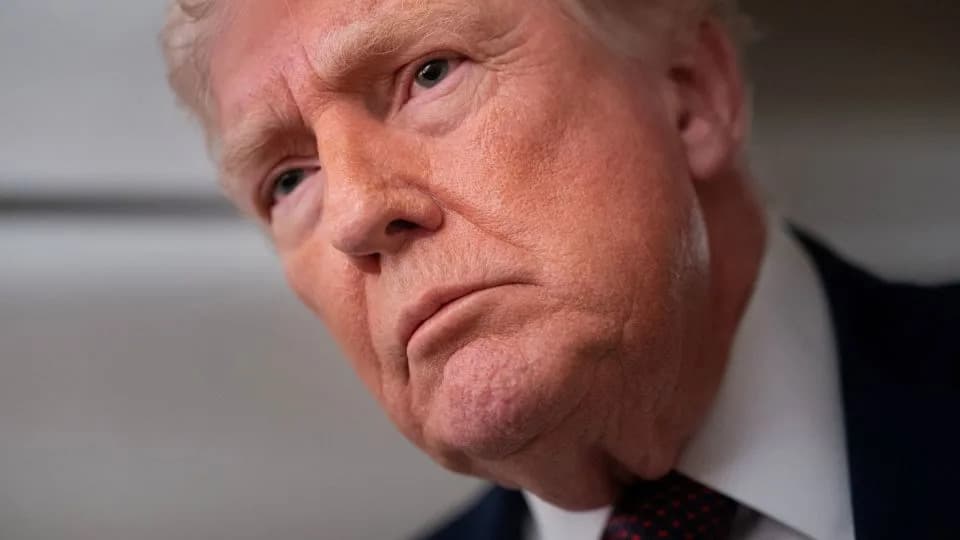
The estimate was prepared as part of planning around President Donald Trump’s long‑stated interest in securing stronger U.S. influence in the Arctic. The figure reflects the perceived strategic value of Greenland’s 800,000 square miles as a buffer in the Arctic and the potential costs of purchase, integration and long‑term administration.
Political Responses
Greenland — a semi‑autonomous territory of the Kingdom of Denmark — and Danish authorities have repeatedly said the island is not for sale. Greenlandic leaders traveling to Washington have reiterated that Greenlanders want to remain part of the Kingdom of Denmark.
"Greenland does not want to be owned by, governed by or part of the United States," Foreign Minister Vivian Motzfeldt said upon arriving in Washington.
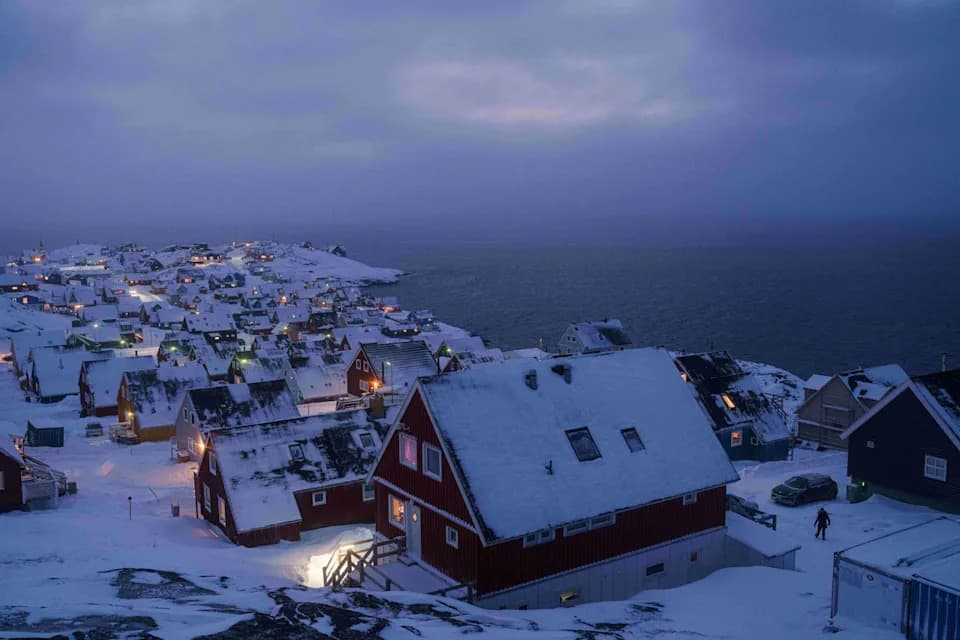
Greenland’s minister for business and mineral resources, Naaja Nathanielsen, said the U.S. overtures have caused significant concern among residents. "This is really filling the agenda and the discussions around the households," she said, adding that many Greenlanders are worried and have no intention of becoming American.
U.S. Options Under Consideration
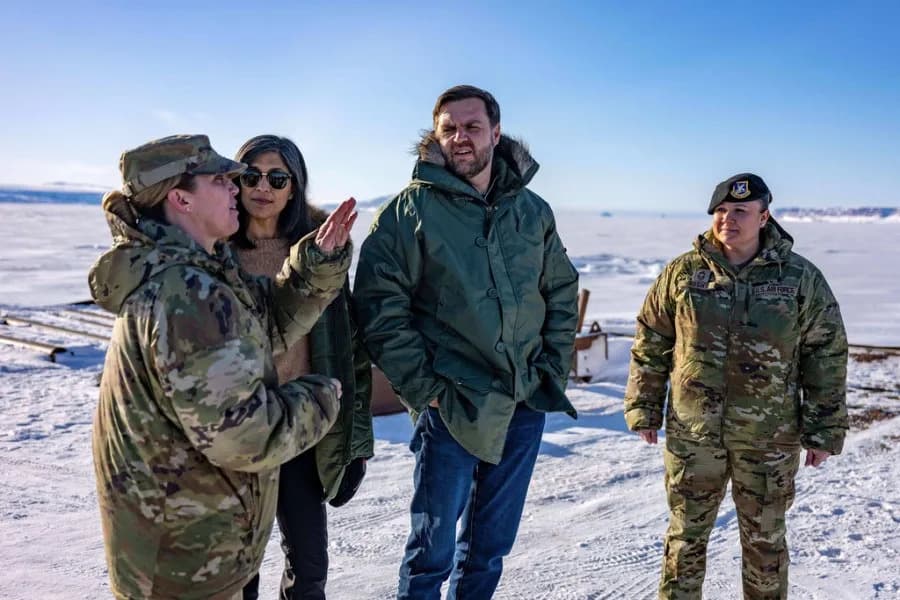
A senior White House official told reporters that the administration has directed Sen. Marco Rubio and other advisers to prepare options and proposals; Vice President J.D. Vance has also been involved in diplomacy. Meetings between U.S., Danish and Greenlandic officials have been scheduled to clarify intentions and to discuss possible arrangements.
Officials and analysts say several paths are being discussed, including:
- Purchasing Greenland outright — the estimate of $500 billion to $700 billion has circulated in planning documents.
- Expanding the U.S. military footprint under existing agreements, which U.S. officials say can be done without a purchase.
- Negotiating a compact of free association similar to pacts the U.S. holds with several Pacific island states, providing financial assistance in exchange for strategic basing and security rights — likely far less expensive than an outright purchase.
Strategic Concerns And Reactions
Proponents of a stronger U.S. presence point to Greenland’s strategic location and resources, including rare earth minerals and extensive Arctic coastline that some fear could draw influence from rivals such as Russia or China if Greenland were to pursue full independence.
But experts caution that any forced attempt to seize control would be impractical and politically dangerous. Ian Lesser of the German Marshall Fund said using military force is unlikely and that such a step would risk severe strains on NATO and widespread opposition in Congress.
On Capitol Hill, lawmakers from both parties have pushed back. Legislation was introduced to bar Defense Department funds from being used to assert control over the sovereign territory of a NATO member without that state's consent or approval by NATO’s governing body.
Current U.S. Military Presence
Greenland already hosts a small U.S. military presence at Pituffik (Thule) Space Base, staffed by Space Force and other personnel who operate radar and early‑warning systems important for monitoring activity in the Arctic. Danish leaders say the U.S. can expand its presence by agreement without changing Greenland’s political status.
European allies have issued statements backing Greenland’s sovereignty. "Greenland belongs to its people," a joint statement said, vowing to defend the territory’s integrity.
Historical Context
The U.S. and Denmark have a history of territorial agreements — in 1916 the U.S. negotiated for islands in the Caribbean with Denmark — but modern rules of sovereignty and NATO ties make any transfer of Greenland highly complex.
As the debate continues, Greenlanders themselves remain largely opposed to joining the United States. An independent poll last year found roughly 85% rejected the idea of becoming part of the U.S.
Bottom line: The estimated $500–$700 billion price range has focused attention on the practical, political and diplomatic barriers to any U.S. acquisition of Greenland, while Denmark, Greenland and many U.S. lawmakers stress that sovereignty and alliance ties must be respected.