The Missouri bench trial in Jackson County challenges multiple state abortion regulations — including a 72-hour waiting period, mandatory pelvic exams for medication abortions and a telemedicine ban — as potentially inconsistent with the 2024 state constitutional amendment protecting abortion rights. Advocates say striking down the rules could expand access and shorten travel for patients from about a dozen neighboring states; the state argues the measures protect patients. Experts note the case will likely be appealed and that rebuilding clinic capacity would take significant time even if plaintiffs prevail.
Missouri Trial Could Reshape Abortion Access Across the Midwest and South
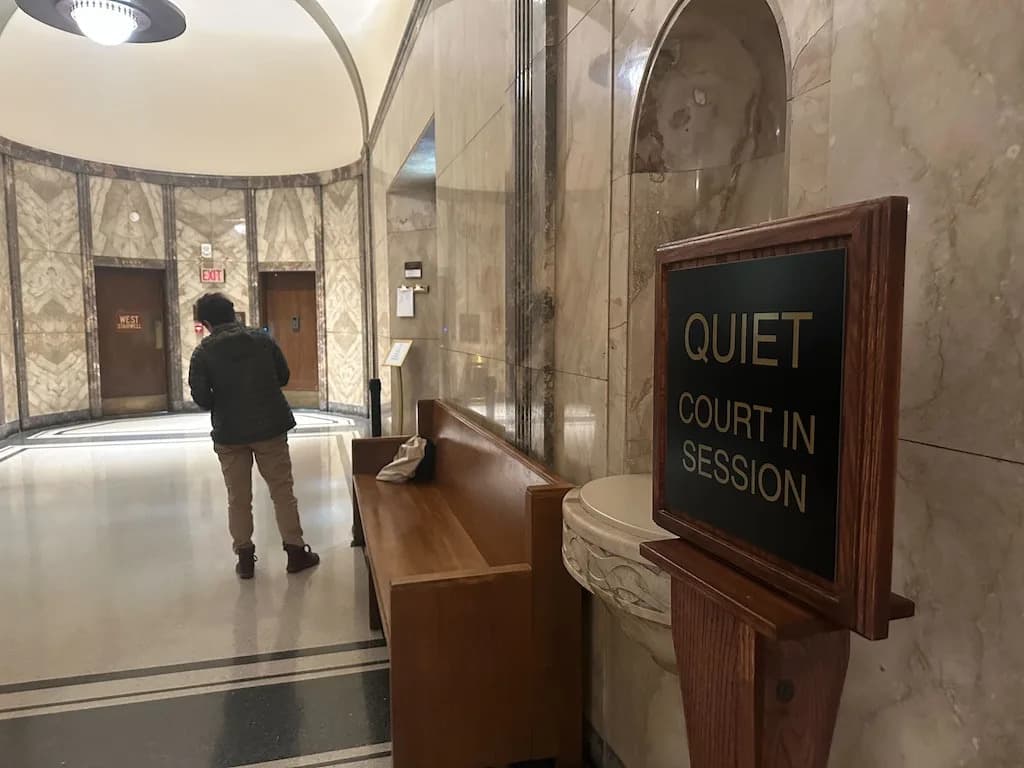
A trial over Missouri’s abortion regulations began Monday at the Jackson County Courthouse in Kansas City, Mo.
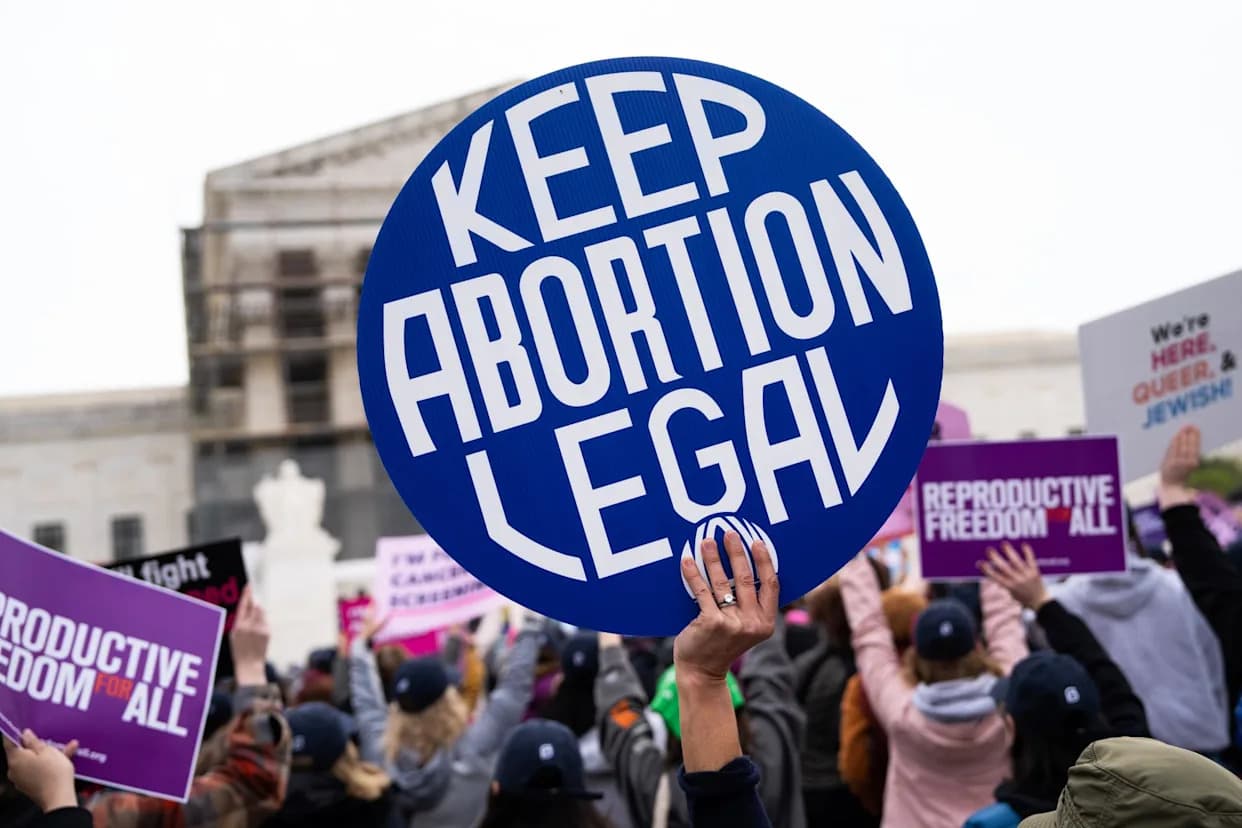
KANSAS CITY, Mo. — A two-week bench trial that opened at the Jackson County Courthouse in Kansas City could have effects well beyond Missouri’s borders. A judge is evaluating whether a stack of state rules governing abortion providers — including a 72-hour waiting period, mandatory pelvic exams for medication abortions and a ban on telemedicine for abortion medication — violate the voter-approved 2024 state constitutional amendment protecting abortion rights.
What’s at Issue
Planned Parenthood affiliates and other providers argue that Missouri’s regulations have been used to erode provider networks, restrict appointment availability and create needless burdens on patients. The contested rules include reporting requirements that clinicians say intrude on patient privacy, physical facility standards that effectively disqualify some clinics and procedural mandates that apply only to abortion care.
“Opening and reestablishing rights in the state of Missouri would help to alleviate some of the pressure that other states have since so many Southern states have banned abortion,” said Julie Burkhart, co-owner of Hope Clinic in Granite City, Illinois, which serves many out-of-state patients. “It just seems logical that we would see a shift in migration patterns of patients in the country.”
Regional Consequences
If the court strikes down these regulations, Missouri could become a nearer option for people from about a dozen neighboring states that impose severe restrictions or bans. Advocates say that would shorten travel distances and reduce the strain on clinics in adjoining states; opponents say the rules are commonsense safeguards intended to protect patients.
Rebecca Reingold, associate director at Georgetown University’s O’Neill Institute, said the case will be closely watched by other states litigating abortion access. While state judges are not strictly bound by rulings in other jurisdictions, cross-jurisdictional decisions can inform how courts address novel or evolving legal questions.
Voices From The Trial
Planned Parenthood leaders told the court that shifting laws and regulatory requirements have introduced bureaucratic obstacles and privacy risks. Dr. Margaret Baum, chief medical officer at Planned Parenthood Great Rivers, testified that many of the state’s rules single out abortion care in ways not applied to other procedures, citing examples such as mandatory reporting of race, education level and exact patient location.
State lawyers defended the regulations as protective measures. During a procedural argument, Deputy Solicitor General Peter Donohue said, “Abortion is a business. Your Honor, the plaintiffs are asking to deregulate their profession in order to make more money.” The state planned to call anti-abortion physicians and activists as witnesses later in the trial.
Practical Barriers Remain Even If Plaintiffs Prevail
Experts note that, regardless of the ruling, an appeal is likely and that restoring a full provider network would take time. Isaac Maddow-Zimet of the Guttmacher Institute warned that reopening clinics, expanding services and rebuilding staffing cannot be done overnight amid legal uncertainty.
Kimya Forouzan, Guttmacher’s principal state policy adviser, added that Missouri’s experience shows how lawmakers can sharply curtail access without an outright ban. She noted that restrictive bills are already circulating in the state legislature and some lawmakers are pursuing a ballot measure to repeal the 2024 amendment.
Data on Travel And Telemedicine
Research shows that travel burdens rose sharply after the U.S. Supreme Court’s June 2022 decision that removed federal constitutional protections for abortion. A study in the American Journal of Public Health found that for residents of states with bans, average travel time to obtain an abortion increased from 2.8 hours to 11.3 hours, and travel costs rose from $179 to $372; more than half of respondents reported needing an overnight hotel stay after bans took effect, up from 5% previously.
In 2024, the Guttmacher Institute estimates that about 7,880 people from Missouri traveled to Illinois and 3,960 traveled to Kansas for abortion care. About 155,000 people crossed state lines for abortion care that year, representing roughly 15% of abortions provided in states without total bans.
Why The Case Matters
The Missouri trial tests whether state-level regulations can be so restrictive in practice that they function as bans — a strategy used in other states. Its outcome could influence litigation strategies and policymaking across the Midwest and South, shaping access to in-clinic and medication abortion services for months or years to come.
Stateline reporter Kevin Hardy can be reached at khardy@stateline.org. Missouri Independent reporter Anna Spoerre can be reached at aspoerre@missouriindependent.com.
Help us improve.