The rare sighting of a 12-foot gharial beneath Madhusudan Setu in Odisha attracted crowds and social-media attention after the reptile apparently drifted downstream, the Deccan Chronicle reported. Forestry officials monitored the scene and no injuries were reported. Observers suggested unusually high Mahanadi River flows may have displaced the animal, underscoring how habitat loss and climate-linked flooding increase risky human-wildlife encounters.
Crowds Stunned as 12-Foot Gharial Basks Under Madhusudan Setu in Odisha
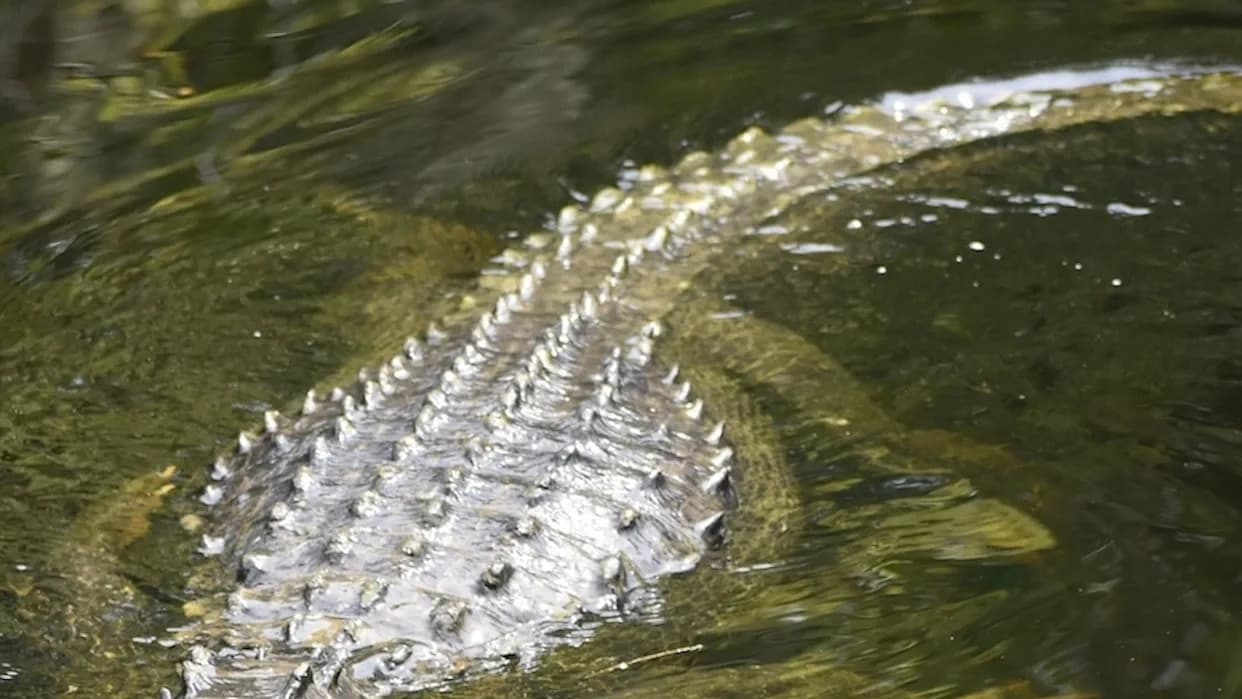
Photo Credit: iStock
Last month, an unlikely sight drew a crowd beneath the Madhusudan Setu bridge in Odisha: a 12-foot gharial resting on a sandy riverbank, according to the Deccan Chronicle. The rare crocodilian — easily identified by its long, narrow snout — appeared to have drifted far downstream from its usual habitat.
Local forestry department officials monitored the scene to ensure public safety, while onlookers filmed and shared multiple videos and photos on social media. Fortunately, no one was hurt and there were no reported close encounters with the animal.
How it may have happened. Observers speculated that higher-than-usual flows in the Mahanadi River swept the gharial downstream. Flooding and unusual river flows have become more frequent in many regions, which can displace wildlife from their normal ranges.
Broader context. Encounters like this reflect two converging problems: habitat loss from expanding cities and farmland, and climate-driven changes in weather and river behavior. When animals are forced into developed areas, the risk of dangerous human-wildlife interactions rises. Even when incidents end without injury, animals that become habituated to people can later face capture or euthanasia for public-safety reasons.
What to know and do. If you encounter a large wild animal: keep a safe distance, do not attempt to feed or approach it, alert local wildlife or forest authorities, and keep pets and children inside. These precautions protect both people and animals and give officials time to respond safely.
Events like the gharial sighting highlight the need to protect and restore natural habitats and to address the environmental drivers — including pollution and climate change — that increase the likelihood of such displacements.
Local response: Forestry officials continued to monitor the area after the sighting and urged residents to avoid the riverbank until the animal moved on or could be safely assessed.
Help us improve.