Overview: Farzat, a pseudonymous former law student from Iran’s Kurdish minority, says he fled Karaj after witnessing security forces fire live rounds at protesters on January 8–9, killing multiple people. He describes scenes of blood in the streets and says the recent crackdown is more severe than the 2022 unrest following Mahsa Amini’s death. With a near-total communications blackout and reporters barred, firsthand accounts like his are critical. He warns that deep economic hardship — roughly $200/month for many — makes renewed protests likely.
‘Blood on the Streets’: Iranian Exile From Karaj Describes Deadly Crackdown
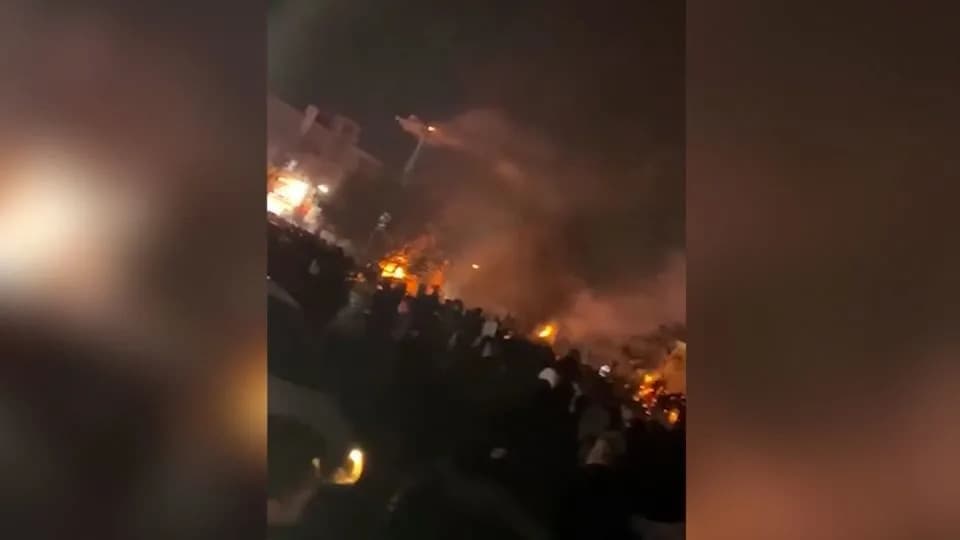
IranWire
Summary: A man using the pseudonym Farzat says he fled Karaj after witnessing security forces fire live rounds at protesters, killing multiple people in minutes. He describes scenes of blood on the streets and says the recent crackdown is harsher than the 2022 unrest following Mahsa Amini's death. With a near-total communications blackout and journalists barred, firsthand accounts like his are central to understanding events.
A Taxi Driver Turned Eyewitness
Farzat — not his real name — told CNN he never planned to be a taxi driver. A former law student in Tehran, he says he was politically active as a student and that led to repeated run-ins with authorities. He told CNN he was arrested and jailed four times over nine years and most recently faced a charge of “contact with a hostile state,” a conviction that can carry up to seven years in prison. He denied the charge and said the alleged record led to his expulsion from university.
What He Saw In Karaj
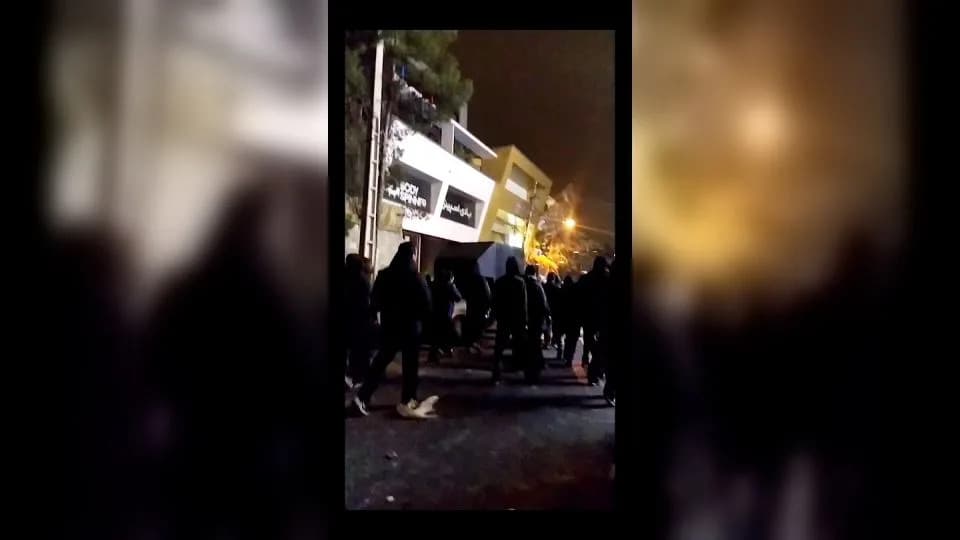
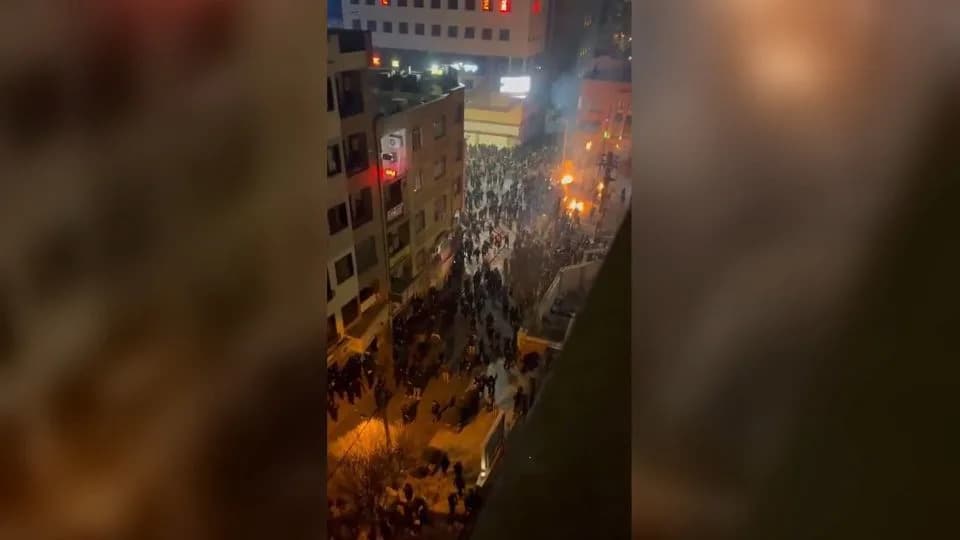
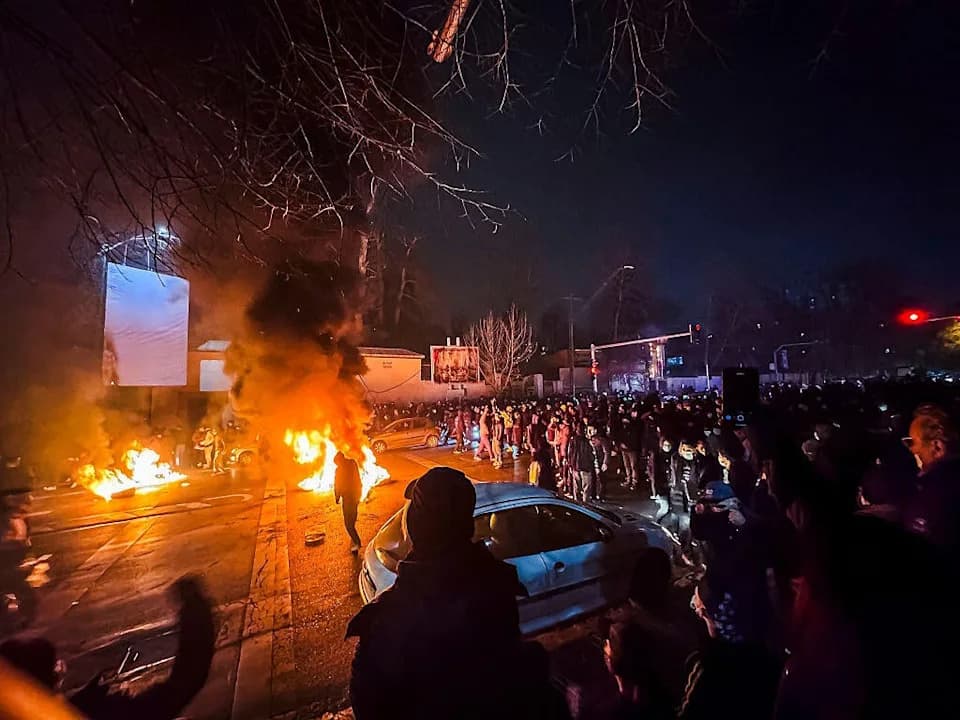
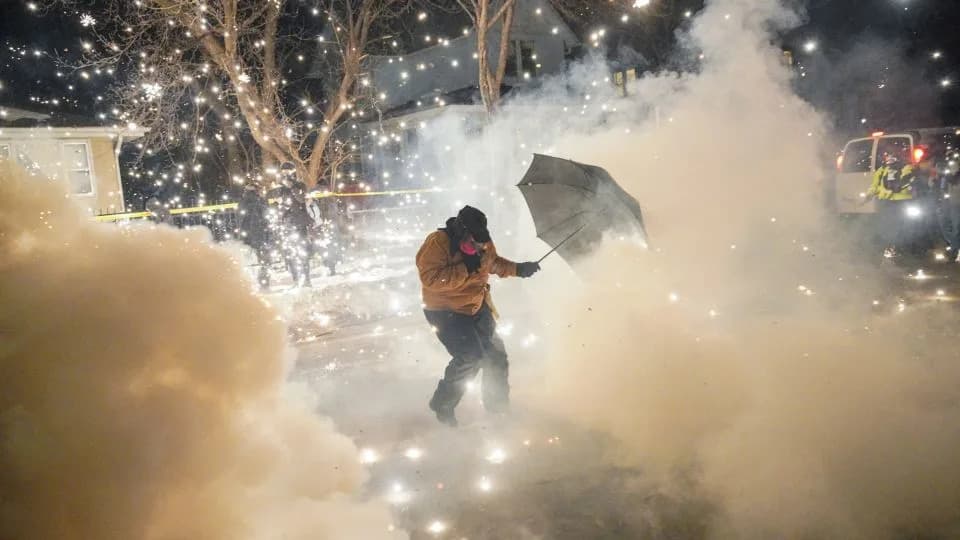
After being forced out of university, Farzat said he worked as a taxi driver in Karaj, a city near Tehran that became the scene of intense anti-government demonstrations. He described a sudden escalation in violence on January 8 and 9.
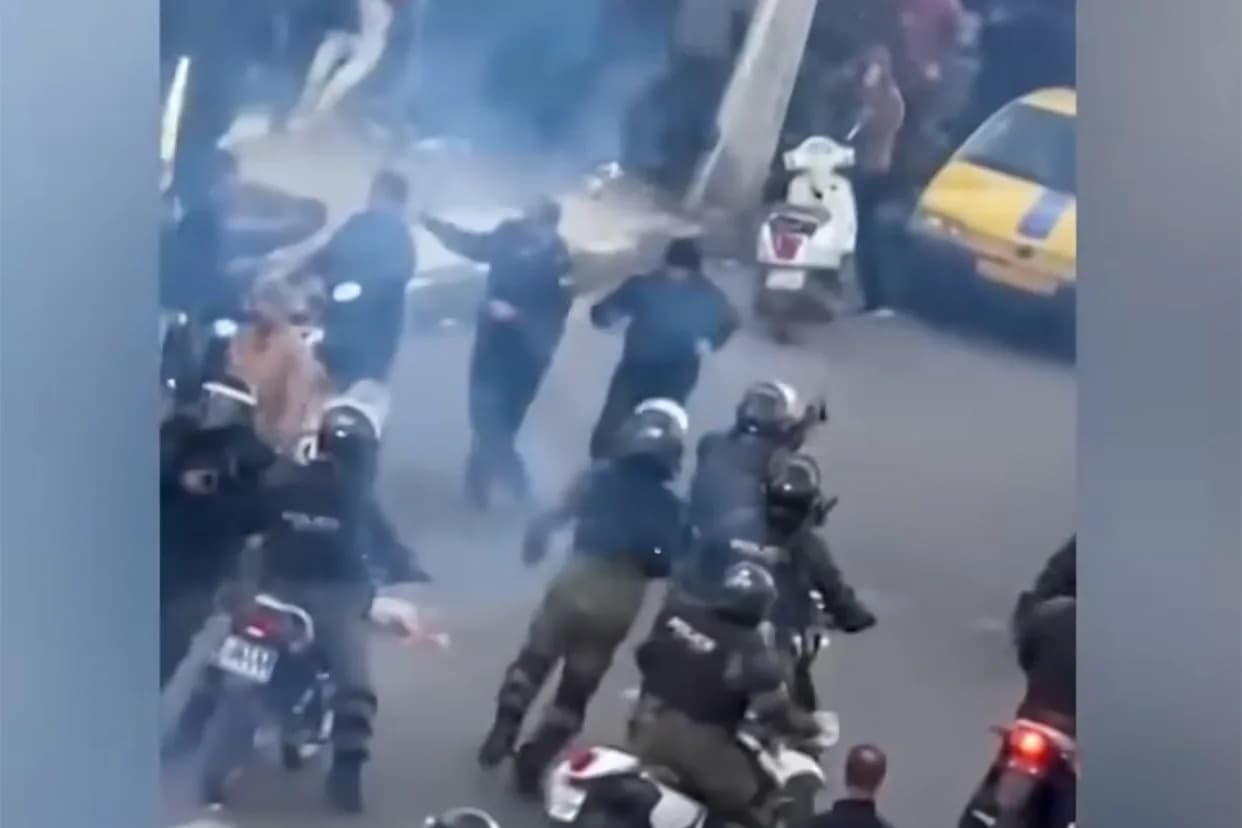
“I saw regime forces firing at the people with live bullets. The bullets were mainly fired at the belly and downward to the genitals. … I saw blood on the streets and three dead bodies in a drive of 15 minutes,” he said.
He added that, in one small street in Karaj, security forces killed at least six protesters and a young woman who was shot while chanting from her balcony.
Context And Corroboration
Amnesty International, citing eyewitness testimony, reported that a Karaj hospital received more than 80 bodies on the night of January 8. The US-based Human Rights Activists News Agency (HRANA) has put the nationwide death toll at nearly 3,000 since the current crackdown began; CNN has not independently verified that figure.
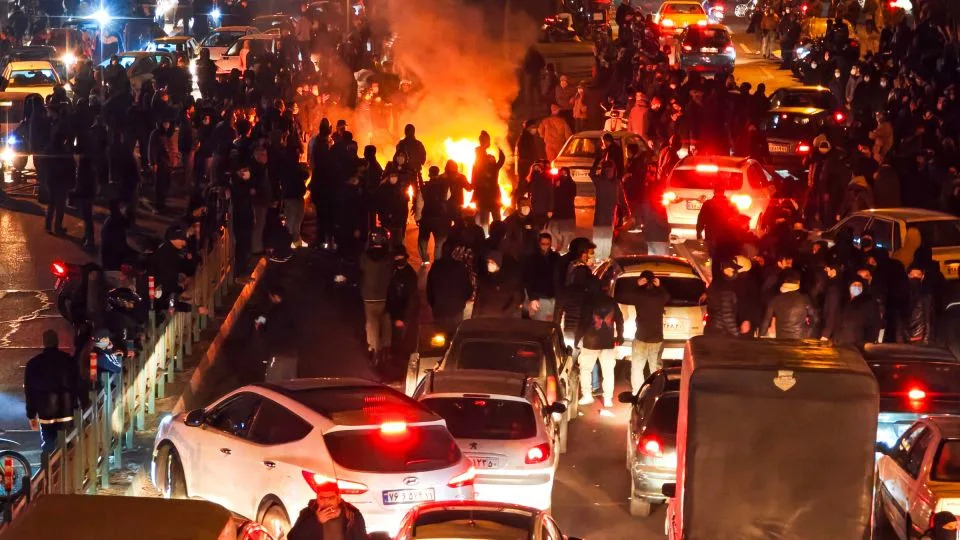
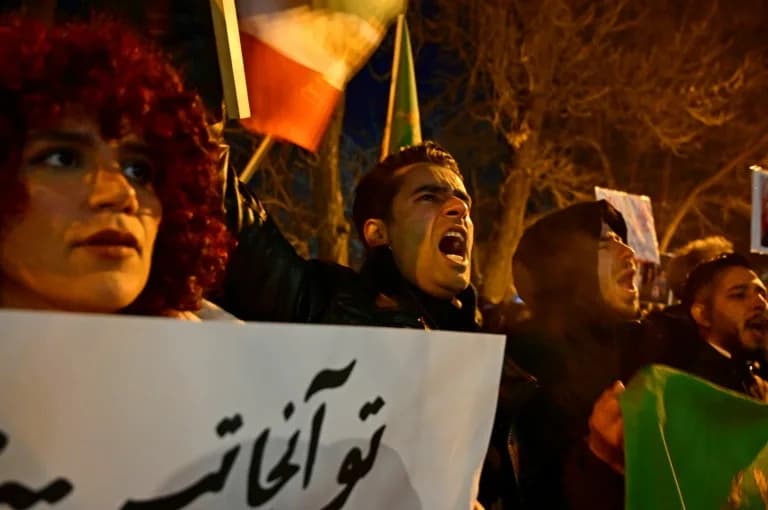
Anti-government protesters demonstrate on January 8, in Tehran. - Getty Images
Farzat participated in the 2022 protests after the death of 22-year-old Mahsa Amini while in custody of the religious police. He said the security response this time—he alleges direct use of live ammunition—was more severe than the earlier crackdown, when security forces initially relied on rubber bullets.
Why This Account Matters
Farzat fled Iran to northeastern Iraq, crossing snow-capped mountains with the help of smugglers and meeting CNN in Sulaimaniya. He agreed to speak only under a pseudonym and without showing his face because he fears retribution. With Iranian authorities imposing near-total internet and telecommunications restrictions and barring foreign journalists, firsthand testimony like his is a major source of information about the unrest.
Politics, Skepticism And Economic Pressure
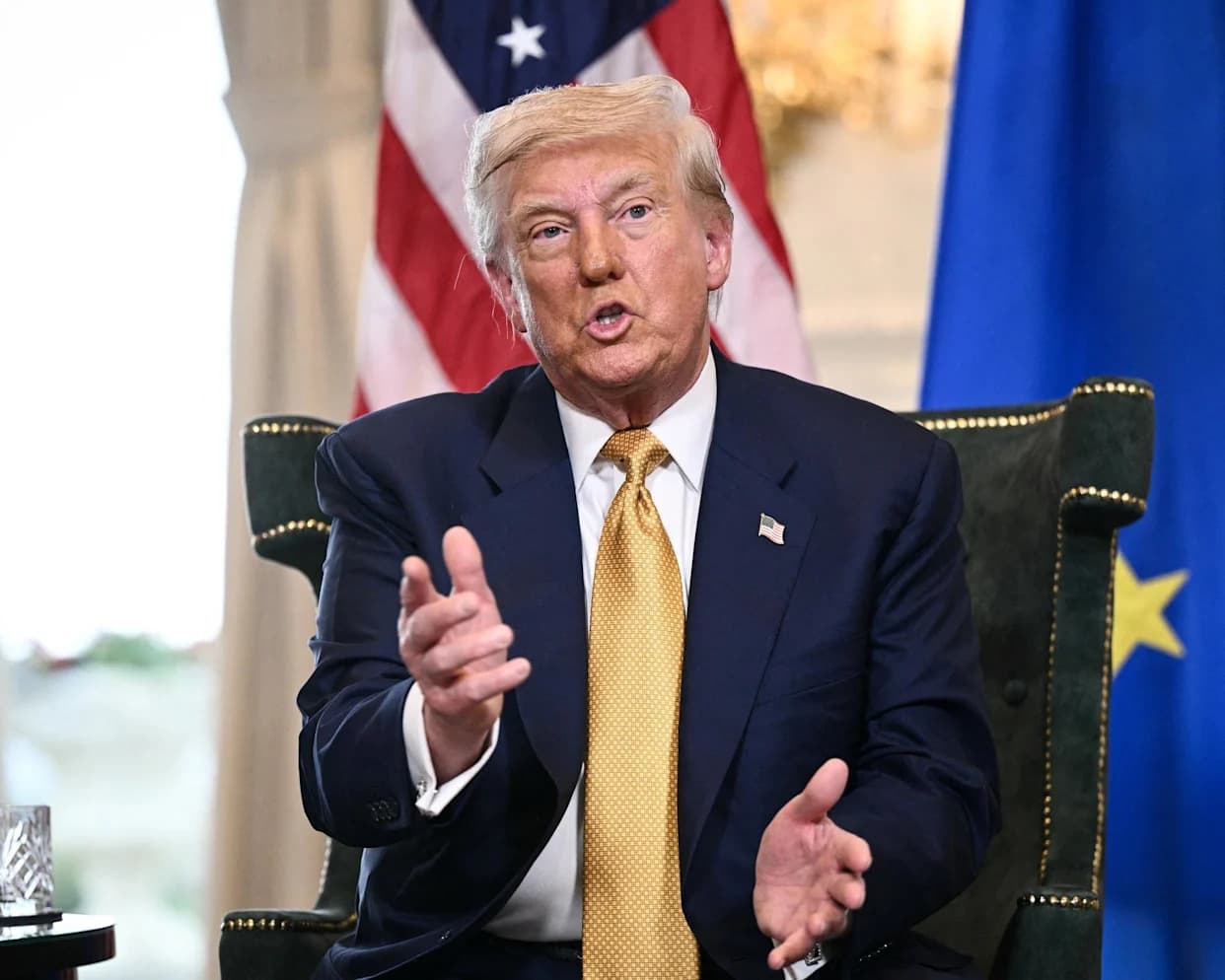
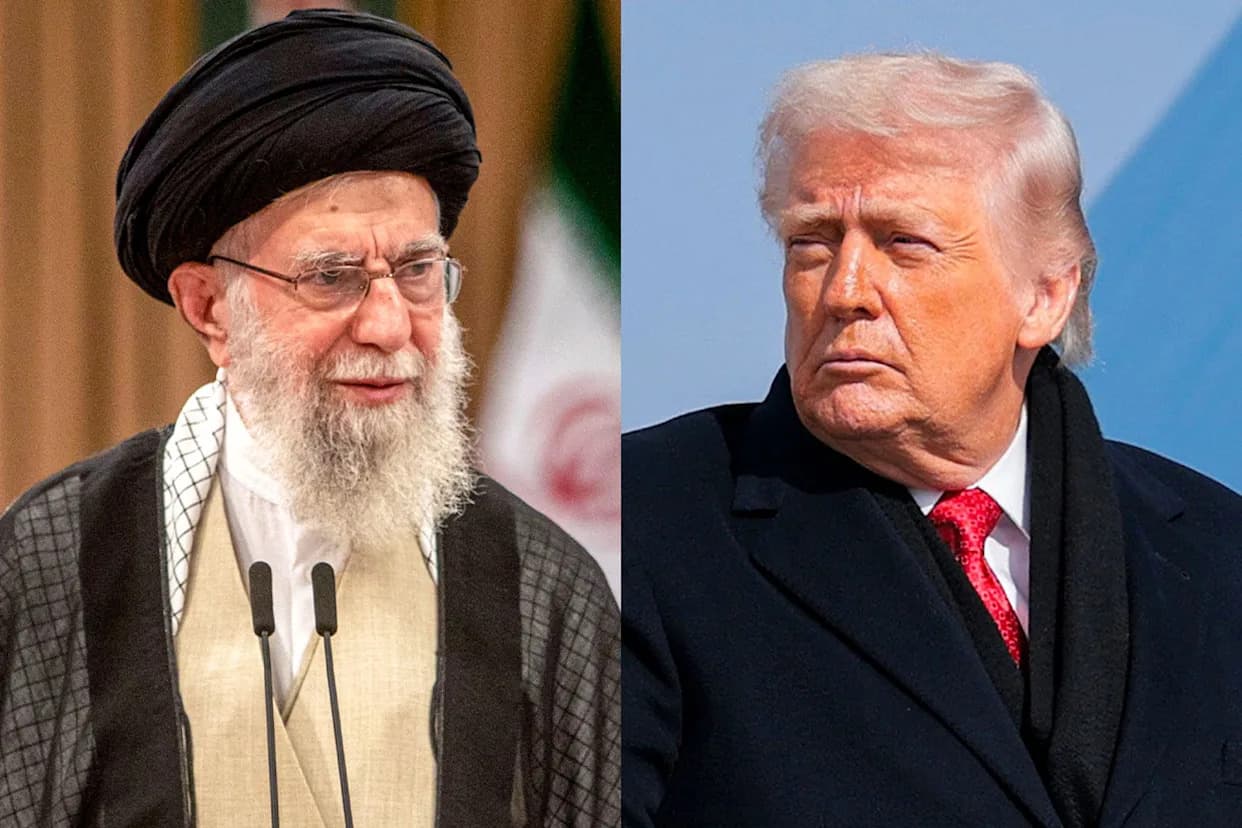
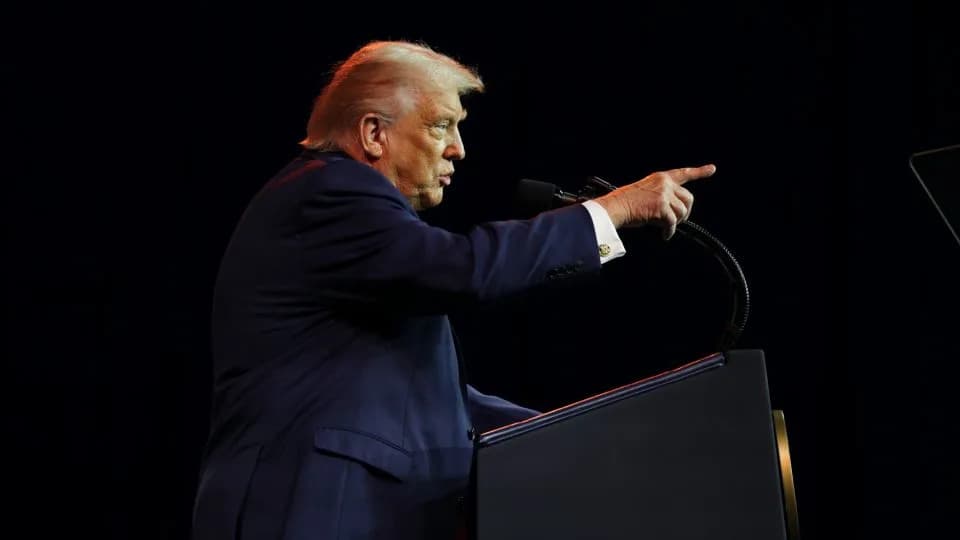
Farzat expressed deep mistrust of foreign promises of support. Referring to a pledge by former US President Donald Trump that “help is on its way,” he said such statements can raise hopes but may mask realpolitik deals with Tehran.
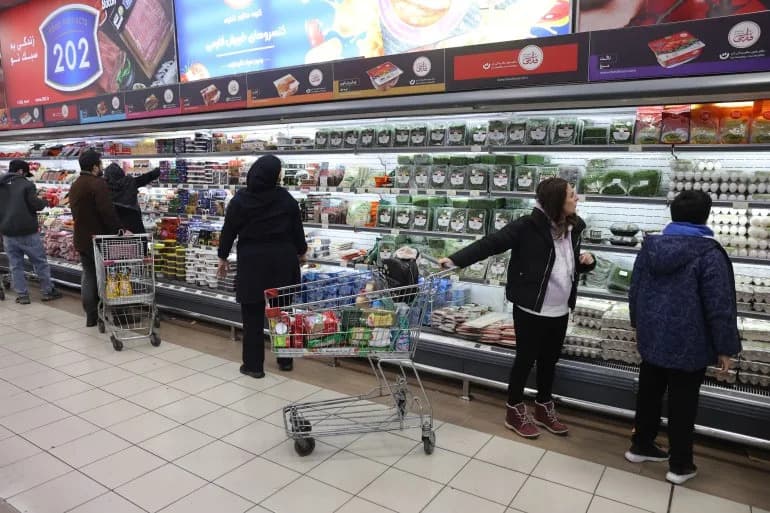
He also highlighted severe economic hardship as a driving force behind continued unrest. “People at best can make about $200 a month, and that’s not even enough for four days,” he said, predicting that economic desperation and popular anger will bring people back into the streets despite the risk of deadly force.
Notes On Verification
This article preserves eyewitness claims as reported. Some figures cited by human rights groups remain unverified by independent on-the-ground reporting due to restrictions inside Iran. Sources cited include CNN interviews, Amnesty International and HRANA; where applicable, the text specifies when figures have not been independently confirmed.
Help us improve.