New simulations show Earth's magnetosphere can funnel charged atmospheric particles to the Moon. The University of Rochester found a modern-Earth scenario—where the solar wind strips ions that are carried along magnetic field lines into Earth's magnetotail—better matches volatile abundances in Apollo regolith samples. When the Moon moves through that comet-like magnetotail it can collect those particles, potentially preserving a billion-year record of Earth's atmospheric changes on the lunar surface.
Earth's Magnetosphere May Be Seeding the Moon With Atmospheric Particles — New Study Reveals How

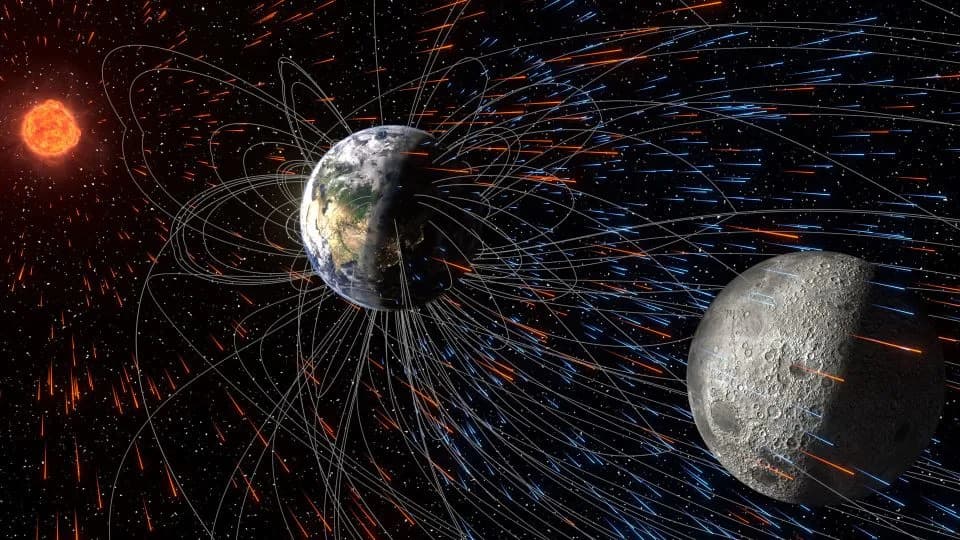
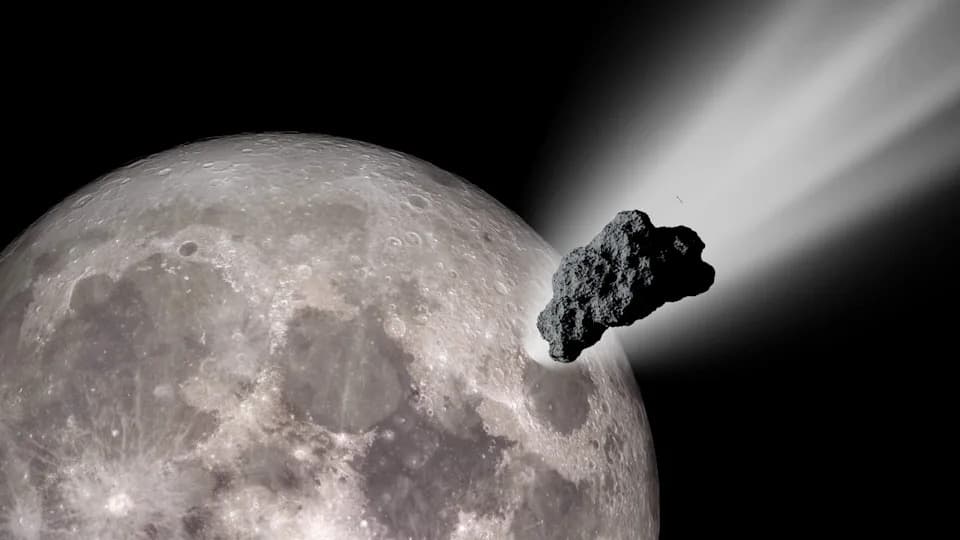
An illustration of Earth's magnetotail, and how it can funnel particles, such as oxygen, to the Moon. (Osaka University/NASA)
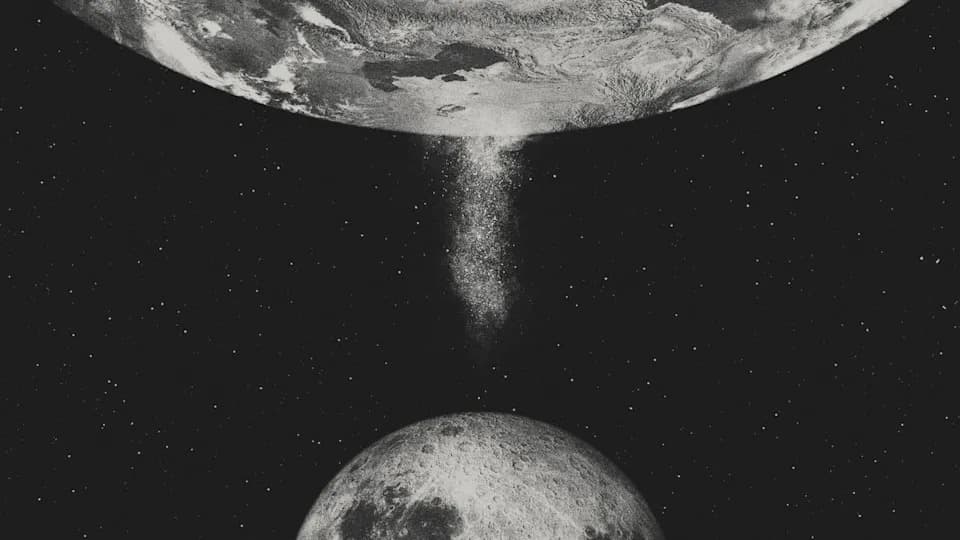
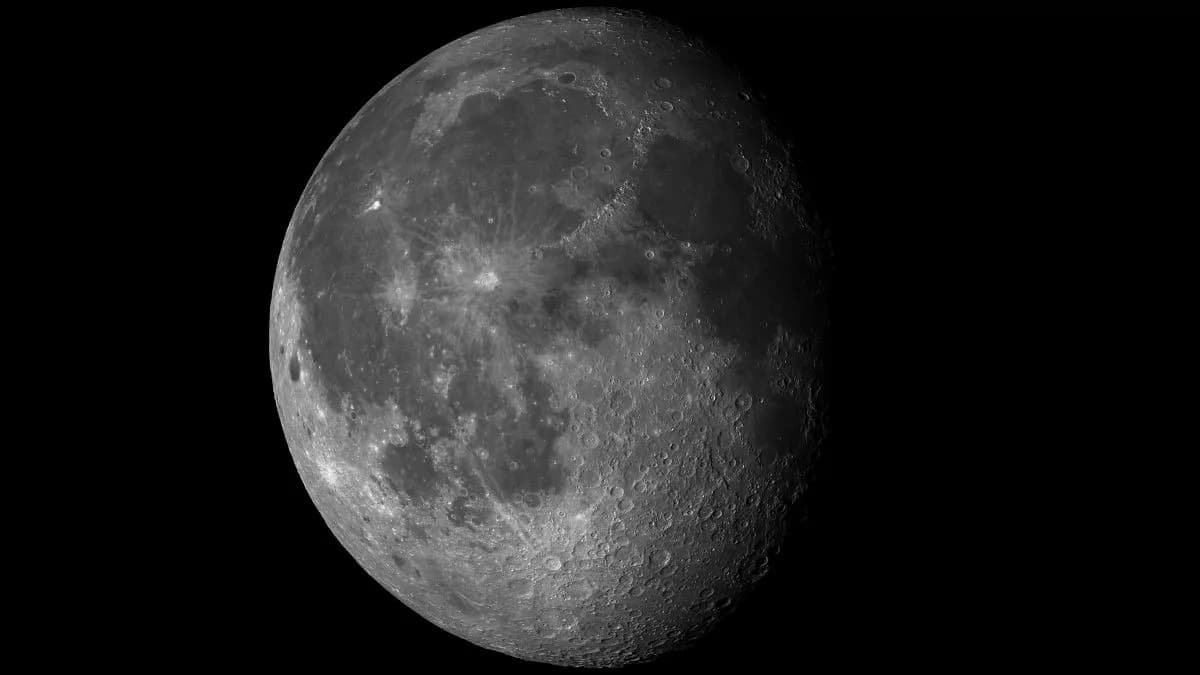
The Moon lacks a sustained atmosphere, yet lunar soil returned by Apollo missions contains more volatile elements — including nitrogen — than can be explained by solar wind or meteorite delivery alone. A new study from the University of Rochester shows how Earth's magnetic field may funnel charged particles from our upper atmosphere onto the lunar surface, creating a long-term transfer that could leave a record of Earth's atmospheric history on the Moon.
What the researchers tested
The team ran computer simulations comparing two end-member scenarios: an "early Earth" with no global magnetic field and a stronger young solar wind, and a "modern Earth" with a robust magnetosphere and a weaker present-day solar wind. Contrary to earlier expectations, the modern-Earth scenario better matches the volatile abundances measured in Apollo regolith samples.
How particles travel from Earth to the Moon

Subscribe to ScienceAlert's free fact-checked newsletter
The solar wind can ionize and strip charged particles from Earth's upper atmosphere. These ions are then accelerated and guided by Earth's magnetic field lines. Because the magnetosphere is stretched into a long, comet-like tail by the solar wind—called the magnetotail—charged particles can be carried far from Earth. When the Moon passes through that magnetotail, it can sweep up and collect some of those atmospheric particles on its surface.
Implications for lunar science and Earth history
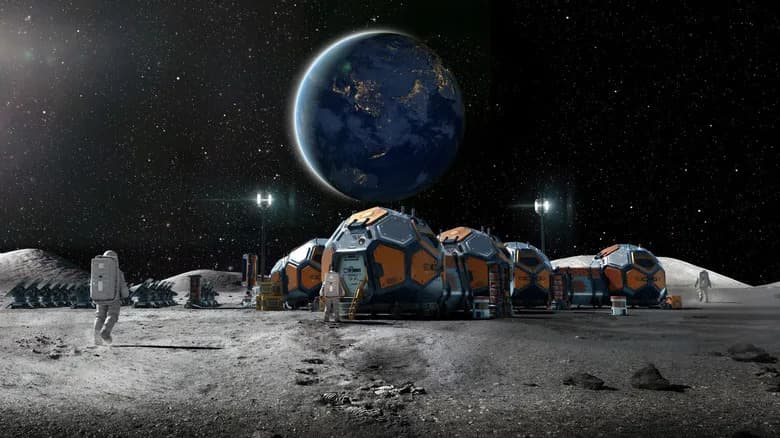
This delivery mechanism could help explain not only nitrogen but also oxygen-bearing species that previous work proposed might form localized water or oxidized minerals (even rust) on the Moon. If this process has been active for billions of years, the lunar regolith could preserve a layered "time capsule" of changes in Earth's upper atmosphere over geological time scales.
Where this research appears
The results were published in Nature Communications Earth & Environment, and they provide a fresh perspective on Earth–Moon material exchange and on interpreting volatile inventories in lunar samples.
Bottom line: Rather than preventing atmospheric escape to the Moon, Earth's magnetosphere may actively channel charged atmospheric particles into space where the Moon can collect them, offering a novel way to read Earth's atmospheric past from lunar soil.
Help us improve.