California lawmakers plan to reintroduce a bill in 2026 that would make kindergarten mandatory for 5-year-olds after past efforts stalled over budget concerns. Supporters cite improved test scores, higher graduation rates and reduced suspensions; opponents raise parental-choice and ongoing-cost objections (previous estimates put recurring costs at about $268 million). Latino families are least likely to enroll, often because of language, immigration fears and logistical barriers; advocates say better outreach and supports could increase participation.
California Lawmakers to Renew Push to Make Kindergarten Mandatory in 2026
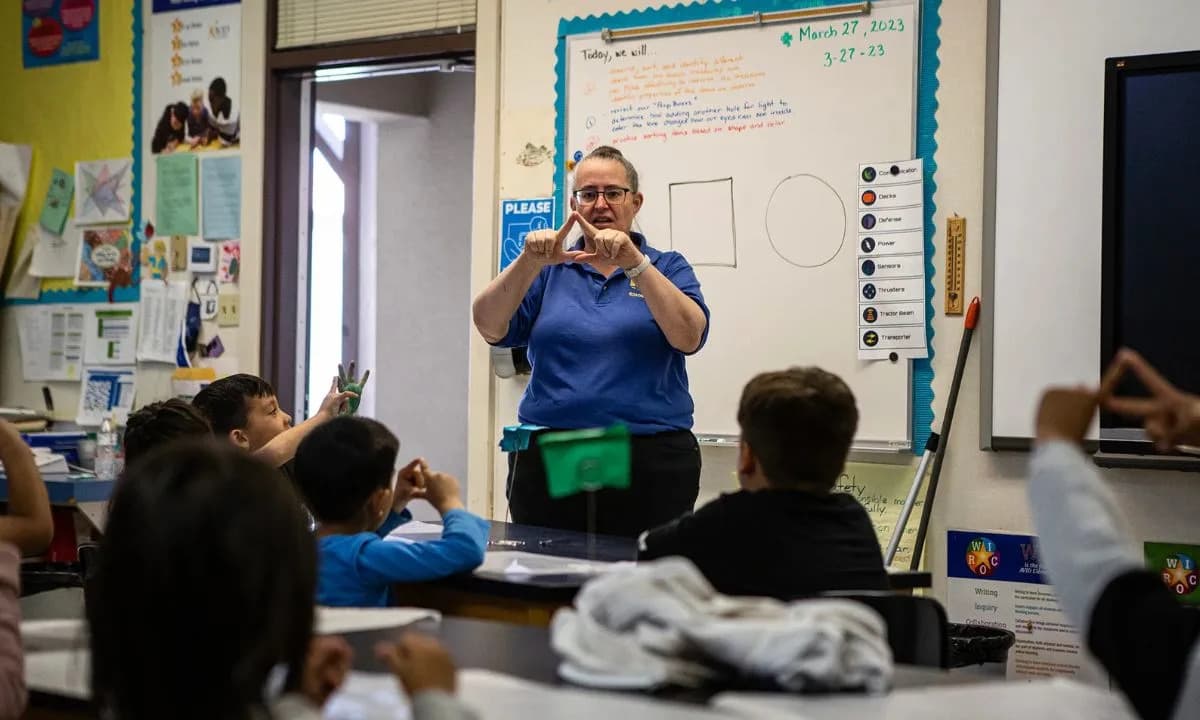
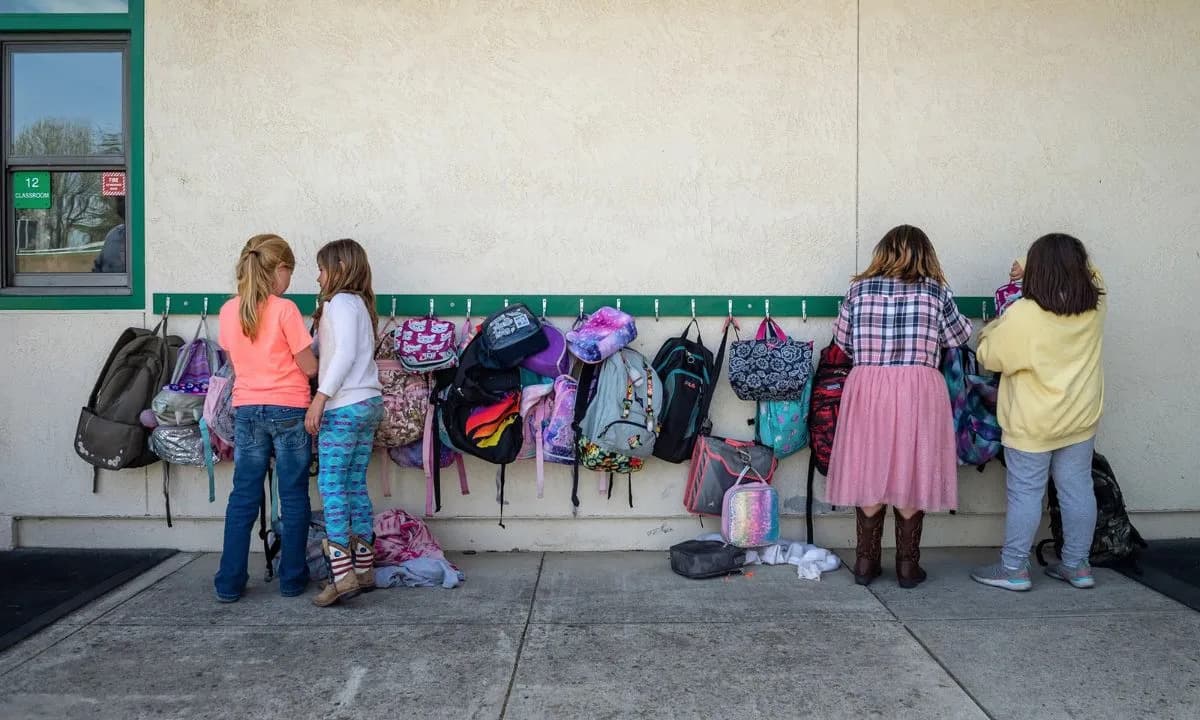
California has poured more than $5 billion into early childhood education in recent years, yet traditional kindergarten — a century-old school staple — remains optional for families. Lawmakers plan to reintroduce legislation in 2026 to require kindergarten attendance for 5-year-olds, hopeful a new effort will succeed where past bills stalled or were vetoed over cost concerns.
Why Supporters Want Mandatory Kindergarten
Advocates point to research showing that children who attend kindergarten score higher in math and reading by third grade, have higher high-school graduation rates and are less likely to be suspended or drop out later. Supporters argue mandatory kindergarten sends a clear signal that early schooling is essential to long-term academic success.
"Kids need to be around other kids, they need to be learning. It matters," said Patricia Lozano, executive director of Early Edge California.
Current Rules and Who Opts Out
State law requires districts to offer kindergarten, but it does not require families to enroll their children. Most families do, but about 5% opt out each year for reasons that include beliefs about readiness, satisfactory alternatives such as preschool or home care, and logistical barriers.
Data indicate Latino families are the least likely demographic to enroll children in kindergarten. Advocates cite language barriers, immigration fears, and parents' demanding work schedules as common reasons families miss enrollment notices or avoid registration. Educators say improved outreach and support — including help with transportation and registration — could increase participation.
Voices on Both Sides
State Senator Susan Rubio, who has authored prior kindergarten-mandate bills, says making kindergarten mandatory would clarify its importance to families who already face disadvantage. State Superintendent Tony Thurmond called mandatory kindergarten a legislative priority for 2026 and pledged support for legislation that addresses the issue.
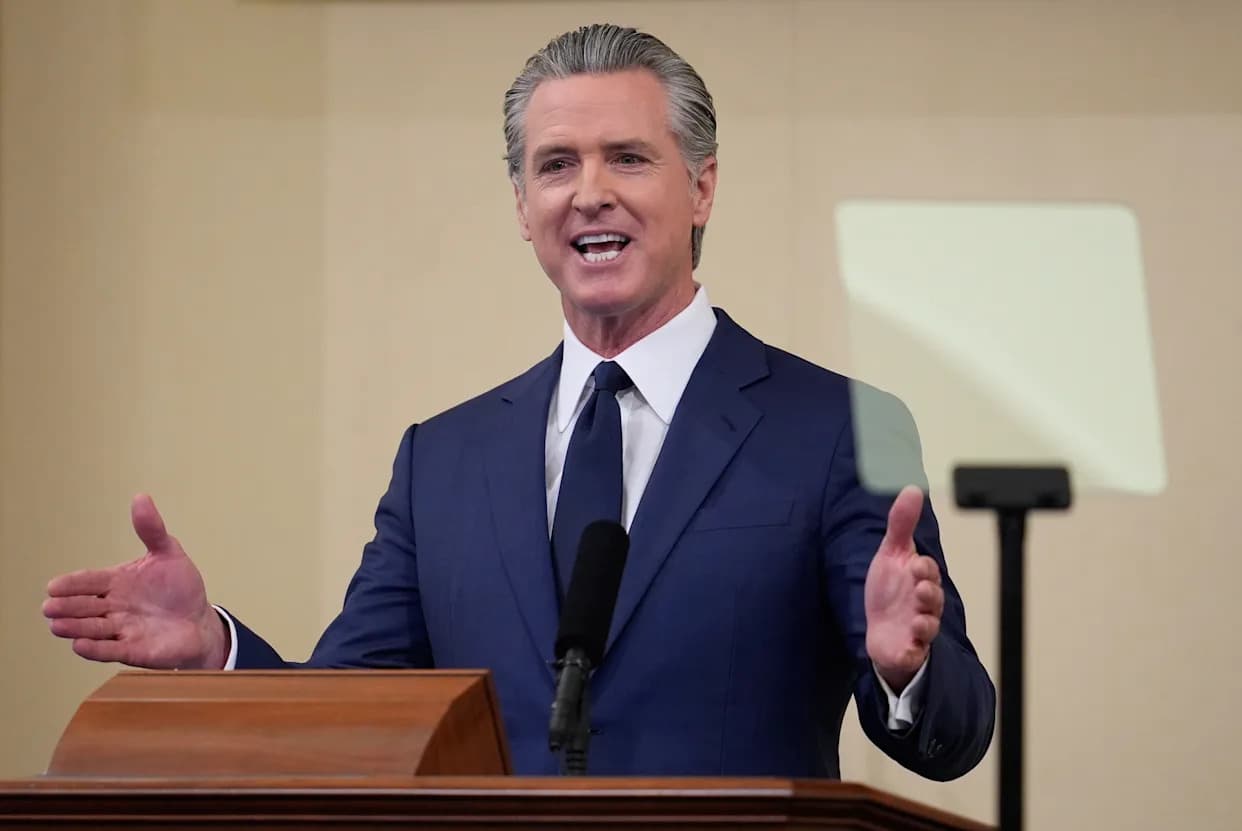
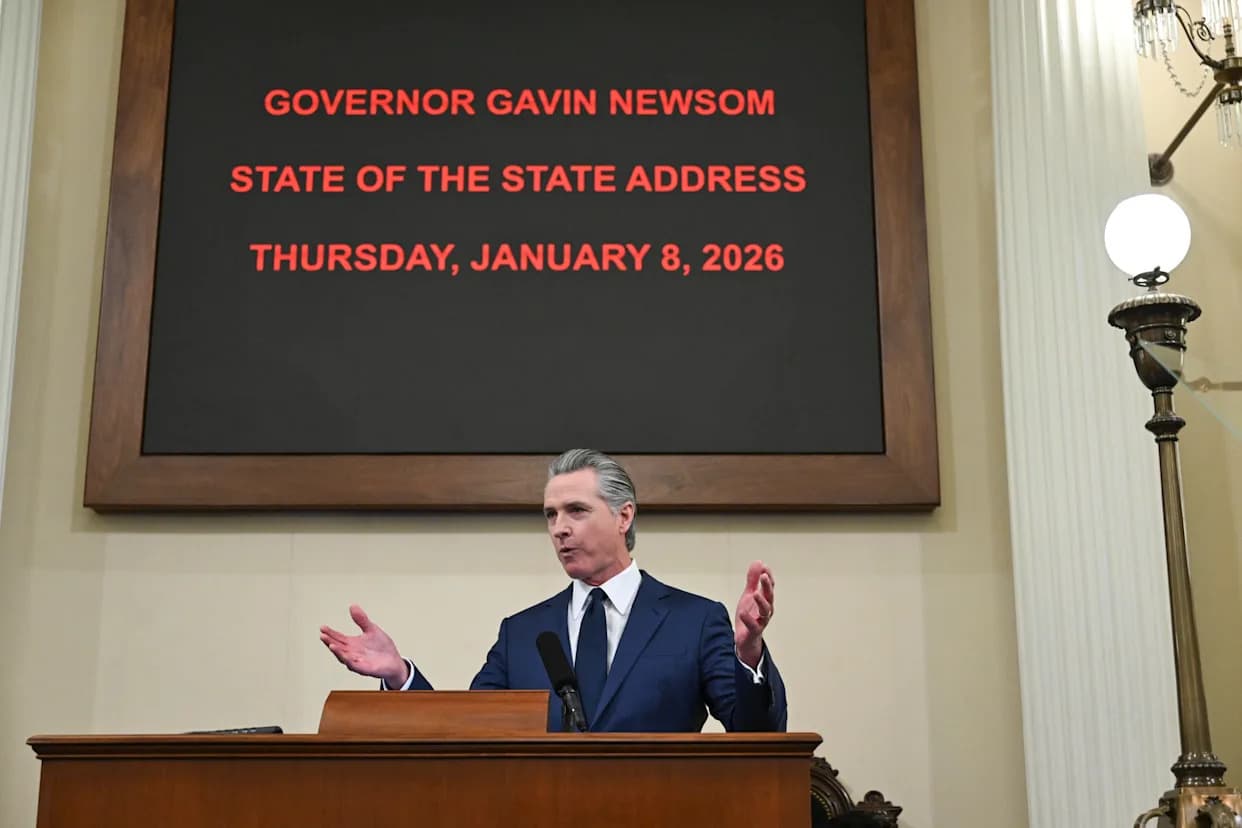
Gov. Gavin Newsom vetoed a prior bill, citing budget concerns and an estimated ongoing cost of roughly $268 million per year. In his veto message he said the intent was laudable but the state budget had not accounted for that recurring expense.
"While the author’s intent is laudable … it is important to remain disciplined when it comes to spending, particularly spending that is ongoing," Newsom wrote.
Support came from teachers' groups and many school districts. Opponents include the Homeschool Association of California, which frames the issue as one of parental rights and choice, and budget-focused groups such as the Howard Jarvis Taxpayers Association, which is wary of new ongoing costs.
Broader Early-Childhood Concerns
Some experts urge the Legislature to focus on pressing gaps affecting children under 6 before mandating kindergarten. UC Berkeley professor Bruce Fuller noted that the rollout of transitional kindergarten (TK) has coincided with preschool closures in some areas, leaving younger children without placements, and that Head Start programs face funding and policy challenges. He suggested outreach and access to preschool and Head Start may be more urgent priorities in some communities.
Practical Examples
Cecelia Kiss, a bilingual kindergarten teacher in Sacramento, described a student who missed weeks of school after her mother was deported because no one could provide transportation. The school and family eventually arranged transit, but the gap illustrates how logistical challenges — not lack of interest in education — can keep children out of school.
Outlook
Rubio and other supporters are optimistic a new bill could pass given recent legislative turnover: 27 new senators and Assembly members were seated since the last full vote. Advocates argue that although implementation would cost money, broader gains in school success and graduation rates could yield long-term savings for the state.
Background: California has expanded early-learning programs in recent years, including statewide transitional kindergarten for 4-year-olds, expanded state preschool and more subsidized child-care slots. Supporters say mandatory kindergarten would be the next step in strengthening the early-education pipeline.
This article was originally published by CalMatters and republished under a Creative Commons Attribution-NonCommercial-NoDerivatives license.
Help us improve.