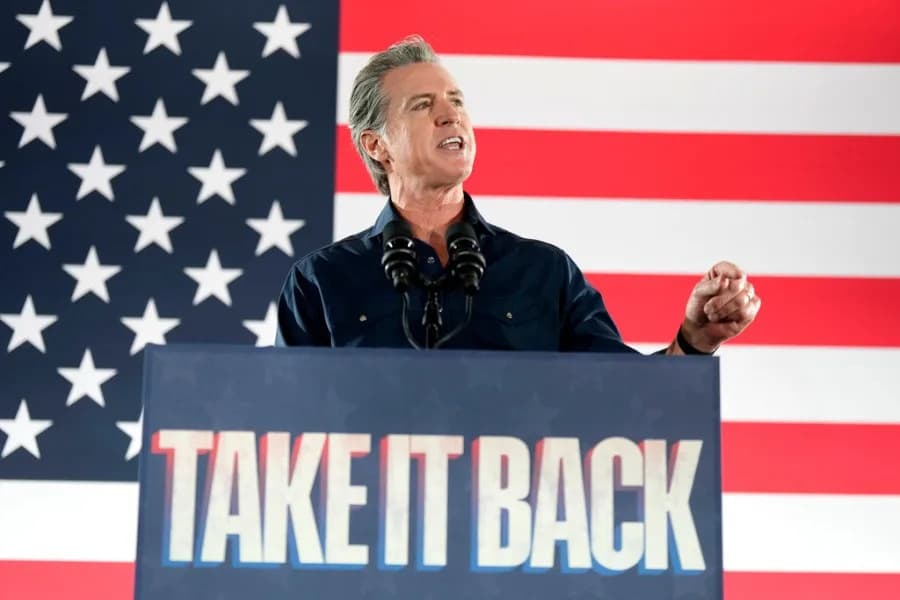
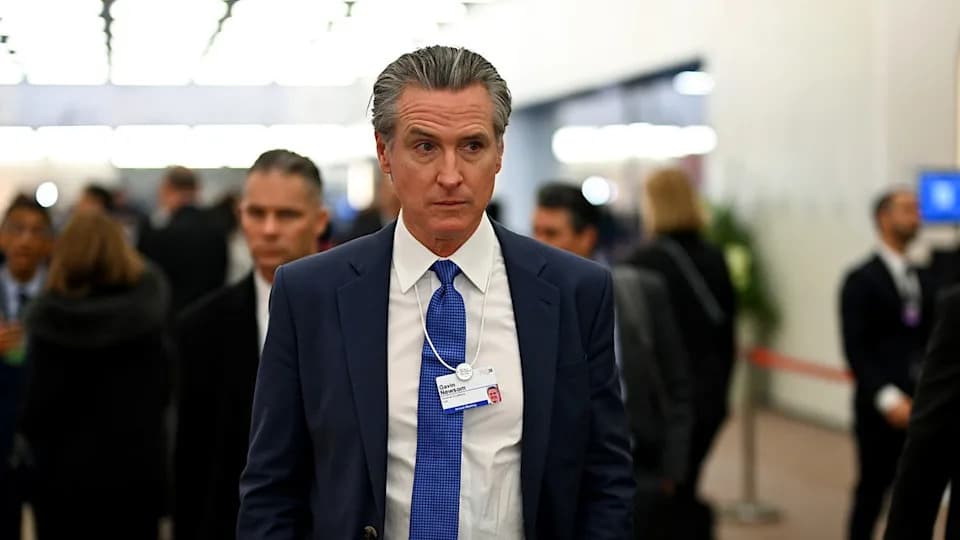
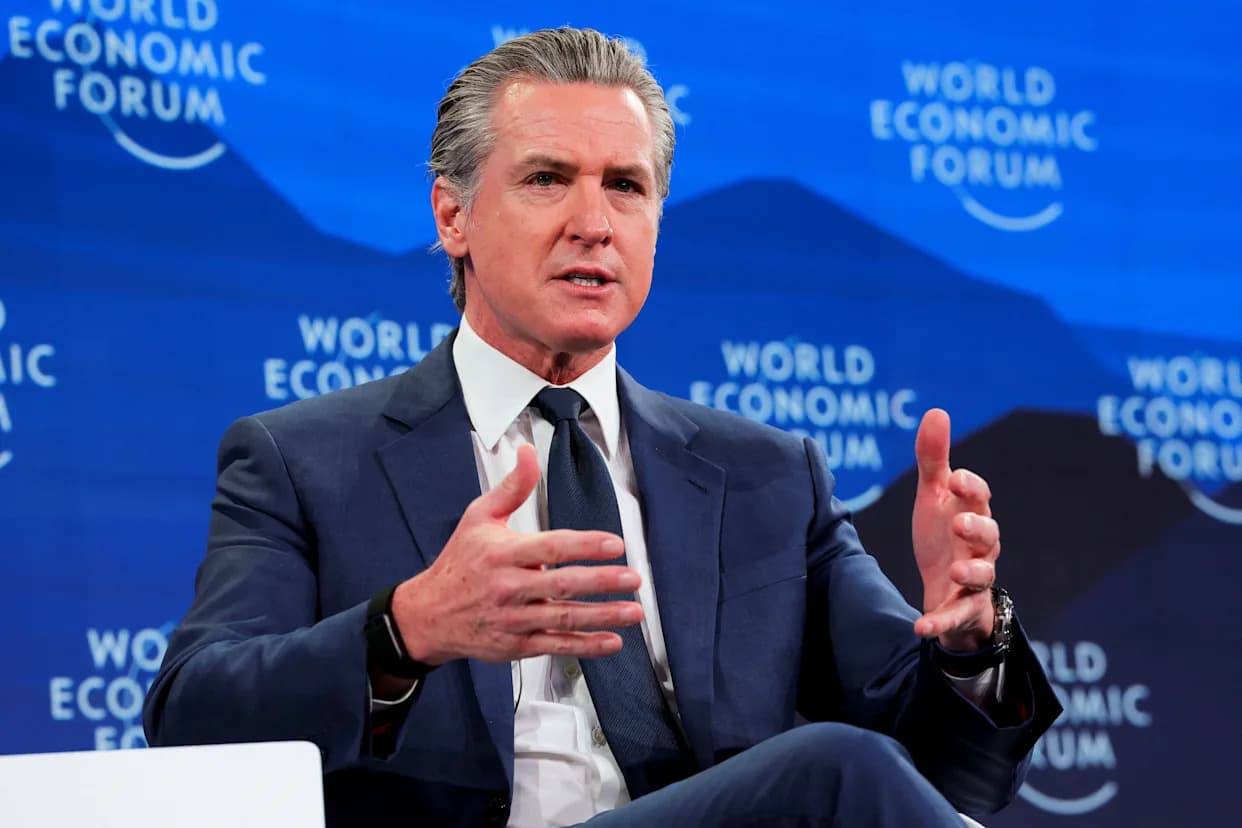
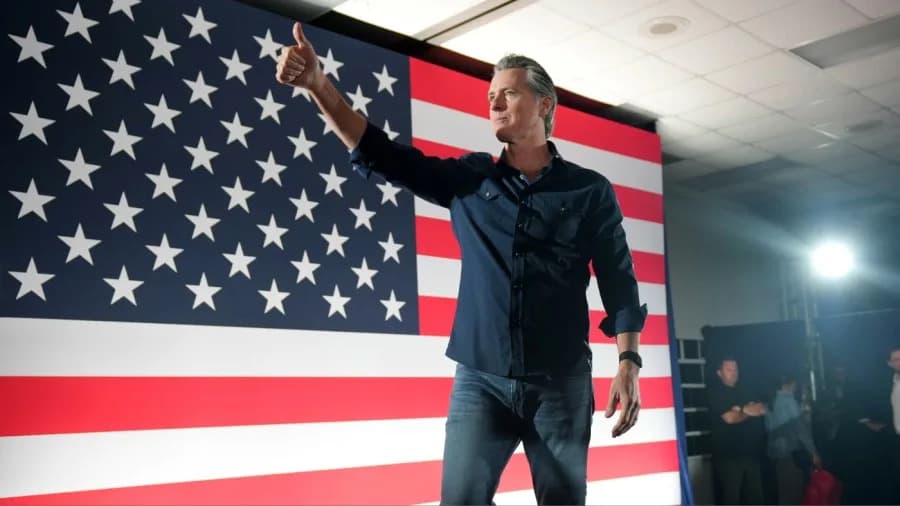
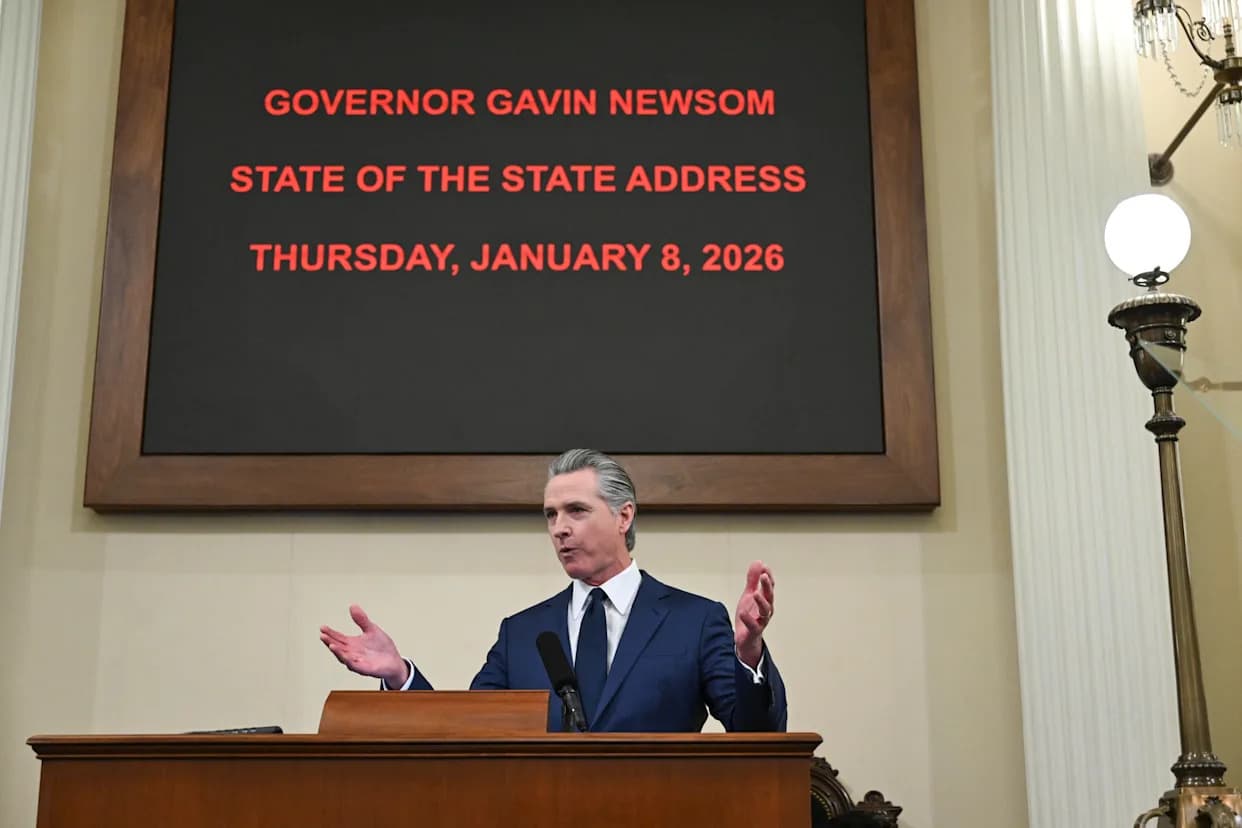
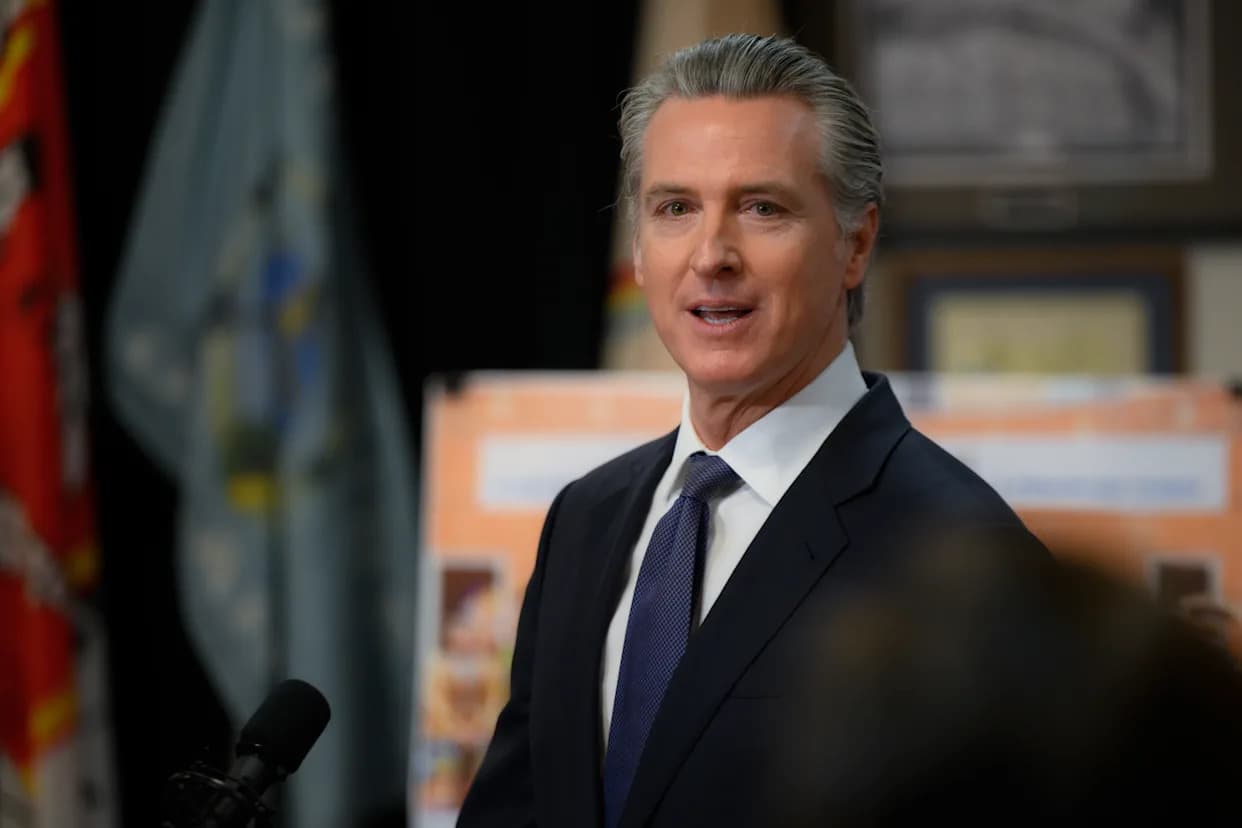
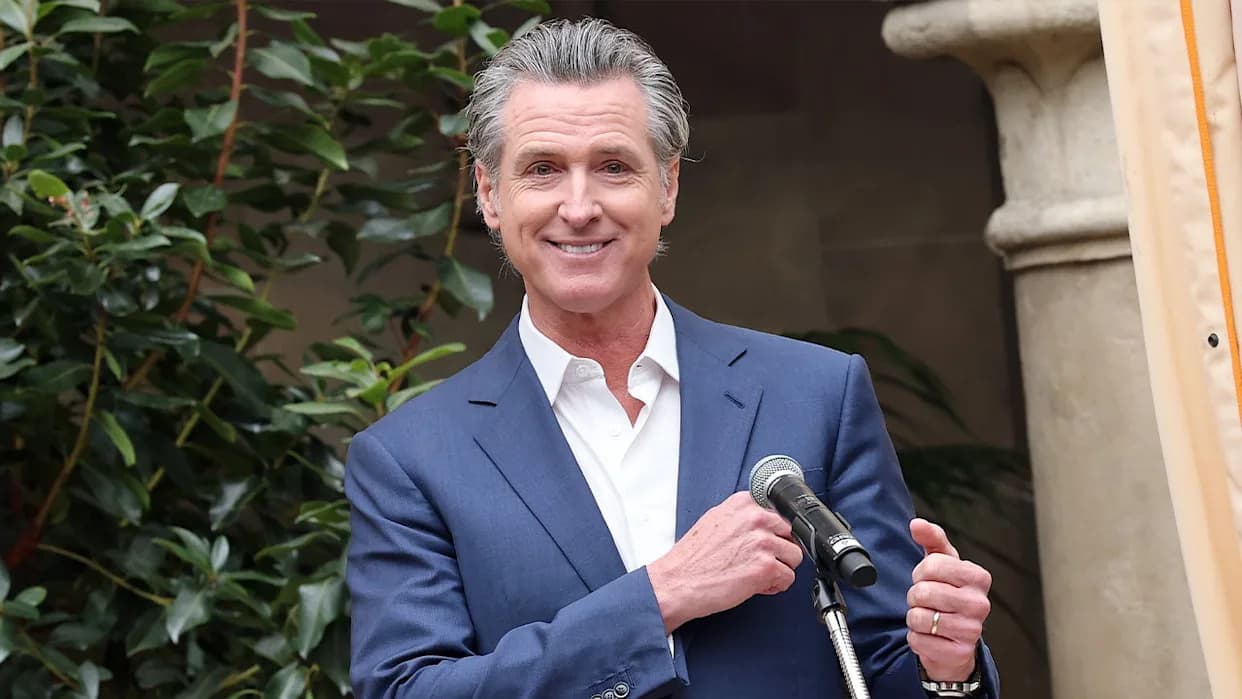
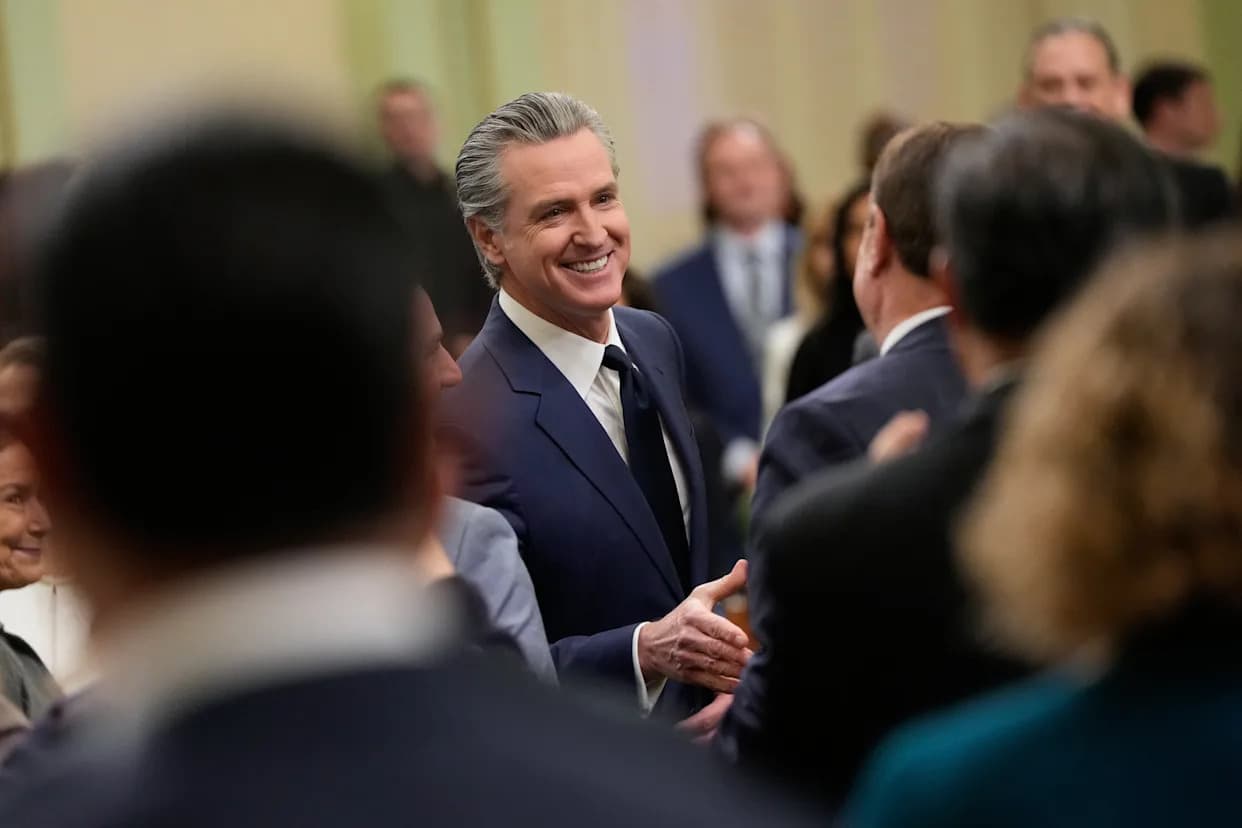
California Gov. Gavin Newsom closed out 2025 with an unusually busy legislative slate: he signed 794 bills and vetoed 123. The measures — spanning housing, affordability, health care, energy and immigration — offer a roadmap of the practical, sometimes contradictory approach Newsom has used to appeal to multiple wings of the Democratic Party as he builds national visibility ahead of 2028.
A Broad, Bipartisan-Targeted Agenda
Newsom’s record this year mixed progressive wins with centrist, pragmatic shifts. Lawmakers and advocates credit the governor with tackling affordability and housing shortages while critics say some actions betray traditional progressive priorities. Taken together, these laws underscore an effort to balance competing political pressures in California — the nation’s largest blue state — while shaping a potential national message.
Key Policy Moves
- Housing and development: Newsom signed laws that make it easier to build taller, denser housing near transit, loosen some environmental review requirements for specific projects, allow homeowners to rent parts of their homes, and penalize slow-growth cities that block housing supply.
- Affordability measures: The state approved roughly $60 billion in electricity bill refunds, expanded affordable child-care programs (including free summer options), extended paid family leave to more workers, and advanced free universal preschool for 4-year-olds.
- Prescription costs: Newsom expanded CalRx — the state drug-purchasing program — to include insulin and naloxone, aiming to lower prices and improve access.
- Immigration protections and rollbacks: While signing laws that protect immigrants from some federal enforcement actions, Newsom also scaled back certain health benefits for undocumented residents, a budget-driven reversal he framed as a fiscal necessity.
- Energy and power grid decisions: To address high gas prices and potential supply issues, Newsom streamlined drilling permit processes to boost in-state oil production and paused planned retirements of a nuclear plant and several gas-fired plants — moves that drew criticism from environmentalists.
Vetoes, Fiscal Caution and Political Calculations
Newsom vetoed 123 bills in 2025. Analyses of his veto messages found recurring reasons: fiscal restraint, redundancy with existing law and references to a challenging political and economic environment shaped by former President Trump. He also rejected a proposed state "billionaire tax," prompting supporters to pursue a ballot measure for 2026.
“Yes, it’s threading the needle. But it’s also that he swings at every pitch,” said Ted Lempert, former California assemblyman and UC Berkeley political science lecturer. “For him, it’s about making contact. It’s about doing a little bit in a whole lot of different areas.”
Political Implications Ahead of 2028
Supporters portray Newsom’s record as pragmatic governance — prioritized problem-solving over strict ideology — and argue it could be an appealing model for a broad coalition. Critics, particularly on the left, worry the compromises muddy his ideological identity heading into a likely crowded Democratic primary. Progressives praised measures like CalRx and electricity refunds but condemned rollbacks on health benefits and energy decisions that boost fossil fuel production.
Newsom has framed his approach as a "big tent" strategy. In a recent interview he said he wants a party that spans "Manchin to Mamdani," signaling an attempt to unite a wide range of Democratic voters — though that posture invites both praise for pragmatism and criticism for inconsistency.
Conclusion
Newsom’s 2025 legislative portfolio is notable both for its scale and its contradictions. The mix of progressive affordability policies and centrist retrenchments illustrates a governor seeking to solve immediate state problems while positioning himself as a pragmatic national figure. Whether that strategy will translate into durable support in a 2028 presidential primary remains an open question.