Gov. Gavin Newsom proposed shifting operational control of the California Department of Education to the governor-appointed State Board of Education while redefining the elected superintendent as an independent coordinator and advocate. The proposal echoes recommendations from a December PACE report urging clearer, more coherent state governance amid fiscal and equity challenges. Details and the path to implementation were not specified. The plan has drawn support from several education organizations and renewed debate about the state’s unique, fragmented governance structure.
Newsom Proposes Overhaul of California School Governance, Shifting More K–12 Authority to Governor
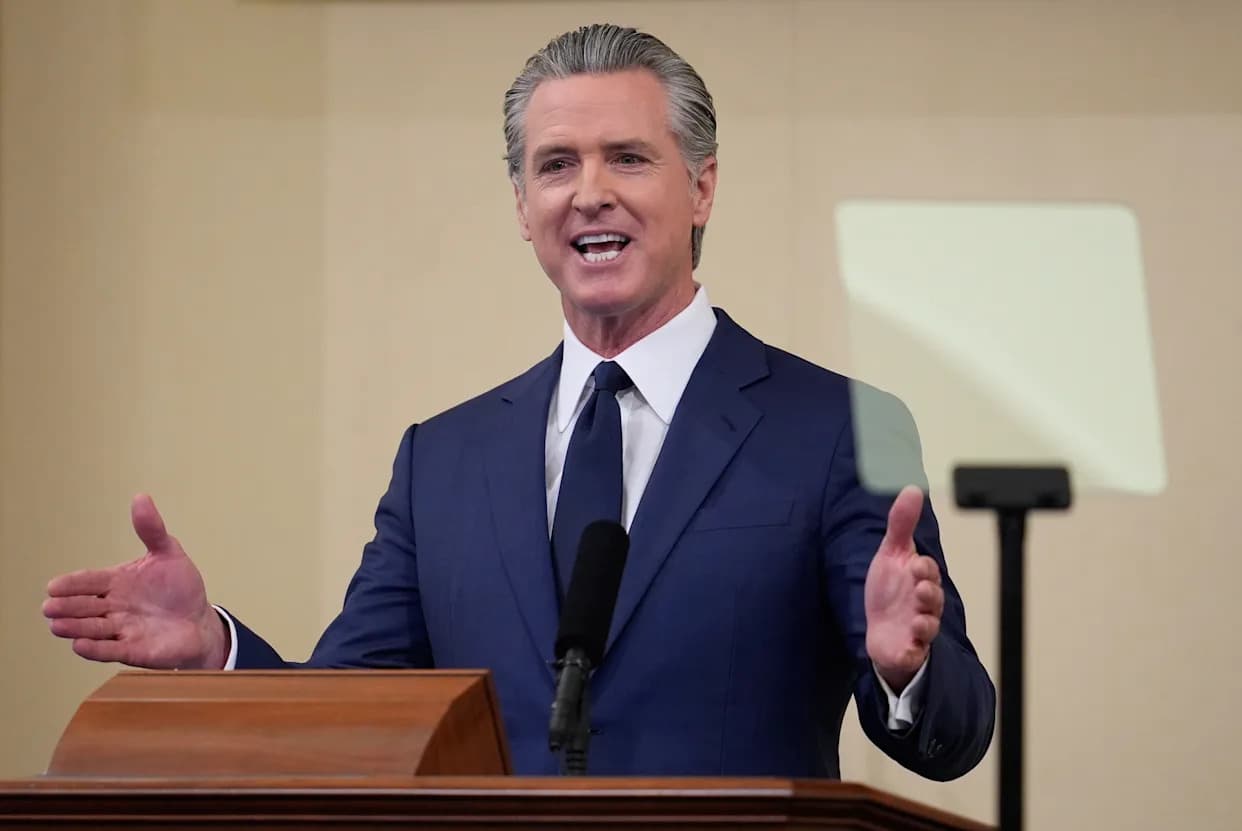
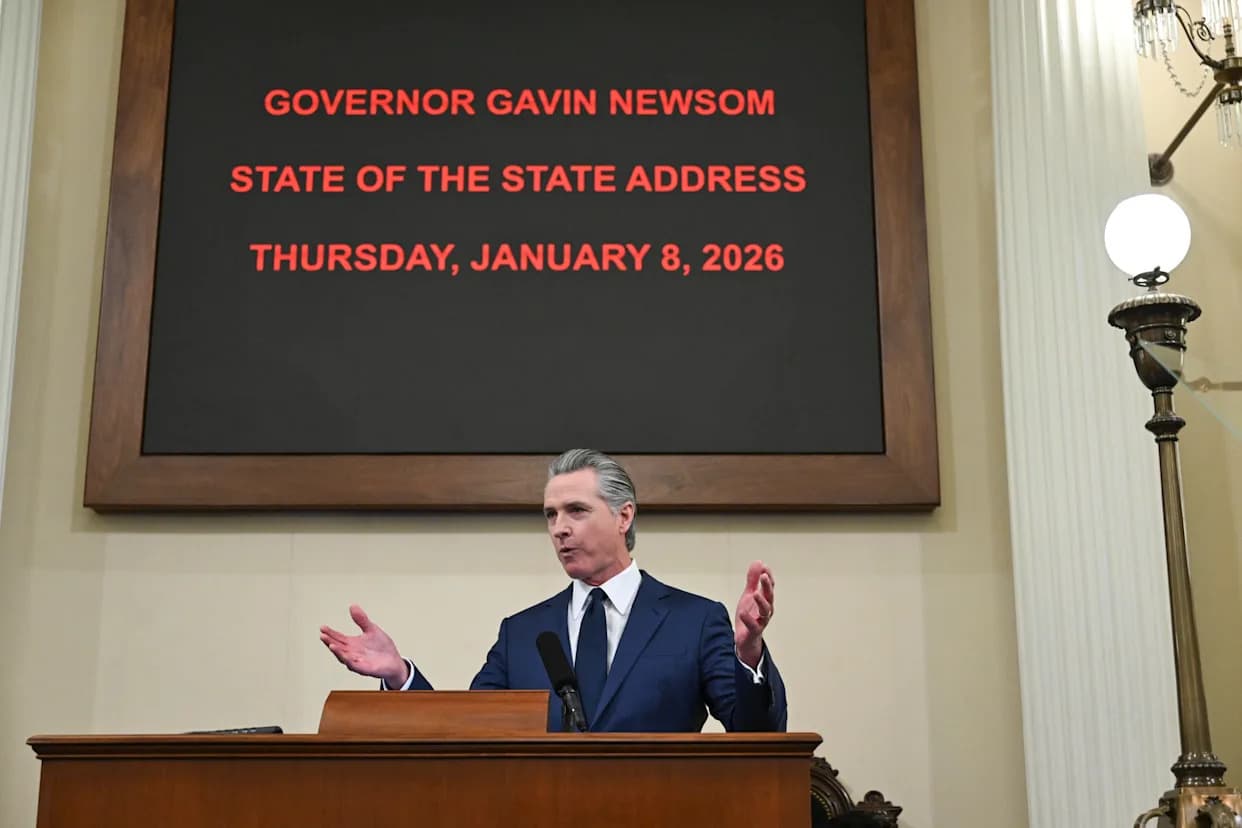
Gov. Gavin Newsom on Thursday unveiled a plan to reconfigure California’s K–12 governance by reducing the statutory powers of the elected State Superintendent of Public Instruction and transferring operational control of the California Department of Education to the governor-appointed State Board of Education.
“California can no longer postpone reforms that have been recommended regularly for a century,” Newsom said, citing long-standing analyses that call for streamlining the state’s education governance.
Under the proposal, the 11-member State Board of Education — whose members are appointed by the governor — would assume direct leadership of the Department of Education. The elected State Superintendent would be repurposed as an independent advocate and coordinator, tasked with fostering alignment of education policy from early childhood through postsecondary education. The plan did not outline detailed operational changes or a timetable for implementation.
Why Newsom Says Change Is Needed
Supporters argue the current structure is fragmented: policymaking responsibilities are spread across the governor, the state superintendent, the State Board of Education and the Legislature, and local school boards and county offices of education add another layer of authority. Policy analysts and recent reviews have described the system as inefficient or conflicting at times.
“The need for stronger, more coherent governance has never been greater. Schools are grappling with fiscal challenges alongside deepening inequities, persistent opportunity gaps, and the lasting impacts of the pandemic on student learning and well-being,” wrote authors of a December report from Policy Analysis for California Education (PACE), which recommended a governance overhaul.
PACE and other observers have also warned that federal priorities and funding for K–12 education have shifted in ways that increase states’ responsibilities, heightening the urgency for clearer governance and accountability at the state level.
How It Would Work—and What’s Unclear
The governor’s proposal mirrors a PACE recommendation that would have the State Board appoint an administrator to run the Department of Education while the superintendent serves as an independent advocate focused on accountability. Implementing such a change would likely require statutory and possibly constitutional changes, but Newsom’s announcement did not specify next steps or whether the proposal would be pursued through legislation or a ballot measure.
Locally, school boards and county offices of education would retain their roles, including budget oversight and district support. California remains one of only nine states that elects its top education official; most states either have a governor-appointed chief or a board-appointed chief.
Politics, Precedent and Opposition
Efforts to change the superintendent’s role have surfaced repeatedly. In 2023, Assembly Constitutional Amendment 9 (ACA 9) proposed making the post appointive by the governor but was withdrawn after opposition from organizations including the California Teachers Association and the California School Boards Association.
Newsom cited prior reports dating back to 1920 and 2002 as part of his rationale for reform. The proposal has drawn endorsements from several education organizations, including the Association of California School Administrators, the California Association of School Business Officials, Californians Together and EdTrust-West.
Supporters’ View: “For far too long, California’s fractured education governance system has contributed to persistent inequities disproportionately impacting low-income students, students of color and multilingual learners,” said Christopher Nellum, executive director of EdTrust-West. “EdTrust-West commends Governor Newsom for championing these essential reforms.”
Current Superintendent
State Superintendent Tony Thurmond, who is completing his second term and is term-limited in 2026, has expanded initiatives such as statewide literacy efforts, community schools and student wellness programs. He has also faced criticism over reported moonlighting and allegations about workplace culture. Thurmond has announced a run for governor.
This story was originally published by CalMatters and was republished under the Creative Commons Attribution-NonCommercial-NoDerivatives license.
Help us improve.