California faces a $2.9 billion shortfall this year, according to Gov. Gavin Newsom's office — smaller than some outside estimates but still likely to force cuts and limit new spending in his final year. The governor presented a $349 billion budget that boosts education funding and seeks to rebuild depleted reserves, but it does not fully replace a $1.4 billion federal funding loss. Lawmakers must also grapple with a projected structural gap that could reach roughly $22 billion next year.
Newsom Faces $2.9B Shortfall in Final Year as California Governor — Big Cuts, Tough Choices Ahead
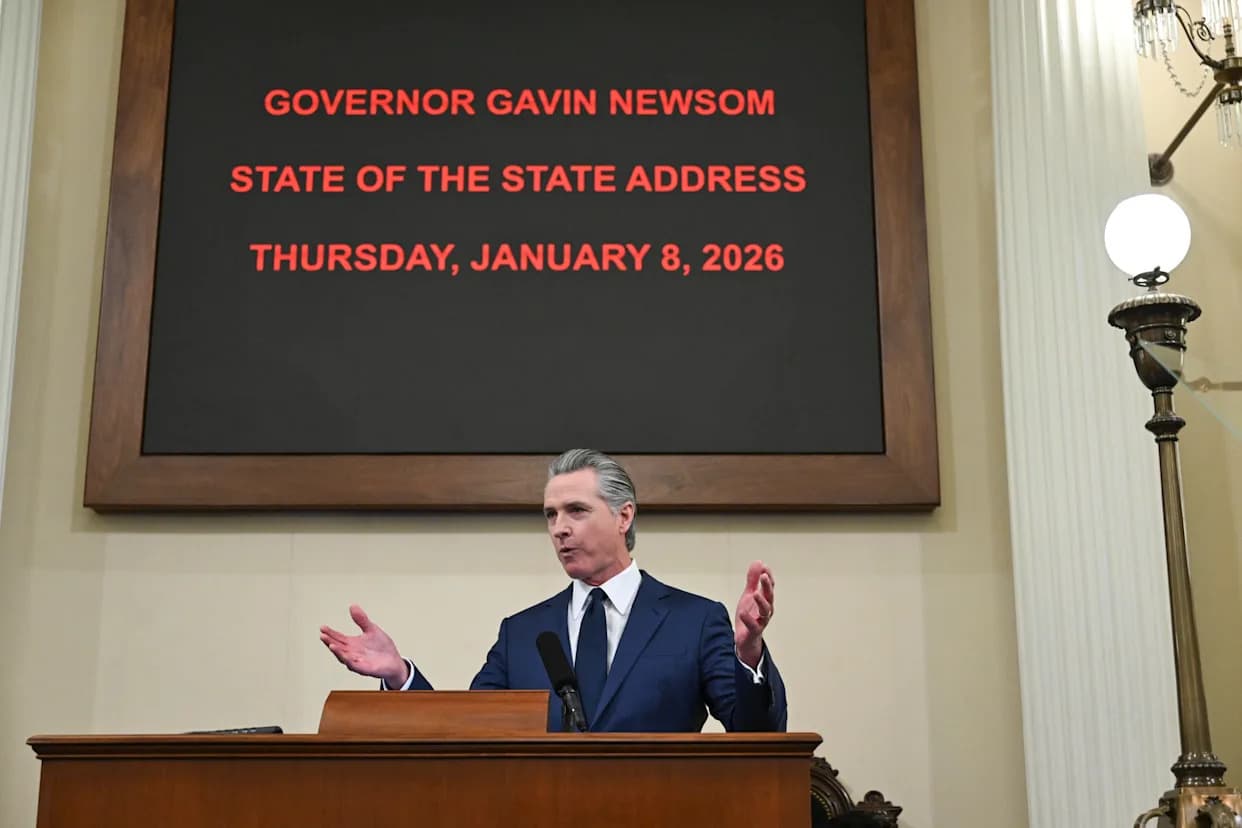
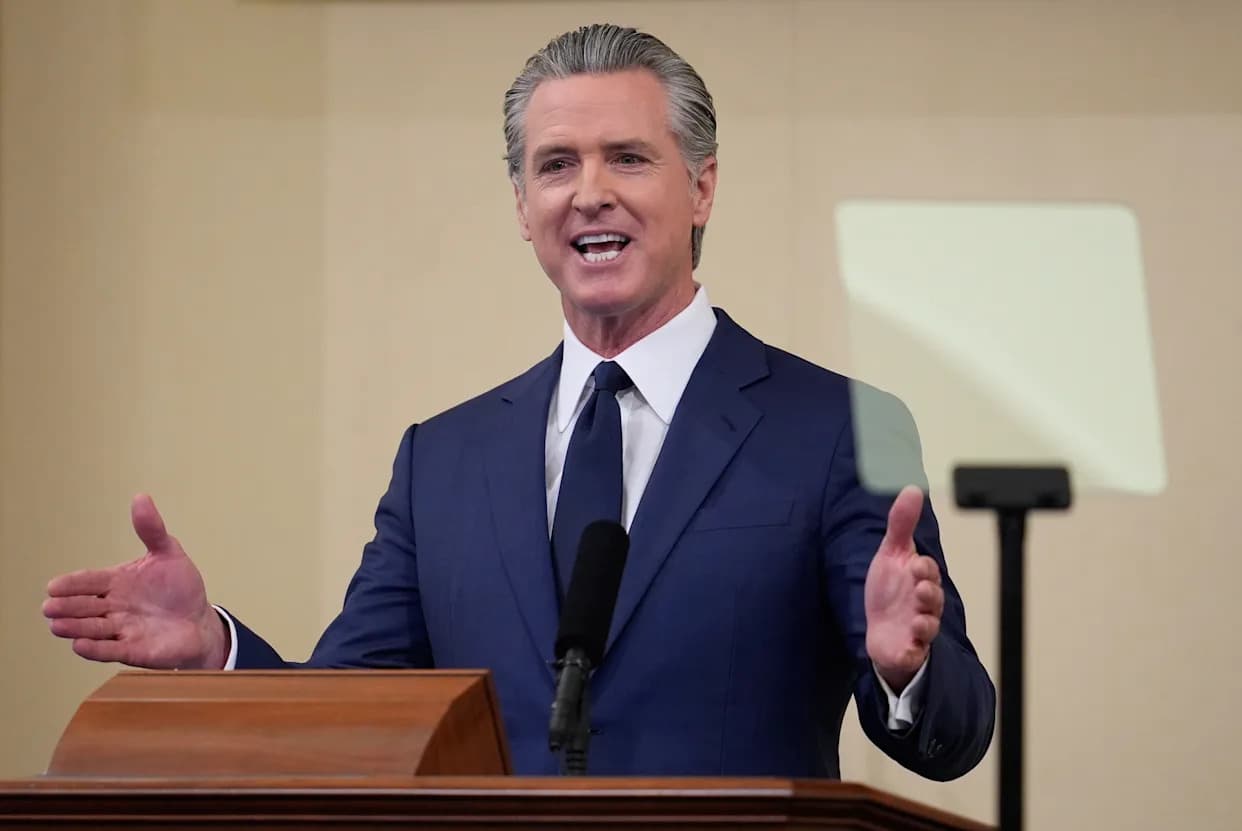
Gov. Gavin Newsom gives his State of the State address at the State Capitol on Thursday, Jan. 8, 2026, in Sacramento, Calif. (Hector Amezcua/The Sacramento Bee via AP, Pool)
SACRAMENTO, Calif. — California Gov. Gavin Newsom's office reported a $2.9 billion budget shortfall for the current fiscal year, a figure substantially smaller than the gap projected by nonpartisan legislative budget analysts. While modest by California standards, the deficit could still require spending cuts and leaves little room for new initiatives during Newsom's final year in office.
Budget Snapshot
The governor unveiled a $349 billion budget proposal that remains provisional as lawmakers and the administration negotiate priorities and possible reductions in the coming months. The shortfall arrives despite stronger-than-expected revenues driven in part by stock market gains and increased investment tied to artificial intelligence.
"This budget really is about an eye towards ensuring that we have a sustainable fiscal plan going forward," Finance Director Joe Stephenshaw said at a Friday briefing.
Federal Funding Loss and Structural Risks
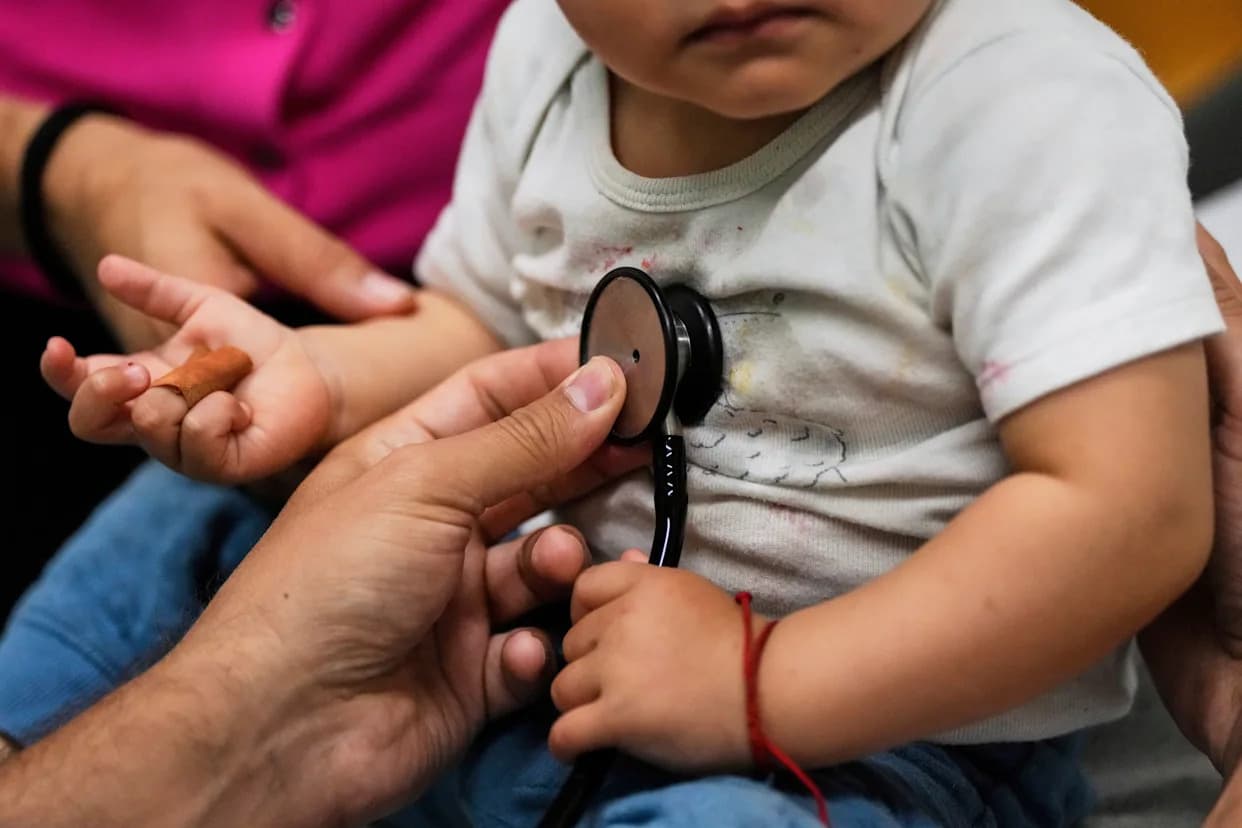
Newsom's plan does not fully replace an estimated $1.4 billion in federal funding lost this year because of recent federal policy changes affecting health care and food assistance for low-income Californians. Lawmakers have repeatedly said the state cannot fully backfill that shortfall.
Beyond this year, a looming structural deficit could swell to roughly $22 billion next year. The nonpartisan Legislative Analyst's Office projected an $18 billion shortfall for next year in November; estimates from the governor's office and the LAO differ at times.
Fiscal Discipline and Warnings
State Controller Malia Cohen warned lawmakers that the state is already spending nearly $6 billion more than expected six months into the fiscal year and urged a disciplined approach. Republican lawmakers criticized the administration's fiscal management, saying state government should adopt household-style budgeting discipline even though Democrats hold supermajorities in both legislative chambers.
Education
Newsom said the budget will include "the most significant investments" in public education. Key proposals include fully funding transitional kindergarten for all eligible children, raising per-student spending to more than $27,000 next year, and providing $1 billion targeted to high-need schools. By law, roughly 40% of the state budget is allocated to K–12 education under a complex set of formulas.
The governor also proposed shifting the Department of Education into the executive branch; the state superintendent of public instruction is an elected position, and it is unclear whether Newsom will seek voter approval for that change.
Housing and Homelessness
Newsom signaled support for legislation to curb large investors who buy up affordable homes, but he did not propose new state funding specifically for local homelessness programs. Last year the governor and lawmakers set aside $500 million for local efforts; continued funding is not guaranteed.
County officials warned that withholding new resources could undermine progress. California State Association of Counties CEO Graham Knaus pointed to a 9% drop in unsheltered homelessness that the administration highlighted and cautioned against cutting successful local programs.
Reserves and Debt
After withdrawing roughly $12 billion from reserves over the past two years to address budget gaps, Newsom proposes rebuilding savings: about $3 billion to the rainy day fund, $4.5 billion to a special economic emergencies fund, and $4.1 billion to school reserve accounts. He also proposes using roughly $3 billion to pay down state debt.
Other Major Proposals
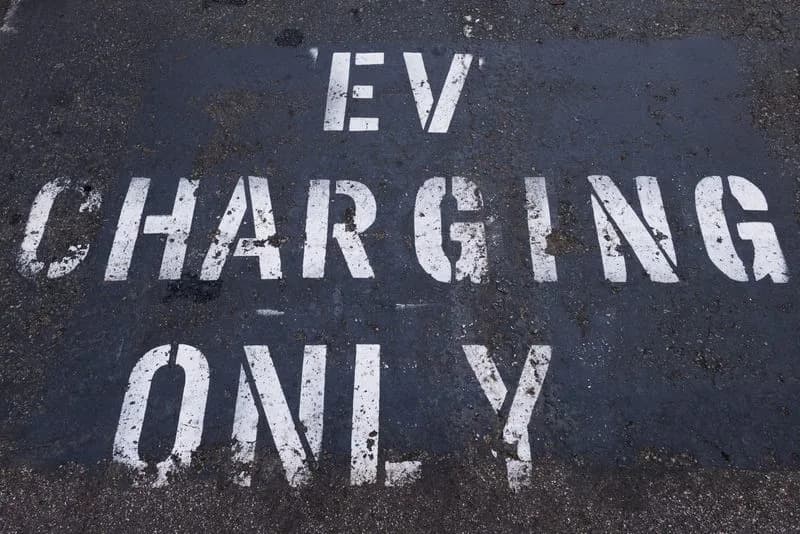
- $200 million EV Rebate: A proposed $200 million rebate program to make electric vehicles more affordable, funded by cap-and-trade revenues and an air pollution regulation fund to help offset reduced federal incentives.
- Legal and Enforcement Funding: Increased resources for the state Department of Justice to continue legal challenges against federal policies; California has sued the previous federal administration more than 50 times since last year.
Political Context
Newsom is term-limited and will leave office in January. As he considers a possible presidential run, he faces the political challenge of protecting progressive priorities while lawmakers confront a multibillion-dollar structural shortfall.
Associated Press writer Sophie Austin contributed to this report.
Help us improve.