California expanded Medi‑Cal in 2024 to include immigrants of all ages regardless of status, but the move produced a nearly $3 billion budget shortfall. The state has imposed a Jan. 1 enrollment freeze and approved $30 monthly premiums beginning in 2027, measures projected to cut enrollment by about 1.5 million by 2030. At the same time, the federal government is seeking access to state health data for immigration enforcement, leaving undocumented Californians to weigh deportation risk against losing access to care. Community health workers now focus on explaining deadlines and risks rather than actively pushing enrollment.
Medicaid, ICE and a Ticking Clock: Undocumented Californians Face Tough Choice
SACRAMENTO, California — As 2024 closed, outreach teams across California were aggressively enrolling undocumented immigrants in Medi‑Cal, the state’s public health insurance program, promising free care without questions. A year later the landscape has shifted: the state has paused new enrollments and adopted cost-saving measures while the federal government presses for access to state health data for immigration enforcement.
What Changed
California expanded Medi‑Cal eligibility gradually after 2016 and in 2024 opened the program to immigrants of all ages who meet income requirements, regardless of immigration status. That expansion cost the state nearly $3 billion more than projected, prompting Democratic leaders and Gov. Gavin Newsom to scale the program back.
The state imposed an enrollment freeze on new Medi‑Cal applications effective Jan. 1 and approved $30 monthly premiums for undocumented people already enrolled, starting in 2027. Officials estimate the freeze and premiums could reduce costs by roughly $78 million in the first year and up to $3.3 billion by 2029, but projections also show Medi‑Cal enrollment could fall by about 1.5 million people by 2030.
Federal Data Fight Raises Stakes
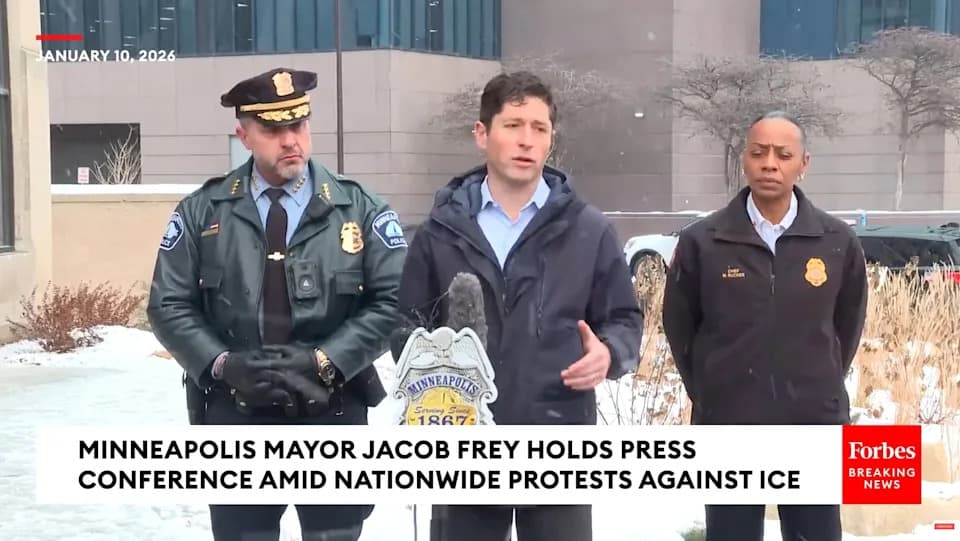
Complicating the policy shift, the Trump administration has sought access to state-collected health program data to help identify individuals for immigration enforcement. Reporting in June indicated some data had been shared; states sued and a judge temporarily barred the government from continuing that practice. Federal officials signaled in November they intend to resume seeking the records, and a federal judge has suggested he may allow the practice to proceed — though the legal fight is unresolved.
"We live in a new reality," said Mar Velez, director of policy at the Latino Coalition For A Healthy California. "The things we could rely on before aren't there anymore."
Community Response: Inform, Not Push
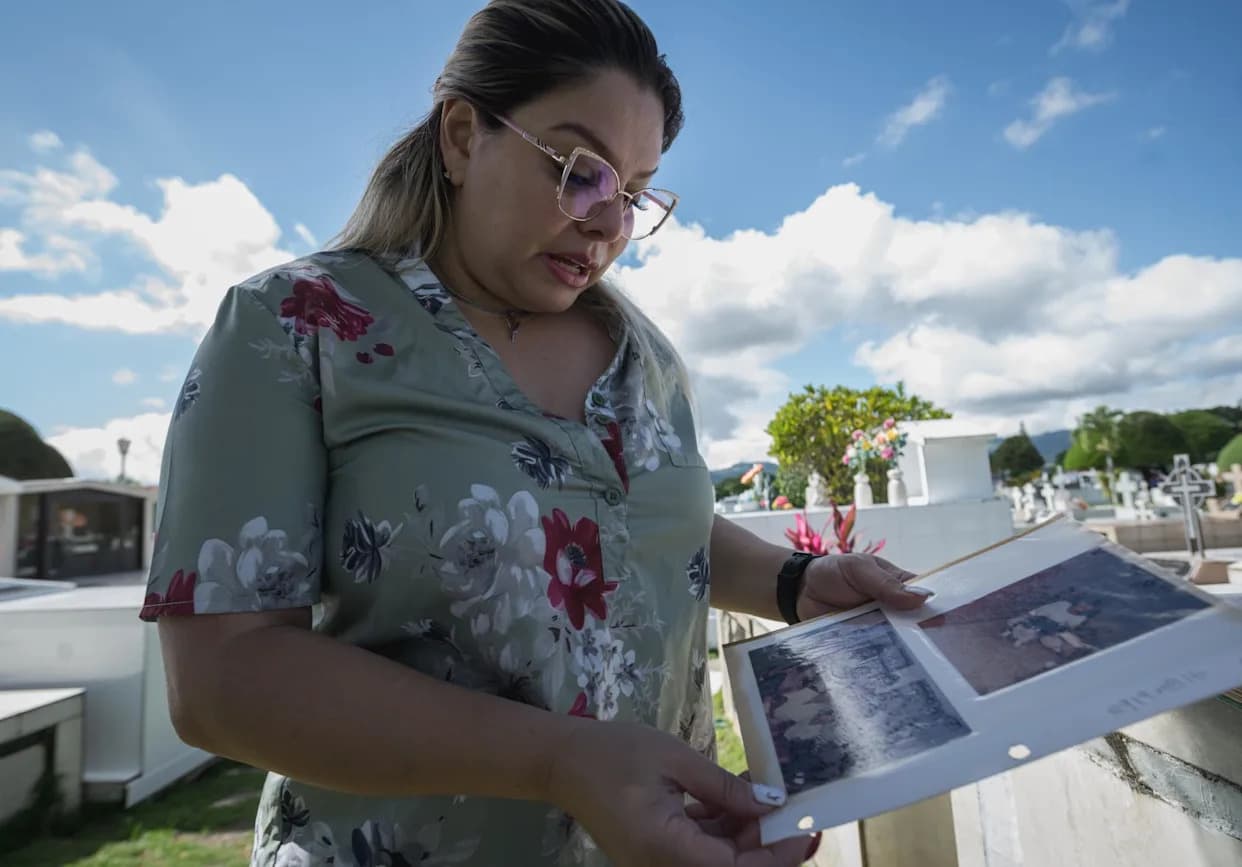
Community health workers — particularly Spanish‑speaking promotoras de salud — have shifted from enthusiastic enrollment drives to a more neutral, informational role. Promotoras now explain deadlines, document requirements and the possible risks of sharing personal data with federal authorities, leaving the final decision to each person.
"These are your rights, and these are the risks," said Lisbet Ruiz, a promotora in San Diego. "But at the end of the day, we don't tell them what to decide."
Fear of a revived "public charge" rule — which could allow immigration officials to weigh use of public benefits in residency or citizenship decisions — also deters some people from enrolling, even when advocates explain the risk is uncertain.
On the Ground: Hard Choices and Local Action
Some counties and nonprofits are doubling down on enrollment before the freeze. Santa Clara County set aside $2.5 million for outreach to undocumented residents, and community groups in San Jose and other areas are working to re‑enroll people and enroll those newly eligible.
Clinics describe real tradeoffs: some patients who let coverage lapse out of fear later returned when they could not afford medications or prenatal care. Walk‑in insurance assistance that once drew 30–40 people in a three‑hour window now sees numbers in the teens. Because clinics do not collect immigration status, it is unclear how much of the decline is driven by undocumented patients versus citizens.
Why It Matters
Undocumented Californians now face a stark choice: risk potential exposure to immigration enforcement by applying for free health care or forgo coverage and essential services at a time when policymakers are tightening eligibility. Outreach workers say their priority is to provide clear information so people can weigh the medical needs, financial constraints and enforcement risks themselves.
"It's hard to deliver that kind of information to communities," Velez said. "But if we're not doing that, we aren't doing our jobs."
Help us improve.