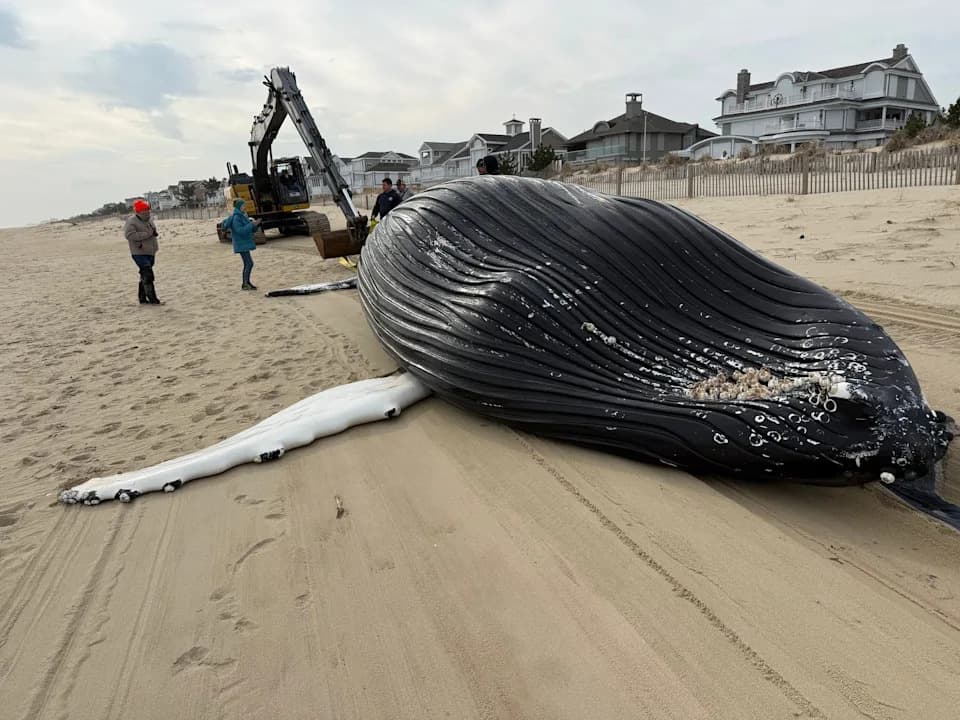
A 32‑foot humpback washed ashore in Ocean Ridge, Bethany Beach, on Jan. 8 after being seen floating offshore for several days. A necropsy found subdermal hemorrhaging and a broken jaw, injuries consistent with a ship strike. The whale — nicknamed "Oil Change" by Hyannis Whale Watchers — was buried on the beach because it could not be safely towed out to sea. Conservation groups say the death underscores the urgent need for stronger protections.
Photos: 32‑Foot Humpback Washes Ashore In Delaware After Suspected Ship Strike
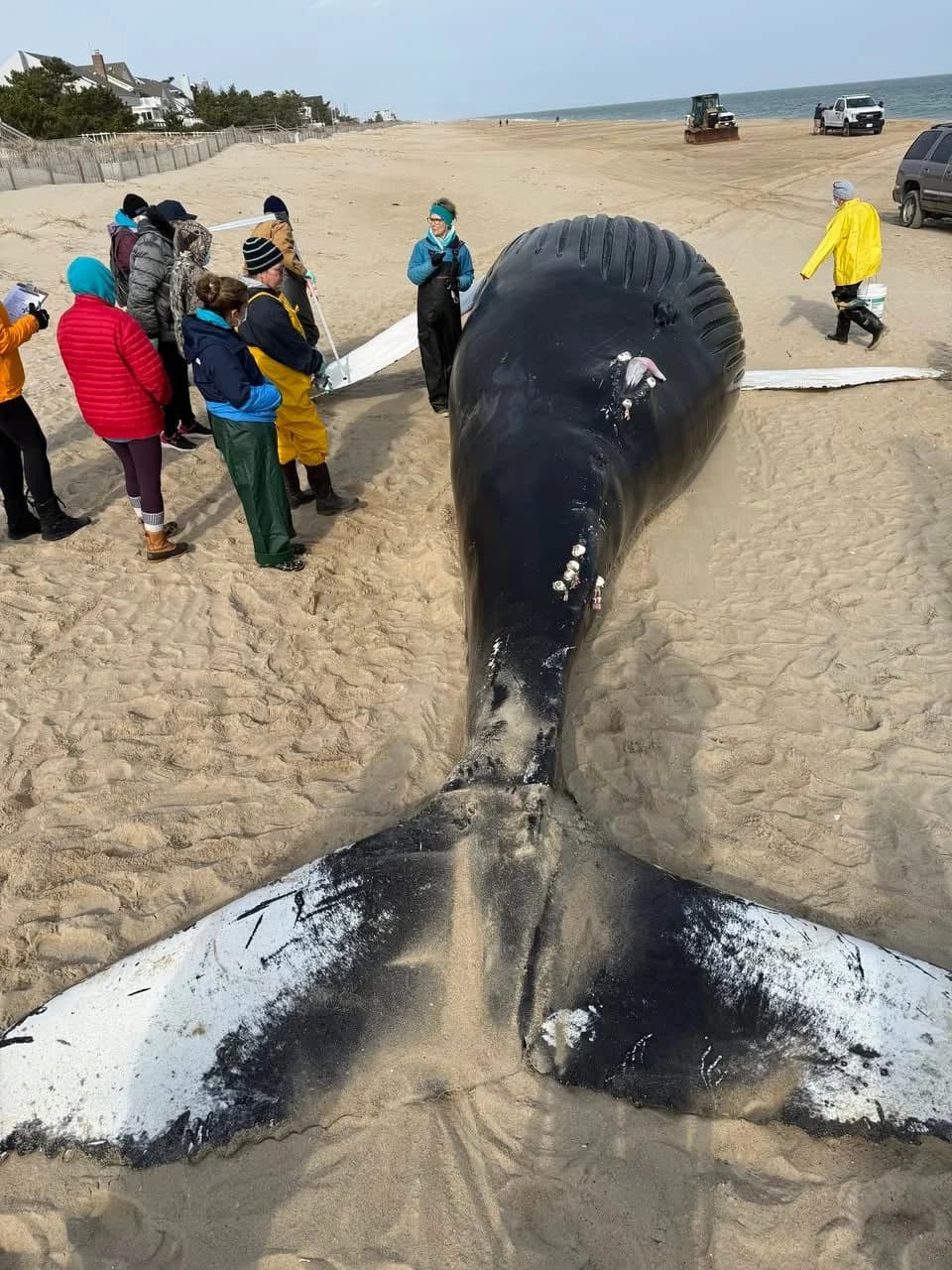
A whale washed ashore after likely getting struck by a large ship off the coast of Bethany Beach.
BETHANY BEACH, Delaware — A young humpback whale washed ashore in the Ocean Ridge community of Bethany Beach on Jan. 8 after being observed floating offshore for several days, marine officials said.
Necropsy Shows Injuries Consistent With Ship Strike
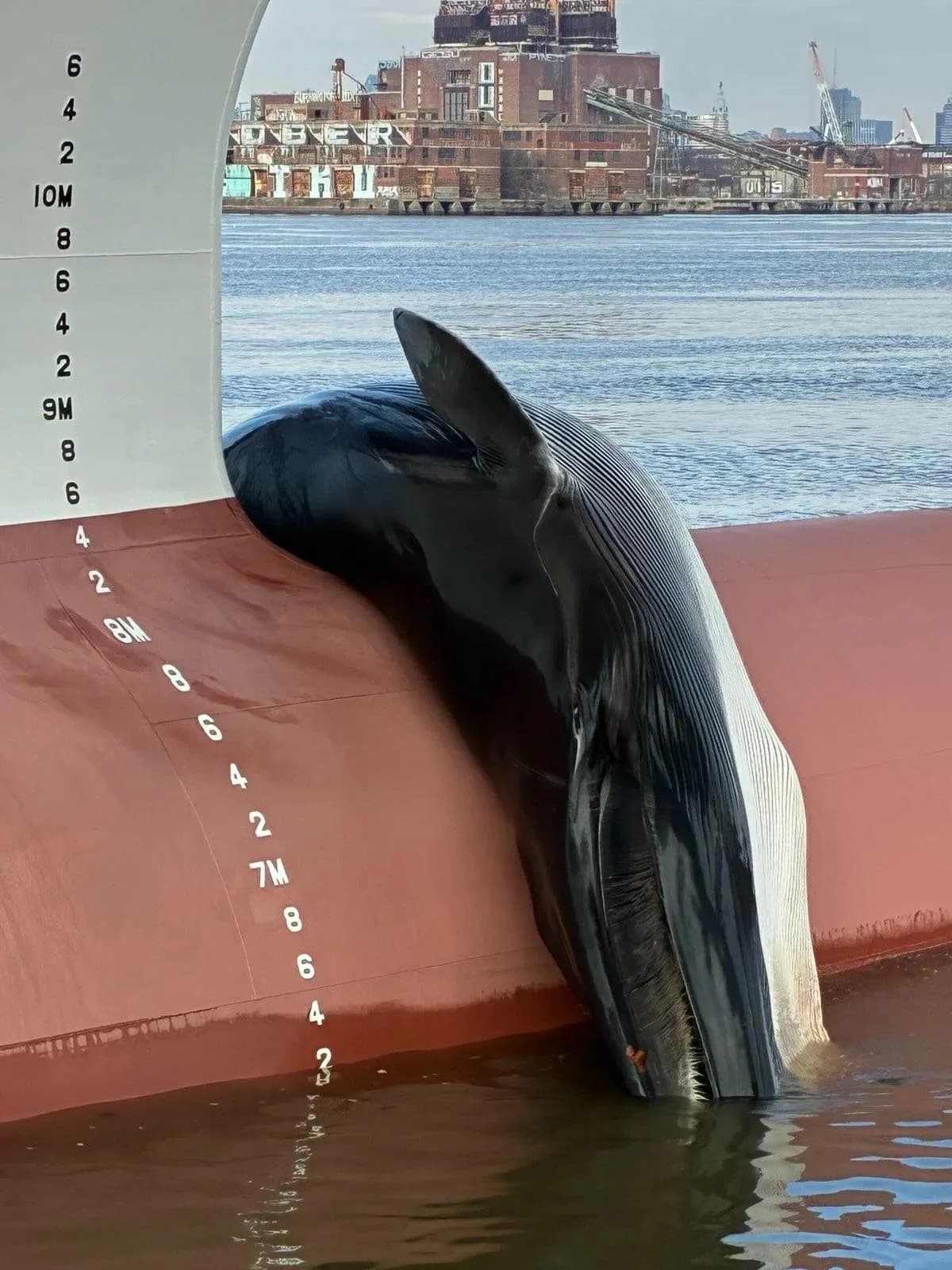
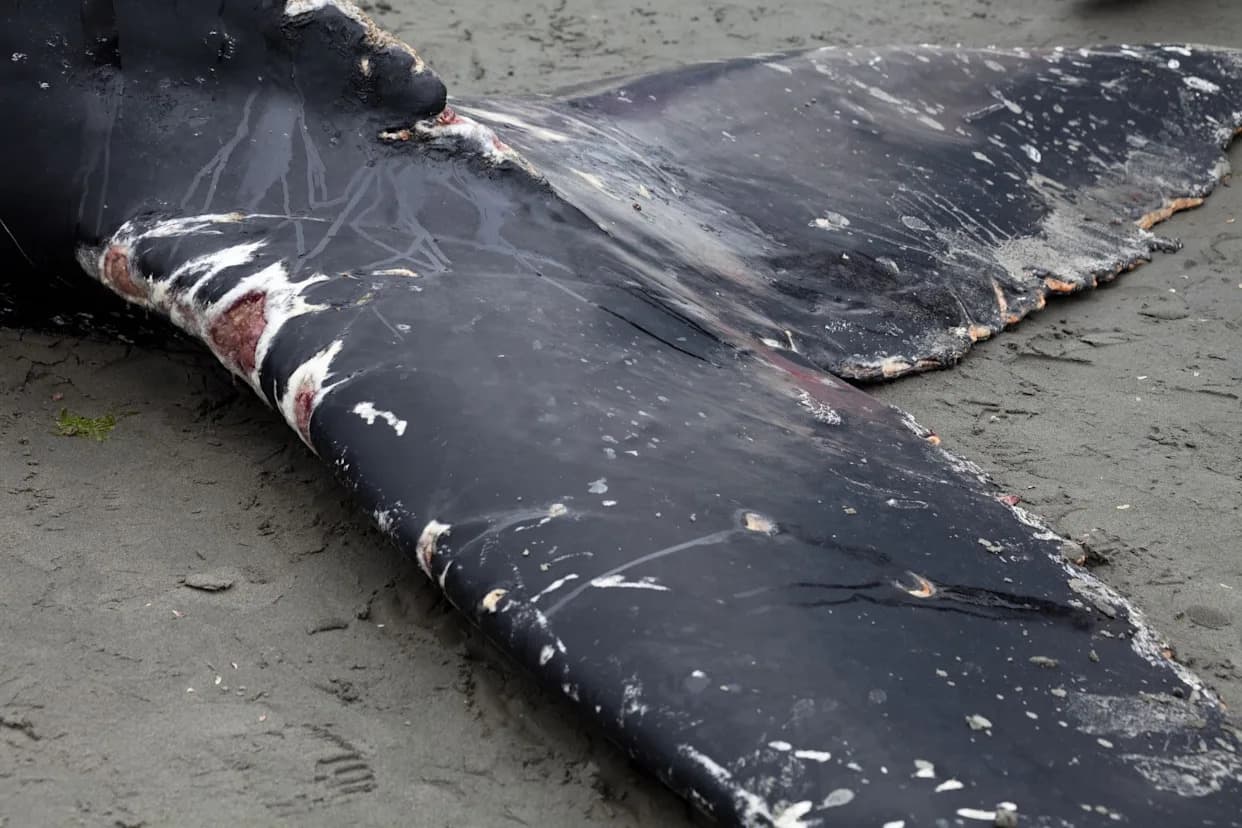
The Marine Education, Research and Rehabilitation (MERR) Institute, a nonprofit focused on conserving marine mammals and sea turtles, reported the 32‑foot animal weighed about 20,000 pounds. A necropsy conducted by marine officials found subdermal hemorrhaging and a broken jaw — injuries commonly associated with collisions with large vessels.
Because the carcass could not be safely towed back out to sea, the whale was buried on the beach. The MERR Institute explained that onshore burial is a common disposal method and that, over time, buried whales can contribute nutrients to the coastal ecosystem.
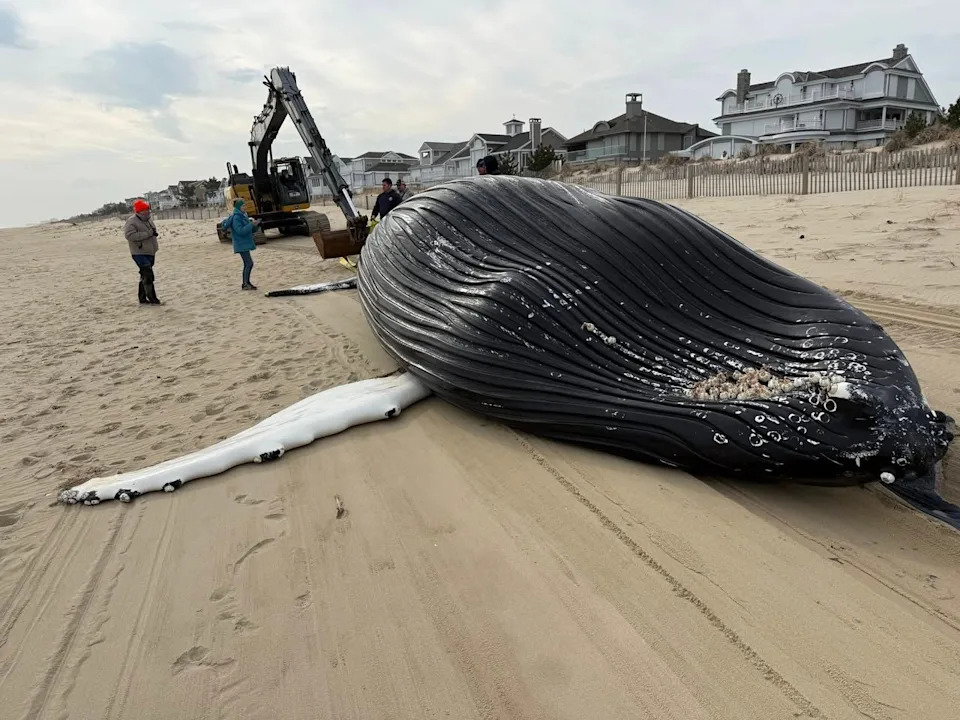
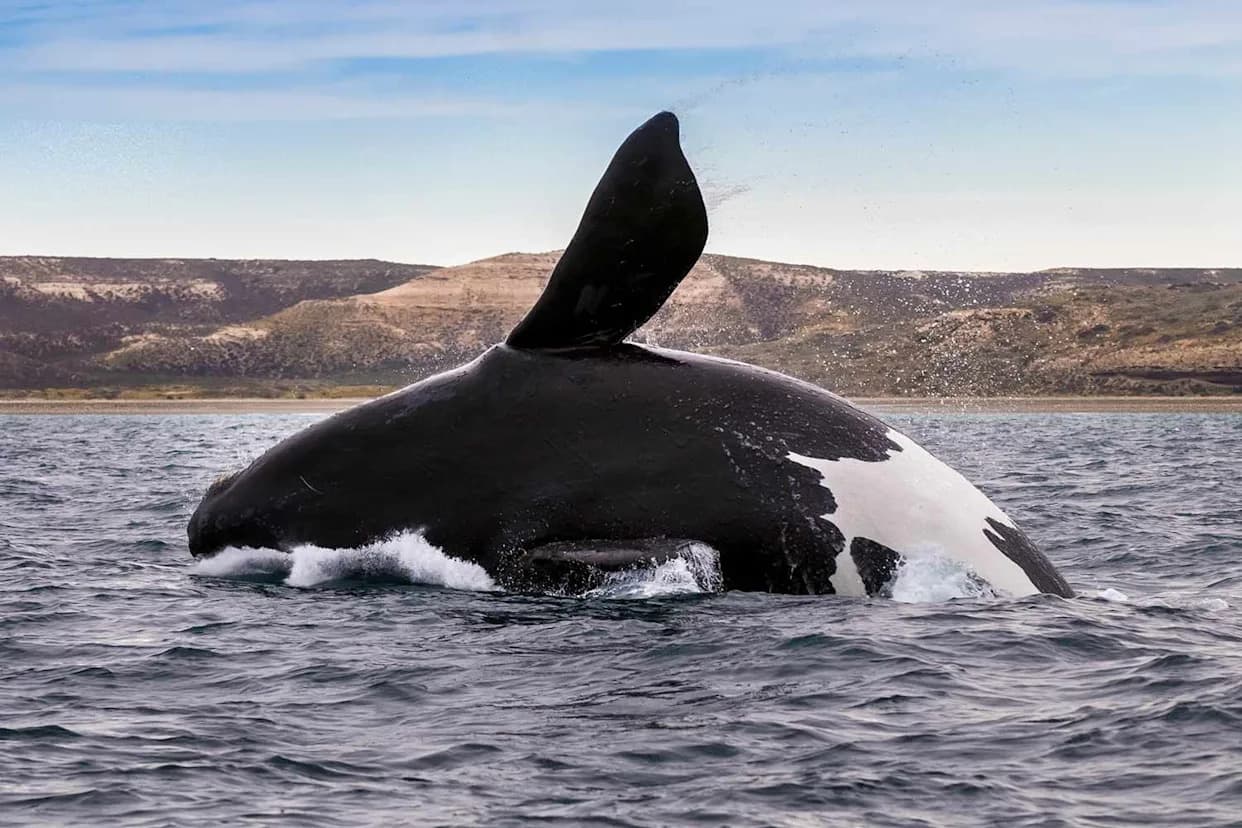
A young humpback whale washed ashore in Bethany Beach, Delaware on Jan. 8.
A Whale Recognized And Remembered
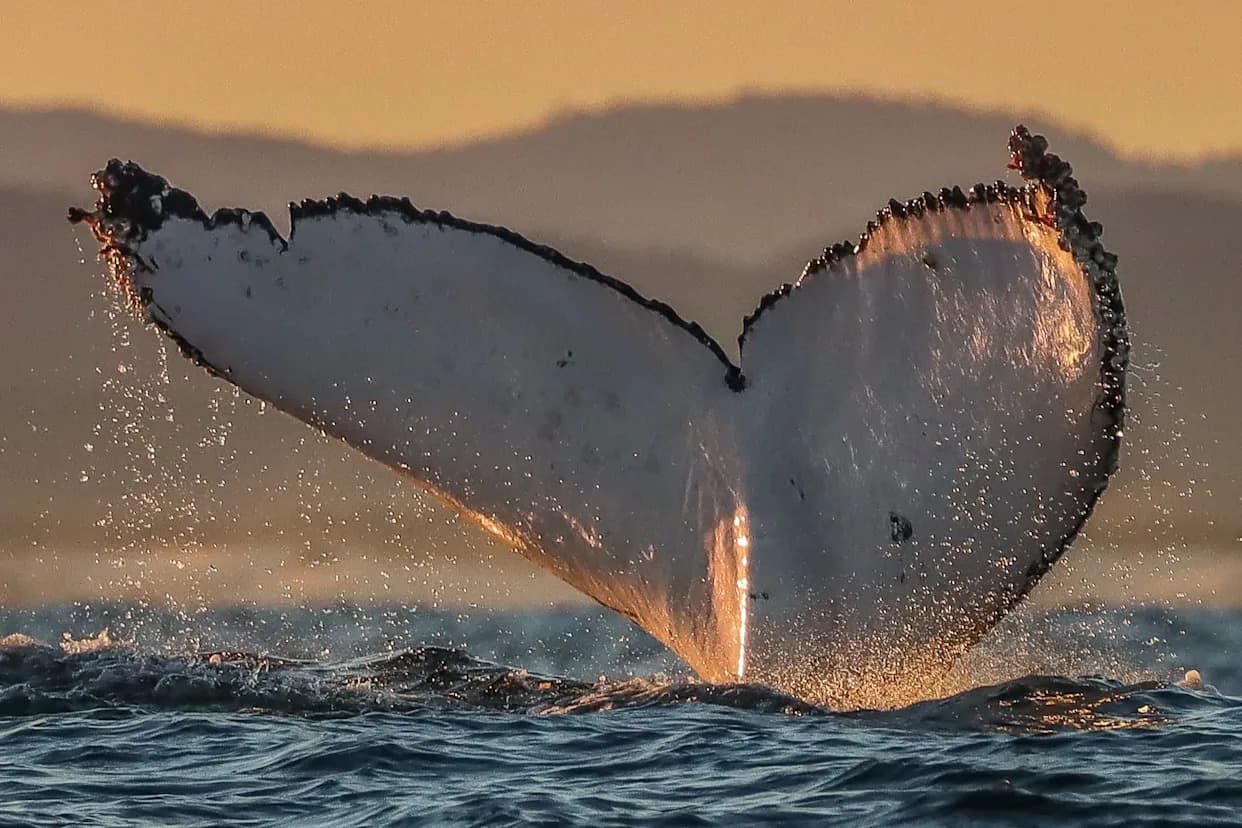
Hyannis Whale Watchers said they had nicknamed the animal "Oil Change" because of a large, solid white mark on his fluke. The group recalled seeing the whale repeatedly — including an extended encounter in late July when he flipper‑slapped, rolled near their boat and breached — and continued to observe him into September in Cape Cod Bay.
Hyannis Whale Watchers urged individuals to take actions that reduce threats to marine life: limit consumption when possible, choose sustainably sourced seafood, follow policy developments, eliminate single‑use plastics and support efforts to make fisheries more sustainable.
Oceana noted this is the second reported whale death on the U.S. East Coast this year and said each loss highlights the urgent need for stronger protections for marine mammals.
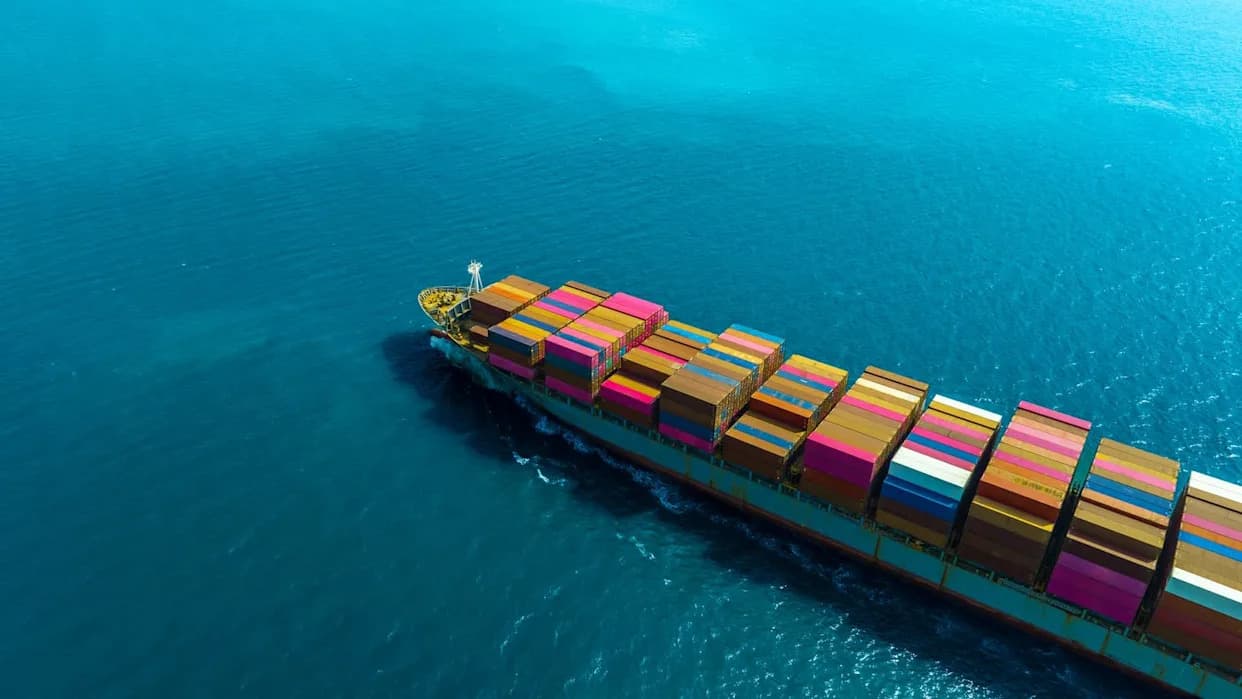
Context: Ship strikes are a leading human cause of injury and mortality for large whales. Improved vessel speed restrictions, rerouting, and stronger protections have been proposed or implemented in some regions to reduce collisions.
Help us improve.