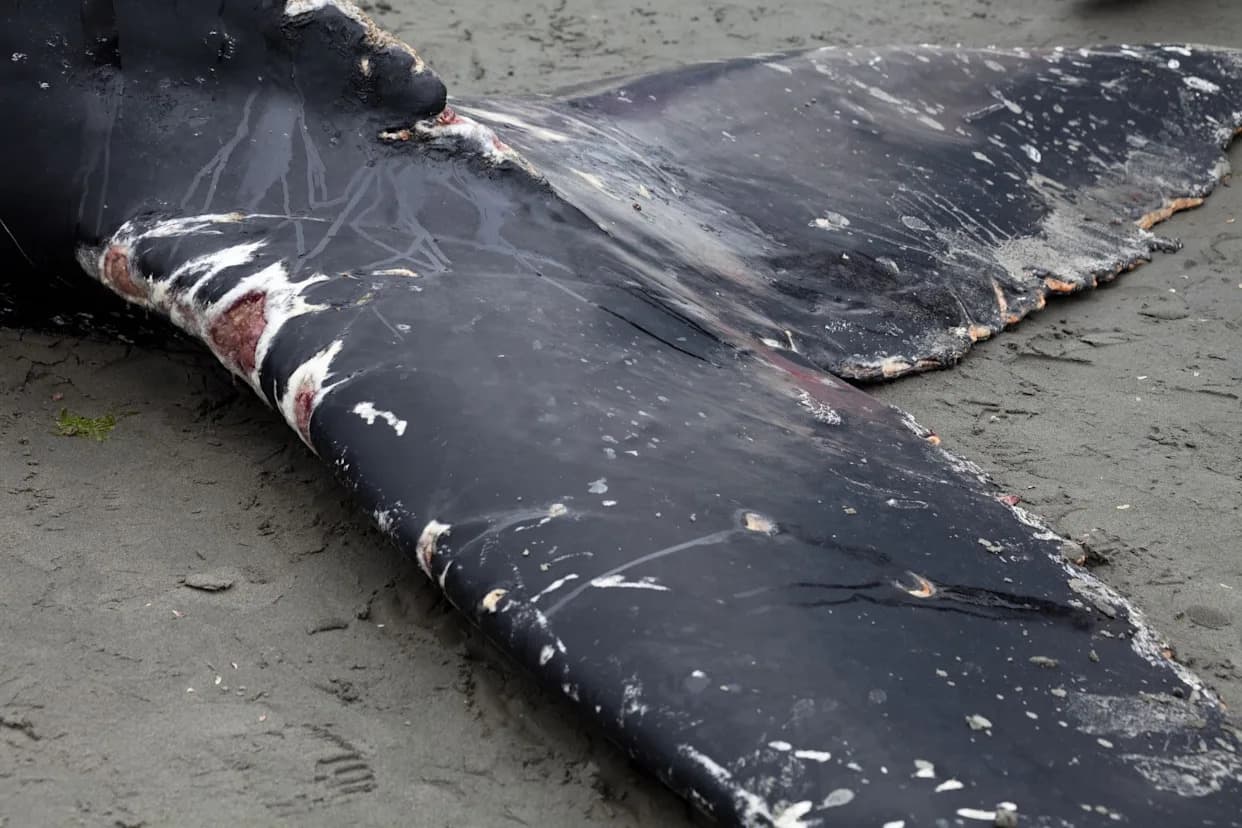
The U.S. Coast Guard and the Marine Mammal Stranding Center responded after a dead whale was found lodged on the bow of a ship arriving at Gloucester Marine Terminal in Gloucester City, N.J., on Jan. 4. Responders removed the carcass and coordinated necropsy and disposal; NOAA’s Office of Law Enforcement is investigating. The animal is tentatively identified as a 25–30-foot fin whale. Fin whales are endangered and face ongoing threats from ship strikes, entanglement and climate change.
Dead Fin Whale Found Lodged on Ship Bow at New Jersey Marine Terminal — NOAA Investigating
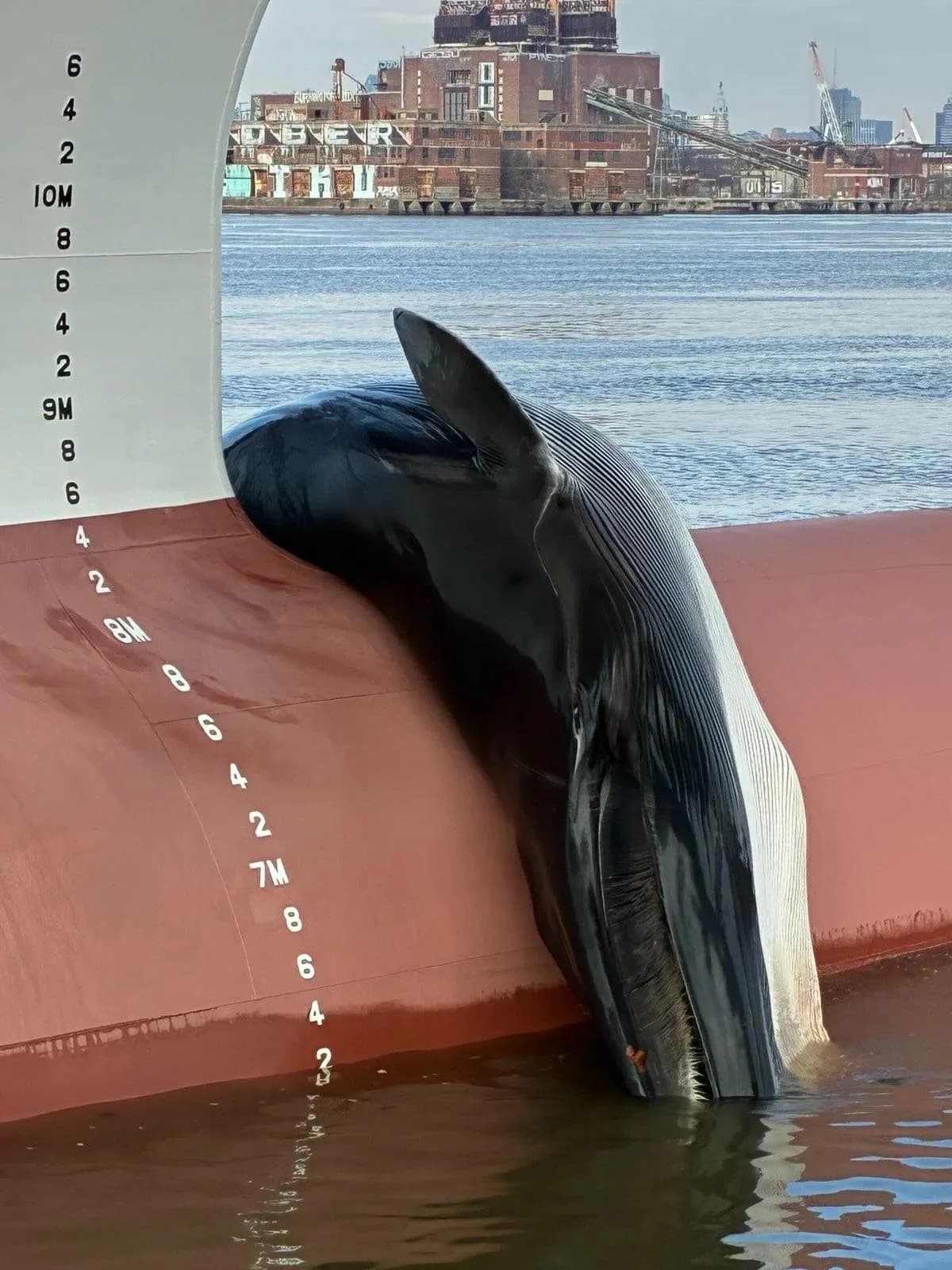
Dead fin whale discovered on bow of ship in New Jersey marine terminal
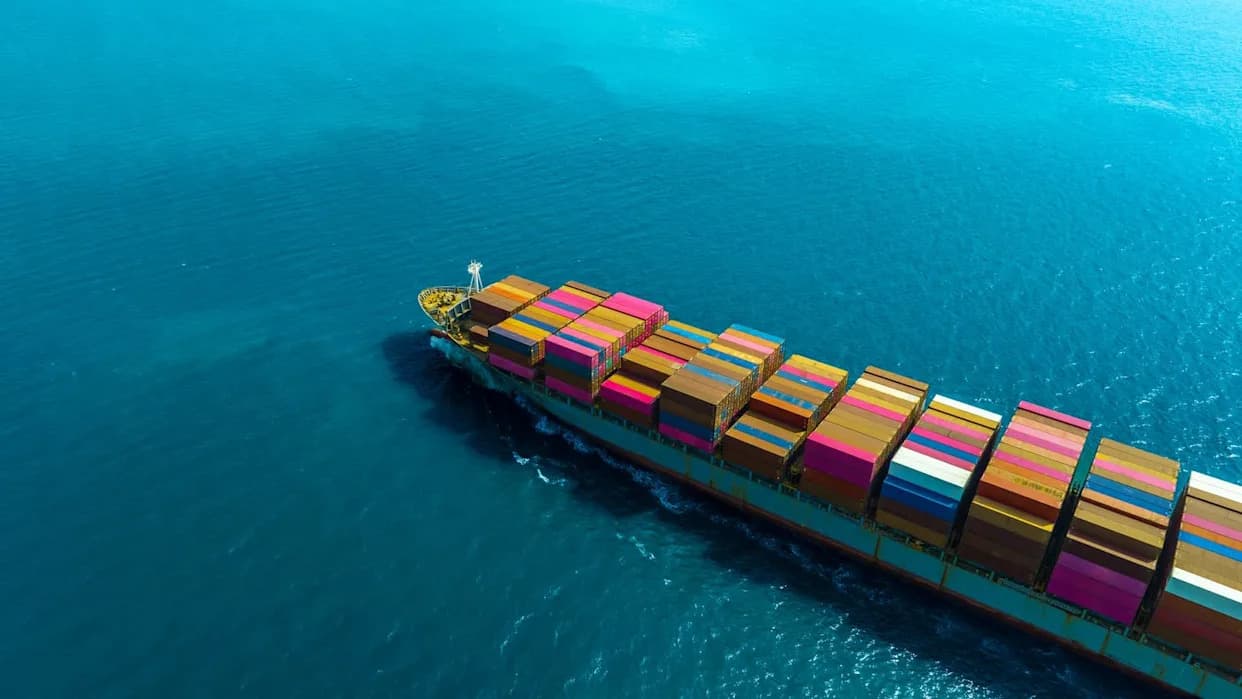
Authorities have launched an investigation after a dead whale was discovered lodged on the bow of a vessel as it arrived at a marine terminal in New Jersey over the weekend.
Incident Details
The U.S. Coast Guard’s Sector Delaware Bay reported that at about 11:15 p.m. local time on Jan. 4 a whale was observed caught on the bow of a ship at the Gloucester Marine Terminal in Gloucester City, New Jersey. The terminal is part of the Port of Philadelphia on the Delaware River, the Marine Mammal Stranding Center said.
In an update on Jan. 6, the Marine Mammal Stranding Center — a federally authorized rescue and response organization — said its team arrived on scene on Jan. 5 and worked with local responders to remove the carcass from the vessel and tow it to a secure location. The center coordinated with local, state and federal officials to identify an appropriate site for necropsy and disposal.
Investigation Underway
The National Oceanic and Atmospheric Administration’s (NOAA) Office of Law Enforcement is investigating the incident and has asked anyone with information to contact its hotline. Officials said the animal has been tentatively identified as a fin whale, roughly 25 to 30 feet long; definitive identification will be confirmed during the recovery and examination.
About Fin Whales
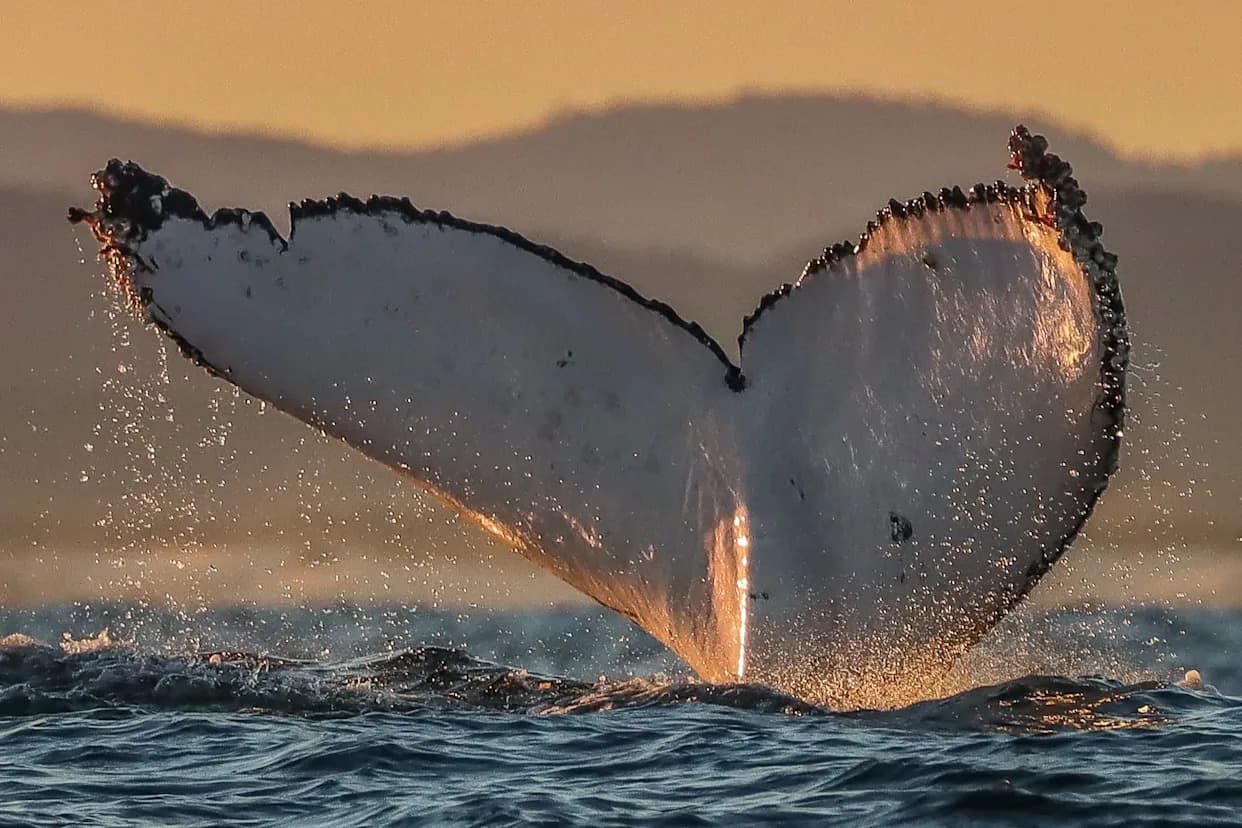
Fin whales are the world’s second-largest whale species after blue whales and are listed as endangered by NOAA. Adults can reach up to about 85 feet and typically weigh between 40 and 80 tons. They are named for the prominent dorsal fin located toward the rear of the animal and are found in deep, offshore waters across temperate to polar latitudes.
Threats And Protections
Historically decimated by commercial whaling, fin whale populations have slowly recovered through conservation efforts, but the species still faces serious threats today, including ship strikes, entanglement in fishing gear, underwater noise and climate change. Fin whales and all marine mammals are protected under the federal Marine Mammal Protection Act, which prohibits disturbing, harassing, hunting or capturing these animals.
Broader Context And Mortality Trends
Vessel strikes and fishing gear entanglements remain persistent global threats. The nonprofit International Marine Mammal Project estimates roughly 20,000 whales are killed worldwide each year in collisions with vessels, with large species — including fin, humpback, gray and blue whales — most often affected. Collisions tend to be concentrated in busy shipping lanes near major ports and along migratory routes.
NOAA currently lists three active unusual mortality events along the Atlantic Coast involving minke whales, North Atlantic right whales and humpback whales. In recent years, large-scale die-offs and multiple individual whale deaths across U.S. waters have been linked in part to human activities such as vessel strikes and gear entanglements.
If you have information about this incident, NOAA’s Office of Law Enforcement requests that you contact its hotline to assist the investigation.
Help us improve.