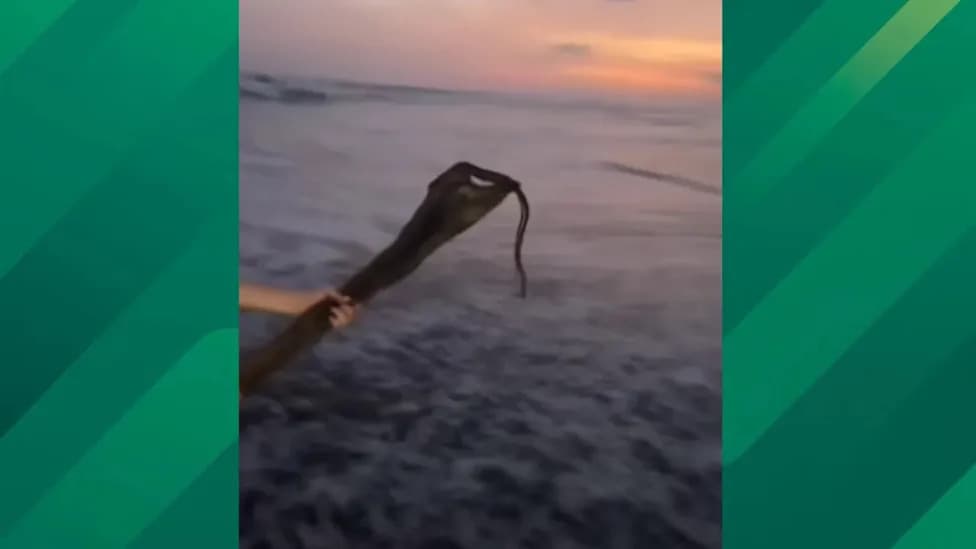
At Padre Island National Seashore in early December, a beachgoer photographed a common octopus that had washed ashore. Scientists say a sudden cold snap likely disoriented the offshore animal and pushed it into shallow water. Experts warn such sightings can signal larger disruptions from rapid temperature swings and human-driven coastal changes, and they urge the public to keep distance and report unusual wildlife to park officials.
Octopus Washes Ashore at Padre Island — Scientists Blame Sudden Cold Snap

A beachgoer walking the shoreline at Padre Island National Seashore in early December photographed a common octopus that had washed up near the sand. The visitor said the animal was not aggressive but that "I had never seen anything like this," a sight she compared only to images from the severe Texas freeze in 2021.
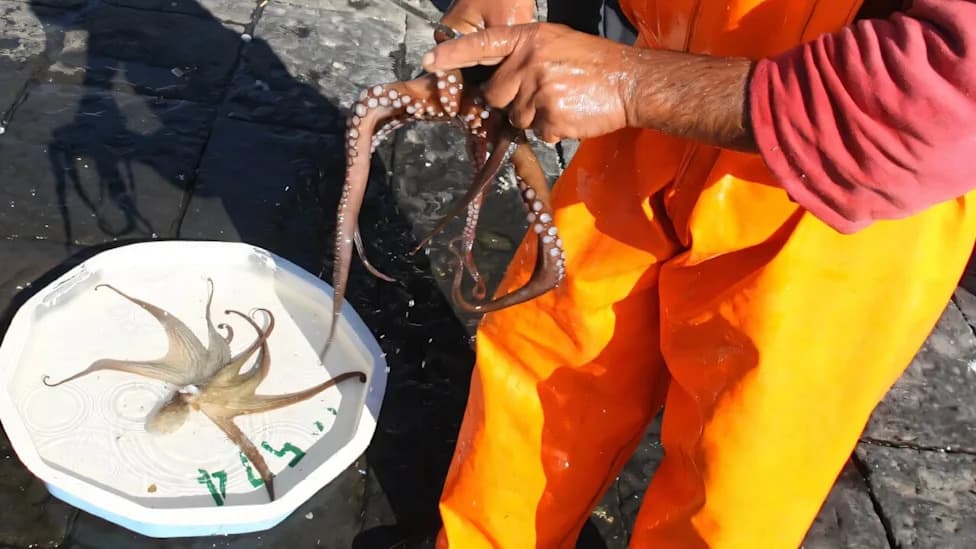
Marine scientists who reviewed the photos identified the creature as a common octopus (Octopus vulgaris), a species that typically lives offshore, relies on camouflage and generally avoids shallow, exposed water during daylight hours. While common in Texas waters, these octopuses are rarely seen by beach visitors.
Why It May Have Been Near Shore
Experts say abrupt temperature drops — sudden cold snaps — can disorient marine animals and push them into unfamiliar habitats, including toward shore. Rapid swings from warm to very cold water can stress marine life, making normally offshore species more visible and vulnerable.
Scientists note a precedent: during the 2021 Texas freeze, some octopuses and other marine animals were found dead or distressed after extreme cold. Researchers and conservation groups are watching unusual strandings closely to better understand how changing ocean conditions affect marine ecosystems.
Human Factors And Risks
Human-driven changes such as coastal development reduce refuges that wildlife use when conditions change quickly, increasing the chance of encounters between people and animals in places where interactions are usually rare. Such encounters can be dangerous for both animals and people: wildlife can be injured, stressed, or die from exposure and handling, while people risk harming animals by approaching, touching, or attempting to "help" without proper training.
"I had never seen … anything like this," the beachgoer told reporters, noting how unusual the sighting felt for the area.
What Officials Recommend
Park officials and marine experts advise keeping a safe distance, photographing unusual wildlife rather than touching it, and reporting sightings to park staff or agencies such as Texas Parks and Wildlife. If an animal appears injured or in immediate danger, contact park authorities for guidance instead of intervening directly.
Monitoring of such sightings continues as researchers seek to link changing weather extremes and human impacts with shifts in marine animal behavior and distribution.
Help us improve.