Scientists investigating a sperm whale that beached on Kauai concluded plastic ingestion likely caused its death after finding fishing traps, nets, plastic bags and numerous fishing lines blocking its intestinal tract. The 56-foot, 120,000-pound whale contained six hagfish traps, multiple nets, two types of plastic bags and other debris; researchers believe more items remain unrecovered. The case highlights the global scale of ocean plastic—estimated at 5.25 trillion pieces—and the risks to marine life and human food safety, and experts urge reducing single-use plastics and supporting cleanups.
Sperm Whale That Washed Ashore In Kauai Likely Killed By Ingested Plastic, Scientists Say
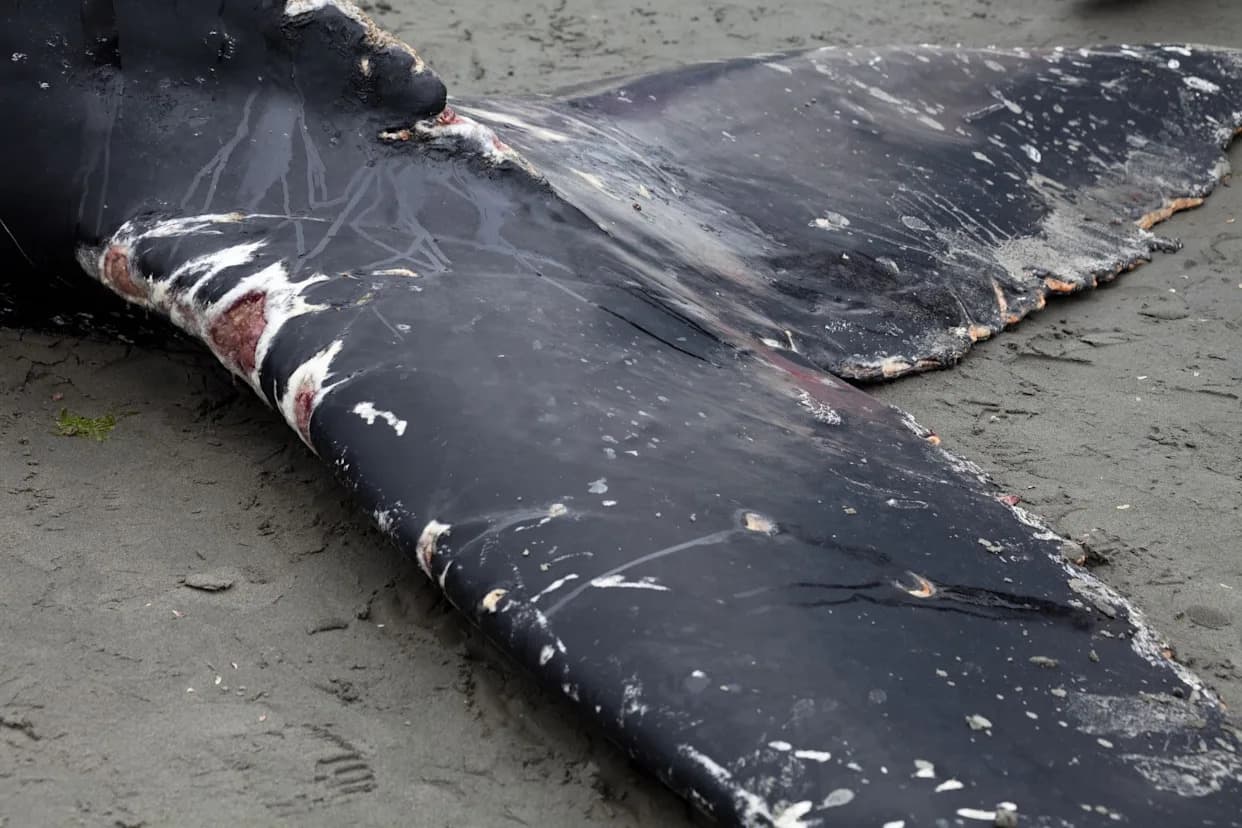
Photo Credit: iStock
Earlier this year a 56-foot, 120,000-pound sperm whale washed ashore on Kauai. Researchers performing a necropsy now say the whale most likely died after ingesting a large amount of plastic and discarded fishing gear that blocked the entrance to its intestinal tract, preventing normal digestion.
Findings From The Necropsy
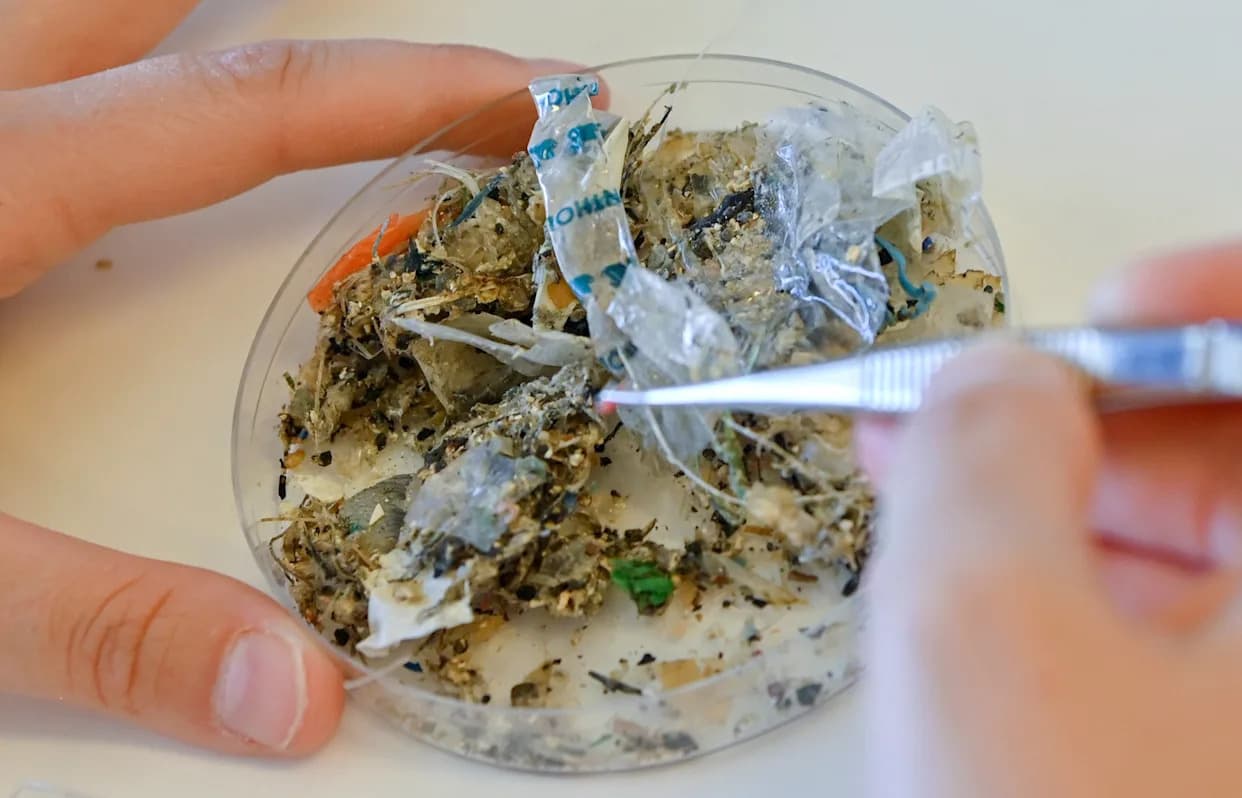
Scientists removed a striking amount of debris from the whale's stomach: six hagfish traps, seven different types of fishing nets, two kinds of plastic bags and numerous fishing lines. The animal's stomach was so large that researchers could not inspect it completely, and they believe additional debris remains unrecovered inside the carcass.
Kristi West, director of the University of Hawaii's Health and Stranding Lab, called the discovery devastating and said it was "heartbreaking to see this kind of destruction in an individual animal."
The Scale Of Ocean Plastic
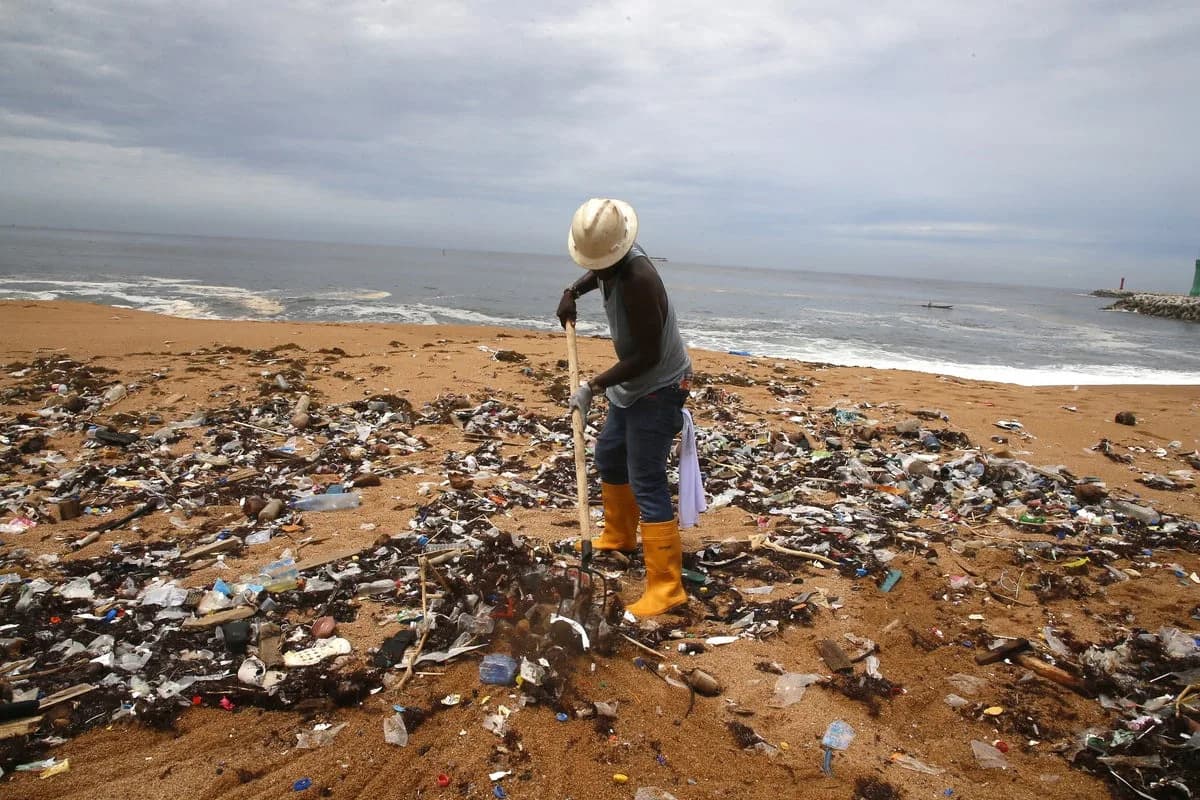
This case underscores a growing global problem. Scientists estimate there are about 5.25 trillion pieces of plastic in the world's oceans, with roughly 269,000 tons floating on the surface. The deep sea is contaminated by approximately four billion plastic microfibers per square kilometer.
Why This Matters
Plastic and discarded fishing gear present multiple threats: animals can mistake debris for food, suffer internal injuries or starvation when digestive tracts are blocked, and ingest chemical toxins associated with plastics. Those toxins can move up the food chain and reach humans who eat seafood, creating public-health concerns in addition to ecological damage.
What You Can Do
Experts say addressing ocean plastic requires both policy changes and individual actions. Practical steps include reducing single-use plastics, switching to reusable grocery bags and refillable water bottles, supporting and volunteering for beach and river cleanups, and donating to organizations that remove ocean trash such as 4ocean and The Ocean Cleanup. Removing coastal debris can directly prevent future wildlife deaths.
Bottom line: The Kauai necropsy provides stark evidence that even the largest marine animals are vulnerable to plastic pollution—making prevention and cleanup urgent priorities.
Help us improve.