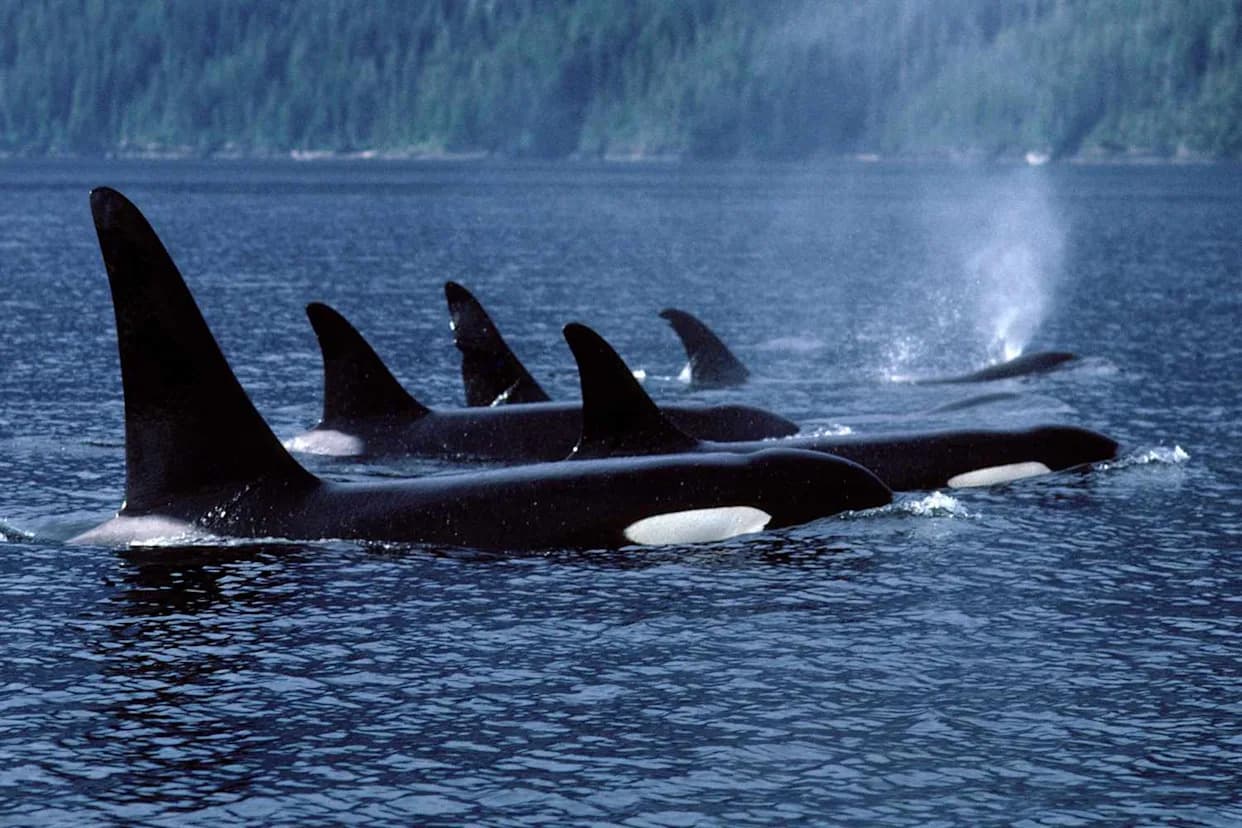
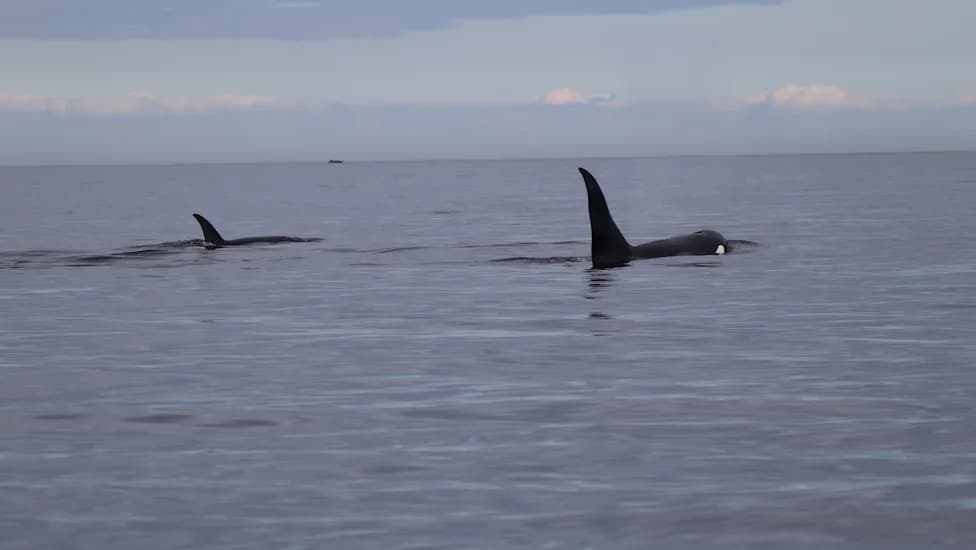
British Columbia residents and visitors have been treated to a rare and striking marine spectacle: Northern Resident killer whales coming very close to shore to rub their bellies on pebble beaches. The behavior, commonly called "beach rubbing," has drawn attention from local eyewitnesses, tour operators and researchers alike.
On Jan. 2, Ryan Chilibeck of Gibsons—across Howe Sound from West Vancouver—spotted a group of orcas so close to the shoreline that he hurried to observe them. "I picked my jaw up off the ground, it was once-in-a-lifetime type of stuff," Chilibeck told CBC News, describing himself as "probably the world's No. 1 orca fan."
Researchers identified the animals as members of the A5 pod, which comprises three family groups. Jared Towers, executive director of Bay Cetology in Alert Bay, confirmed that this belly-rubbing behavior has been observed only among Northern Resident killer whales (NRKW), which inhabit the northeastern North Pacific Ocean.
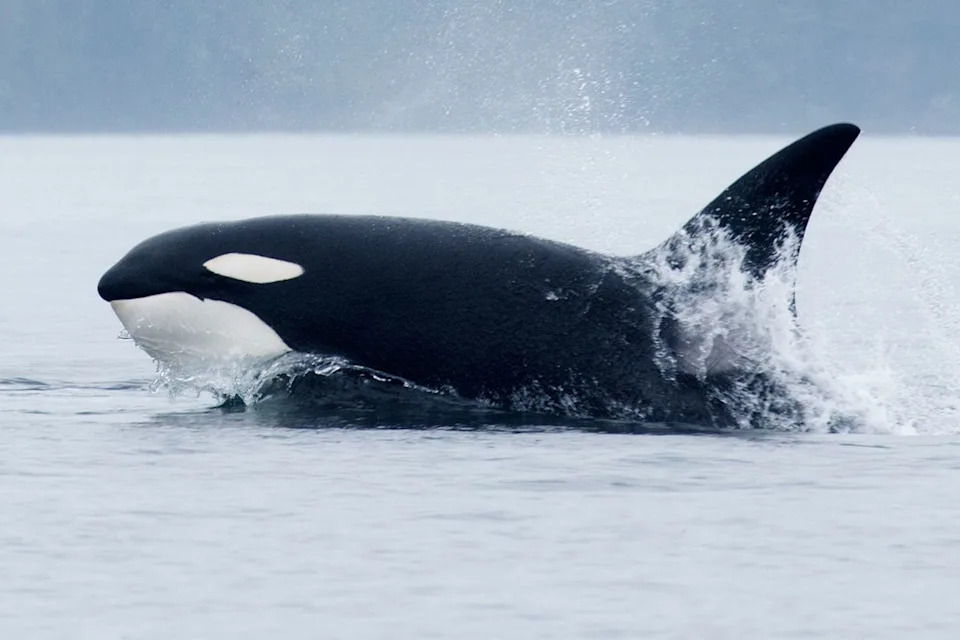
AscentXmedia/GettyStock photo of an orca in British Columbia.
"Amongst all the different killer whale populations around the world, there's only a couple that have been observed doing this behavior," Towers said. "It's very specialized, very unique, it's not that common."
The phenomenon is not entirely new. Archived footage from a Hanson Island live cam posted by Explore Oceans captured similar beach-rubbing activity about a year ago. Tour operators such as Grey Wolf Expeditions have also highlighted NRKWs for this distinctive habit of rubbing their bellies on stone-strewn shores.
Why Do Orcas Beach Rub?
Experts propose several possible explanations: the action may function in social bonding within and between families, serve as grooming or exfoliation to remove skin parasites or dead skin, or represent a cultural tradition passed through pod generations. Some researchers also note that killer whales have sensitive skin, and the rubbing may simply be pleasurable—analogous to how humans enjoy a massage.
To protect these culturally important behaviors and reduce disturbance, parts of the pebble beaches favored by the whales are protected by the Canadian government. Regulations limit boats, kayaks and other human activity near those shorelines to encourage the whales to continue visiting.
Eyewitness accounts like Chilibeck's, alongside documented footage and scientific observations, underscore how species-specific cultural behaviors shape interactions between people and marine mammals along British Columbia's coasts. Continued observation and respectful protection of these sites help researchers learn more about the social lives of NRKWs while allowing the public to witness a rare natural display.