Prof. Gabriel (Gabi) Barkay, 81, the Israeli archaeologist who co-founded and directed the Temple Mount Sifting Project, has died. He is best known for excavations at Ketef Hinnom that uncovered tiny silver amulets with ancient Hebrew inscriptions, among the earliest biblical texts discovered. Barkay combined field excavation, systematic documentation and public advocacy for rigorous authentication of artifacts. He received the Jerusalem Prize for Archaeological Research and the Moskowitz Prize for Zionism.
Gabriel (Gabi) Barkay, Pioneering Israeli Archaeologist Behind Ketef Hinnom Finds and Temple Mount Sifting Project, Dies at 81
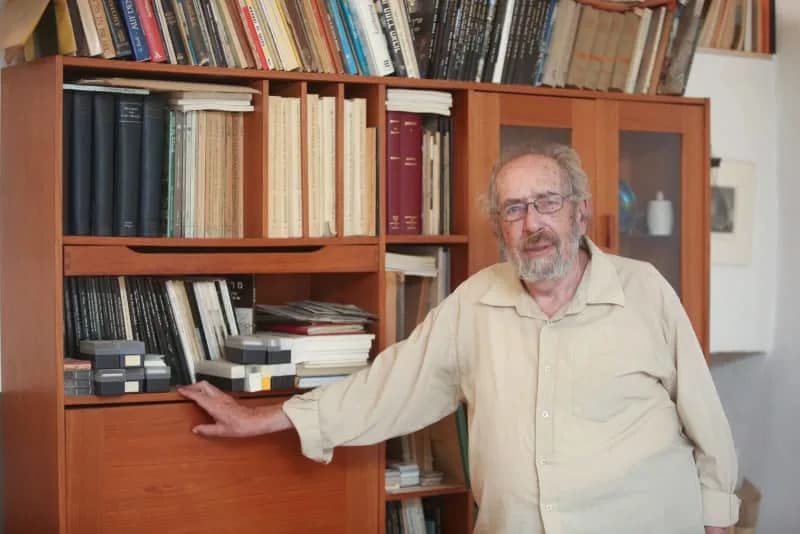
Prof. Gabriel (Gabi) Barkay (photo credit: MARC ISRAEL SELLEM/THE JERUSALEM POST)
Prof. Gabriel (Gabi) Barkay, the Israeli archaeologist who co-founded and directed the Temple Mount Sifting Project and whose fieldwork reshaped modern understanding of Jerusalem's past, died on Sunday at the age of 81, the project announced.
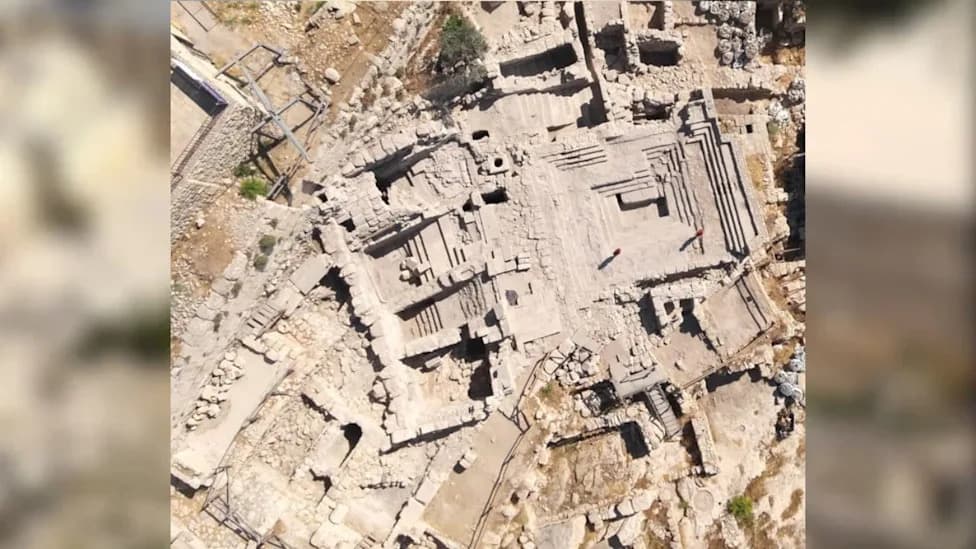
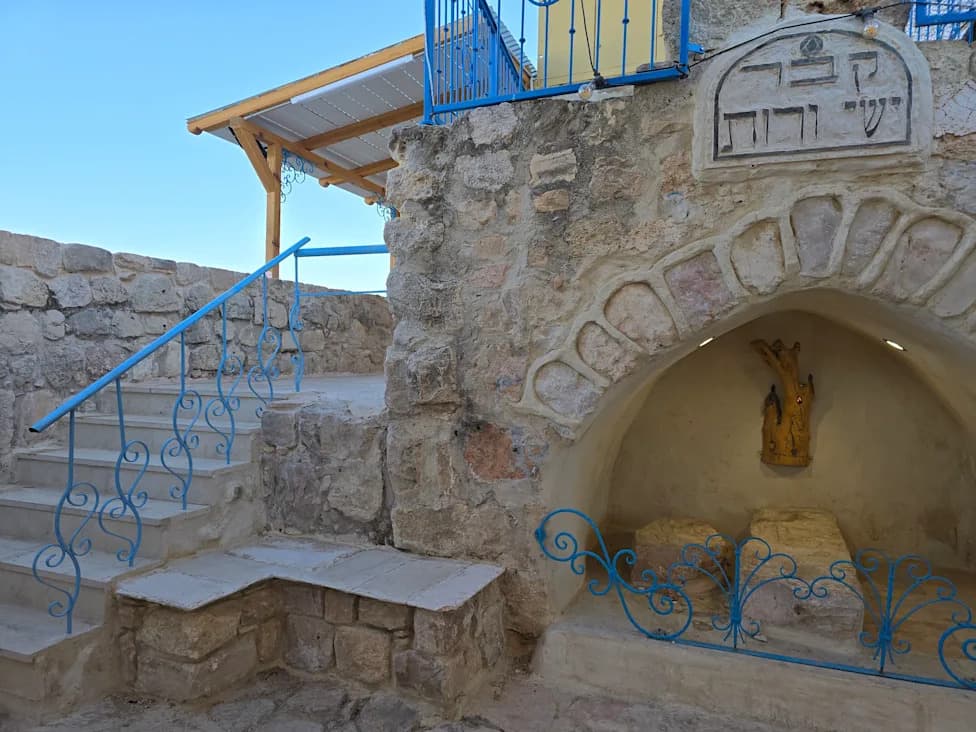
Barkay’s name became closely associated with the Ketef Hinnom burial complex on Jerusalem’s western edge, where his excavations uncovered tiny silver amulets engraved in ancient Hebrew — artifacts widely regarded as among the earliest known biblical texts recovered. Those discoveries helped prompt fresh debate about the continuity of settlement in Jerusalem during the Babylonian period.
Fieldwork, Documentation, and a Layered View of Jerusalem
A lifelong field archaeologist, Barkay emphasized careful excavation, documentation and preservation. As he put it in a 1985 Jerusalem Post feature on the Mount of Olives: "It’s just the upper layer; much of earlier generations is probably hiding." That approach informed his teaching, publications and surveys of tombs and remains around Jerusalem, where he combined technical rigor with an ability to convey the human and historical significance of places many pass every day without noticing.
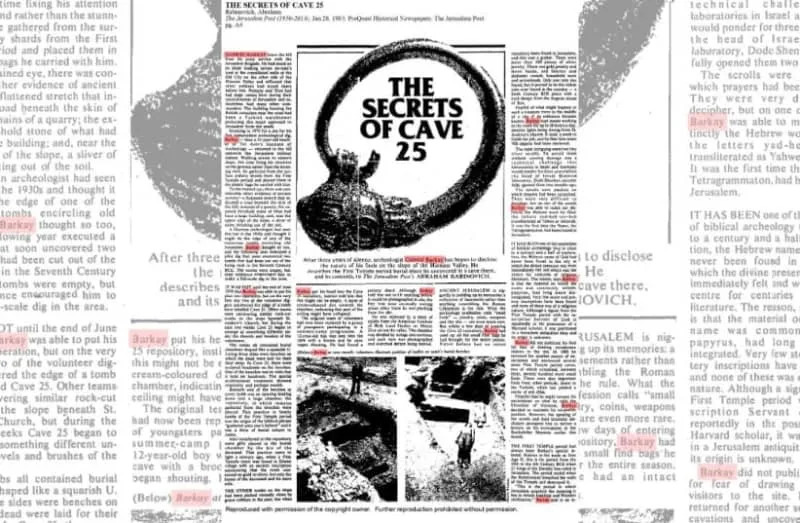
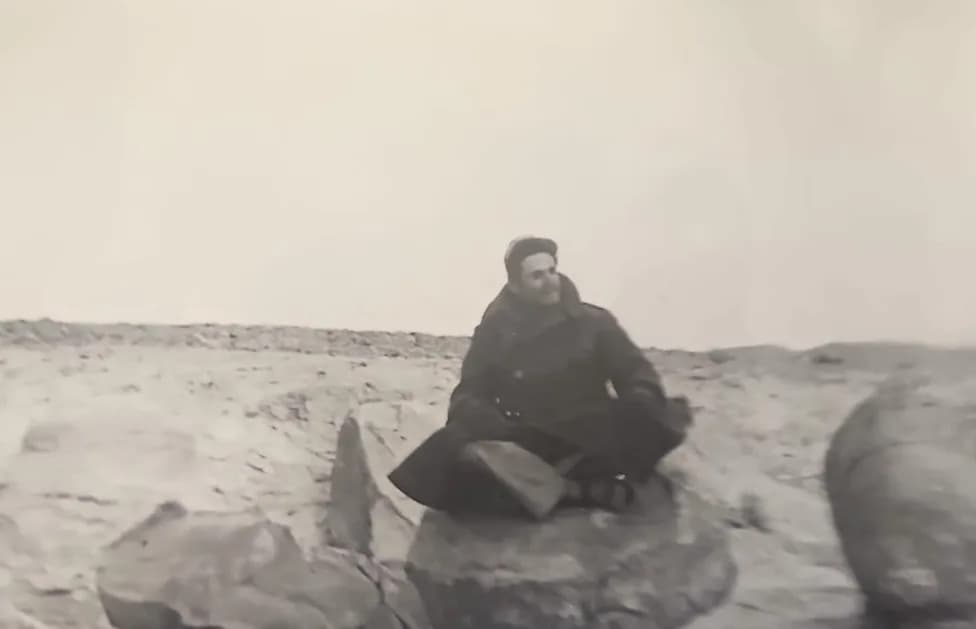
The Jerusalem Post 1983. (credit: Jerusalem Post archives)
"It is unlikely that there could be burials in Jerusalem if the city was uninhabited."— Barkay, reflecting on the implications of the Ketef Hinnom finds for continuity in Jerusalem.
Public Voice on Authentication
Barkay was frequently consulted in public debates over the authenticity of sensational artifacts. In the controversy over the so-called Jehoash inscription, he urged scholars to seek corroborating finds from the same eras and pushed for rigorous provenance checks — even recommending legal investigation of chain-of-custody questions in high-profile cases.
Later Years and Legacy
In later decades Barkay devoted enormous energy to the Temple Mount Sifting Project, which attempts to recover artifacts from soil removed from the Temple Mount area in the late 1990s and early 2000s. Born in Hungary and brought to Israel as a child, he taught and lectured for decades while publishing widely and working at major Jerusalem sites.
He received honors including the Jerusalem Prize for Archaeological Research and the Moskowitz Prize for Zionism. Barkay leaves a legacy of discoveries that reached international audiences and a body of local scholarship and preservation work that reminded Israelis — and the world — that Jerusalem’s past still lies, quietly, beneath the pavement.
Help us improve.