A 13-year-old in Haifa discovered a corroded but intact Roman ring while hiking near Khirbet Shalala on Mount Carmel. The Israel Antiquities Authority dated the ring to the 2nd–3rd century CE and identified the engraved, helmeted figure as the goddess Minerva (Athena). The object—possibly a personal item or a burial offering—will be catalogued with other finds from the site. The finder received a museum tour, a seal impression, and a certificate for reporting the discovery.
Teen Hiker in Haifa Uncovers 1,800-Year-Old Roman Ring Depicting Minerva
Teenager Finds 1,800-Year-Old Roman Minerva RingTahreer Photography - Getty Images
A 13-year-old amateur archaeologist in Haifa discovered an intact Roman-era ring while hiking near the Khirbet Shalala archaeological site on Mount Carmel. The Israel Antiquities Authority (IAA) dated the object to the 2nd–3rd century CE and identified an engraved, helmeted figure as the goddess Minerva (Greek: Athena).
Discovery and Examination
Yair Whiteson was walking a trail near Khirbet Shalala when he noticed a small, green, heavily corroded object that at first looked like an old bolt. On closer inspection he saw a tiny engraved figure and realized the object was a ring. Yair and his family reported the find to the IAA Theft Prevention Unit and handed the piece to the National Treasures Department for study.
What the Experts Found
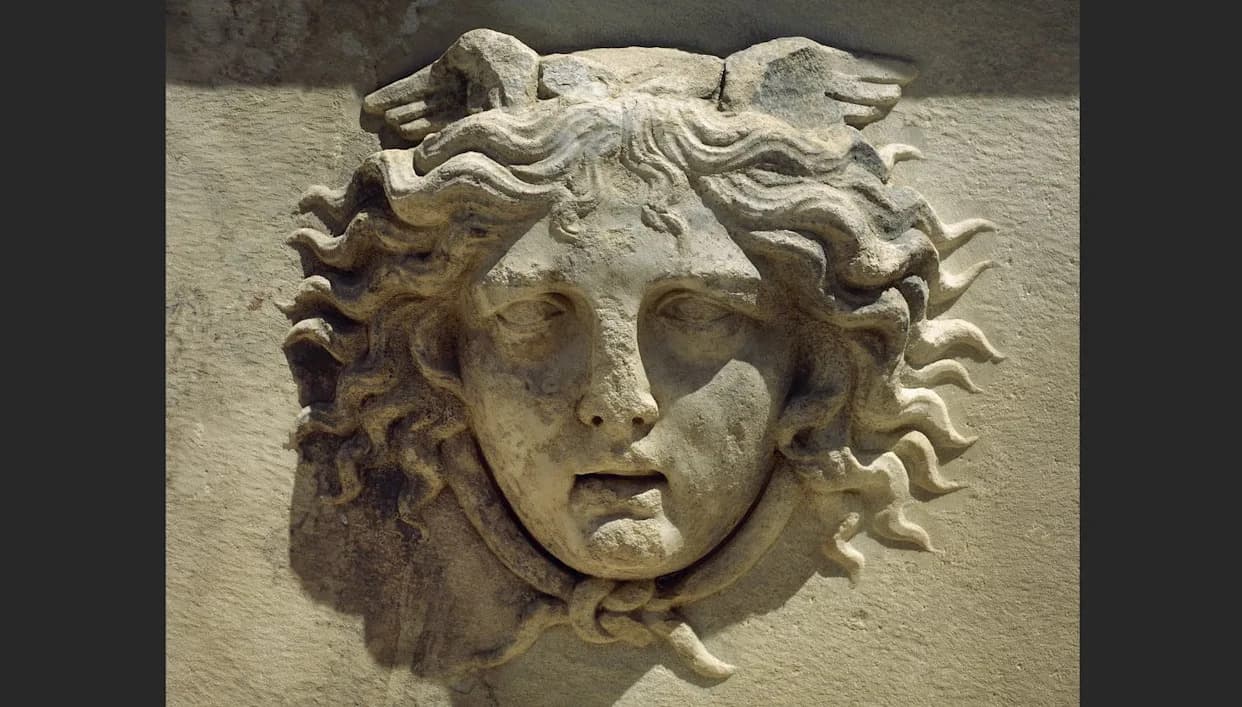
Specialists examined the ring and confirmed it is largely preserved. The intaglio shows a helmeted, partially nude figure holding a shield in one hand and a spear in the other—iconography consistent with Minerva, the Roman goddess of wisdom and war, who corresponds to the Greek Athena. The IAA notes the depiction matches regional expressions of the goddess in the eastern Roman provinces.
Nir Distelfeld of the IAA described Yair's initial identification as very close to the experts' assessment, noting the figure's helmet, shield, and spear as key attributes of Minerva.
Historical Context
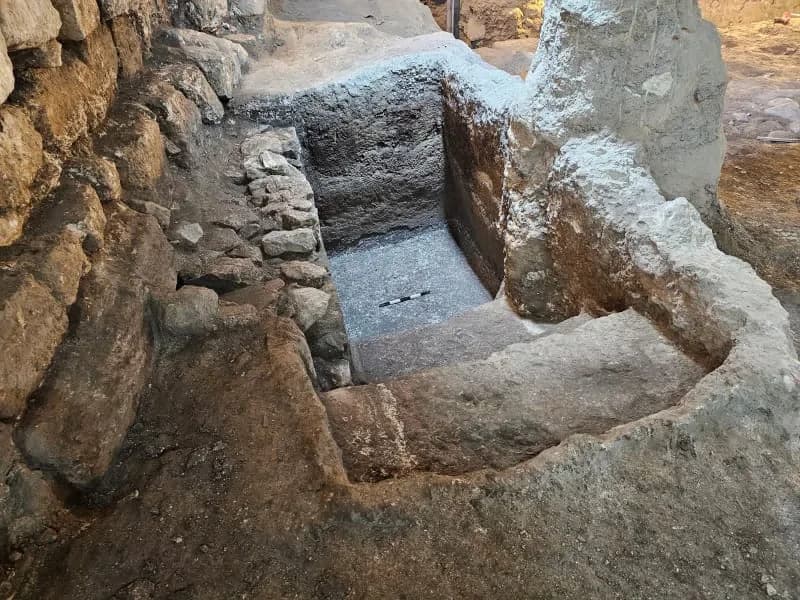
The ring is dated to the period when the area was part of the Roman Province of Syria Palaestina. Khirbet Shalala sits atop a hill on Mount Carmel and contains remains of a Roman-era mansion, a rock quarry, and nearby graves—making it plausible that the ring belonged to a local resident (possibly a woman or girl) or was deposited as a burial offering.
Significance and Next Steps
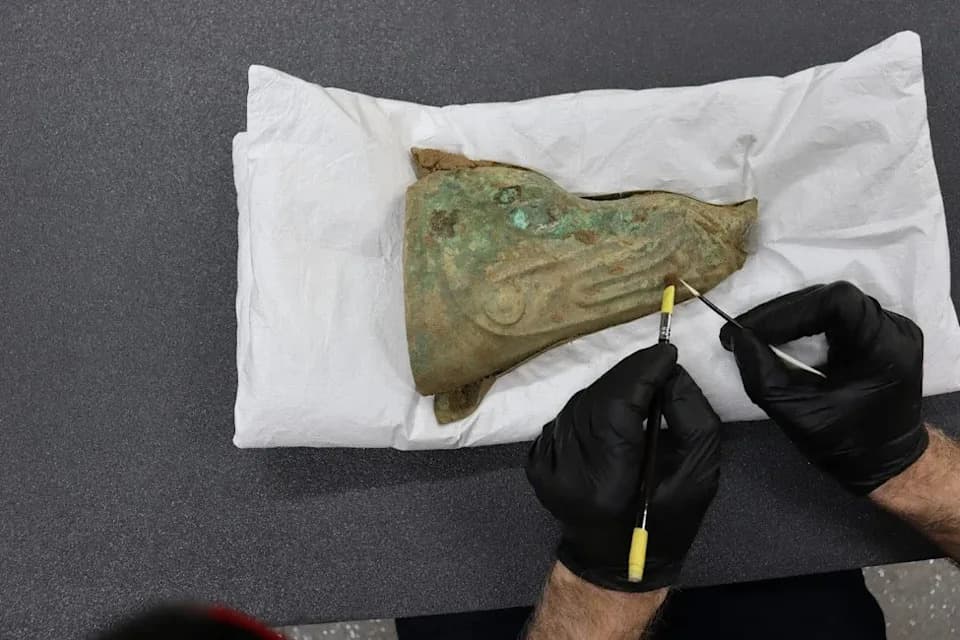
Although small, the ring enriches the corpus of artifacts from Khirbet Shalala and helps illuminate aspects of daily life and ritual practice in the region during the Roman period. The object will be catalogued and conserved as part of the site's finds and preserved by the National Treasures Department.
Recognition for the Finder
In recognition of his responsible action in reporting the discovery, Whiteson received a private tour of the National Archaeology Museum of Israel in Jerusalem, a seal impression made from the ring's design, and a certificate of appreciation from the IAA.
Eli Escozido, director of the Antiquities Authority, praised Yair's prompt reporting as an example of civic responsibility and encouraged his archaeological ambitions.
The find joins a long list of chance archaeological discoveries—from the Rosetta Stone and the Dead Sea Scrolls to the Terracotta Army—that have advanced our understanding of the past. For a young aspiring archaeologist, this discovery is both a civic contribution and an inspiring start to a possible future career.
Help us improve.