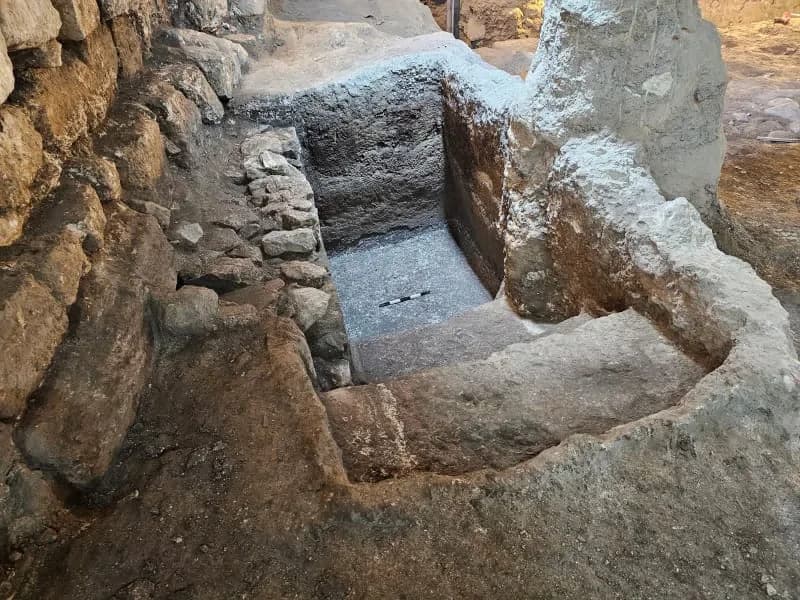
Archaeologists have uncovered a 131‑foot segment of Jerusalem’s Hasmonean‑era "First Wall" beneath the Kishle prison complex near the Tower of David. The structure—about 16 feet thick and originally more than 30 feet tall—is remarkably well preserved but shows clear signs of deliberate, systematic dismantling. Scholars point to two main explanations: forced de‑fortification under an Antiochus VII/John Hyrcanus I agreement, or removal ordered later by King Herod. Earlier finds of hundreds of Hellenistic siege projectiles in the area support a history of conflict.
Largest Known Section of Jerusalem’s Hasmonean 'First Wall' Unearthed — Evidence Shows Deliberate Dismantling
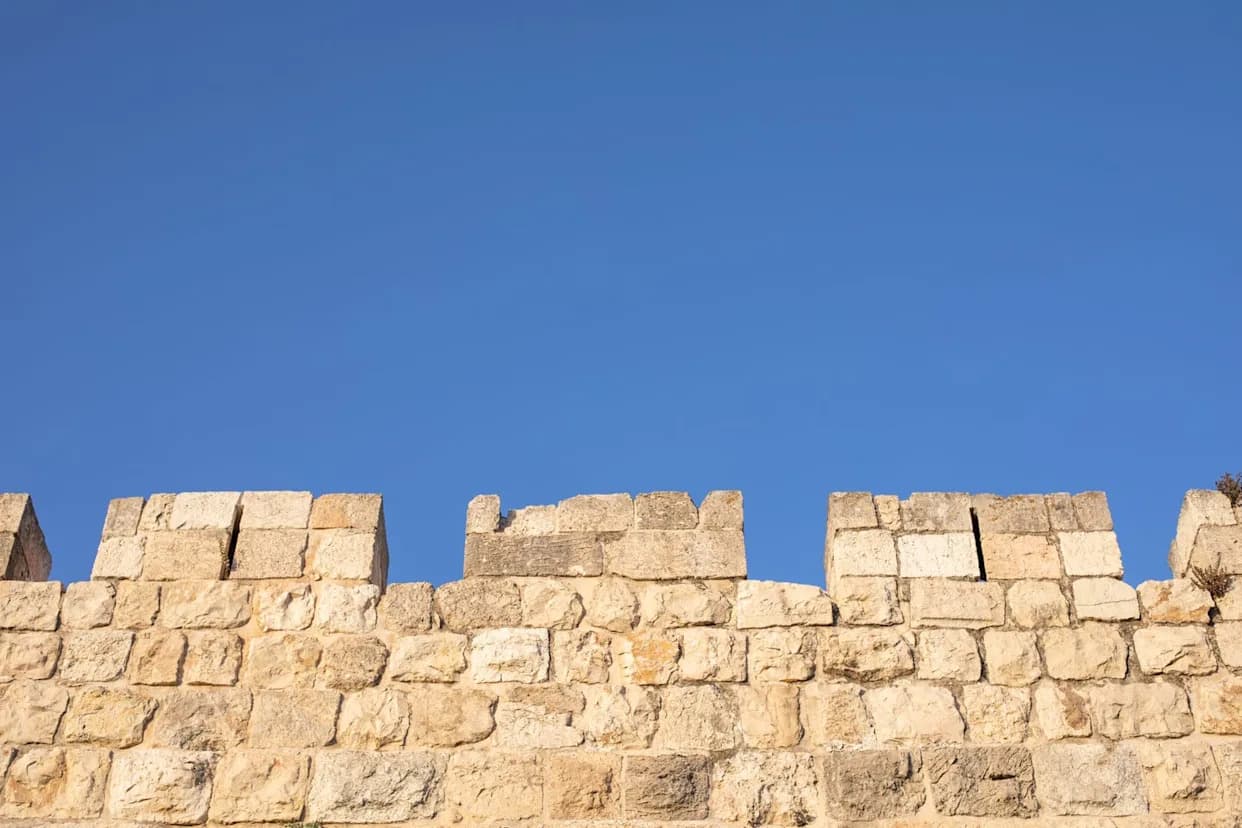
Experts Found a Segment of a City’s ‘First Wall’Geraint Rowland Photography - Getty Images
Archaeologists working beneath the historic Kishle prison complex, adjacent to the Tower of David Jerusalem Museum, have revealed the largest and best-preserved segment yet found of Jerusalem’s so‑called "First Wall," a major fortification dated to the Hasmonean era.
What Was Found
The newly exposed stretch extends approximately 131 feet and preserves a core nearly 16 feet thick. Based on construction techniques and historical descriptions, the wall once rose to more than 30 feet. Excavation directors Amit Re'im and Marion Zindel of the Israel Antiquities Authority described the masonry as "meticulously built of large, heavy stones, with a chiseled boss typical of this period," underscoring its exceptional state of preservation.
Built in the late second century B.C.E., this fortification would have enclosed parts of Mount Zion during the Second Temple period. The first‑century C.E. historian Josephus detailed the wall's route and gates and called it "impregnable," though he also mentions older defenses that some attribute to the time of David and Solomon (10th century B.C.E.).
Signs of Intentional Destruction
Although the wall's thick core remains intact, its surviving elevation and associated finds indicate it was deliberately dismantled down to its foundations rather than simply collapsing from age. As Re'im and Zindel note:
"There is much more to this wall than meets the eye. It is clear that it was systematically destroyed and razed to the ground. This is predetermined destruction—not the result of the ravages of time, nor of a random enemy attack, but a deliberate execution of a well‑planned action."
Who Might Be Responsible?
Excavators offer two leading explanations for the systematic razing:
- Removal under a Hasmonean/Seleucid agreement: Historical accounts suggest that Antiochus VII Sidetes required the removal of Jerusalem's fortifications as part of a peace settlement with the Hasmonean leader John Hyrcanus I. If enforced, this agreement could explain a planned, thorough dismantling.
- Demolition by King Herod: Some scholars argue that Herod, who later reshaped Jerusalem’s urban landscape to consolidate power and to align the city with Roman tastes, may have ordered the wall's removal during his construction projects or political reforms.
Supporting the context of conflict, earlier excavations in the 1980s near this area uncovered a large Hellenistic‑era cache containing hundreds of catapult stones, arrowheads, sling projectiles and lead bullets. The Israel Antiquities Authority views these finds as material evidence of siege activity during the Hellenistic period—possibly linked to Antiochus VII—even if some of those munitions were blocked by the intact wall at the time.
Why It Matters
Officials emphasize the discovery's cultural and historical significance. As Amichai Eliyahu, Israel's minister of heritage, put it: "This segment of Jerusalem’s ancient city wall uncovered by the Israel Antiquities Authority is tangible and moving evidence of Jerusalem’s might and stature during the Hasmonean period." The Kishle find not only adds a physical chapter to Jerusalem’s layered past, it also raises new questions about political decisions and military events that shaped the city.
The excavation continues to inform debates about Jerusalem's fortifications and their changing role in the city’s contested history, while providing a rare, well‑preserved glimpse of Hellenistic‑period defensive architecture.
Help us improve.