Thousands of widows in western Kenya face eviction and loss of land after their husbands die, often pressured by customs such as "sexual cleansing" and "wife inheritance." Siaya County's assembly passed a Widows Protection Bill that would criminalize forced disinheritance and forced remarriage and establish welfare committees to help widows secure legal aid. Grassroots groups like Amandla MEK Foundation and legal trainers are helping women learn their rights, draft wills and access pro bono lawyers to defend property. Advocates say legal reform and education are essential to breaking cycles of poverty and protecting widows' constitutional land rights.
Stripped of Land and Rights: How Widows in Western Kenya Are Fighting Back
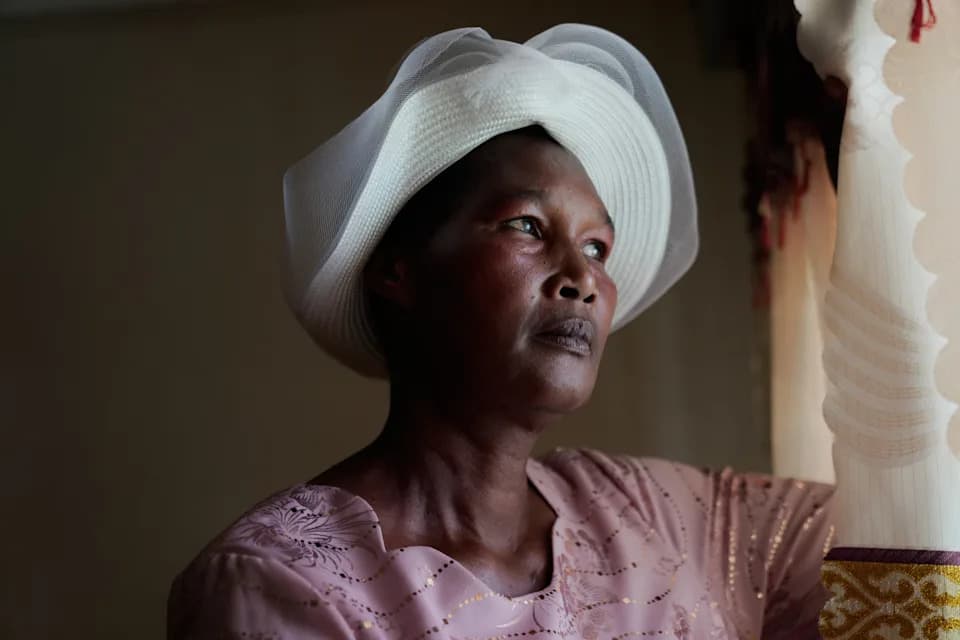
Anne Bonareri, a widow, looks out the window of her home in Kisii, Kenya, Wednesday, Nov. 26, 2025. (AP Photo/Brian Inganga)(ASSOCIATED PRESS)
Rebecca Anyango stood outside the small house she has called home for 26 years, worried about how long she will be allowed to stay. A 70-year-old widow in Siaya County, she says relatives of her late husband have repeatedly threatened to evict her, arguing she has no claim to the property. This year they filed a lawsuit, and Anyango has been unable to secure legal representation.
She pointed to the gravesite a few steps from the front door and asked quietly:
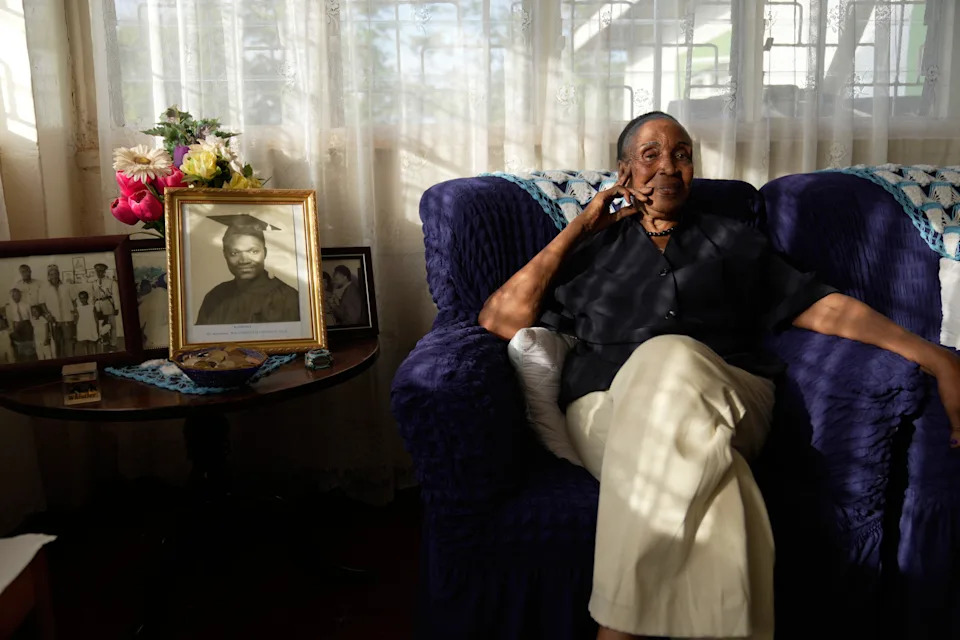
Widow Marie Owino, 87 years old, a former teacher sits inside her home in Siaya, Kenya, Thursday, Nov. 27, 2025. (AP Photo/Brian Inganga)(ASSOCIATED PRESS)
"Where do I take the grave?"
Customary Pressure and the Law
Anyango is one of thousands of widows across western Kenya who risk losing land and possessions when their spouses die. Many live in rural areas with limited education and little awareness of their legal rights. Customary practices among some Luo, Luhya and Kisii communities — including "sexual cleansing" and "wife inheritance" — place powerful social pressure on widows to submit to traditions that run afoul of Kenya's constitution.
Sexual cleansing often compels a widow to have sex with another man (frequently a brother of the deceased) under the belief that it will remove a perceived stigma. Wife inheritance expects a widow to be taken in as a wife by a member of her late husband's family. Women who refuse these practices frequently report isolation, threats and dispossession.

Aerial view of the home of widow Marie Owino, 87, a former teacher, in Siaya, Kenya, Thursday, Nov. 27, 2025. (AP Photo/Jackson Njehia)(ASSOCIATED PRESS)
"If the woman is not aware of what protects her, then she will be disinherited,"
said Simiyu Waddimba, an anthropology lecturer at the University of Nairobi who has written about wife inheritance.
Local Reforms and Grassroots Responses
In November, Siaya County's assembly unanimously approved a Widows Protection Bill. If the county governor signs it, the measure would criminalize forced disinheritance and forced remarriage and create welfare committees to help widows access legal aid. The bill was championed by county legislator Scholastica Madowo, a widow and one of four women elected to the 42-member assembly, who said the abuses she witnessed compelled her to act.
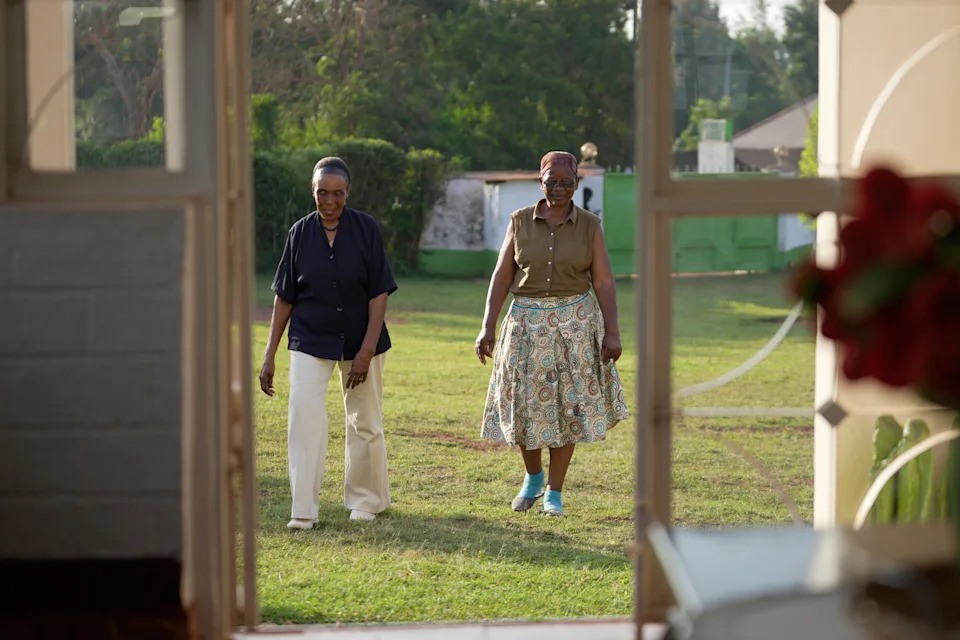
Widows Rebecca Anyango, 70 years old, right, and Marie Owino, 87 years old, a former teacher, left, walk outside Marie's compound home in Siaya, Kenya, Thursday, Nov. 27, 2025. (AP Photo/Brian Inganga)(ASSOCIATED PRESS)
Across neighboring Kisii County, Anne Bonareri says she was stripped of a house and commercial property that had been under her late husband's name. When she refused to be "inherited" after his death in 1997, she says armed men attacked her. Bonareri worked multiple jobs to buy a small plot of land and rebuild a home. Her daughter, Emma Mong’ute, founded the Amandla MEK Foundation in 2019 to offer legal advice and connect widows with pro bono lawyers.
Legal Tools, Training and Successful Resistance
Local advocates say many cases of disinheritance stem from a lack of knowledge about Kenya's land succession laws, which recognize widows and children as rightful heirs. Organizations such as the Kenya Female Advisory Organization provide legal training so women can represent themselves, and they urge people — especially in rural areas — to write wills and appoint neutral executors.
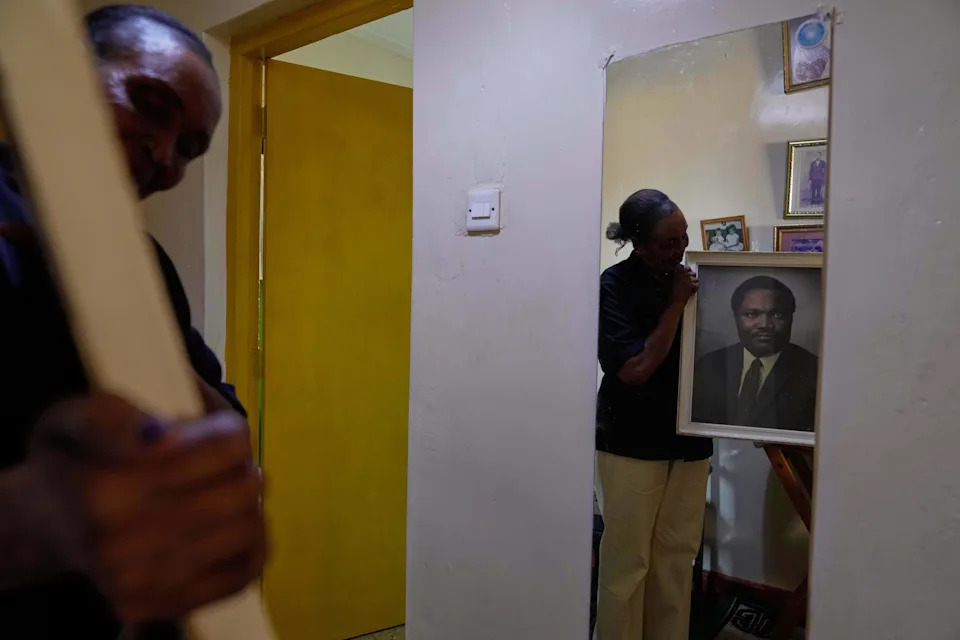
Widow Marie Owino, 87 years old, a former teacher, holds a portrait of her late husband at her home in Siaya, Kenya, Thursday, Nov. 27, 2025. (AP Photo/Brian Inganga)(ASSOCIATED PRESS)
Some widows who understood their rights and established economic independence have successfully resisted dispossession. Marie Owino, an 87-year-old retired teacher, says her knowledge of the law and financial autonomy prevented her in-laws from challenging her property rights after her husband died 33 years ago. She still lives on the family acreage and says early independence earned her respect.
Broader Context and Ongoing Challenges
Experts note that tension between statutory law and customary law is not unique to Kenya: in several southern African countries, customary practices continue to shape inheritance outcomes to the detriment of widows and children. Local laws like Siaya's bill, combined with grassroots legal aid and community education, are emerging as tools to protect widows — but enforcement, access to lawyers and social stigma remain significant obstacles.
The Associated Press reported on these developments; local advocates and widow-led groups are pushing for legal reform, increased awareness of succession rights and practical support so women can defend their homes and livelihoods.
Help us improve.