Former inmates and forum contributors share vivid, firsthand accounts that mix acts of solidarity with allegations of exploitation. Reports describe intake coercion over personal items, claims that confiscated belongings are sold, pressure on some mothers toward adoption, and a system that ties basic services—commissary, phones, tablets, ankle monitors—to ongoing fees. The stories highlight both institutional concerns and the unexpected compassion found among people inside.
Former Inmates Describe Life Inside U.S. Prisons: Solidarity, Coercion, and Costly Systems

Twenty47studio / Getty Images
A series of firsthand accounts from people who have been incarcerated offers a complex portrait of life behind bars: moments of deep solidarity alongside allegations of coercion, profiteering, and systemic indifference. Contributors — including forum users and former inmates — describe experiences in intake centers, dorms, and facilities across the United States.
Allegations From Intake and Processing
Several contributors allege that intake staff sometimes pressure people to sign over personal belongings — from everyday clothing to items of value like glasses and jewelry — under the claim that the items will be donated or otherwise disposed of. When inmates refuse, they report being told possessions will be burned; when they comply, some items are later sold, the posts claim. These recollections describe the practice as exploitative and, in some cases, corrupt.
Solidarity Among Incarcerated People
Alongside these allegations, many accounts highlight strong community support inside facilities. One former female inmate described returning to her dorm after giving birth to find other women waiting with gift bags, sanitary supplies, snacks, help with phone calls, and offers to contact family. Contributors emphasized how people in custody — often with very little themselves — form networks of emotional and practical support at incredibly vulnerable moments.
Concerns About Pregnant Inmates And Adoption
At least one post described practices at a Florida facility in which officials allegedly make it difficult for mothers to obtain family approval to take newborns home. When such approval is denied or delayed, the post alleges, mothers can be steered toward adoption and may be offered money in the process. Contributors raised concerns about potential racial disparities, the pressure on vulnerable mothers, and profiteering by outside parties and institutions.
Money and Control: Commissary, Phones, Tablets, And Monitors
Multiple contributors described how routine needs are tied to fees: commissary purchases are encouraged, phone calls require separate family-funded accounts, tablet-based entertainment needs paid accounts, and ankle monitors for parole are typically rented rather than issued free. These practices, according to the accounts, can create ongoing financial obligations that increase the risk of parole violations and re-incarceration for people who cannot pay.
"You can also buy snacks from the commissary, which they kind of encourage in order to get more of your money... Then, when you get out on parole, if you have to wear an ankle monitor, you must rent that ankle monitor from the county or state. It all costs money." — Former Inmate Account
What These Accounts Add Up To
Taken together, these recollections portray a system where basic needs and rights — clothing, communication, maternity decisions, and supervision after release — can be mediated by money and institutional practices that some contributors view as exploitative. At the same time, the posts repeatedly underscore the compassion and mutual aid demonstrated by incarcerated people themselves.
Note: These are personal accounts shared on public forums and have not been independently verified in this article. They reflect the experiences and perceptions of the contributors quoted.
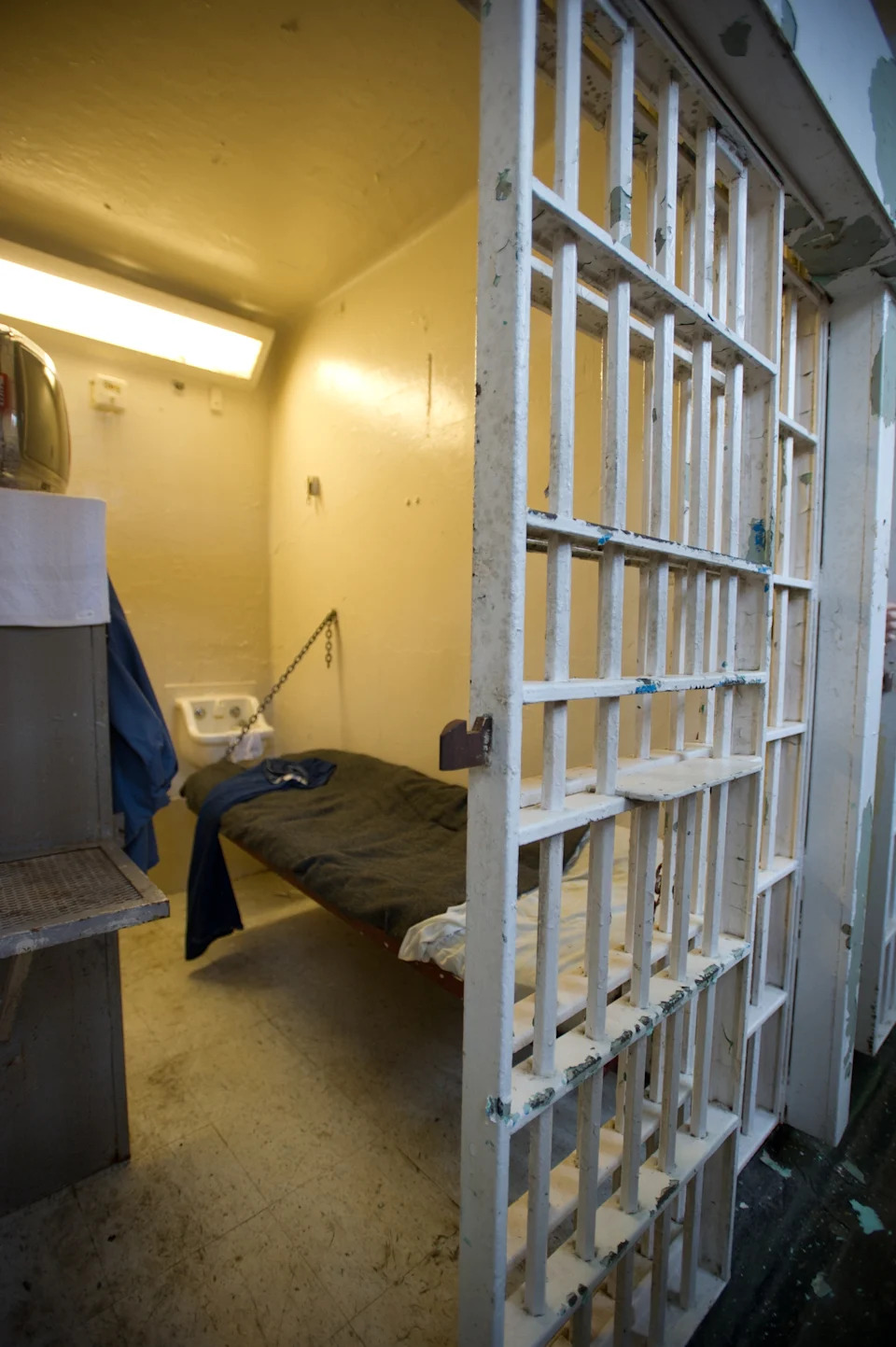
Edwin Remsberg / Getty Images

Connect Images / Getty Images/Connect Images

Mediaphotos / Getty Images/iStockphoto

Klubovy / Getty Images

Steven Puetzer / Getty Images
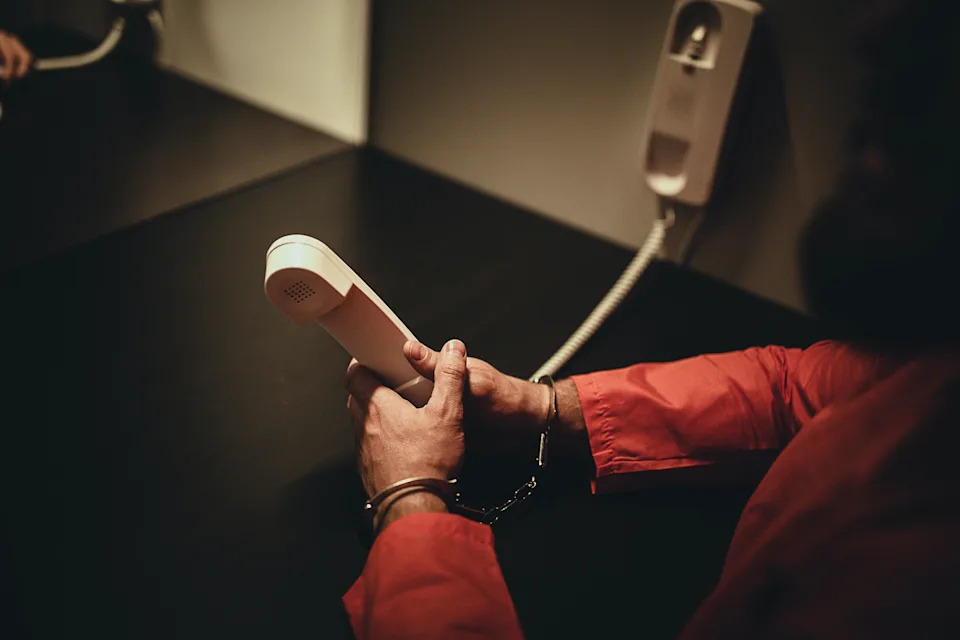
South_agency / Getty Images
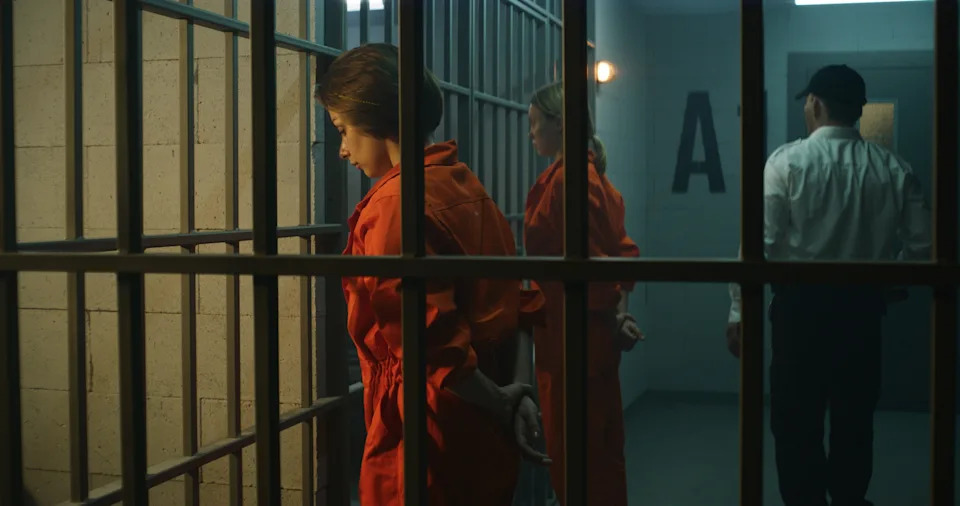
EvgeniyShkolenko / Getty Images
South_agency / Getty Images
Help us improve.