The abrupt cancellation of a USAID contract that supplied sealed post‑exposure prophylaxis (PEP) kits has left many clinics in eastern Democratic Republic of Congo without essential medicines for rape survivors. Data and reporting show a sharp drop in timely access to PEP amid a rise in sexual violence, raising risks of HIV, pregnancy and other infections. International agencies and donors are scrambling to fill gaps, but supplies and services remain insufficient and many survivors continue to face devastating medical and social consequences.
After USAID Cuts, Rape Survivors in Eastern DRC Struggle to Find Life‑Saving Medicine

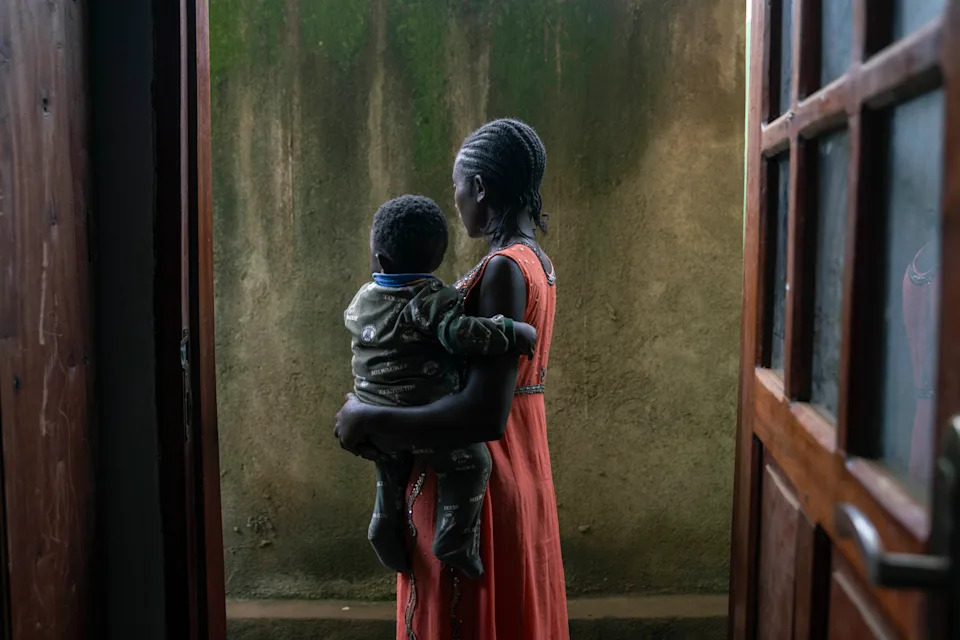
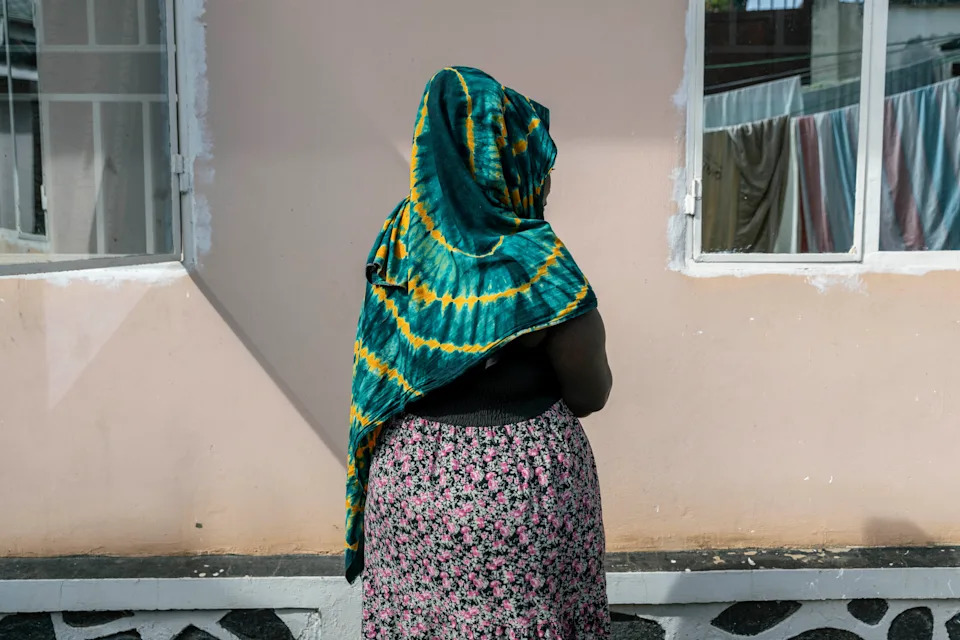
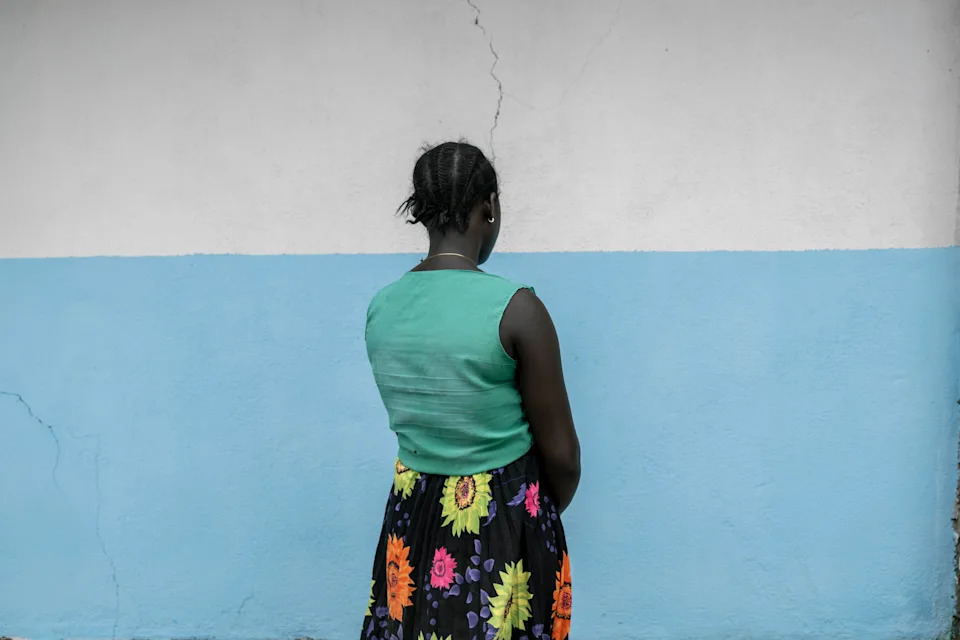
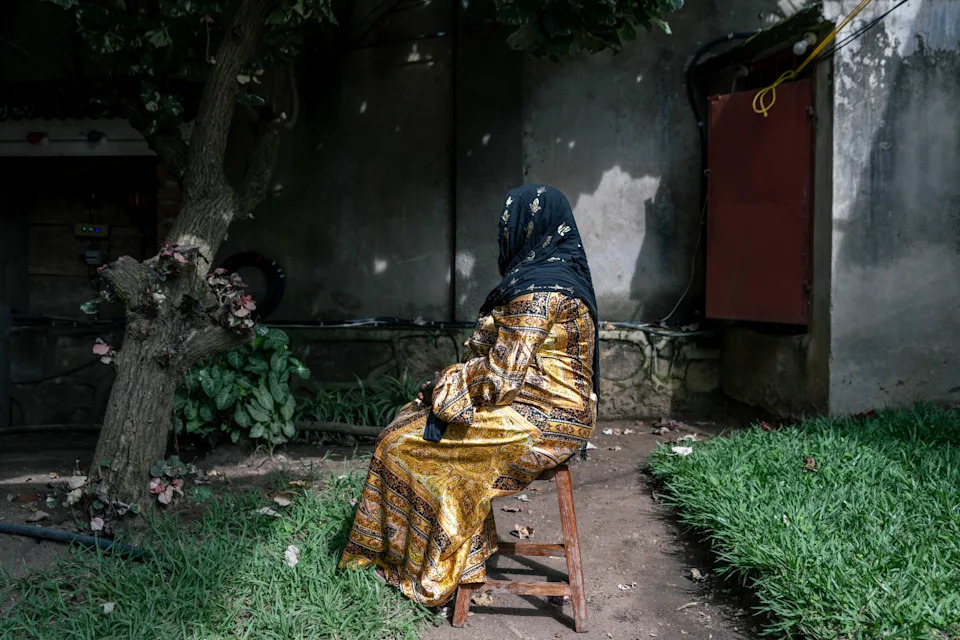
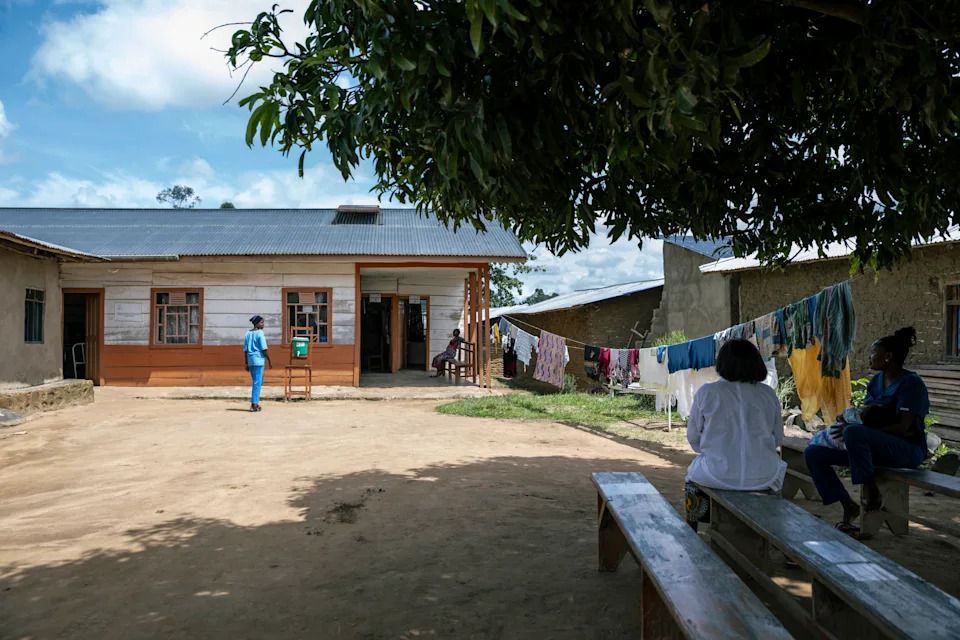
Nadine was a top student in eastern Democratic Republic of Congo. In April, while collecting firewood for her family, she was gang‑raped by four men. She rushed to her local clinic and then to the hospital, only to be told there were no rape kits or the medicines she needed. It took days to raise money for a trip to neighbouring Uganda; by then she was HIV‑positive and pregnant.
Loss of A Critical Safety Net
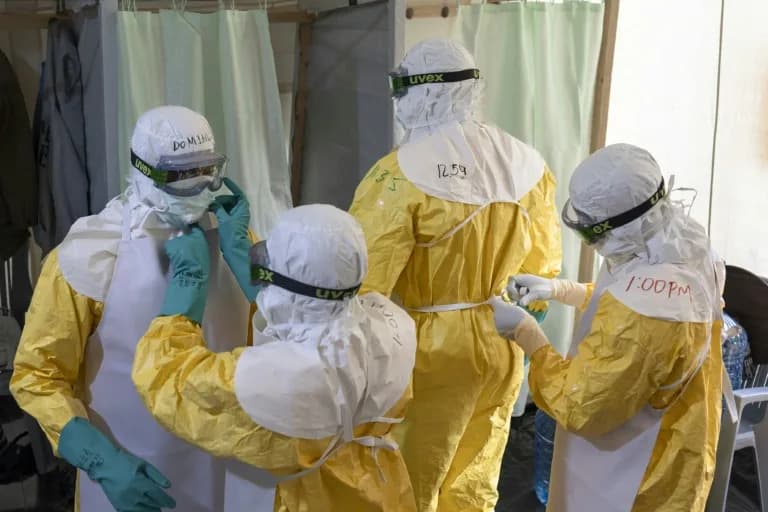
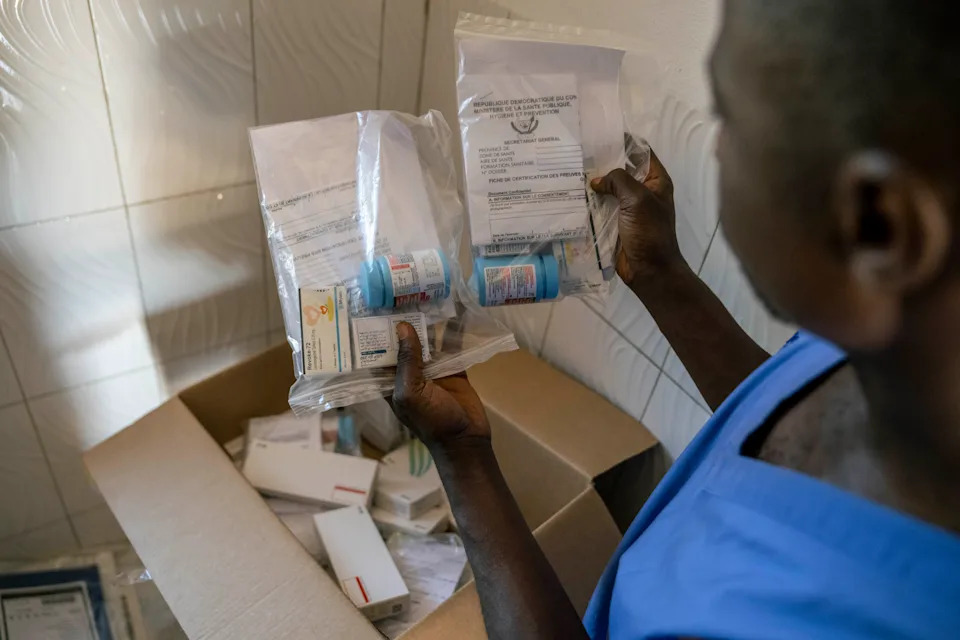
For more than two decades, U.S. humanitarian funding supported a simple but vital message in eastern Congo: if you are raped, seek care within 72 hours to receive a sealed post‑exposure prophylaxis (PEP) kit. These kits include antibiotics to prevent sexually transmitted infections, antiretrovirals to reduce the risk of HIV, a pregnancy test and emergency contraception.
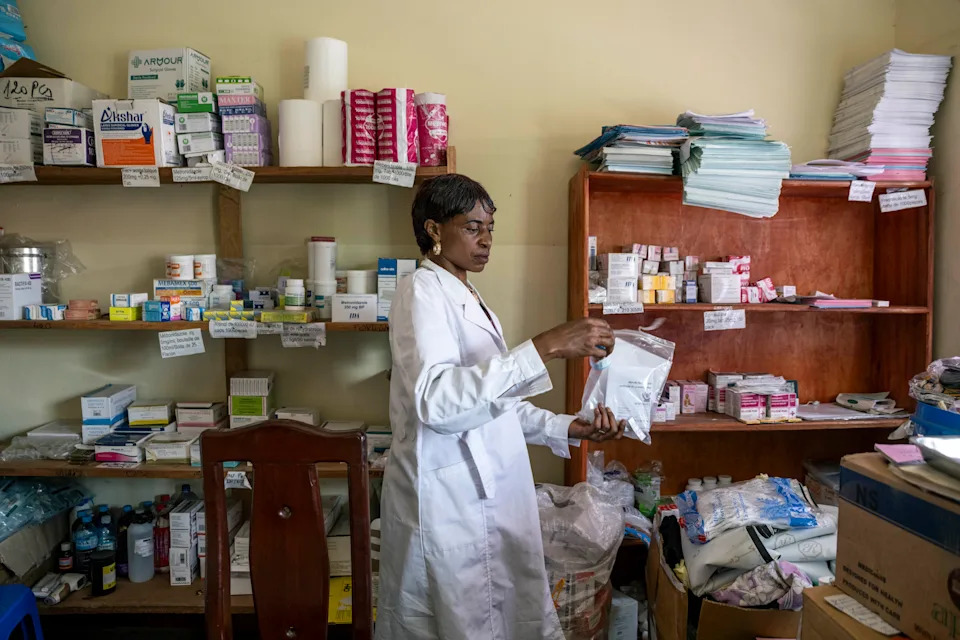
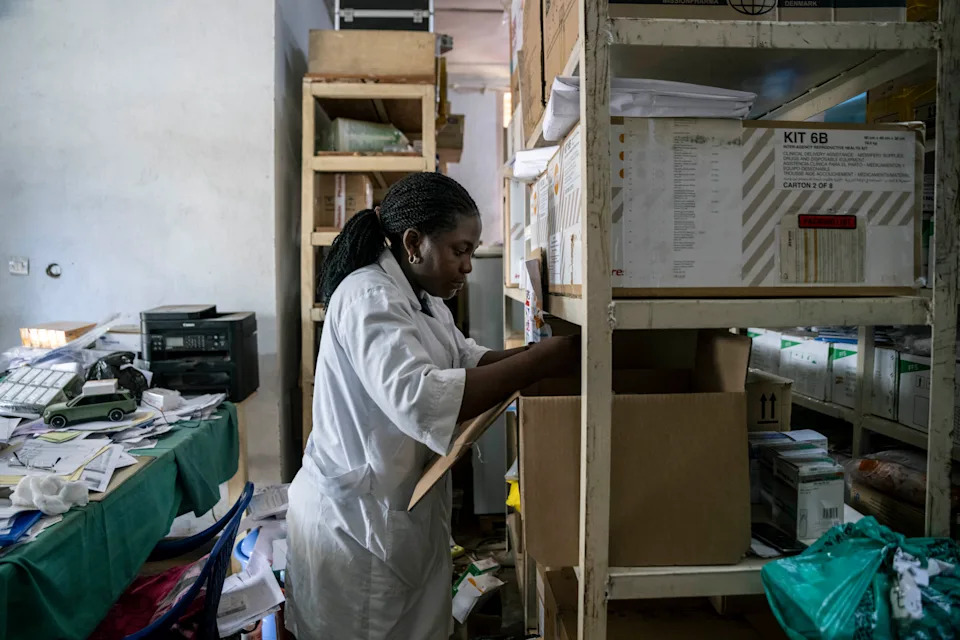
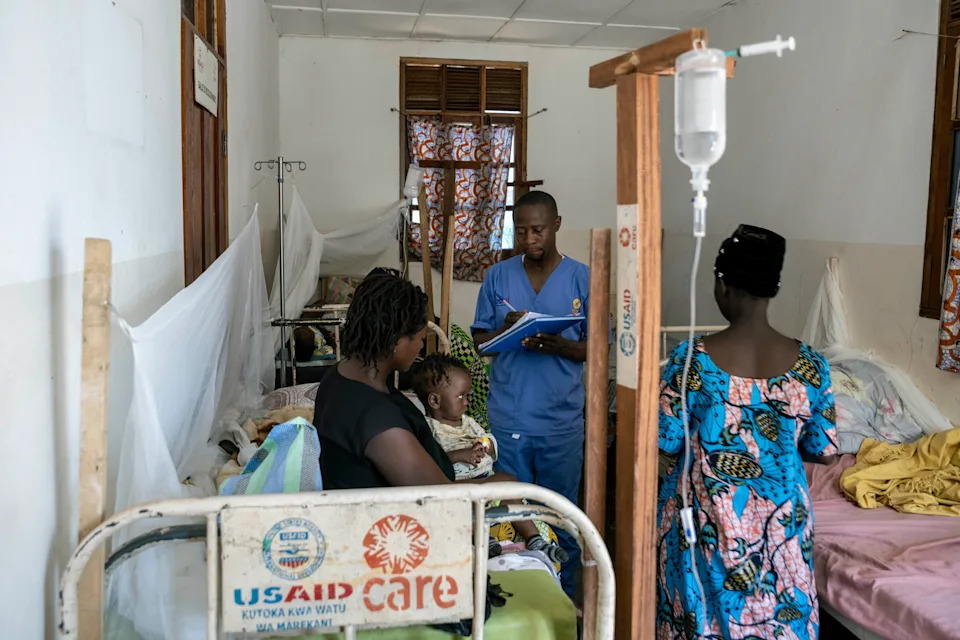
That safety net was abruptly weakened after the U.S. Agency for International Development (USAID) cancelled a contract with Interchurch Medical Assistance (IMA). Though most of the $7.5 million award had been paid, shipping costs were not covered and more than 116,000 PEP kits never reached Congo, aid workers said. The result: widespread stock‑outs at clinics across South Kivu, North Kivu and Ituri.
Evidence of a Rapid Decline
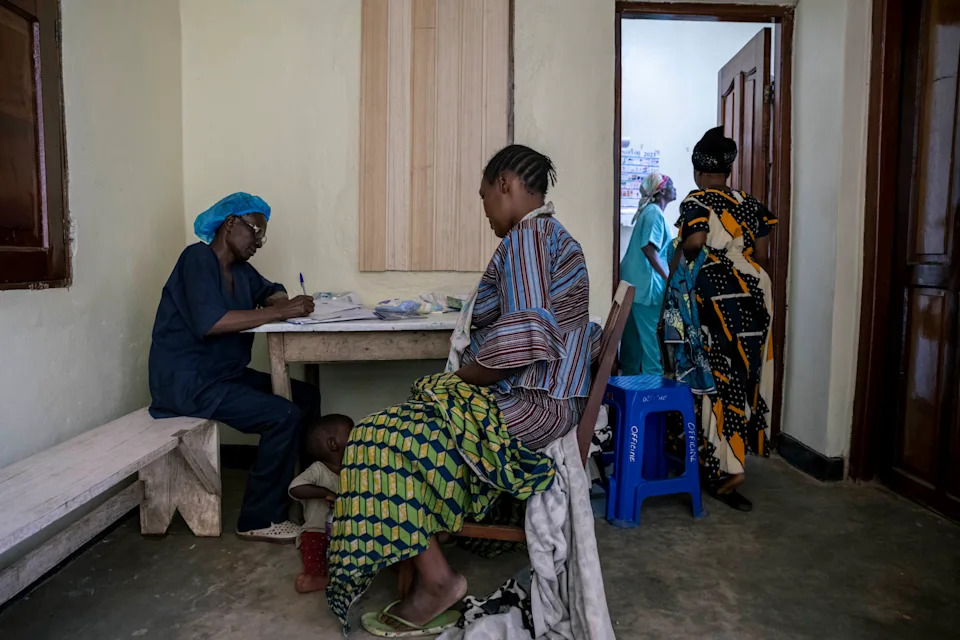
Available data and reporting document a steep drop in timely access to PEP. In Ituri, the Congolese Health Ministry recorded that 96% of women who reached a clinic within 72 hours received needed medication last year; that figure fell to 76% in the first half of this year. A separate UNFPA dataset — which includes additional reporting — shows only 44% were able to obtain medication within 72 hours this year.
In North Kivu, a UNFPA assessment in August found just 845 PEP kits available across 34 health zones, while an estimated 23,000 women were projected to need them through November. CARE reports losing $12 million in U.S. funding and withdrawing support from a dozen clinics; where CARE still operates, only two in five women can access PEP kits, the organization said.
Human Cost
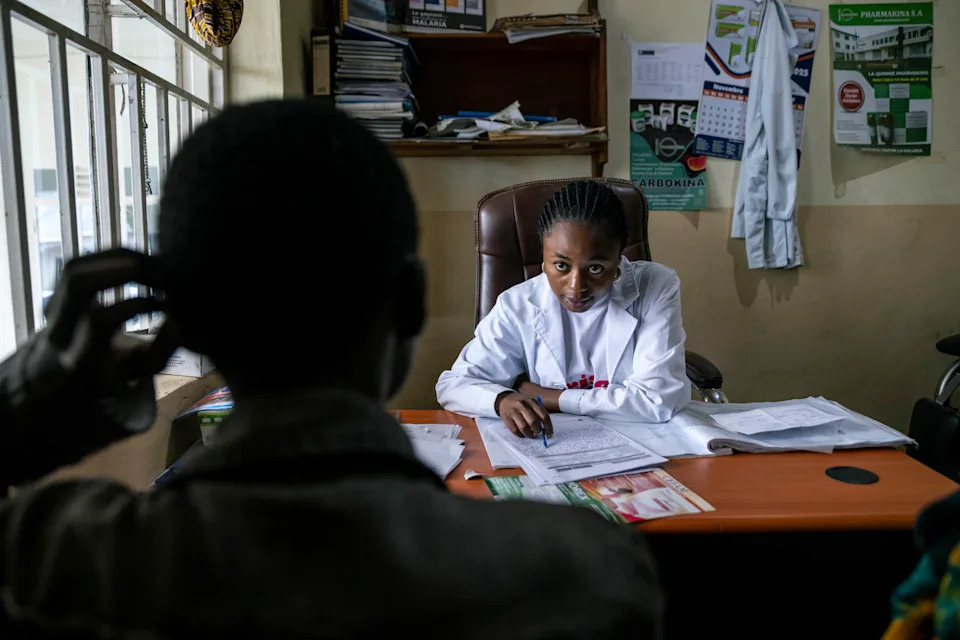
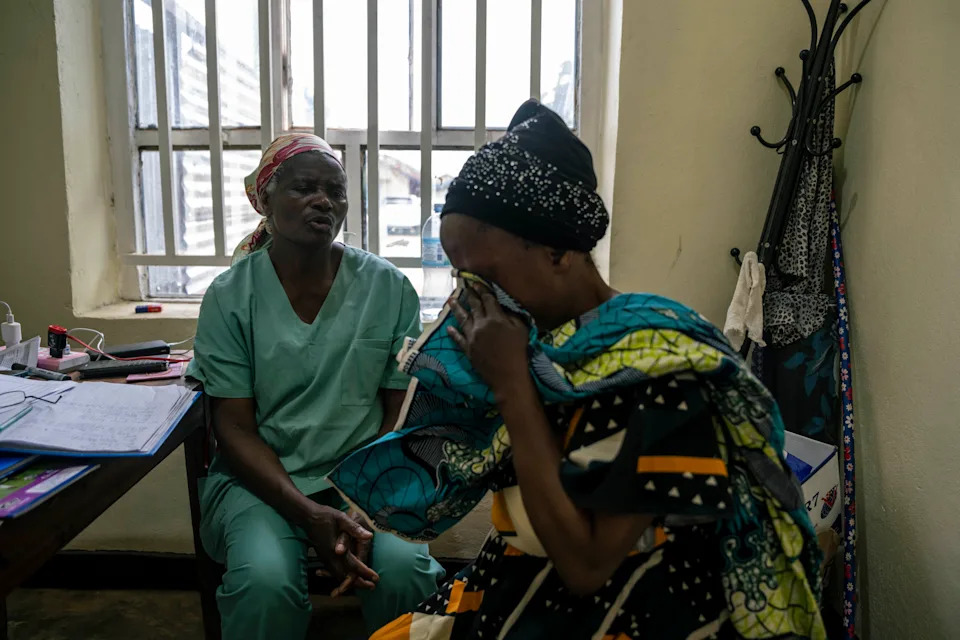
Health workers and survivors described heartbreaking consequences: higher rates of HIV and other sexually transmitted infections, unwanted pregnancies, unsafe abortions, and social ostracism. Among 56,000 survivors tested this year across three eastern provinces, HIV rates rose by more than 50% compared with 2024, according to government records. Clinics also ran out of HIV tests and pediatric PEP kits; some families were told there was nothing clinicians could do for child victims.
“It is unacceptable that survivors in eastern DRC still struggle to obtain something as basic and essential as a PEP kit,” said Dr. Denis Mukwege, founder of Panzi Hospital.
Local Responses and Gaps
Other donors and agencies have tried to fill the gap: UNFPA began bulk shipments in October (partly funded by $12 million from the Congolese government), and a World Bank program plans to deliver 25,000 kits to 25 health zones — far fewer than the IMA program intended to cover. Physicians for Human Rights had a USAID grant cancelled in February that would have helped survivors pursue justice. Aid workers say the suddenness of the U.S. cuts magnified the harm because supply chains and training programs were disrupted without warning.
Official Lines
The White House deputy press secretary said the administration would pursue “an America First Global Health Strategy” and continue making selective agreements. Local health officials, aid workers and survivors uniformly described severe shortages and mounting, immediate needs on the ground.
What Survivors Face
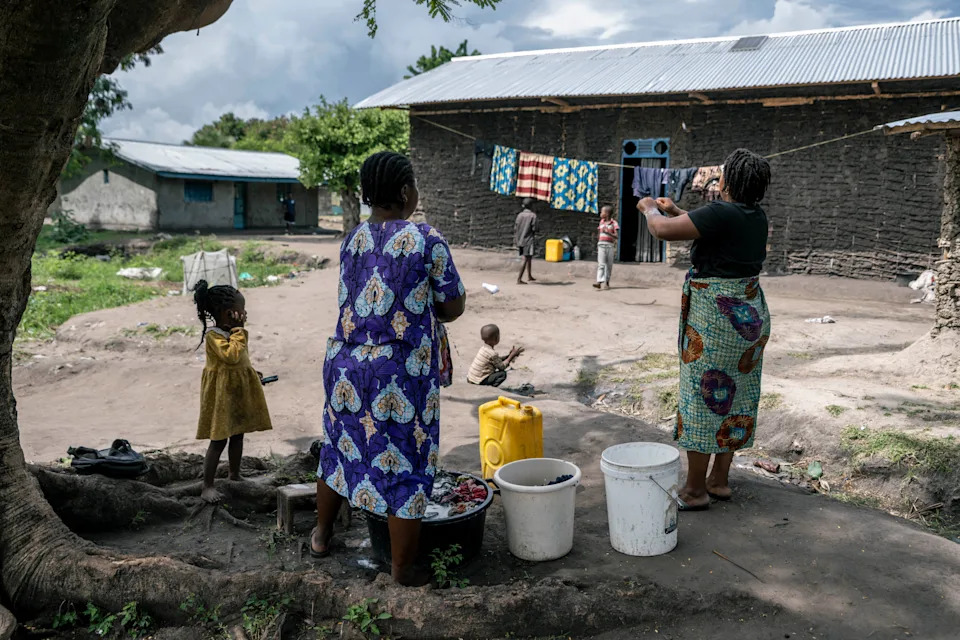
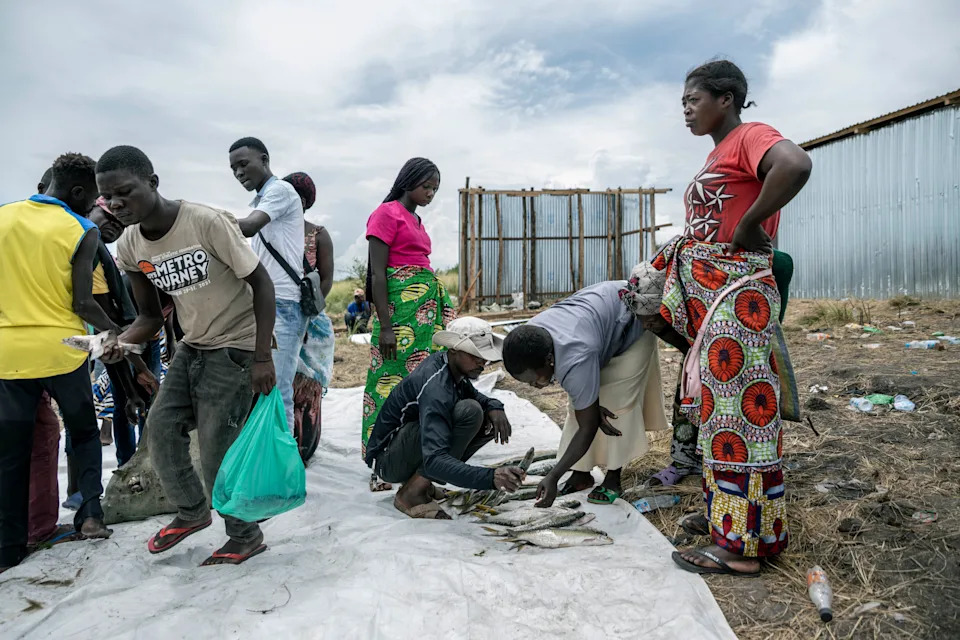
Survivors like Nadine — who dropped out of school, miscarried and now sells food by the roadside — illustrate the long‑term effects. Others recounted being rejected by families, receiving counterfeit medicines when they could afford drugs, or foregoing care entirely because supplies were not available or travel was too dangerous.
Bottom line: The cancellation of a USAID‑backed supply chain has left many clinics in eastern DRC without life‑saving PEP kits at a time when sexual violence has surged. While international partners are attempting to respond, supplies remain inadequate and many survivors continue to face severe medical, social and legal consequences.
Help us improve.