Indonesia replaced its Dutch‑era criminal code on 2 January, prompting legal challenges from activists who say the new laws threaten civil liberties. Key changes include criminalising sexual relations outside marriage and allowing penalties for insulting the president or vice‑president, while a companion procedure law expands police powers. Rights groups warn the reforms risk abuse, corruption and democratic backsliding; the Constitutional Court is now hearing multiple petitions.
Indonesia's New Criminal Code Sparks Rights Challenges, Critics Call It a 'Serious Threat'
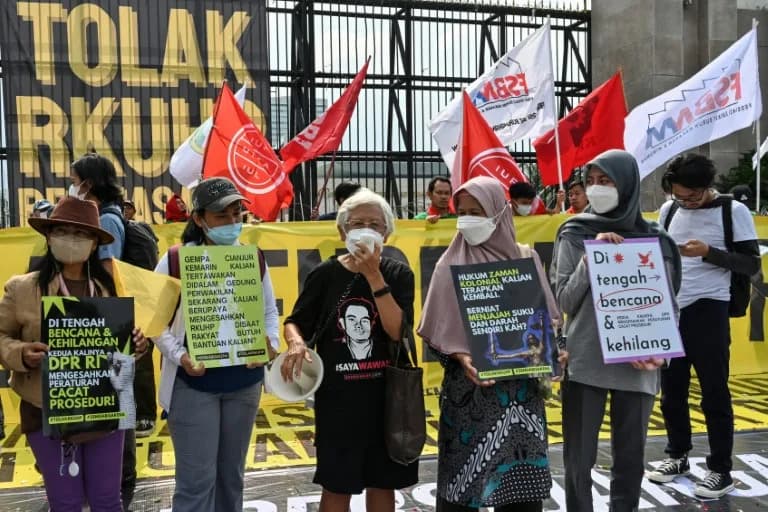
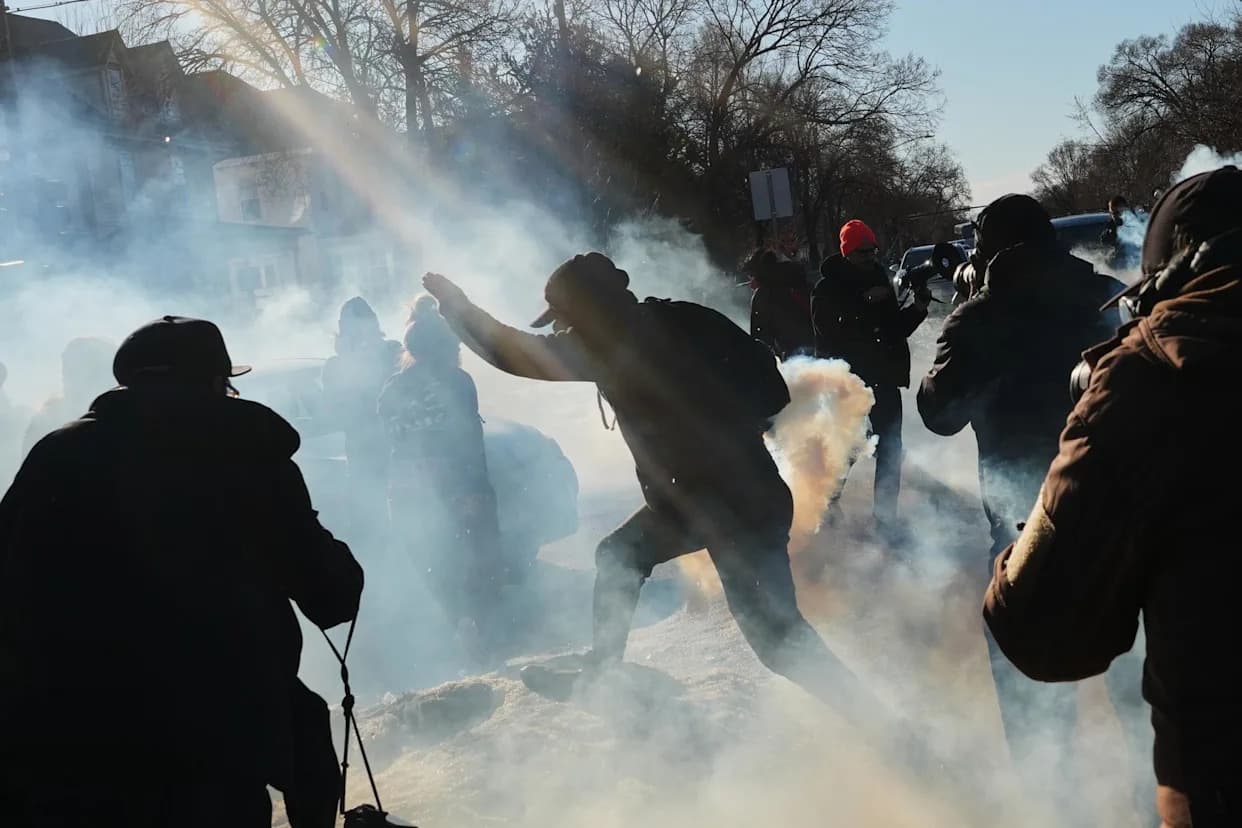
Activists have challenged Indonesia's new criminal code, with critics have said threatens people's rights (ADEK BERRY)(ADEK BERRY/AFP/AFP)
Activists and rights groups are challenging Indonesia's sweeping criminal code overhaul, which critics say criminalises private behaviour and grants law enforcement broad powers with limited judicial oversight.
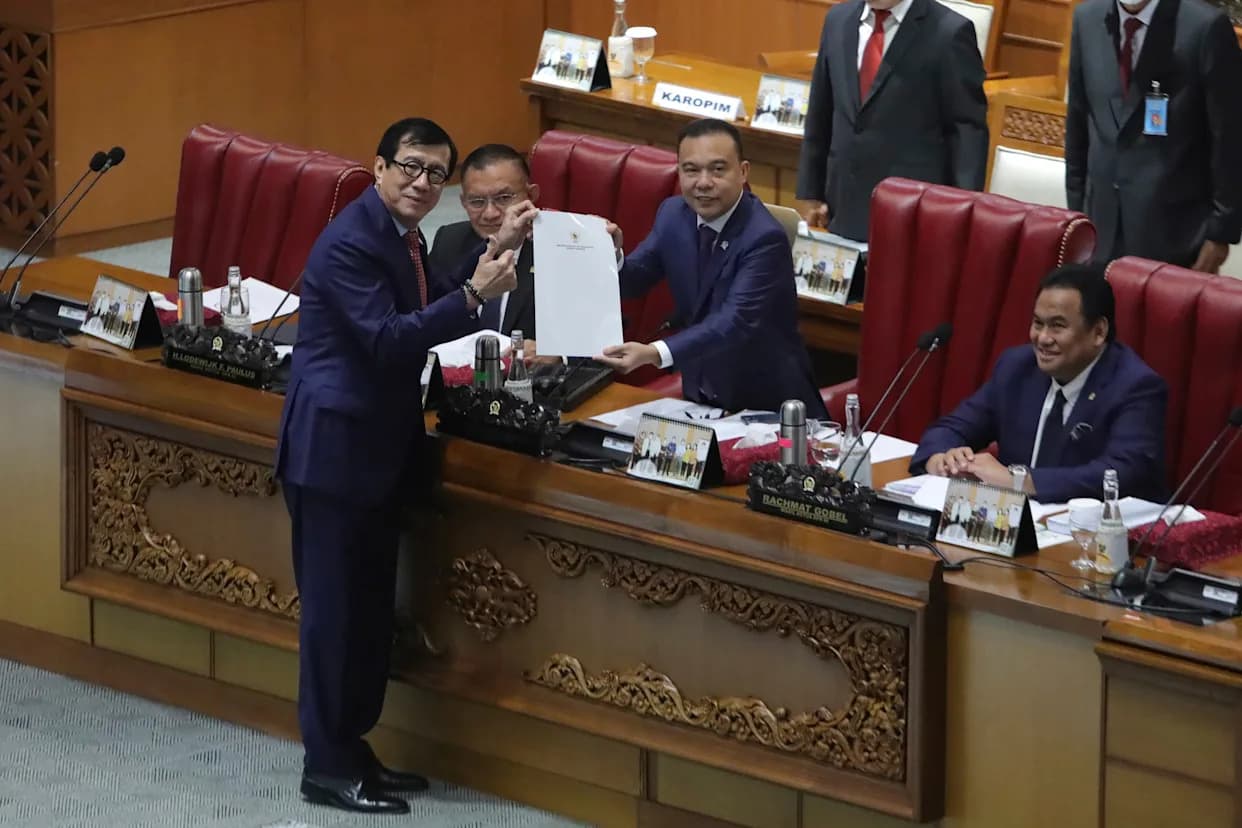
The new penal code, which replaced a Dutch colonial-era criminal code on 2 January, was signed into law three years ago by then‑president Joko Widodo. A separate criminal procedure law ratified by President Prabowo Subianto came into effect the same day. Authorities maintain the reforms include safeguards, but multiple petitions are already before the Constitutional Court.
Main Changes and Contested Provisions
The code criminalises sexual relations outside of marriage with penalties of up to one year in jail and effectively outlaws same‑sex relations where unions are not recognised. Cohabitation by unmarried couples can carry up to six months' imprisonment. To limit prosecutions, the law permits only close family members (a spouse, parent or child) to file complaints in such cases.
Other controversial clauses impose prison terms — up to three years — for insulting or defaming the president or vice‑president, though the code specifies only those officeholders may bring complaints. Critics warn this will chill scrutiny of public officials.
Procedural Changes and Rights Concerns
A companion criminal procedure law sets out enforcement powers and, according to rights groups, grants investigators sweeping discretion. Among the changes: investigators can unilaterally determine what constitutes an 'urgent situation' and may search and seize evidence without a court order in such cases; police also have expanded powers to seize evidence and detain suspects for non‑cooperation during inquiries.
'The new laws represent a serious threat to human rights,' said Usman Hamid, executive director of Amnesty International Indonesia. 'Civil liberties are increasingly threatened by widespread criminalisation, while the rights of suspects and vulnerable groups could be neglected.'
Human Rights Watch researcher Andreas Harsono warned the rules give police far greater authority to arrest and seize evidence. Iftitahsari, a lawyer and researcher at the Institute for Criminal Justice Reform (ICJR), said: 'Granting these extensive powers could create greater space for corruption. When procedures are unfair from the start, abuse and procedural injustice can increase.'
International bodies had earlier flagged concerns: when lawmakers approved the package in 2022, the United Nations office in Indonesia warned some provisions could infringe 'fundamental freedoms and human rights.'
Government Response
Government ministers defend the overhaul as a necessary update to a colonial‑era penal system. Yusril Ihza Mahendra, minister overseeing legal affairs and human rights, described the reforms as a 'historic momentum' for discarding an outdated legal framework. Deputy Law Minister Edward Omar Sharif Hiariej has rejected claims the code aims to restrict expression, distinguishing between 'criticism and insults' and saying the provisions do not prohibit legitimate critique.
President Prabowo said he welcomed critique, telling an audience after the code took effect: 'If I am being corrected, I consider it as I am being helped.'
Outlook
The Constitutional Court has begun hearings on multiple petitions challenging the code. Rights groups, including Amnesty International and local legal advocates, are urging reconsideration or repeal of provisions they say undermine civil liberties and weaken checks and balances. The government says legal safeguards exist and that the changes are meant to modernise Indonesia's criminal law.
mrc/ami/jm — reporting by AFP
Help us improve.