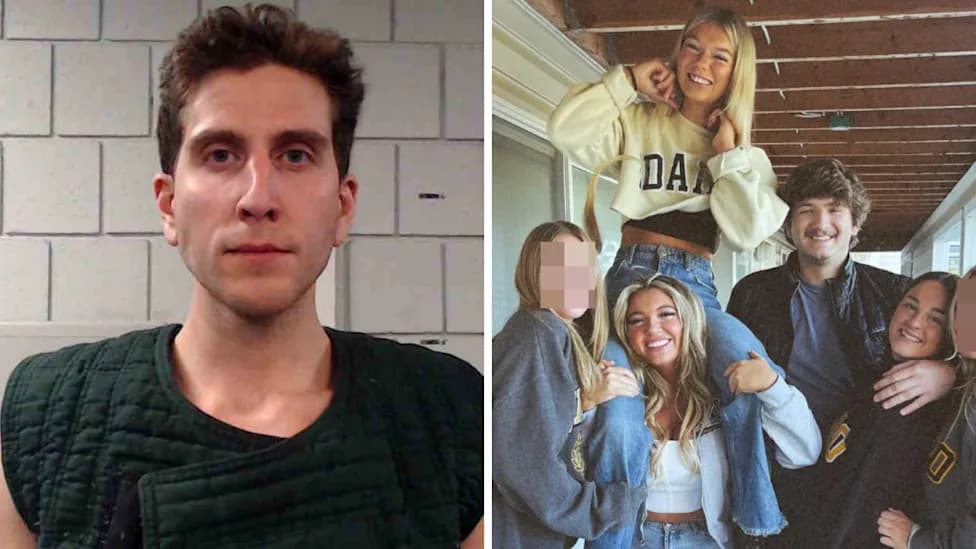
The parents of four University of Idaho students slain on Nov. 13, 2022, have filed a wrongful-death lawsuit against Washington State University, alleging the school ignored at least 13 formal complaints about teaching assistant Bryan Kohberger. The Jan. 7 complaint, filed in Skagit County Superior Court, accuses WSU of gross negligence, wrongful death and Title IX violations and seeks unspecified damages. Kohberger pleaded guilty in July 2025 to four counts of first-degree murder and burglary and was sentenced to four consecutive life terms; the families say the university's alleged failures made the killings foreseeable and preventable.
Families of Slain Idaho Students Sue Washington State University, Say It Ignored 13 Warnings About TA

Idaho murder victims’ families file wrongful death lawsuit against Washington State University
The parents of the four University of Idaho students killed in a November 2022 stabbing have filed a wrongful-death lawsuit against Washington State University (WSU), alleging the school ignored repeated warning signs about teaching assistant Bryan Kohberger.
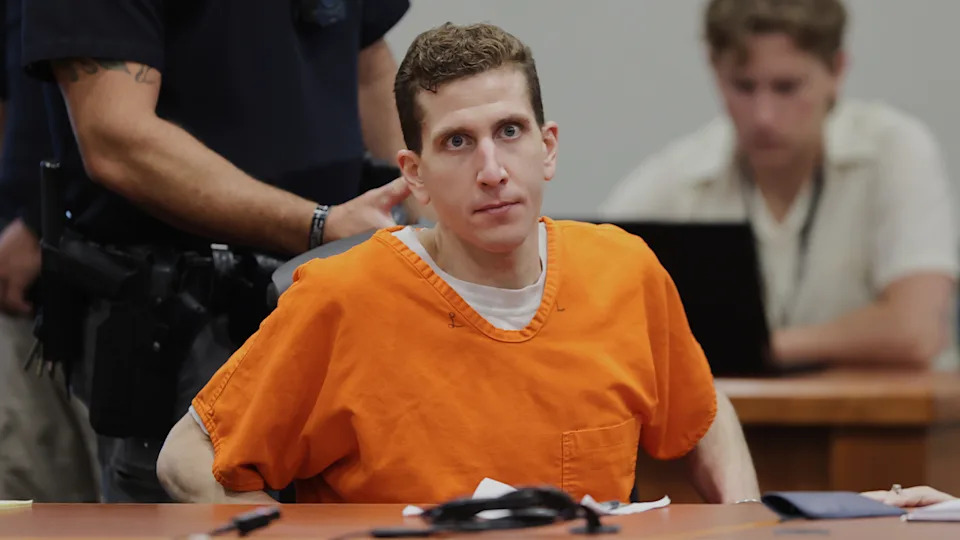
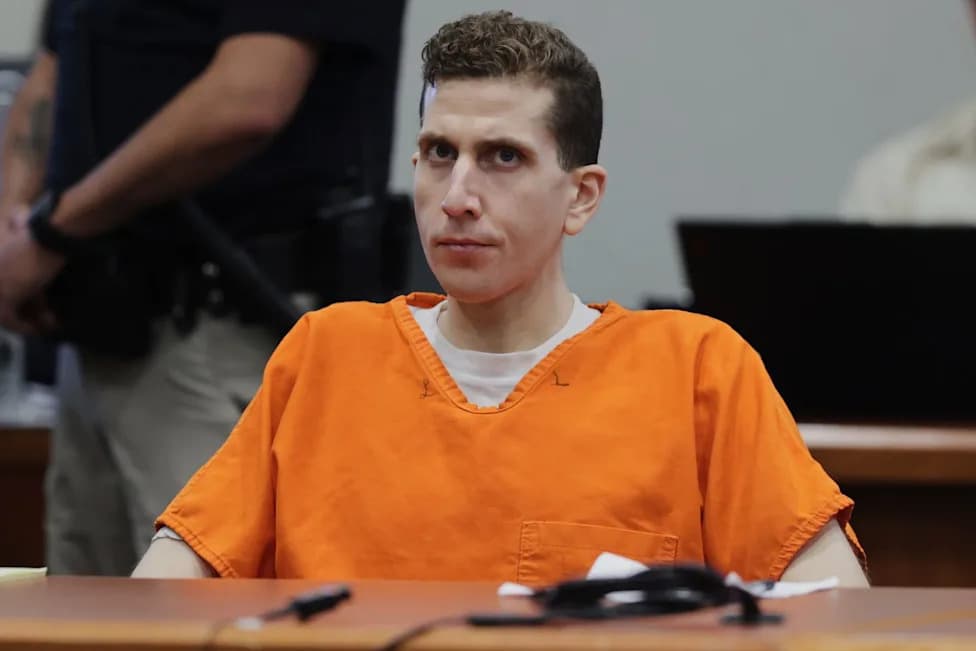
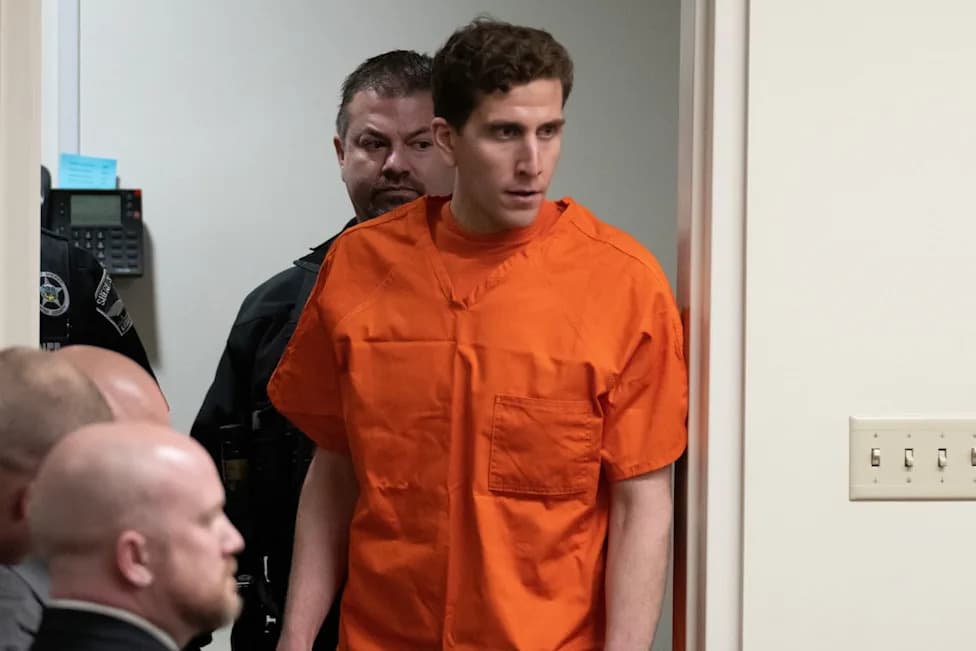
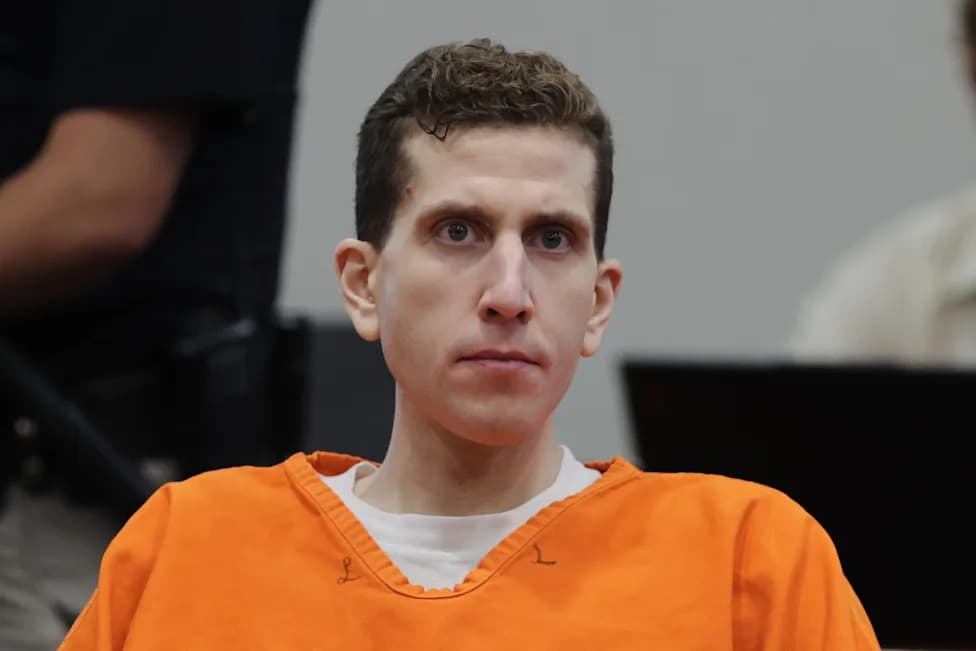
Bryan Kohberger appears at the Ada County Courthouse for his sentencing hearing on July 23, 2025, in Boise, Idaho. Kohberger pleaded guilty in exchange for being spared the death penalty for the stabbing of four University of Idaho.
What the Complaint Alleges
Filed Jan. 7 in Skagit County Superior Court, the civil complaint was brought by Steve Goncalves (father of Kaylee Goncalves), Karen Laramie (mother of Madison Mogen), Jeffrey Kernodle (father of Xana Kernodle) and Stacy Chapin (mother of Ethan Chapin). The suit accuses WSU of gross negligence, wrongful death and violations of federal education laws, including Title IX, and seeks unspecified monetary damages.
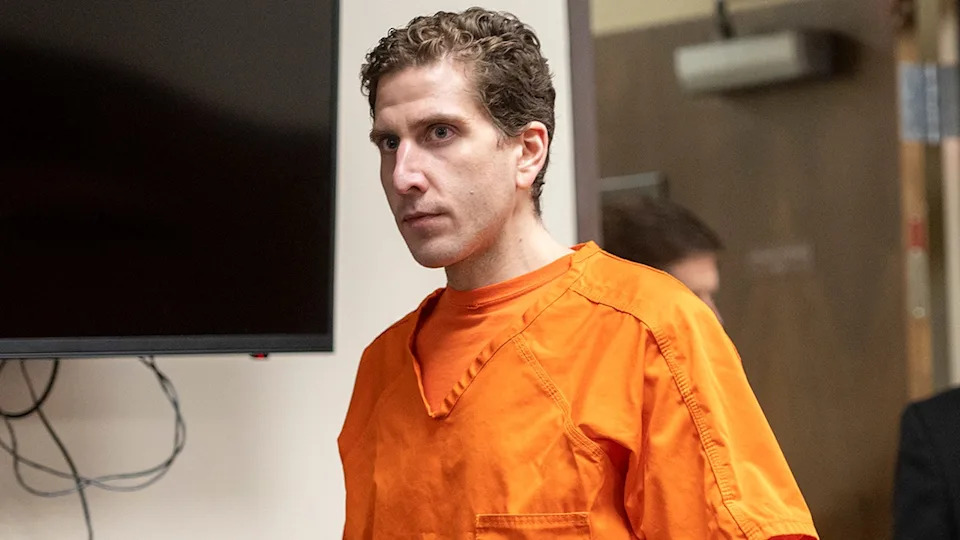
Bryan Kohberger has made numerous complaints about his living conditions in prison, where he will spend the rest of his life.
The families say WSU employed Kohberger as a teaching assistant in its criminal justice and criminology program and provided pay, tuition benefits, health insurance and on-campus housing — giving the university substantial control over his campus life and activities.
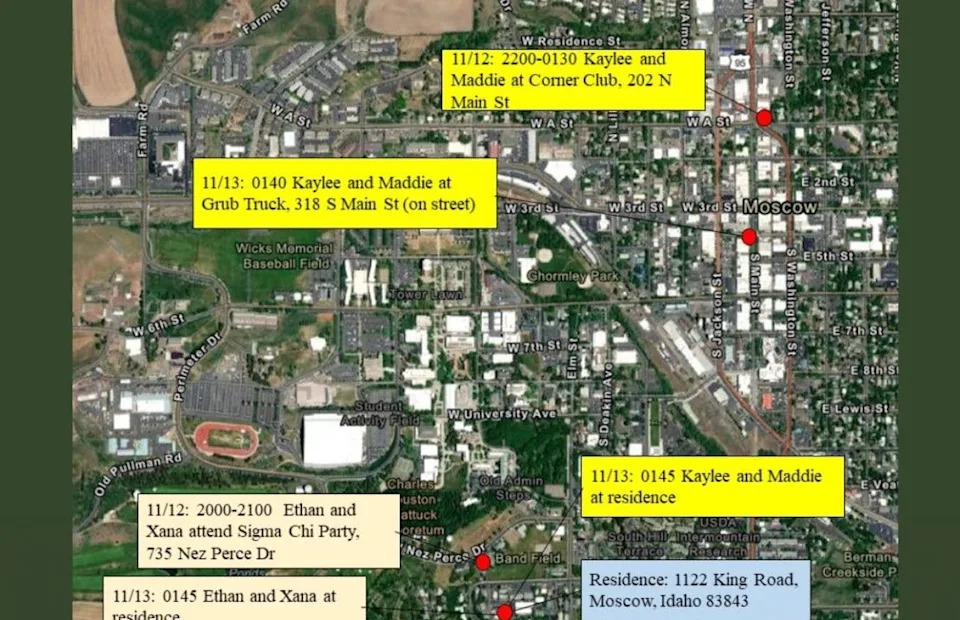
An aerial map released by the Moscow City Police Department Nov. 18 shows the final movements of Ethan Chapin, Madison Mogen, Xana Kernodle and Kaylee Goncalves before they were slaughtered in their home Nov. 13.
Alleged Failures by the University
According to the filing, WSU received at least 13 formal reports during the fall 2022 semester alleging that Kohberger engaged in threatening, stalking, harassing or otherwise predatory behavior toward female students and staff. The complaint contends university officials did not meaningfully investigate those reports, remove Kohberger from campus, or restrict his access to students despite having the authority to act.
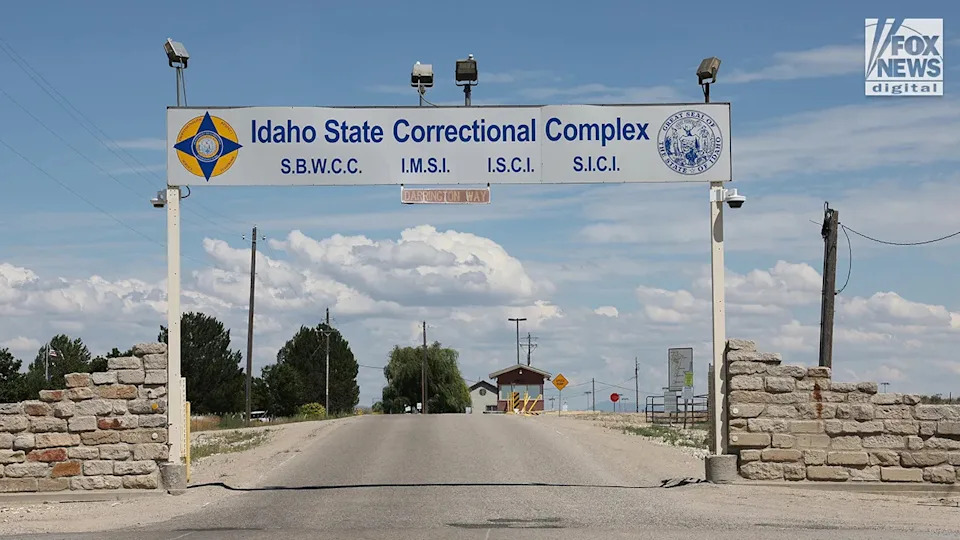
Exterior view of Idaho State Correctional Complex in Kuna, Idaho, Tuesday, July 22, 2025. Bryan Kohberger is being housed at this facility after being sentenced in the murders of four University of Idaho students in 2022.
The plaintiffs also allege WSU failed to use its own threat-assessment systems designed to identify individuals who pose a risk of violence. Instead, they say, the university continued to employ and house Kohberger and allowed him access to the student population even as concerns escalated.
"The murders were foreseeable and preventable," the complaint states, alleging that WSU prioritized avoiding legal and reputational risk over student safety.
Legal Context And Expert Comment
Attorney Robert Clifford, a senior partner at Clifford Law Offices who is not involved in the case, explained that plaintiffs often leave damages unspecified in high-stakes suits to keep the decision about compensation with a jury and avoid sensational headlines. He also noted that the civil burden of proof — a preponderance of the evidence — is lower than the criminal standard, which can make civil liability easier to establish even after a criminal conviction or guilty plea.
Criminal Case And Investigation
Kohberger pleaded guilty in July 2025 to four counts of first-degree murder and burglary and was sentenced to four consecutive life terms without the possibility of parole. Prosecutors say he stabbed the students in the early morning hours of Nov. 13, 2022, inside an off-campus rental home in Moscow, Idaho, just miles from WSU's Pullman campus. Kohberger was arrested in Pennsylvania in December 2022 after a multi-state investigation that tied him to the killings through DNA evidence, surveillance video and cellphone location data.
WSU has not yet publicly filed a response to the lawsuit. The litigation will proceed through Skagit County Superior Court, where the families are represented by counsel in the Jan. 7 filing.
What Comes Next
The complaint sets the stage for a civil proceeding that will explore what university officials knew, when they knew it, and whether institutional policies or failures contributed to the tragedy. If the case goes forward, discovery and depositions could produce internal university records and witness testimony that clarify WSU's response to the earlier complaints about Kohberger.
Help us improve.