
Overview: Todd Kendhammer was convicted of killing his wife, Barbara, after she suffered fatal head and neck injuries in a 2016 incident involving a pipe and the couple’s windshield. New counsel presented previously unseen pipe-test footage and fresh forensic testimony at an evidentiary hearing, arguing the original defense was ineffective and that the evidence could support an accidental pipe strike. The prosecution maintains the medical findings and timeline support homicide, and a judge must now decide whether to grant a new trial. Experts remain divided.
Widower Seeks Retrial After Controversial Pipe-Through-Windshield Death; New Evidence Shakes Case

On the morning of September 16, 2016, Todd Kendhammer called 911 reporting he and his wife, Barbara, had been in a car accident on a rural road near La Crosse, Wisconsin. / Credit: Kendhammer family
Todd Kendhammer, convicted in 2017 of murdering his wife, Barbara, after she was fatally injured in a 2016 incident involving a pipe and their car windshield, now has new lawyers asking a judge to order a retrial. The defense presented previously unseen pipe-test footage and fresh forensic opinions at an evidentiary hearing that conflict with the original prosecution case.
Background
On the morning of Sept. 16, 2016, Barbara Kendhammer, 46, was critically injured while riding in a car driven by her husband, Todd, near La Crosse, Wisconsin. Todd called 911 at about 8:05 a.m., reporting that something — first a bird, then a pipe — had struck the windshield and seriously injured Barbara. She was rushed to the hospital, pronounced brain-dead, and later died. The family elected to donate her organs.
Investigation And Arrest
Police found suspicious signs at the scene: Todd had blood-soaked clothing and bloodied knuckles, and both he and Barbara showed scratches. The medical examiner reported skull fractures and a fractured cricoid cartilage in Barbara's neck. Investigators could not locate the passing truck Todd described, and surveillance footage showed the Kendhammers' car passing a nearby ranch road at about 7:57 a.m. but no truck traveling the opposite way. Todd gave varying accounts of where he was headed that morning — first saying he was driving Barbara to work, then claiming he planned to pick up or install a windshield for acquaintances — and investigators found inconsistencies in those statements.
Trial And Conviction
In December 2017 a jury convicted Todd Kendhammer of first-degree intentional homicide. Prosecutors argued the injuries and the pattern of evidence were inconsistent with a pipe accidentally entering the car and that the cricoid fracture and other wounds were consistent with strangulation and an assault. The jury deliberated roughly nine hours before returning a guilty verdict; the judge imposed an automatic life sentence with parole eligibility set at 30 years.
Prosecutor Tim Gruenke: "The injuries to Barb were very inconsistent with a pipe of that size and weight coming through the windshield."
Evidence Disputed
The defense at trial presented a glass expert who interpreted the windshield fracture patterns differently from the state's expert, but Todd's original defense did not call an independent forensic pathologist to counter the medical examiner's conclusions. After exhausting appeals, Todd’s family retained defense attorneys Jerry Buting and Kathleen Stilling, who obtained an evidentiary hearing to present new evidence the original jury never saw.
New Hearing: Experts And Tests
At the evidentiary hearing the defense called Dr. Shaku Teas, a forensic pathologist, who reviewed the autopsy photos and medical records and testified she did not find clear evidence of a beating or definitive signs of manual strangulation. Dr. Teas suggested the fractured cricoid could plausibly have been caused by a heavy travel mug or by forces consistent with a chaotic automobile incident, and noted some postmortem changes could result from organ-recovery procedures.
The defense also presented Dr. Geoffrey Loftus, an expert on traumatic memory, who testified that high-stress, attention-grabbing events can impair or alter short-term recollection and produce inconsistent statements — an explanation offered for Todd’s changing accounts to police. Independent forensic reviewer Dr. Lindsey Thomas told reporters she found the original autopsy well done but agreed the cricoid fracture was atypical for classic manual strangulation and that the medical evidence alone did not definitively resolve accident versus homicide.
Crucially, the defense revealed previously unseen experiment footage from investigators who had tested whether a long pipe dropped from a truck could bounce and reach windshield height. At the hearing those clips, plus comparative incidents from other states showing pipes penetrating vehicles, were shown to the judge; the defense argues they demonstrate the pipe scenario is physically plausible.
Prosecution Response
Prosecutors challenged the defense experts' conclusions and maintained the totality of the original evidence — injuries, timeline, scene observations and Todd’s inconsistent statements — supported the conclusion that the incident was staged. Prosecutor Tim Gruenke told the court he remained confident in the conviction.
Family, Jury And The Pending Decision
Todd and Barbara’s children, Jessica and Jordan, continue to publicly support their father and pressed for the new hearing. Some jurors from the original trial say they still believe the verdict was correct. A judge now must decide whether the new evidence demonstrates ineffective assistance of counsel or otherwise justifies a new trial.
The case remains divisive: experts disagree about key injuries, the physics of the pipe event, and whether omissions at trial altered the jury’s ability to weigh competing theories. For now, Todd Kendhammer remains incarcerated while the court weighs whether the trial should be retried.
Key Dates And Facts
- Incident: Sept. 16, 2016
- Pipe Reported By Todd: ~8:05 a.m. (911 call)
- Surveillance: Kendhammers’ car seen at ~7:57 a.m.
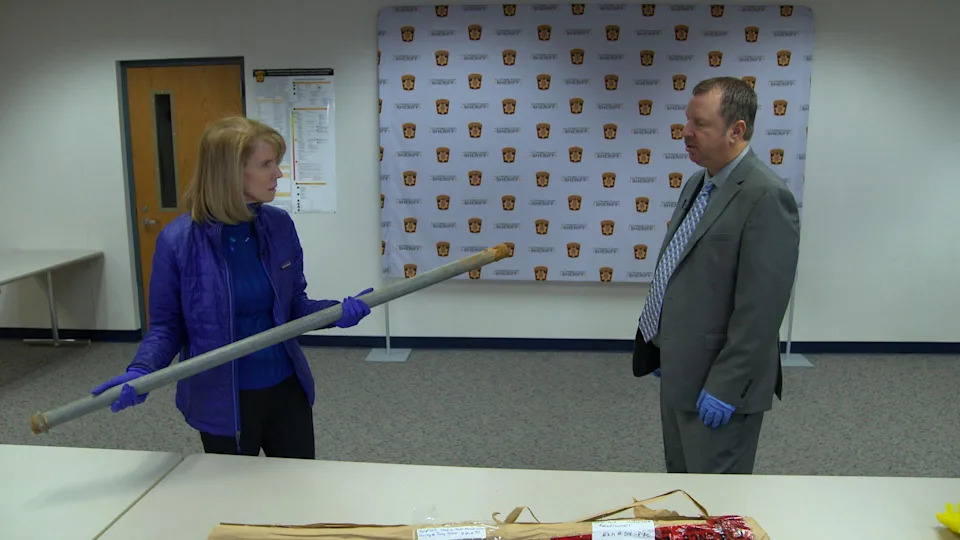
- Pipe Size Referred By Prosecutors: ~53 inches, ~10 pounds
- Conviction: December 2017; Life sentence with parole eligibility after 30 years
Note: This article summarizes contested findings from trial testimony, autopsy reports and an evidentiary hearing; multiple forensic experts have offered differing interpretations.
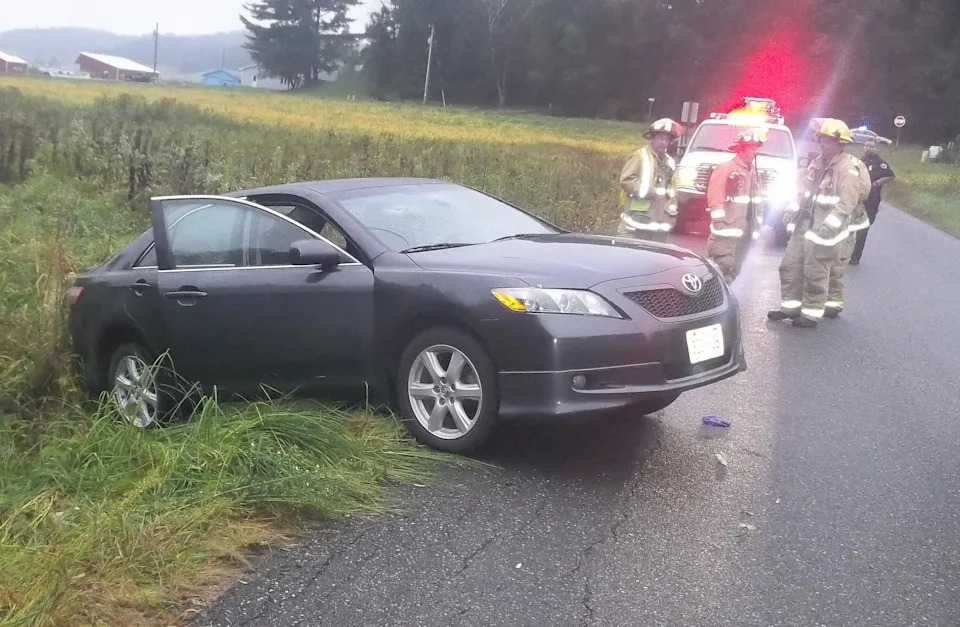
Todd Kendhammer said Barbara was in the passenger seat when a metal pipe smashed through the front windshield of their car. Todd said he removed the pipe in order to take Barbara out of the car and administer CPR. / Credit: La Crosse County Sheriff's Office

Todd and Barbara Kendhammer, left, with their children Jessica and Jordan.
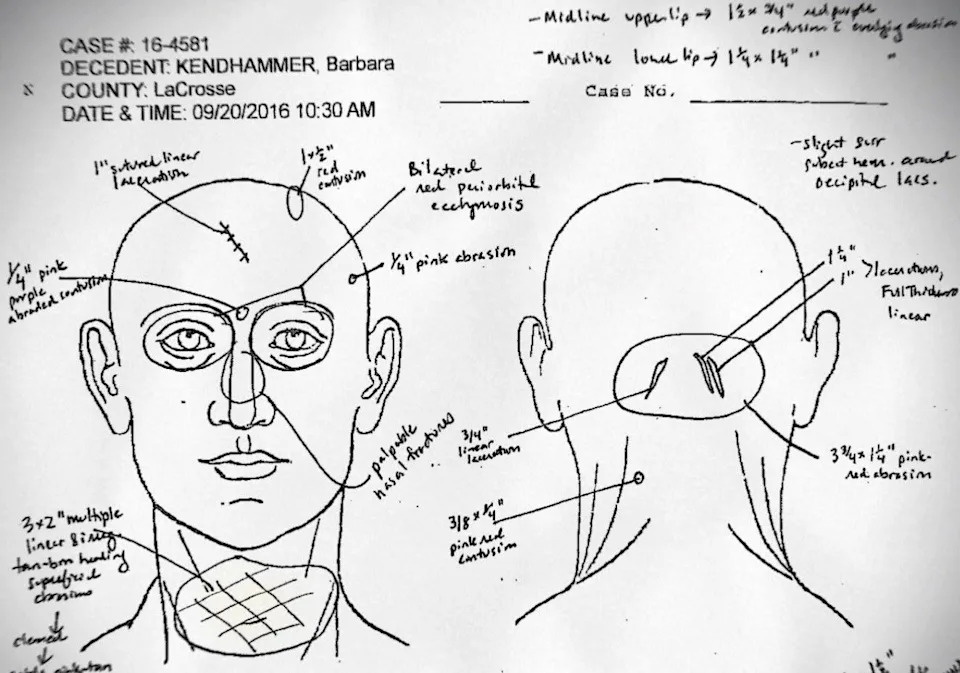
The medical examiner concluded that Barbara died of
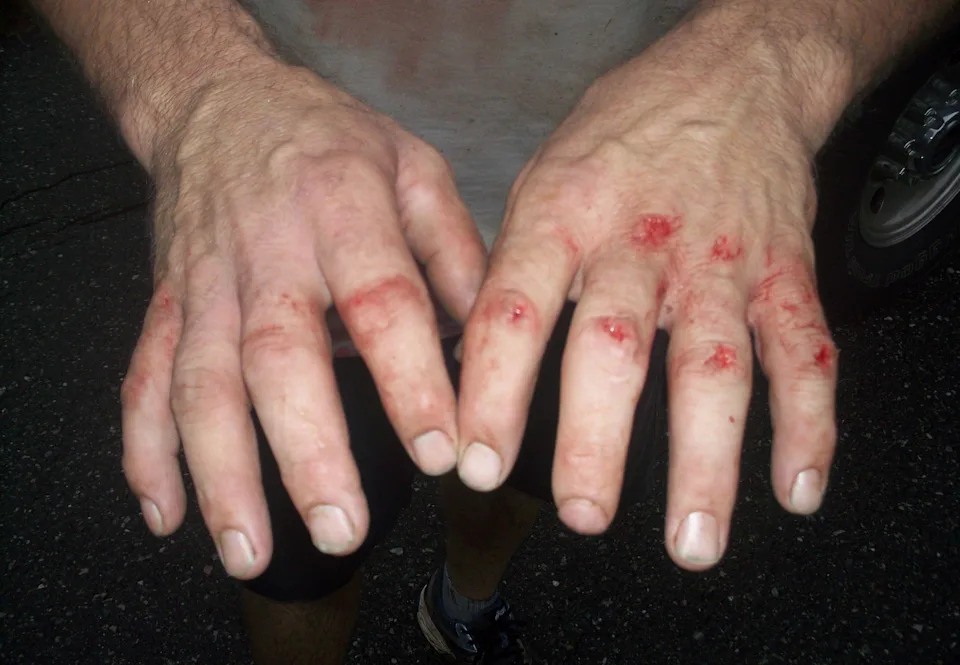
Photos taken of Todd Kendhammer after the incident show injuries on his hands and scratches on his neck and chest. / Credit: La Crosse County Sheriff's Office
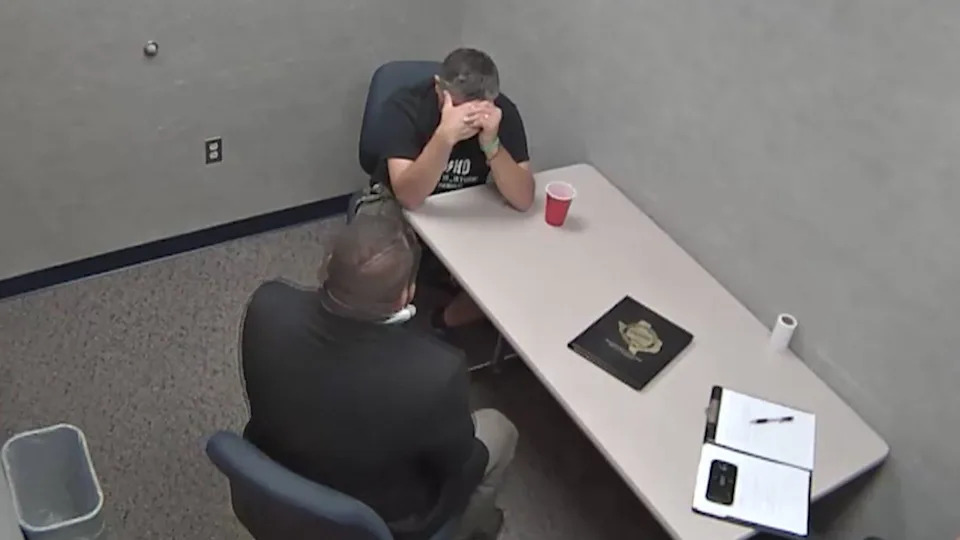
As investigators began to question Todd Kendhammer, he appeared confused and forgetful of details. / Credit: La Crosse County Sheriff's Office
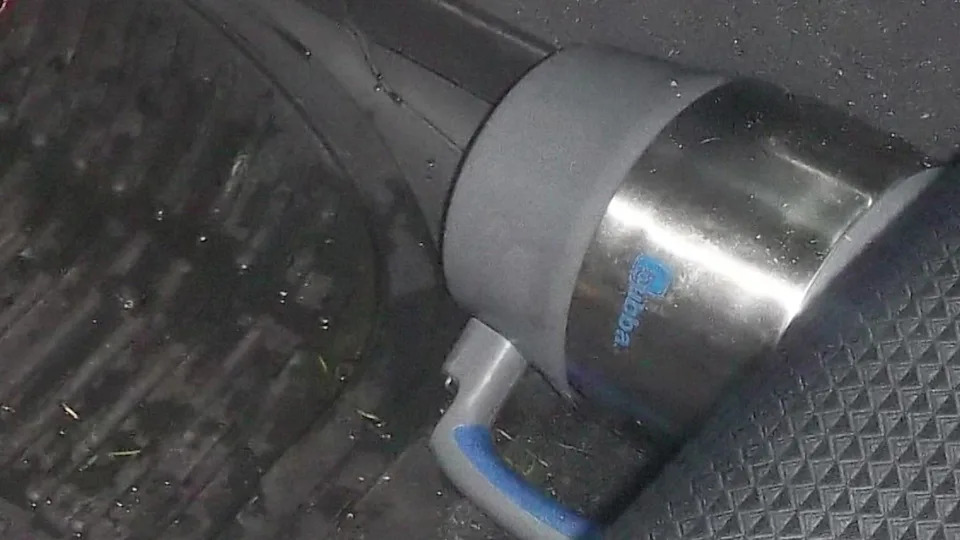
Barbara Kendhammer's large travel mug was found on the floor of the passenger seat at the scene. Todd Kendhammer's defense attorney asked Dr. McCubbin if the mug could have slammed into her face if she ducked to avoid the pipe and caused some of the injuries. Dr. McCubbin's response was,
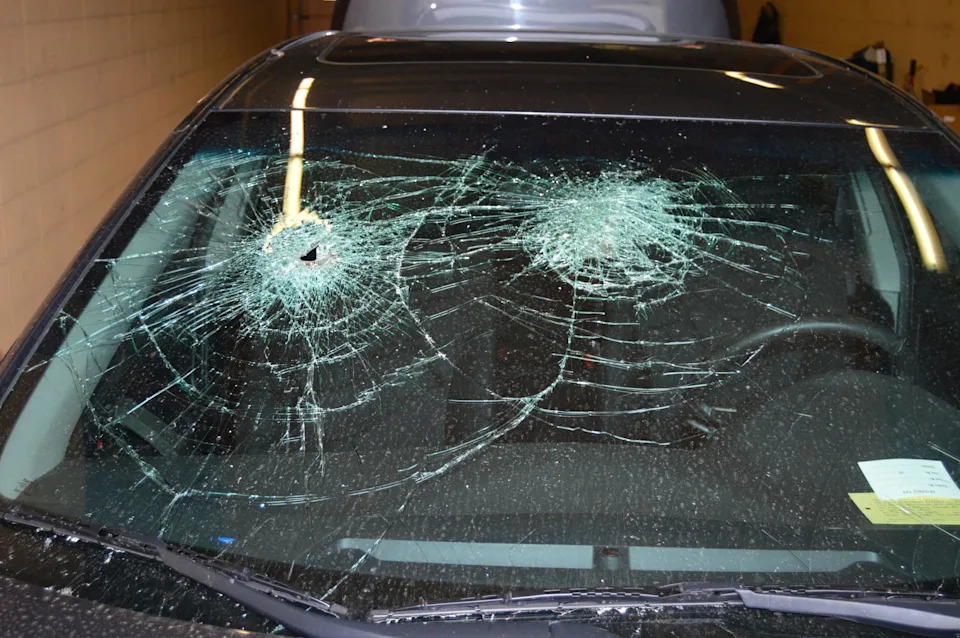
The source of the windshield fractures was a highly disputed topic during Todd Kendhammer's trial. / Credit: La Crosse County Sheriff's Office
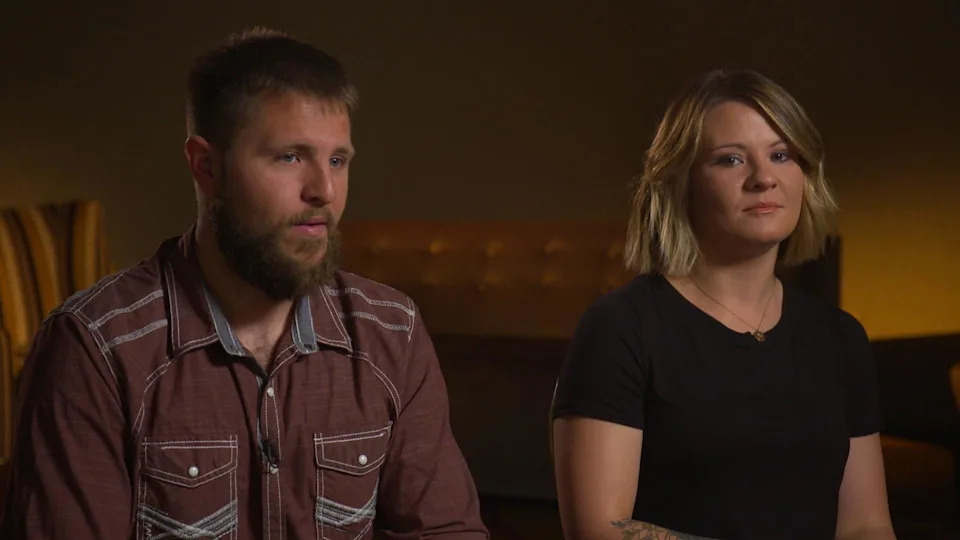
Todd Kendhammer's children Jordan and Jessica stand by him.
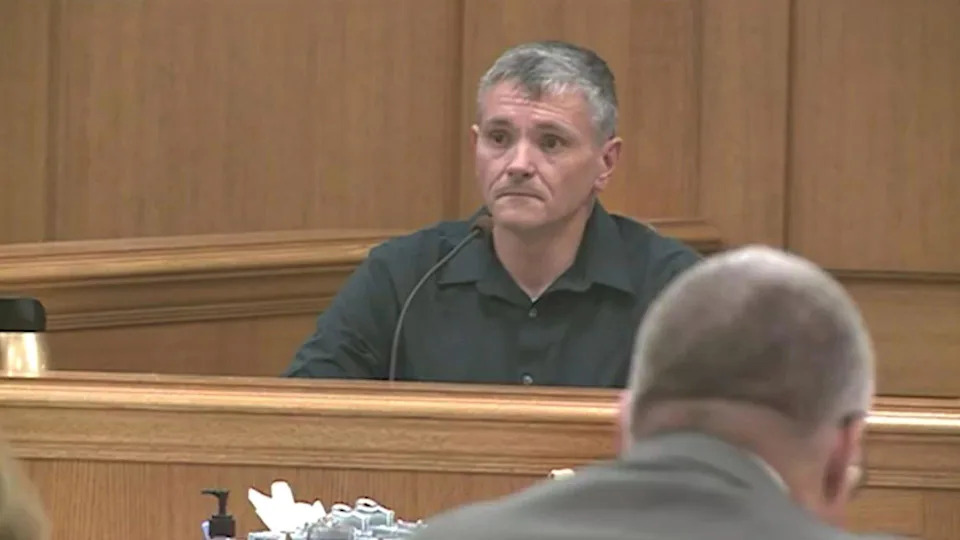
Todd Kendhammer made the unusual decision to testify in his own defense. He told the jury he was distraught during his interview with police, when he told those different stories of where they were going that morning. / Credit: WKBT
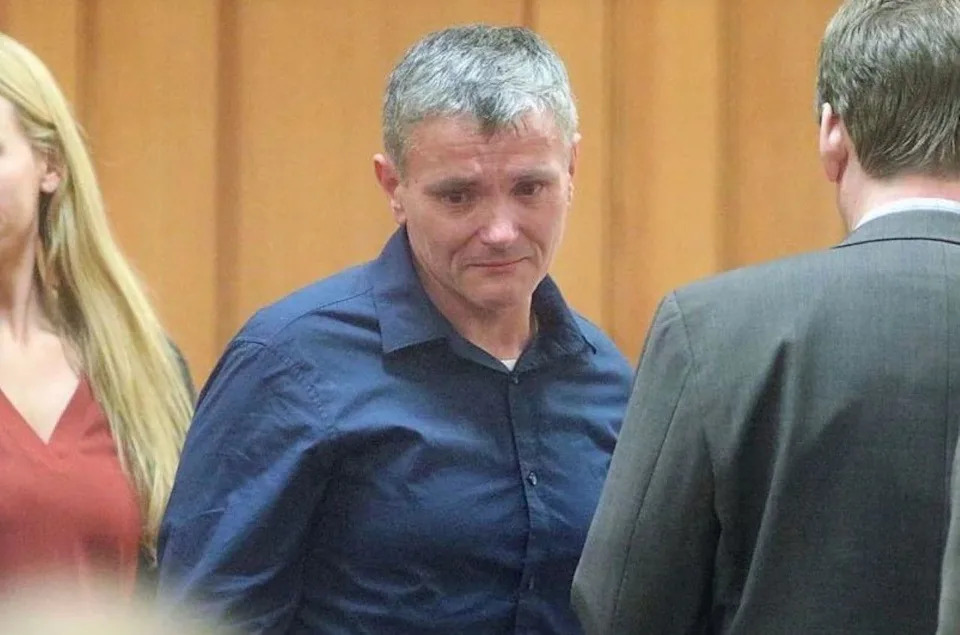
Todd Kendhammer was found guilty of first-degree intentional homicide on December 15, 2017. He was sentenced to life in prison and is eligible for parole after 30 years. / Credit: © LaCrosse Tribune
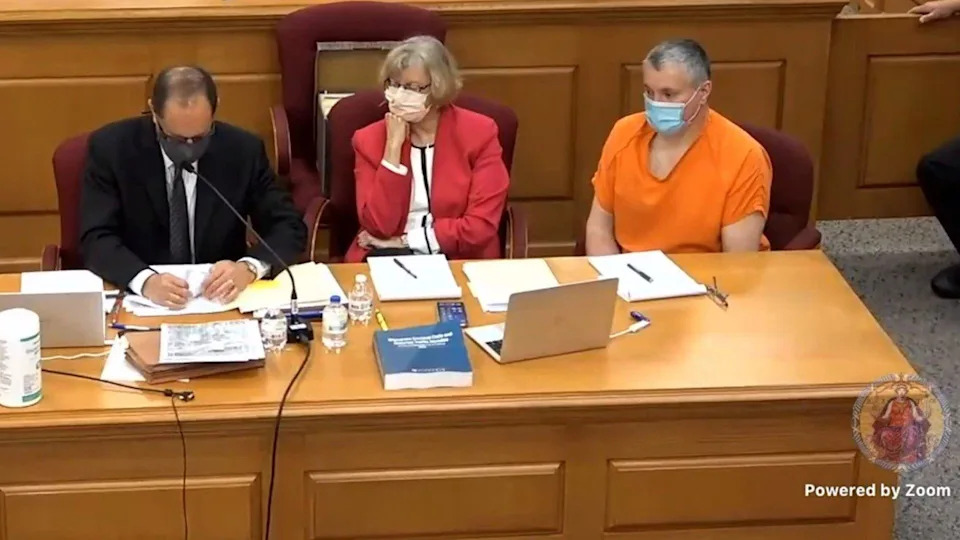
In August 2021, defense attorneys Jerry Buting and Kathleen Stilling brought in experts during Todd Kendhammer's evidentiary hearing. / Credit: Zoom recording of evidentiary hearing
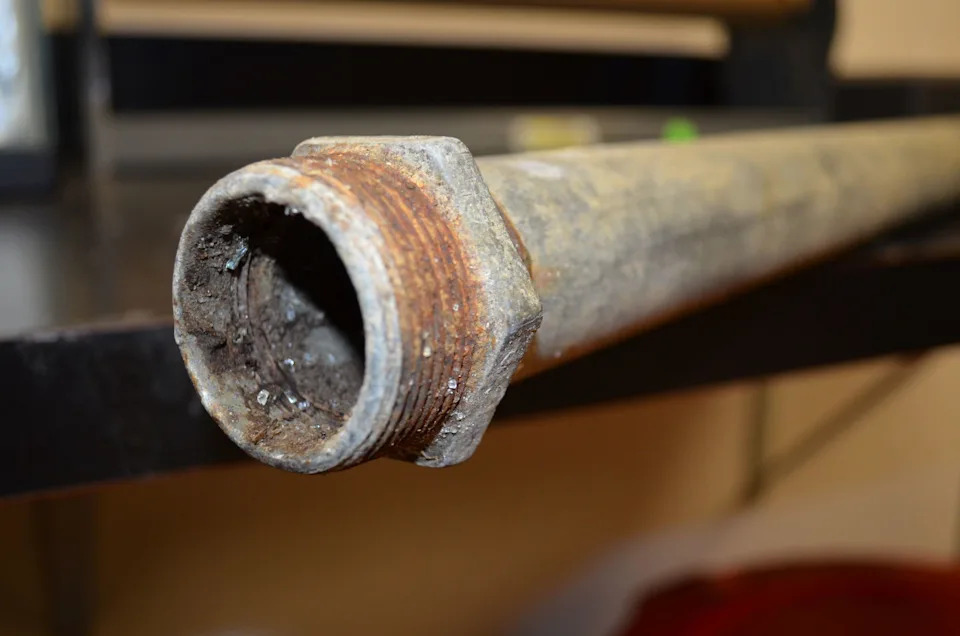
Todd Kendhammer told investigators this pipe flew off a truck and struck his car's windshield, resulting in Barbara's death. However, investigators disagreed with Todd's story, believing Todd murdered Barbara and smashed the pipe through the windshield himself to make her murder look like an accident. / Credit: La Crosse County Sheriff's Office
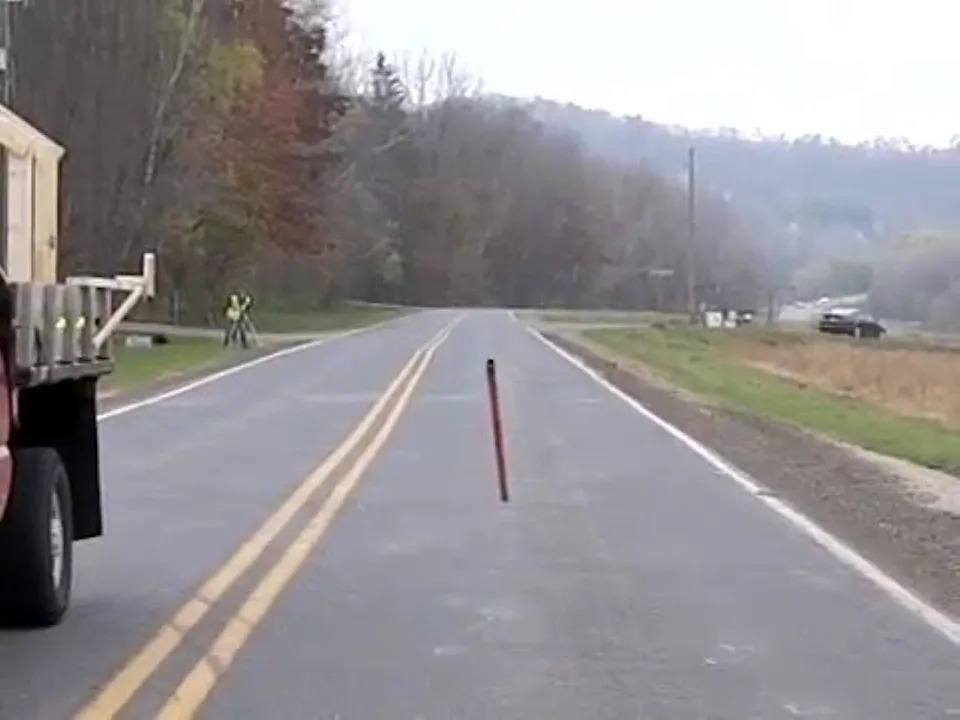
During the initial investigation, local authorities attempted to reconstruct Todd Kendhammer's story by dropping a similar pipe off the back of a truck. The videos of their test show the pipe bouncing off the ground once out of the four times it was dropped. However, the videos were not presented in court until Todd's evidentiary hearing. / Credit: La Crosse County Sheriff's Office

Todd and Barbara Kendhammer / Credit: Barbara Kendhammer/Facebook


