
The central highlands of Sri Lanka were devastated by floods and landslides linked to Cyclone Ditewa, leaving over 640 dead and dozens missing. Tea-estate communities—many Malaiyaha Tamils living in tiny colonial-era line rooms on unstable slopes—were disproportionately affected and now face homelessness and food shortages. The government has pledged compensation and an Indian-assisted project to build 7,000 homes, but workers say aid is too slow while national debt limits long-term climate resilience investments.
Sri Lanka’s Tea Estate Communities Plunge Deeper Into Poverty After Deadly Floods and Landslides

Sellamuttu Darshani Devi, a tea plantation worker evacuated after Cyclone Ditwah led to floods and landslides, shelters with her children at a safety center in Galamuduna Estate in Dolosbage, Sri Lanka, Friday, Dec.12, 2025. (AP Photo/Eranga Jayawardena)(ASSOCIATED PRESS)
CRAIGHEAD ESTATE, Sri Lanka — Torrential rains and sudden landslides triggered by Cyclone Ditewa ripped through Sri Lanka’s central highlands, killing more than 640 people and leaving over a hundred missing. Entire villages and fragile colonial-era tea-worker settlements were swept away, exposing long-standing inequalities that have left plantation communities especially vulnerable.
What Happened
Heavy rains in November caused catastrophic floods and landslides across the island. In many hill-country estates, primitive worker housing built on unstable slopes — some dating back to colonial times — was destroyed or buried under mud and rubble. In one devastated community, clothing, schoolbooks, toys and a sports trophy lay scattered among the ruins.
Who Was Hit Hardest
Many of the victims were Malaiyaha Tamils, descendants of indentured laborers brought from southern India by British planters more than two centuries ago. More than 1 million people from this community still live on the island and form a large portion of the tea-estate workforce.
Despite Sri Lanka earning billions from tea exports, estate workers often earn far less than the daily minimum wage of 1,200 rupees (about $4), with limited access to land, education, healthcare or decent housing. An American Institute for Sri Lankan Studies report found many families live in tiny colonial-era line rooms of about 100 square feet, sometimes housing multiple generations with shared or no sanitation facilities.
Voices From the Ground
Kumaran Elumugam, whose home was crushed by a landslide, lost six family members and described searching in mud for survivors. Arumugam Manikavalli and others fled to nearby temples as the earth shook beneath them.
“My wife, son-in-law, daughter, mother-in-law, two grandsons are all dead,” Elumugam said. “The small one (granddaughter) is still under the mud.”
Tea workers report pressures to return to the fields quickly: estate owners have reportedly conditioned aid or support on workers resuming work, even while many remain homeless and fearful of rain.
Government Response and Immediate Relief
The government says more than 100,000 houses were damaged or destroyed and has pledged compensation, relocation and rebuilding assistance. Sundaralingam Pradeep, the deputy minister for plantations and community infrastructure, said authorities are negotiating with tea companies to secure land and build safer housing. An Indian-assisted project that aims to construct 7,000 homes has been announced as an initial tranche of relief housing.
Residents, however, say help is too slow and many shelter in schools or temporary sites with inadequate food and sanitation.
Longer-Term Problems: Climate Risk and Debt Constraints
Sri Lanka accounts for under 1% of global greenhouse gas emissions but is highly vulnerable to climate-driven extreme weather. The United Nations estimates the country loses more than $300 million annually to such disasters, and roughly 19 million of 23 million residents live in areas prone to flooding, landslides or other hazards.
Advocates and researchers warn that the country’s heavy debt burden—to the IMF, multilateral banks and bilateral creditors—limits its ability to invest in climate-resilient housing, early-warning systems and disaster response. ‘‘Disasters don’t break systems; they expose already broken systems,’’ said Sandun Thudugala of the Law and Society Trust, urging long-term planning that prioritizes safety for vulnerable communities.
Why This Matters
The floods and landslides have laid bare the intersection of climate risk, entrenched poverty and historical neglect of plantation communities. Experts say urgent action is required: faster relief, safe relocation for those living in high-risk settlements, and sustained investment in resilient infrastructure and social services.
Follow-up: AP photographer Eranga Jayawardena contributed to on-the-ground reporting. The Associated Press’ climate and environmental coverage receives support from private foundations; AP retains editorial control of content.
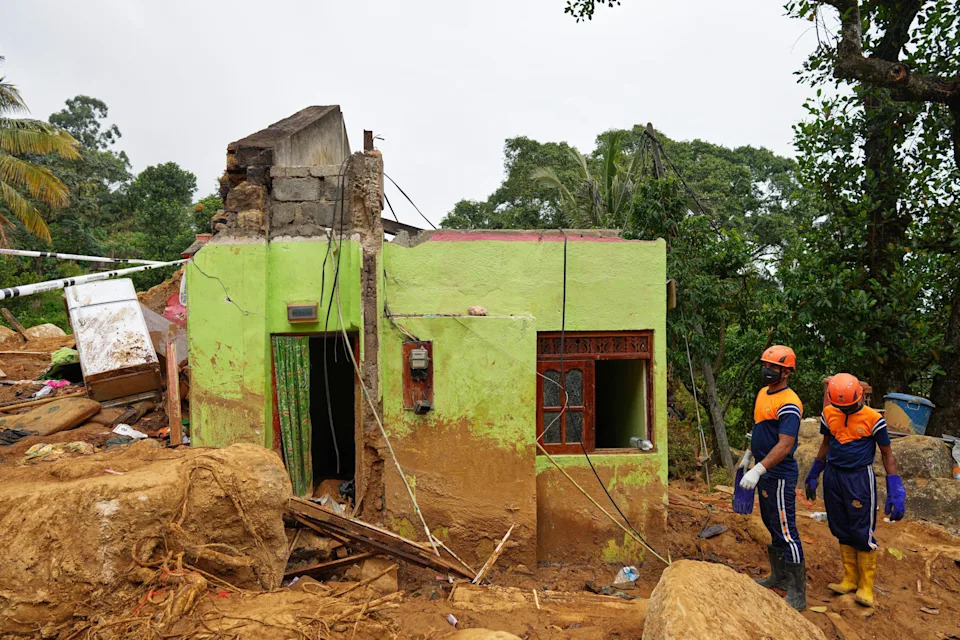
Sri Lankan army rescuers stand next to the remnants of a destroyed row of living quarters where tea plantation workers stayed after a landslide following Cyclone Ditwah at Craighead Estate in Nawalapitiya, Sri Lanka, Thursday, Dec, 11, 2025. (AP Photo/Eranga Jayawardena)(ASSOCIATED PRESS)
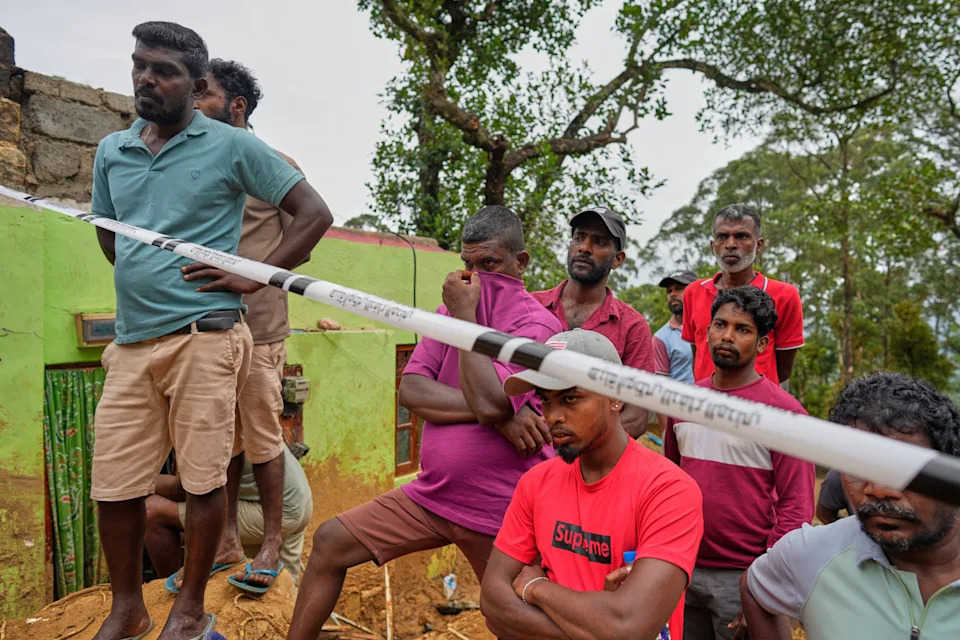
Family members and relatives of tea plantation workers watch rescuers try to dig out a buried body after a landslide following Cyclone Ditwah at Craighead Estate in Nawalapitiya, Sri Lanka, Thursday, Dec, 11, 2025. (AP Photo/Eranga Jayawardena)(ASSOCIATED PRESS)
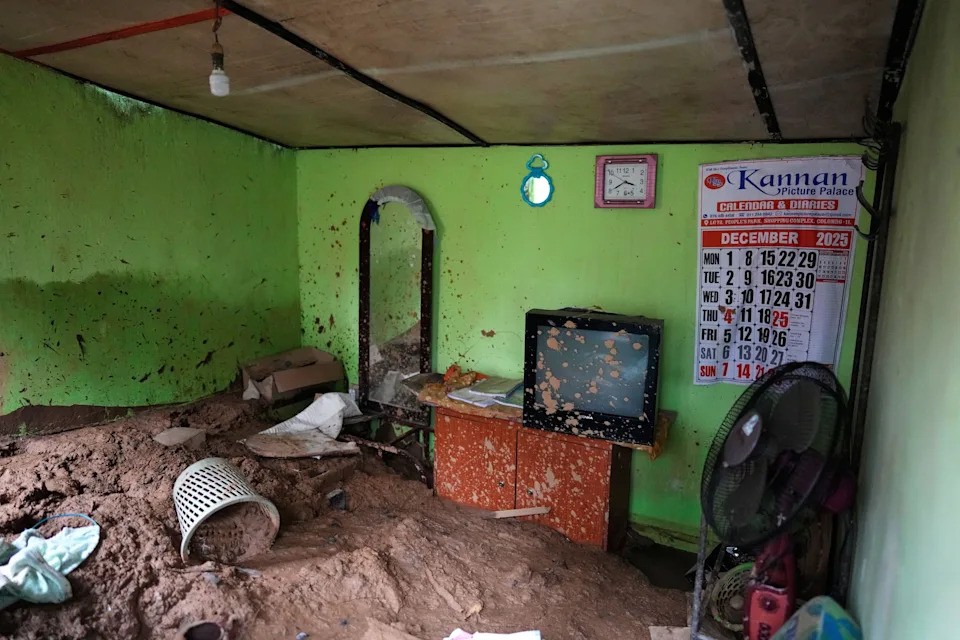
Mud fills the remains of a tea plantation worker's living quarters after a landslide at Craighead Estate in Nawalapitiya, Sri Lanka, Thursday, Dec, 11, 2025. (AP Photo/Eranga Jayawardena)(ASSOCIATED PRESS)
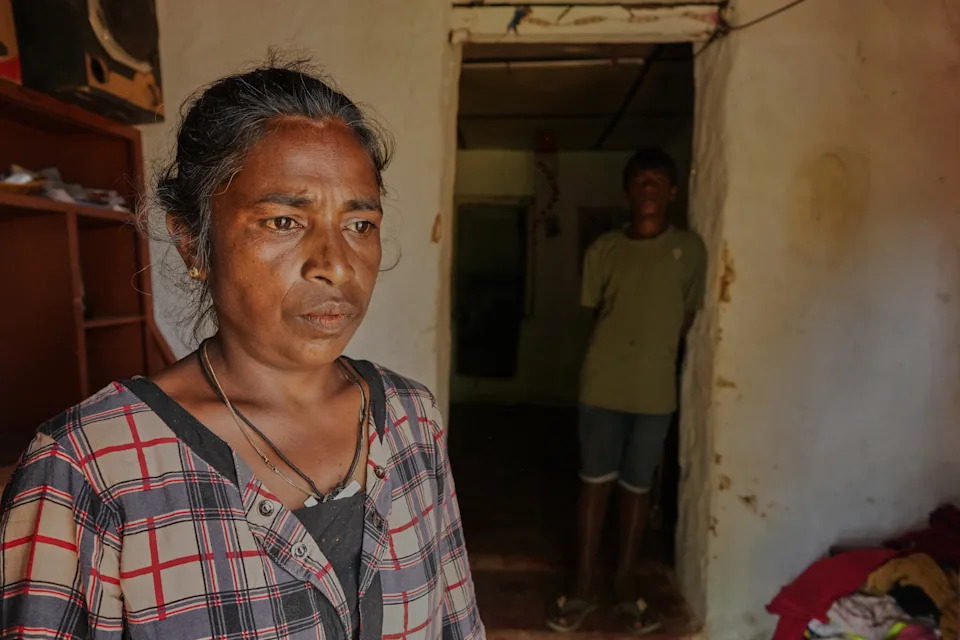
Arumugam Manikavalli stands at the doorway to her living quarters after Cyclone Ditwah led to floods and landslides at Craighead Estate in Nawalapitiya, Sri Lanka, Friday, Dec.12, 2025. (AP Photo/Eranga Jayawardena)(ASSOCIATED PRESS)
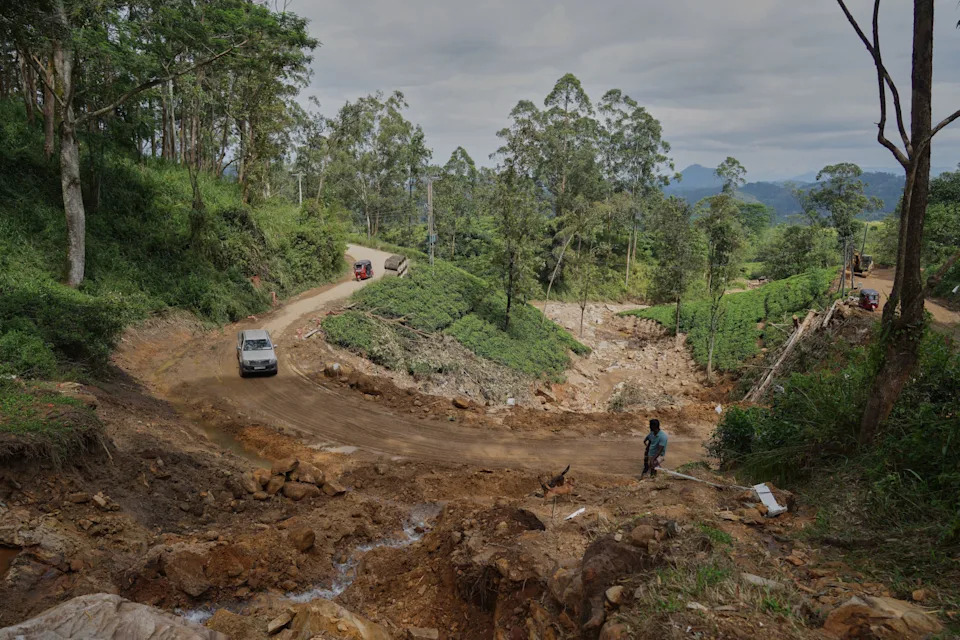
Vehicles move across a stretch of tea plantation destroyed by a landslide following Cyclone Ditwah in Craighead Estate in Nawalapitiya, Sri Lanka, Friday, Dec.12, 2025. (AP Photo/Eranga Jayawardena)(ASSOCIATED PRESS)
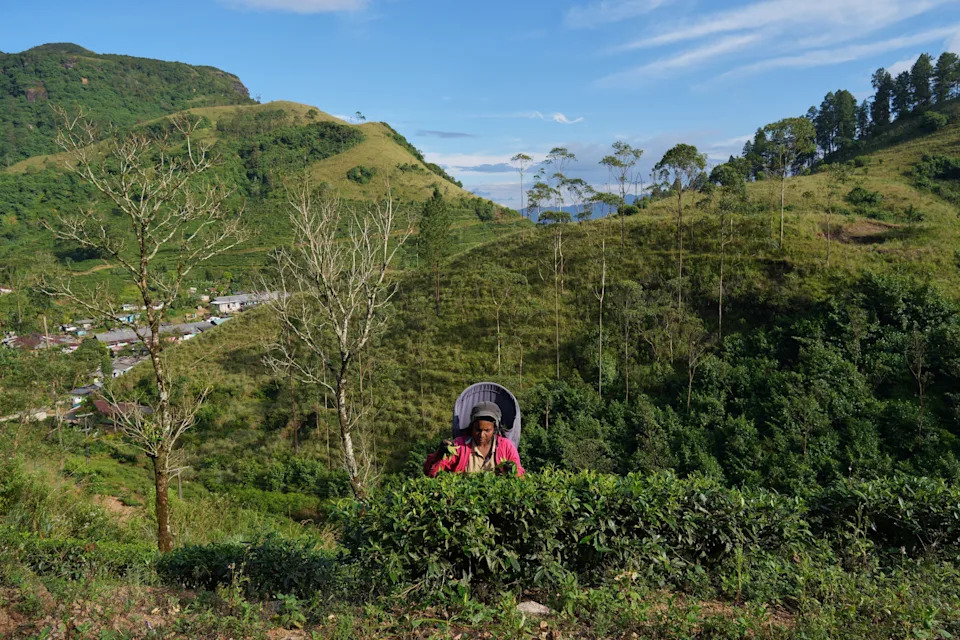
A worker plucks tea tips in an area affected by Cyclone Ditwah which led to floods and landslides in Galamuduna Estate in Dolosbage, Sri Lanka, Friday, Dec.12, 2025. (AP Photo/Eranga Jayawardena)(ASSOCIATED PRESS)
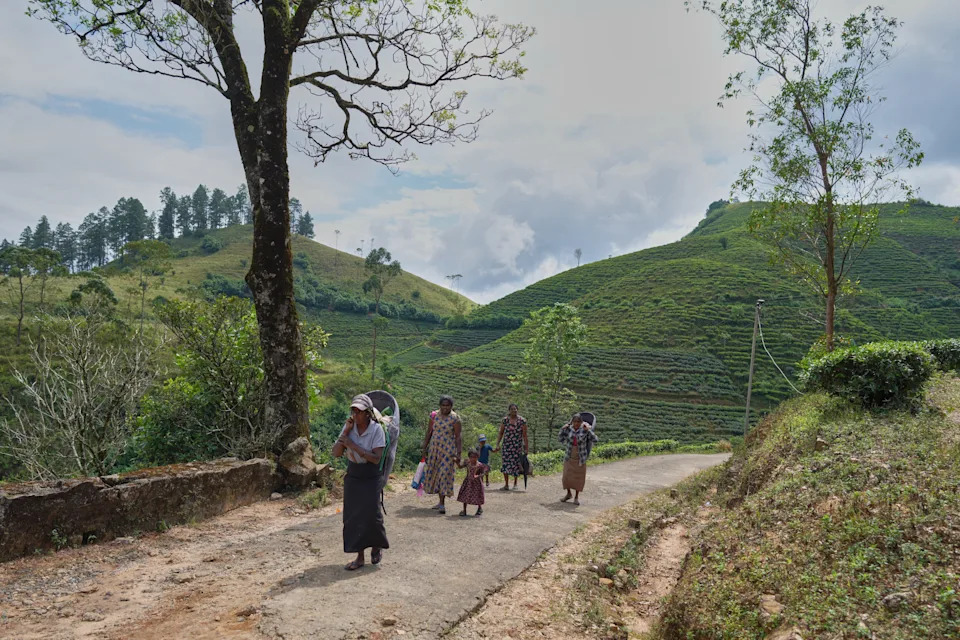
Tea plantation workers walk toward a safety center after their shift in an area affected by floods and landslides after Cyclone Ditwah in Galamuduna Estate in Dolosbage, Sri Lanka, Friday, Dec.12, 2025. (AP Photo/Eranga Jayawardena)(ASSOCIATED PRESS)
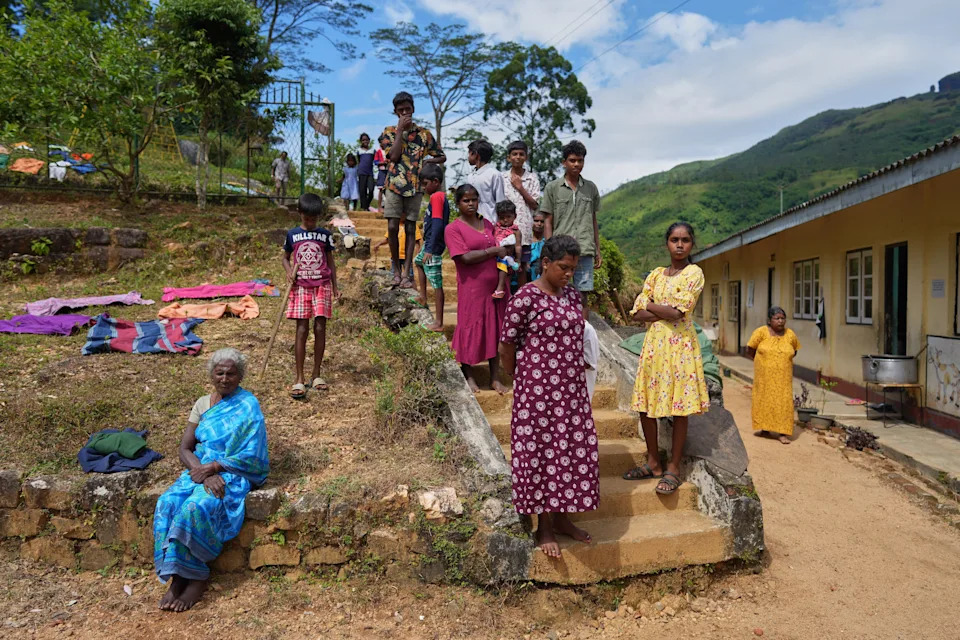
Tea plantation workers evacuated after Cyclone Ditwah led to floods and landslides spend time out of a safety center in Galamuduna Estate in Dolosbage, Sri Lanka, Friday, Dec.12, 2025. (AP Photo/Eranga Jayawardena)(ASSOCIATED PRESS)
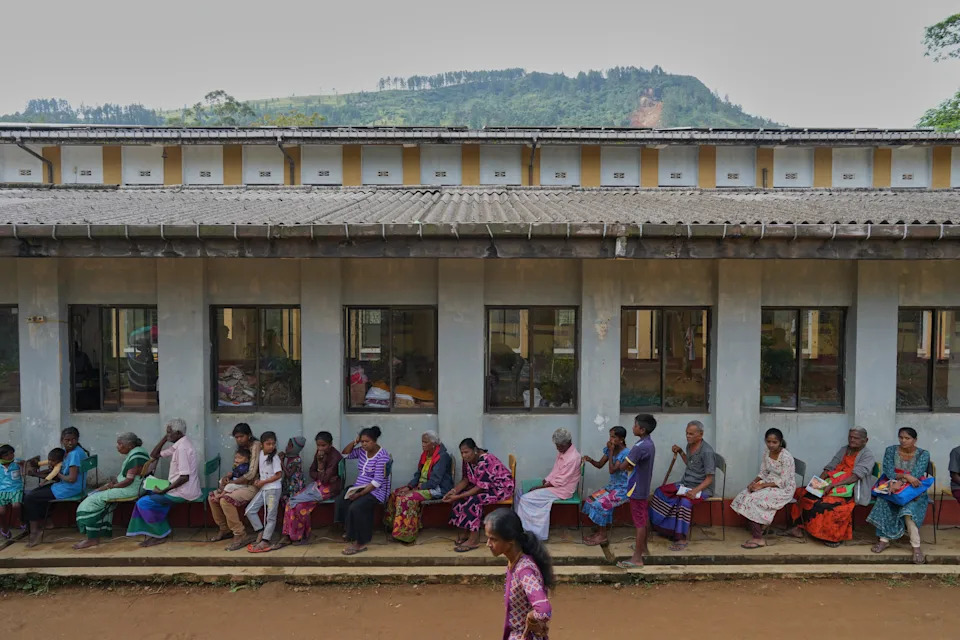
Displaced tea plantation workers and their families queue for aid at a safety center after Cyclone Ditwah led to floods and landslides at Craighead Estate in Nawalapitiya, Sri Lanka, Friday, Dec.12, 2025. (AP Photo/Eranga Jayawardena)(ASSOCIATED PRESS)
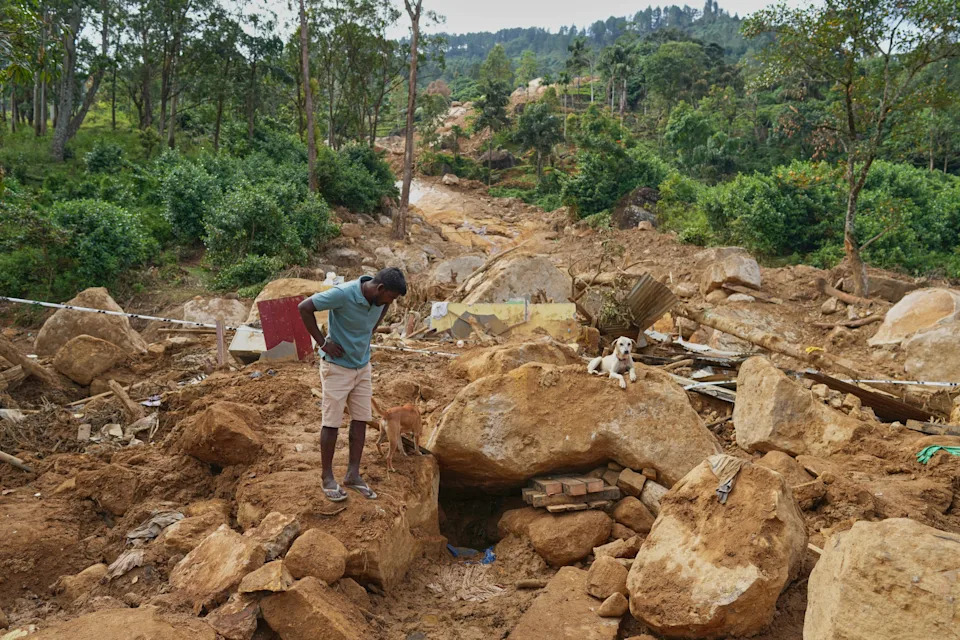
Marasamy Suresh, a tea plantation worker, looks at where the body of a boy is buried in the rubble of a plantation workers' living quarters after Cyclone Ditwah led to floods and landslides at Craighead Estate in Nawalapitiya, Sri Lanka, Friday, Dec.12, 2025. (AP Photo/Eranga Jayawardena)(ASSOCIATED PRESS)
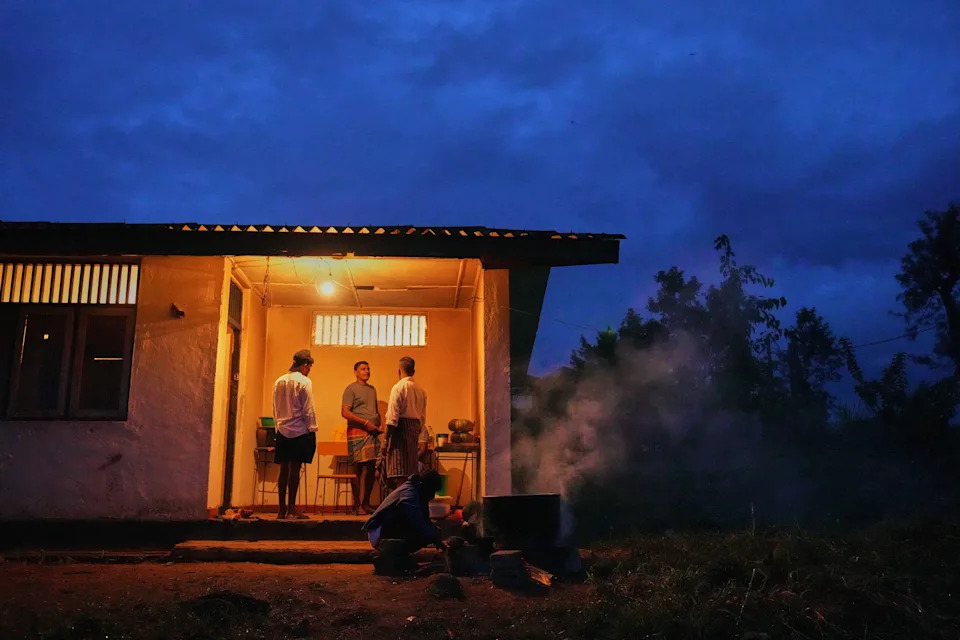
Tea plantation workers and their children who evacuated after Cyclone Ditwah led to floods and landslides take shelter at a safety center at Craighead Estate in Nawalapitiya, Sri Lanka, Thursday, Dec, 11, 2025. (AP Photo/Eranga Jayawardena)(ASSOCIATED PRESS)
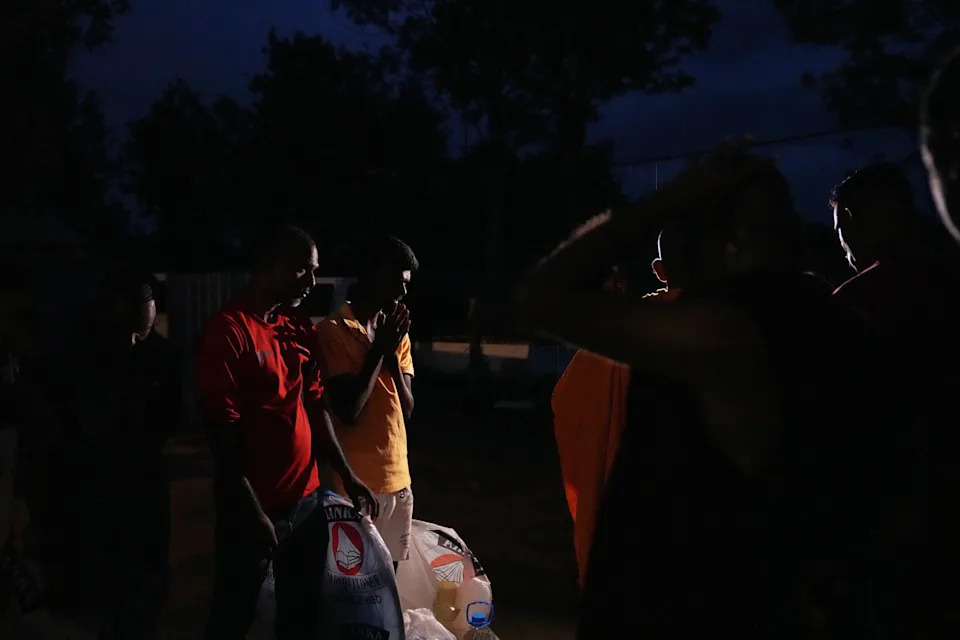
Displaced tea plantation workers from Cyclone Ditwah that led to floods and landslides express gratitude after receiving relief items from local residents at a safety center at Craighead Estate in Nawalapitiya, Sri Lanka, Thursday, Dec, 11, 2025. (AP Photo/Eranga Jayawardena)(ASSOCIATED PRESS)


