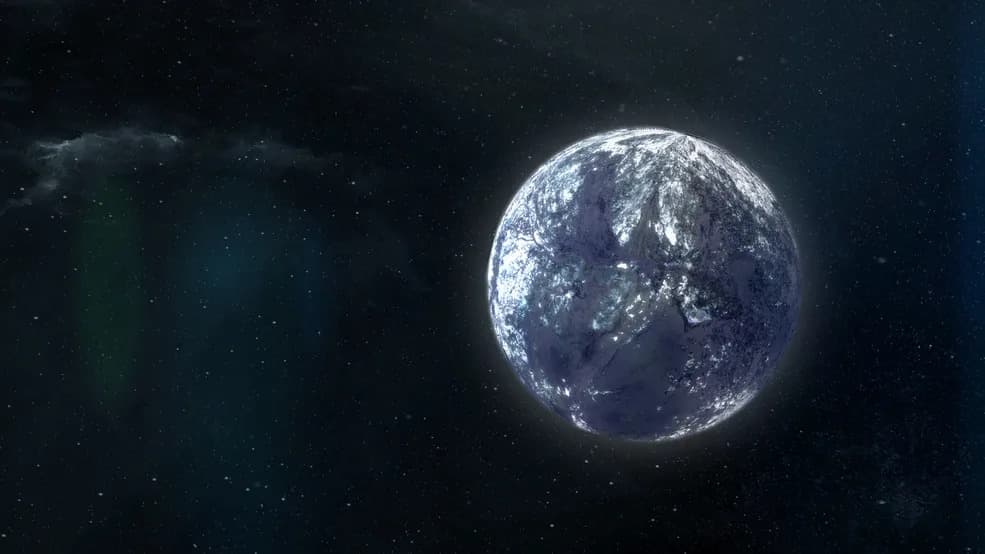
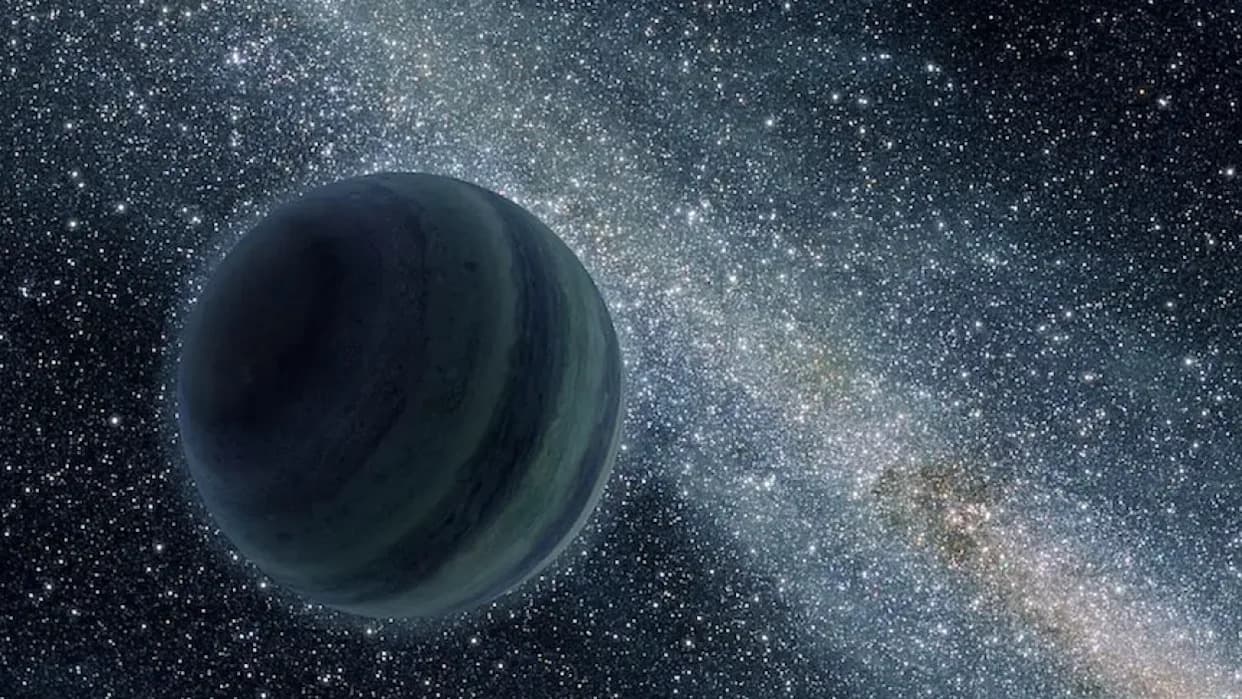
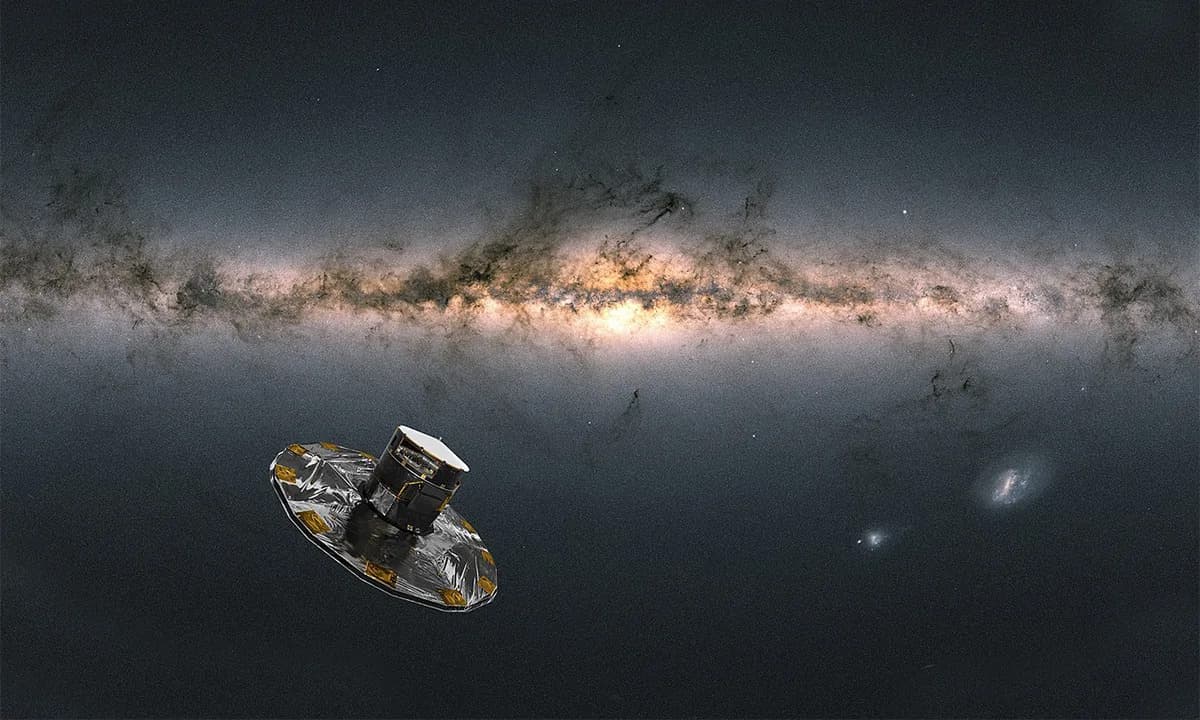
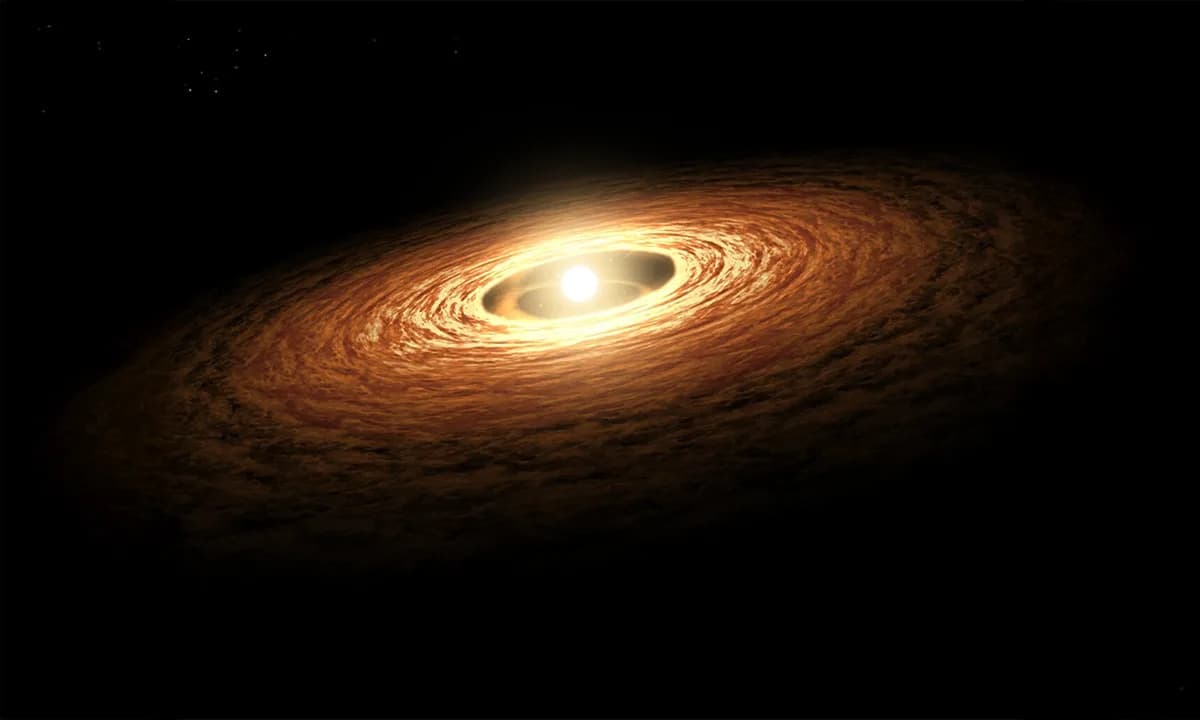
Using simultaneous observations from ground telescopes and the Gaia space observatory, a team led by Subo Dong measured the mass and distance of a free-floating planet via gravitational microlensing. The object has roughly the mass of Saturn and lies about 10,000 light years away. Researchers suggest it likely formed in a protoplanetary disc and was later ejected, though it could still be on a very wide orbit. Future missions like the Nancy Grace Roman Telescope could discover many more such rogue worlds.
Scientists Track a Rogue Planet From Earth and Space — Measure Its Mass and Distance
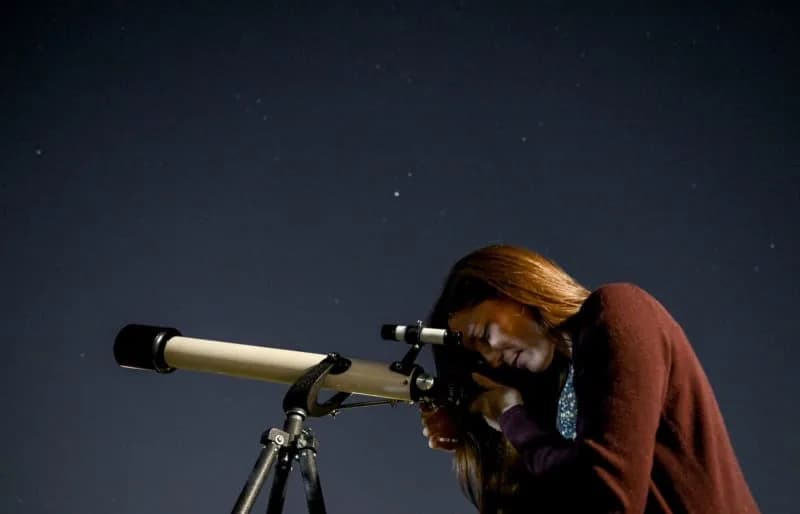
Telescopes helped researchers track the planet. Britta Pedersen/dpa
Scientists have for the first time tracked a free-floating (rogue) planet closely enough to calculate both its mass and direction of motion using coordinated observations from Earth and space.
A team led by Subo Dong at Beijing University combined data from multiple ground-based telescopes with observations from the Gaia space observatory to produce new, precise constraints on the object. Their results, published in the journal Science, indicate the body likely formed inside a protoplanetary disc and was later expelled by dynamical interactions.
How the discovery was made
Rogue planets are extremely challenging to study because they emit little or no light and do not orbit a star. Astronomers detect them only when the planet passes in front of a more distant star and bends its light via gravity — a brief magnification effect called gravitational microlensing.
Microlensing events normally make it hard to pin down a lensing object's distance and mass. Dong's team overcame that by using the small time delay between the microlensing signal arriving at Earth and at the Gaia space observatory, which orbits roughly 1.5 million kilometres from Earth. Combining that timing offset with other observational constraints allowed the researchers to derive the planet's properties.
What they found
- The object has a mass close to that of Saturn.
- Its distance is estimated at about 10,000 light years from the Solar System.
- It is catalogued as KMT-2024-BLG-0792/OGLE-2024-BLG-0516.
Why it matters
The team argues that lower-mass rogue planets like this one most likely form in planetary systems inside protoplanetary discs and are later ejected by interactions with other planets or stars. By contrast, more massive free-floating objects could form directly within molecular clouds in a star-like process.
Only a handful of rogue planets have been confirmed so far, but future missions such as NASA's Nancy Grace Roman Space Telescope (planned for launch in 2027) are expected to increase detections substantially. The researchers also caution that it remains uncertain whether this object is truly unbound or instead follows a very wide orbit around an unseen host star.
"Dynamic processes later ejected it from its region of origin, turning it into a free-floating object," the authors write in Science.
This measurement demonstrates how combining space- and ground-based facilities can reveal properties of otherwise invisible objects and opens a new window on the population and origins of rogue planets.
Help us improve.